Key Takeaways
- The Indian cricket team is poised for a strong showing in the 2026 ICC Men’s T20 World Cup, with a blend of seasoned veterans and exciting young talent.
- Key players like Jasprit Bumrah, Suryakumar Yadav, and the emerging prodigy, Shreyas Iyer, will be crucial to India’s success.
- Home advantage, playing in familiar conditions across India, could be a significant factor in their campaign.
- Strategic decisions in squad selection and tactical flexibility will define India’s approach to the tournament.
The Road to 2026: India’s T20 World Cup Ambitions
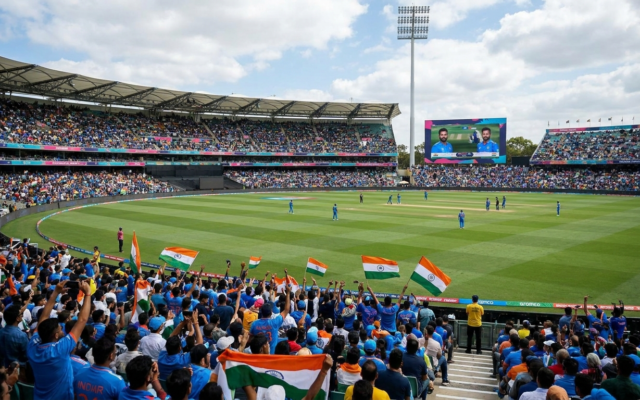
The roar of the crowd, the flash of willow on leather, the collective gasp of a nation – these are the indelible memories etched in the minds of every Indian cricket fan. As we look towards the 2026 ICC Men’s T20 World Cup, co-hosted by India and Sri Lanka, the air is thick with anticipation. India, a cricketing powerhouse with a fervent fanbase, carries the weight of expectation, aiming to lift the coveted trophy on home soil.
Our journey to this point has been a testament to the depth of talent within the country. From the gully cricket pitches of small towns to the hallowed turf of the Wankhede Stadium, the dream of representing India burns bright. The T20 format, with its exhilarating pace and unpredictable outcomes, offers a unique spectacle, and India has consistently proven its mettle in this format. The 2026 edition presents a golden opportunity to add another glorious chapter to Indian cricket history.
This tournament isn’t just about winning; it’s about the narrative, the heroes who will emerge, and the indelible moments that will be created. We’ve seen incredible performances in past T20 World Cups, and 2026 promises to be no different. The strategic preparations, the selection dilemmas, and the individual brilliance of our players will all contribute to what we hope will be a triumphant campaign.
The Stalwarts and The Rising Stars: Key Personnel
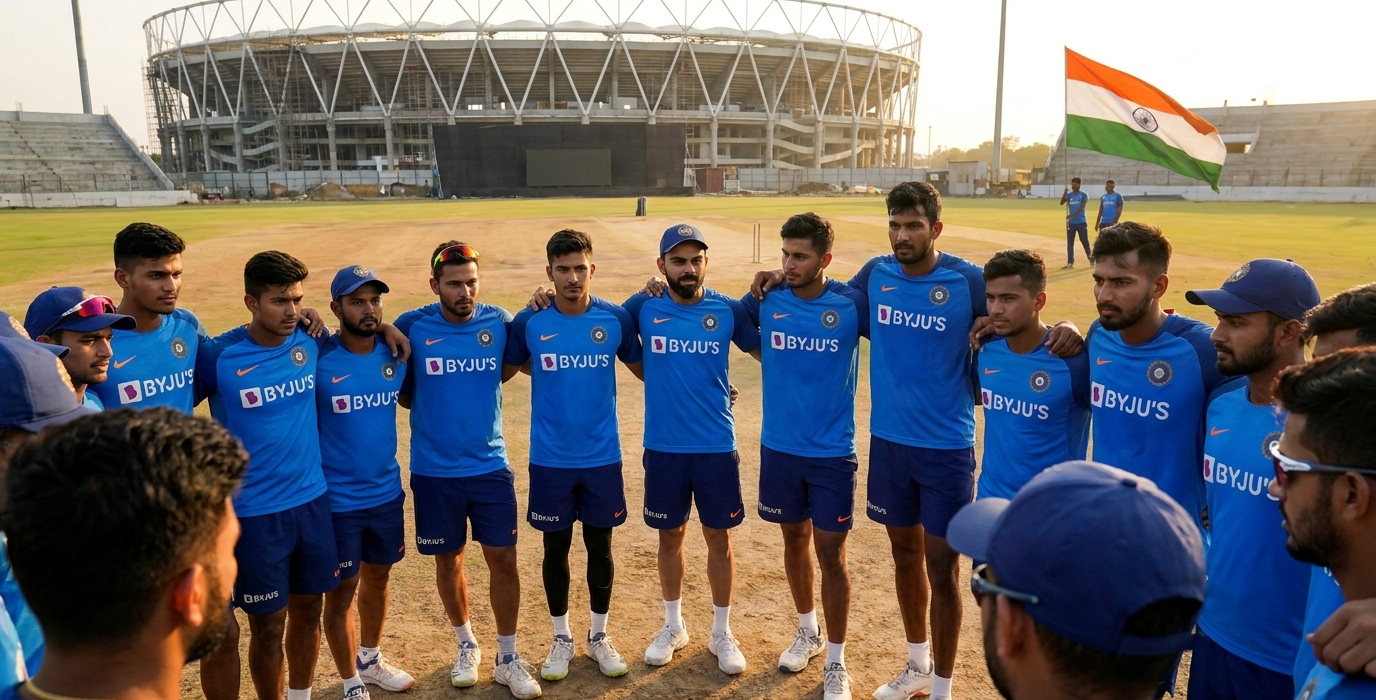
Every champion team is built on a foundation of experience and infused with the energy of youth. For India’s 2026 T20 World Cup campaign, this holds particularly true. We can expect to see some familiar, reassuring faces leading the charge, alongside a new wave of talent eager to make their mark on the global stage. The blend of seasoned campaigners and fresh faces is often the secret ingredient to tournament success.
At the forefront of our bowling attack, the inimitable Jasprit Bumrah will undoubtedly be a cornerstone. His ability to deliver yorkers at will and his knack for picking up crucial wickets make him a captain’s dream. Alongside him, we’ll likely see the continued evolution of bowlers like Mohammed Siraj, who has shown tremendous growth in his T20 capabilities. The spin department, always a strength for India, will rely on the guile of players like Ravindra Jadeja and the attacking flair of emerging wrist-spinners.
In the batting lineup, Suryakumar Yadav has carved a niche for himself as one of the most innovative and destructive T20 batsmen in the world. His 360-degree stroke play and ability to find gaps against any bowling attack will be vital. Complementing him, we’ll look towards the experience of Rohit Sharma and the dependable presence of KL Rahul. But it’s the burgeoning talent of Shreyas Iyer that has truly captured attention. His calm demeanor under pressure and his ability to anchor an innings while also accelerating at the death make him a vital cog in the middle order.
The X-Factor: Unforeseen Talents
Beyond the established stars, the beauty of T20 cricket lies in its ability to unearth new heroes. Keep an eye on youngsters who have made waves in the domestic circuit and the Indian Premier League (IPL). Players like Riyan Parag, with his explosive batting, or Yashasvi Jaiswal, who has shown remarkable consistency and aggression, could be the surprise packages that turn matches for India. The selectors will have the unenviable task of identifying these future game-changers.
Home Advantage: The Familiar Turfs of India
The 2026 T20 World Cup being co-hosted by India and Sri Lanka offers a significant psychological and practical advantage for our team. Playing on familiar pitches, in front of passionate home crowds, can be a tremendous boost. The subcontinent’s conditions, with their varying turn and bounce, are well-understood by our players, giving them an edge over visiting sides.
The roar of the Indian crowd is an electrifying force, capable of lifting players to extraordinary heights. The energy at grounds like the iconic Eden Gardens in Kolkata or the Narendra Modi Stadium in Ahmedabad can be overwhelming for opposition teams. This fervent support, coupled with the intimate knowledge of local conditions – from the dew factor in Mumbai to the slower pitches in Chennai – allows our players to adapt more quickly and play with greater confidence.
This home advantage extends beyond just the fan support. The logistical ease of playing in familiar surroundings, the ability to acclimatize without the rigors of extensive travel, and the understanding of local weather patterns all contribute to a smoother campaign. We’ve seen time and again how teams performing on home soil can draw strength from their surroundings, and India will be no exception. This familiarity with the terrain, both physical and emotional, is a weapon in itself.
The true test of a champion team isn’t just the talent they possess, but how they harness the energy of their home crowd and the familiarity of their conditions to overcome adversity.
One surprising aspect of playing in India is the sheer diversity of pitches across different venues. While many associate Indian pitches with high-scoring affairs, stadiums like the HPCA Stadium in Dharamshala offer a cooler climate and a different kind of bounce, testing batsmen in new ways. Conversely, the Chepauk in Chennai can be a spinner’s paradise, demanding tactical acumen from both captains and bowlers. This variety means our team needs to be adaptable and well-drilled across all conditions, a testament to the comprehensive preparation required.
Tactical Prowess: Strategy and Selection
In the fast-paced world of T20 cricket, strategic acumen is as vital as individual brilliance. The Indian think-tank, led by the captain and head coach, will face critical decisions regarding squad composition and game-day tactics. The ability to adapt strategies based on opposition, pitch conditions, and match situations will be paramount to our success in the 2026 World Cup.
One of the key strategic considerations will be the batting order. Suryakumar Yadav’s phenomenal success has often come when he bats in the middle order, allowing him to build his innings. However, situations might arise where promoting him up the order to face weaker bowling early could be a game-changer. Similarly, identifying the right players to bat at the death – those capable of clearing the boundary consistently under immense pressure – will be a crucial decision. The emergence of powerful hitters from recent IPL seasons will provide the selectors with a rich pool to choose from.
Bowling strategies will also be under the microscope. While pace bowlers like Bumrah are vital, the role of spinners in the middle overs, particularly on Indian pitches, cannot be overstated. The ability to bowl economical spells and pick up wickets at regular intervals can stem the flow of runs and put the opposition under pressure. The captain’s role in managing his bowlers effectively, using their strengths judiciously, and employing variations at the right moments will be critical. We’ve seen how innovative bowling changes, like using spinners in the powerplay or pacers at the death, can swing games.
The Unseen Edge: Data Analytics and Player Profiling
In today’s data-driven sporting landscape, teams that leverage analytics effectively often gain a significant advantage. India will undoubtedly be utilizing advanced statistical tools to analyze opposition batsmen and bowlers, identifying their strengths, weaknesses, and tendencies. This detailed player profiling allows for highly tailored strategies, ensuring our players are well-prepared for every scenario they might face.
The Opposition: Challenges and Opportunities
While our focus is firmly on India’s journey, we cannot afford to underestimate the caliber of opposition in a T20 World Cup. The international cricket landscape is incredibly competitive, with numerous teams possessing the firepower and tactical nous to challenge for the title. Understanding these threats and identifying opportunities to exploit their weaknesses will be a key component of India’s overall strategy.
Teams from Australia and England, with their aggressive batting lineups and strong pace attacks, will always be formidable opponents. Their experience in major tournaments and their ability to perform under pressure make them perennial contenders. The West Indies, with their explosive batting and often unpredictable flair, can be a dangerous side on their day, capable of dismantling any bowling attack. We must also be wary of our Asian neighbours, particularly Pakistan and Bangladesh, who often raise their game in subcontinent conditions and possess a deep understanding of the local pitches.
However, within these challenges lie opportunities. India’s batting depth, particularly the ability to score quickly in the death overs, can put pressure on even the most disciplined bowling attacks. Our spin bowling arsenal is often superior to many visiting teams, providing a distinct advantage on turning tracks. The key will be to identify specific match-ups where our strengths can be maximized against the opposition’s weaknesses. For instance, using our effective spinners against batsmen known to struggle against spin could be a winning tactic.
The Element of Surprise: Unpredictable Teams
We must also be prepared for the unexpected. While traditional powerhouses are always threats, associate nations and teams on the rise often bring an element of surprise to World Cups. Their unburdened approach and fearless brand of cricket can sometimes catch bigger teams off guard. A truly successful campaign requires respect for all opponents and a readiness to adapt to any challenge thrown our way.
The Mental Game: Pressure and Performance
Beyond the technical skills and strategic planning, the mental fortitude of the players will be tested to its limits during the 2026 T20 World Cup. The immense pressure of representing a nation of over a billion people, especially in a tournament hosted at home, is a unique challenge. Maintaining composure, focusing on the present moment, and performing under duress are hallmarks of championship teams.
The build-up to such a prestigious event can be overwhelming. Media attention, fan expectations, and the sheer weight of history can take a toll. For our players, developing robust mental coping mechanisms will be crucial. This involves not only pre-tournament preparation but also in-game strategies to handle pressure situations, such as defending a tight total or chasing a challenging target. Sports psychologists play an increasingly important role in modern cricket, helping players build resilience and mental toughness.
We’ve seen instances where the pressure has seemingly gotten the better of teams, leading to uncharacteristic errors. Conversely, we’ve also witnessed players rise to the occasion, delivering performances that etch their names in cricketing folklore. For India, nurturing this mental strength will be as important as honing their batting and bowling skills. The ability to stay calm in the eye of the storm, to trust their training, and to play with freedom, even under immense scrutiny, will be the defining factor for many players.
The Role of Leadership: Captaincy and Support Staff
The captain’s role in managing the mental aspects of the game cannot be overstated. A calm, decisive, and encouraging leader can inspire confidence in the entire squad. The support staff, including coaches and mentors, also play a vital role in creating a positive and supportive environment, ensuring players are mentally prepared and resilient. Their collective effort in fostering a winning mindset will be a significant contributor to India’s T20 World Cup aspirations.
A Nation’s Dream: The Path to Glory
As August 2026 approaches, the collective dream of a nation will converge on the cricket pitches of India and Sri Lanka. The 2026 ICC Men’s T20 World Cup represents more than just a sporting event; it’s an opportunity for India to unite, to celebrate, and to witness moments of sporting brilliance that will be cherished for generations. Our team, a dynamic blend of established stars and exciting new talent, carries the hopes and dreams of millions.
The path to glory will undoubtedly be challenging, filled with fierce competition, unexpected twists, and moments of intense pressure. However, the home advantage, coupled with the strategic acumen of our coaching staff and the unwavering support of our passionate fanbase, provides a strong foundation for success. We have the players, the potential, and the desire to lift the trophy once again.
We will be watching with bated breath as our heroes take to the field, each match a step closer to realizing this shared ambition. The stories that unfold, the individual performances that shine, and the collective effort that defines our campaign will all contribute to the rich tapestry of Indian cricket. Let the games begin, and may India’s journey in the 2026 T20 World Cup be one of triumph and unforgettable memories.
Frequently Asked Questions
Who are the key players to watch for India in the 2026 T20 World Cup?
Keep an eye on seasoned stalwarts like Jasprit Bumrah and Suryakumar Yadav, who are expected to be pivotal. Emerging talents like Shreyas Iyer, Yashasvi Jaiswal, and Riyan Parag will also be crucial for India’s campaign, offering explosive batting and potential game-changing performances.
What is the significance of India co-hosting the 2026 T20 World Cup?
Co-hosting provides India with a significant home advantage. Playing in familiar conditions, on pitches they understand, and in front of a passionate home crowd can boost player morale and performance, while potentially unsettling visiting teams.
How will India’s batting order likely be structured?
While Suryakumar Yadav is expected to bat in the middle order, the selectors might experiment. The ability to score quickly in the death overs will be prioritized, with a focus on identifying players who can consistently hit boundaries under pressure. The exact order will likely be flexible based on match situations and opposition.
What are the biggest challenges India might face from other teams?
Traditional powerhouses like Australia and England, with their strong lineups, will be major threats. The West Indies’ explosive batting and the subcontinent’s familiarity for teams like Pakistan and Bangladesh also present significant challenges. India must also be prepared for potential upsets from associate nations.
How important is the mental aspect for the Indian team in a home World Cup?
The mental game is paramount. The immense pressure of a home World Cup requires players to maintain composure, focus, and resilience. Effective strategies for handling pressure situations, both individually and as a team, supported by the coaching staff, will be crucial for success.