Key Takeaways
- Indian esports has seen exponential growth, with player numbers and prize pools soaring, making it a serious contender for mainstream recognition.
- The professionalisation of the scene is evident in dedicated training facilities, academic courses, and significant investment from major corporations.
- While the dream of Olympic inclusion for esports is gaining traction globally, India faces unique challenges and opportunities in its pursuit.
- Understanding the nuances of game popularity, infrastructure development, and policy support is crucial for India’s esports future.
- For aspiring gamers and enthusiasts, the current landscape offers unprecedented opportunities for career development and financial rewards.
The Booming Arena: India’s Esports Surge
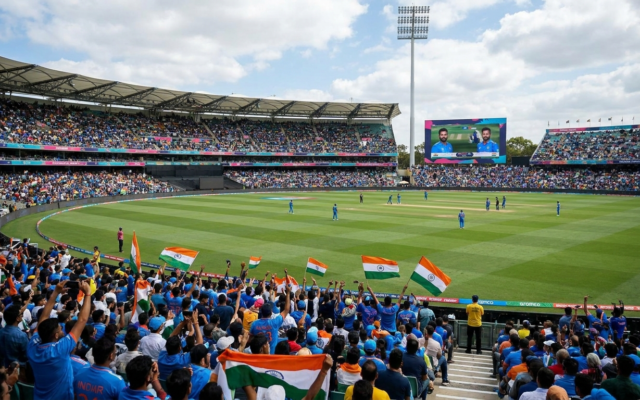
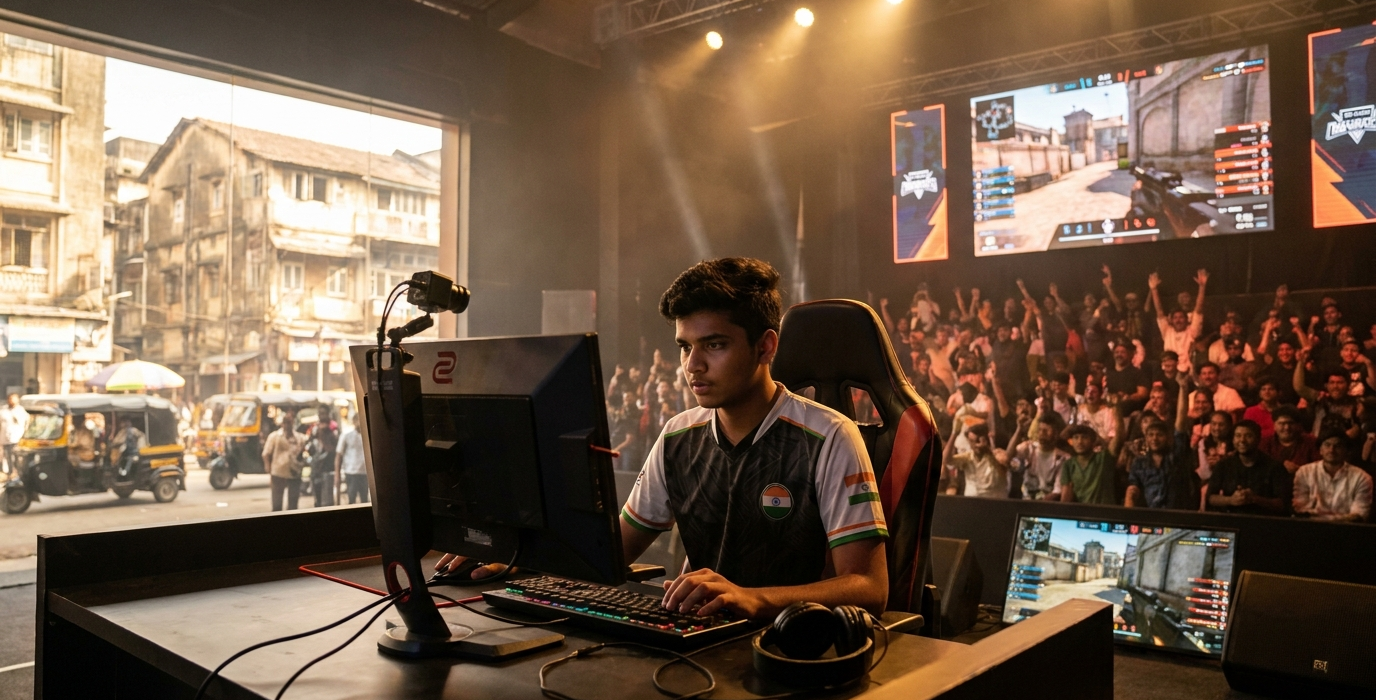
The roar of the crowd at a cricket stadium is a familiar sound in India, but today, a different kind of arena is electrifying audiences: the esports tournament hall. What was once a niche hobby for a select few has exploded into a multi-billion dollar industry, capturing the attention of millions across the subcontinent. We’re witnessing a paradigm shift where digital athletes are becoming household names, and competitive gaming is shedding its casual skin to reveal a serious, structured, and highly lucrative pursuit. This transformation isn’t just about more people playing video games; it’s about the professionalisation of an entire ecosystem.
From the bustling metropolises like Bengaluru, often dubbed India’s Silicon Valley and a hub for tech innovation, to smaller towns and villages, the internet has democratised access to this burgeoning field. The sheer volume of young Indians engaging with competitive gaming is staggering, creating a massive talent pool. This engagement translates into significant viewership numbers, rivaling traditional sports in certain demographics. Major brands, recognising this vast and young audience, are pouring sponsorship money into teams, tournaments, and individual players, a stark contrast to just a few years ago. We’re seeing an integrated approach, where entertainment, technology, and sports converge. This isn’t just a fleeting trend; it’s a fundamental evolution in how we define and consume sport.
From Pixelated Dreams to Professional Prowess
The journey of Indian esports from its nascent stages to its current vibrant state is a testament to rapid technological advancement and changing youth aspirations. Gone are the days when gaming was confined to dimly lit internet cafes in cities like Kolkata or Chennai. Today, state-of-the-art training facilities, akin to those found in traditional sports academies, are becoming commonplace. These facilities offer players access to high-speed internet, advanced hardware, ergonomic setups, and crucially, professional coaching and psychological support. This focus on player well-being and performance enhancement mirrors established sports leagues worldwide.
Furthermore, educational institutions are stepping up. Universities in cities like Pune and Hyderabad are now offering specialised courses in esports management, game design, and even professional gaming. This academic recognition legitimises esports as a viable career path, attracting a more structured approach to talent development. We are moving beyond simply playing games to understanding the strategy, teamwork, and mental fortitude required for high-level competition. The emergence of dedicated esports organisations, with full-time staff managing players, sponsorships, and marketing, further solidifies this professional transition. It signifies a maturing industry that values long-term sustainability and athlete development over short-term gains. This professionalisation is key to attracting further investment and building a robust ecosystem.
The Olympic Horizon: India’s Aspirations and Hurdles
The ultimate validation for any sport lies in its inclusion in the Olympic Games. For esports, this dream is inching closer to reality, with discussions and exploratory committees actively engaged by international sports bodies. India, with its massive youth population and burgeoning digital infrastructure, has a vested interest in this global push. The potential for esports to resonate with a new generation of athletes and fans is immense, offering a dynamic and technologically advanced spectacle. Imagine the cheers for an Indian esports team on the Olympic stage, a sight that was unimaginable even a decade ago.
However, the path to Olympic inclusion is fraught with challenges, both globally and within India. Defining what constitutes an “esport” for Olympic consideration is a primary hurdle. Governing bodies need to agree on criteria that encompass a wide range of competitive video games, from real-time strategy to fighting games and simulations. In India, specific challenges include ensuring a level playing field across the diverse socio-economic landscape, standardising regulations, and fostering consistent development of grassroots talent. We need robust national federations that can advocate for esports on a global stage and develop clear pathways for aspiring athletes to represent the nation. The current fragmented nature of some governing structures needs to be addressed for a unified national approach.
Navigating the Competitive Landscape: Popular Titles and Platforms
The Indian esports scene is incredibly diverse, with a spectrum of games commanding fervent followings. While globally recognised titles like Valorant and Counter-Strike 2 continue to dominate, India has also seen the rise of mobile gaming giants. Games like BGMI (Battlegrounds Mobile India) and Free Fire have achieved phenomenal popularity, especially in tier-2 and tier-3 cities, due to their accessibility on smartphones. This mobile-first approach is a distinctly Indian phenomenon, democratising access to competitive gaming unlike anywhere else.
The platforms where these games are played and broadcast are equally crucial. Streaming services like YouTube and Twitch are the primary arenas for viewership and community building. Tournaments, ranging from local community events to massive national championships, are regularly held online and offline. The prize pools have grown exponentially, with major tournaments offering lakhs and even crores of rupees. For instance, the recent ‘Esports Championship Series 2026’ for Valorant boasted a staggering prize pool of ₹1 crore, attracting top teams from across India. Understanding which games are popular and on which platforms is key for aspiring players and brands looking to enter the ecosystem. The sheer scale of engagement with mobile esports is a surprising fact; over 70% of esports viewership in India comes from mobile devices.
| Game Title | Primary Platform | Typical Player Base in India | Estimated Prize Pool Range (Major Tournaments) |
|---|---|---|---|
| Valorant | PC | Millions | ₹50 Lakhs – ₹1 Crore+ |
| BGMI | Mobile | Tens of Millions | ₹25 Lakhs – ₹75 Lakhs |
| Free Fire | Mobile | Tens of Millions | ₹10 Lakhs – ₹50 Lakhs |
| Dota 2 | PC | Hundreds of Thousands | ₹20 Lakhs – ₹1 Crore+ (Global Influence) |
| FIFA (EA Sports FC) | PC/Console | Hundreds of Thousands | ₹5 Lakhs – ₹25 Lakhs |
Investing in the Future: Corporate Interest and Ecosystem Growth
The commercial viability of Indian esports has not gone unnoticed by major corporations. Beyond traditional sports apparel and beverage brands, we’re seeing significant investment from technology giants, automotive companies, and even financial institutions. These investments manifest in various forms: sponsoring professional teams, hosting tournaments, developing gaming hardware, and creating dedicated esports arenas. For example, a leading telecom provider has recently announced a multi-year partnership with a prominent esports league, focusing on enhancing internet infrastructure for gamers across India.
This influx of capital is vital for nurturing talent, improving infrastructure, and increasing prize money, creating a self-sustaining ecosystem. It also legitimises esports as a serious business venture, attracting further investment and talent from diverse backgrounds. The growth of esports is intricately linked to the broader digital economy in India, including e-commerce, streaming, and digital payments. As more players turn professional and viewership numbers climb, the advertising and sponsorship revenue will continue to grow, making it an attractive proposition for businesses. This investment is not just about profits; it’s about building a sustainable future for competitive gaming in India.
The Road Ahead: Policy, Infrastructure, and Grassroots Development
For esports to truly flourish and achieve its Olympic aspirations, a concerted effort is needed in policy formulation, infrastructure development, and grassroots engagement. The government has a crucial role to play in recognising esports as a legitimate sport, which would unlock funding, provide regulatory frameworks, and support athlete welfare. Policies that encourage the development of high-speed internet connectivity, particularly in remote areas, are paramount. This ensures that talent can emerge from anywhere in the country, not just the major urban centres.
Furthermore, investing in local tournaments and community events is essential for identifying and nurturing raw talent. Creating accessible training centres and educational programs at the school and college level can build a strong foundation. We need to foster a supportive environment where parents see esports as a viable career path, not just a pastime. A surprising fact is that many of India’s top esports players come from humble backgrounds, highlighting the potential for upward mobility, but structured support is needed to scale this. The collaboration between government bodies, private enterprises, and esports organisations will be critical in shaping a future where Indian esports teams can compete and triumph on the global stage, including the ultimate Olympic dream.
Frequently Asked Questions
What is the current market size of the Indian esports industry in 2026?
The Indian esports market is projected to reach a valuation of approximately USD 3.5 billion by the end of 2026, driven by increasing internet penetration, smartphone adoption, and a growing youth population engaging with competitive gaming.
Are there specific government policies supporting esports in India?
While formal recognition as a “sport” is still evolving, the Indian government, through bodies like the Ministry of Youth Affairs and Sports and the Ministry of Electronics and Information Technology, is increasingly engaging with the esports ecosystem. Discussions are underway regarding policy frameworks for regulation, funding, and athlete development.
What are the most popular esports titles in India currently?
Currently, the most popular esports titles in India include mobile games like BGMI (Battlegrounds Mobile India) and Free Fire, alongside PC titles such as Valorant, Counter-Strike 2, and Dota 2. FIFA (EA Sports FC) also maintains a strong following.
What career opportunities exist within the Indian esports industry?
Beyond professional players, the Indian esports industry offers numerous career paths including team management, coaching, content creation and streaming, event management, game journalism, marketing and PR, graphic design, and technical support.
How can aspiring esports athletes in India get started?
Aspiring athletes should focus on mastering specific game titles, practice regularly, join online communities and amateur leagues, build a strong online presence through streaming, and seek out coaching or mentorship. Participating in local and national tournaments is crucial for gaining experience and exposure.