Key Takeaways
- Mumbai’s street food scene is thriving in 2026, blending tradition with exciting new culinary innovations.
- Expect to find evolved classics like vada pav and pav bhaji, alongside global influences and healthier options.
- Key areas to explore include Colaba Causeway, Mohammed Ali Road, and emerging hubs in Bandra and Andheri.
- Hygiene and quality standards are visibly improving, making it easier than ever to enjoy street food safely.
Mumbai’s Undying Spirit: A Street Food Symphony in 2026
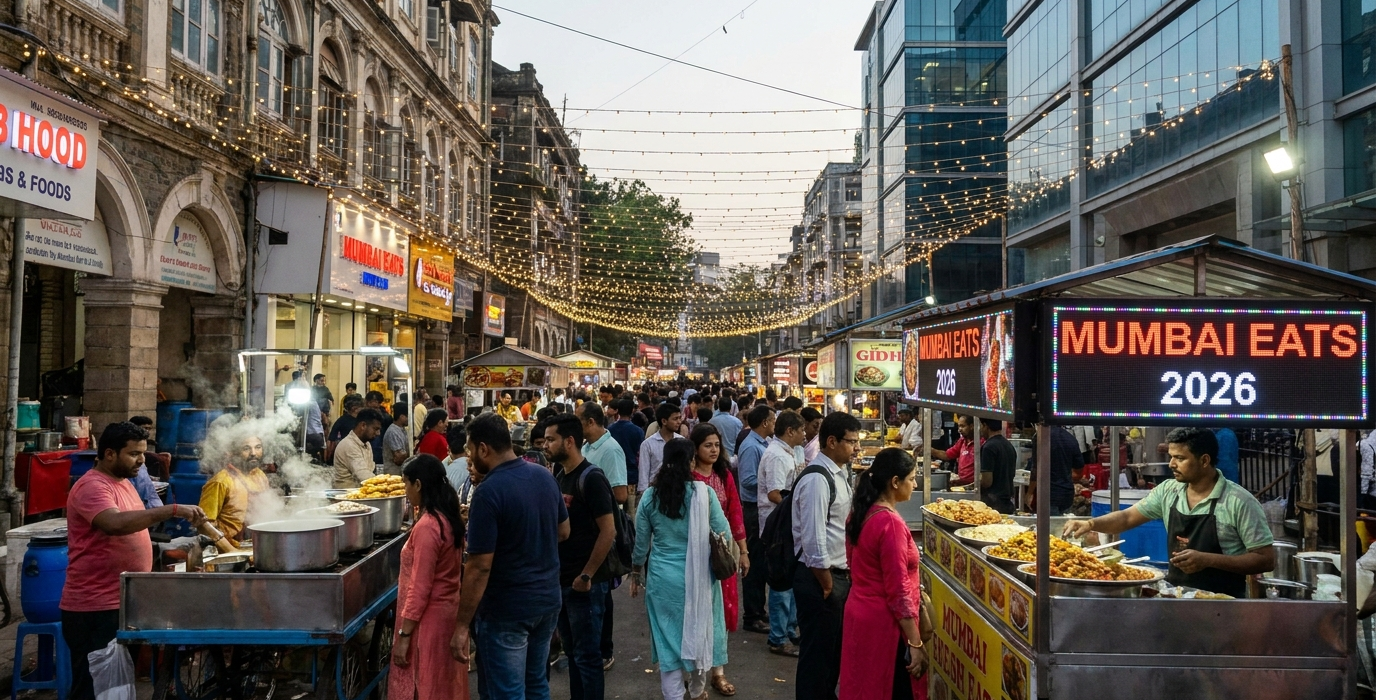
Mumbai’s heart beats in its bustling streets, and nowhere is this more evident than in its legendary street food. For 2026, the city’s hawkers and vendors are not just serving familiar comfort; they are orchestrating a vibrant culinary renaissance. This isn’t merely about survival; it’s about evolution, innovation, and a deep-seated pride in offering delicious, accessible food to millions. We’re seeing a fascinating blend of time-honoured recipes passed down through generations and exciting new twists that cater to contemporary tastes and health consciousness.
As you navigate the lanes of this mega-city, you’ll notice a renewed energy. From the iconic vada pav to the aromatic kebabs, each bite tells a story of Mumbai’s resilience and creativity. The street food landscape is a dynamic canvas, constantly repainted with new flavours and experiences. This year, we’re diving deep into what makes Mumbai’s street food so special and where you can find the most exciting offerings. Get ready to embark on a flavour journey that will tantalize your taste buds and showcase the enduring spirit of Mumbai.
The Evolved Vada Pav: More Than Just a Potato Patty
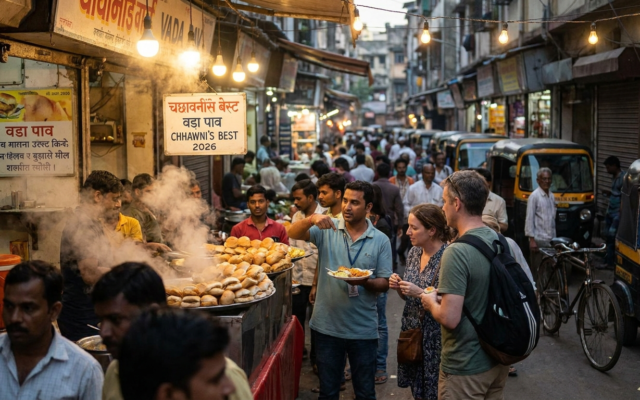
The vada pav, often called the “Mumbai burger,” remains an undisputed king of street food. But in 2026, this humble snack is undergoing a delightful transformation. While the classic version – a spiced potato fritter (vada) nestled in a soft bread roll (pav), served with chutneys – is still widely available and much loved, vendors are experimenting. You’ll find variations using different flours for the vada, incorporating exotic vegetables, or offering premium fillings. Think of beetroot or sweet potato vadas, or even a touch of cheese oozing from the centre.
The accompanying chutneys are also seeing a makeover. Beyond the fiery red garlic and tangy green coriander chutneys, some stalls are offering inventive dips. Imagine a spicy mango chutney, a creamy mint-coriander blend, or even a mild, yogurt-based raita for those seeking a cooler palate. This evolution ensures that the vada pav remains relevant and exciting, appealing to both traditionalists and adventurous foodies. It’s a testament to how a simple concept can adapt and thrive.
Beyond the Classic: Speciality Pavs Take Centre Stage
Many vendors are now offering a choice of pav. While the soft white pav is standard, you might find whole wheat, multigrain, or even lightly toasted versions. This caters to a growing demand for healthier options. The presentation, too, is subtly improving, with many vendors using cleaner packaging and more hygienic serving practices. It’s a welcome change that enhances the overall dining experience. The sheer variety now available means you can have a vada pav that perfectly suits your mood and dietary preferences.
One surprising trend we’ve observed is the rise of gourmet vada pav stalls in newer urban pockets. These outlets, often run by younger entrepreneurs, focus on premium ingredients and unique flavour combinations. They might use truffle oil-infused vadas or serve them with artisanal chutneys. This pushes the boundaries of what we expect from street food, elevating it to a new level of culinary exploration.
Mohammed Ali Road: Aromatic Delights Unveiled
As dusk settles over Mumbai, Mohammed Ali Road transforms into a gastronomic wonderland. This iconic stretch, particularly during festivals like Eid, is synonymous with succulent kebabs, rich curries, and decadent desserts. In 2026, the aroma of grilling meats and simmering spices continues to draw crowds, but with a noticeable emphasis on quality and variety. Vendors here have honed their craft over decades, perfecting recipes that are deeply rooted in Mughlai and North Indian culinary traditions.
You can expect to find everything from tender seekh kebabs, marinated chicken tikka, and fiery tandoori prawns to succulent lamb chops and flavourful biryanis. The magic lies in the marination and the slow-cooking process, which imbues the meats with incredible depth of flavour. Many stalls offer a generous sampling before you commit, allowing you to taste the authenticity and skill that goes into each dish. The energy of the place is infectious, with hawkers calling out their specialties and the sizzle of grills filling the air.
The Sweet Symphony: Desserts and More
No visit to Mohammed Ali Road is complete without indulging in its legendary sweets. Gulaab jamun, warm and syrupy, is a perennial favourite. But keep an eye out for other delights like phirni (rice pudding), malpua (sweet pancakes), and the creamy, rich rabri. Many vendors now offer fusion desserts, blending traditional Indian sweets with modern presentation or flavours. Think of rose-petal infused kulfi or a saffron-pistachio panna cotta.
A truly surprising fact we uncovered is the resurgence of older, lesser-known traditional desserts on Mohammed Ali Road. We found a vendor meticulously preparing a dish called ‘Shahjahani Kheer,’ a complex milk-based dessert with dried fruits and subtle spices, which is rarely found outside of very traditional homes. This commitment to preserving and showcasing heritage recipes adds another layer of richness to the culinary experience here. It’s a living museum of flavours.
Colaba Causeway: A Melting Pot of Tastes
Colaba Causeway, a vibrant artery in South Mumbai, has long been a hub for shoppers and food lovers alike. In 2026, its street food scene continues to offer a delightful mix of local favourites and international influences, reflecting the cosmopolitan nature of the area. Here, you can grab a quick bite before diving into the local markets or enjoy a leisurely meal with friends. The variety ensures there’s something to satisfy every craving, from spicy chaats to hearty rolls.
You’ll find classic Mumbai street food staples like bhel puri, sev puri, and pani puri, prepared with fresh ingredients and a generous hand. The vendors here are adept at balancing sweet, sour, spicy, and tangy flavours, creating an explosion in your mouth with every bite. Many also offer vegetarian and non-vegetarian rolls and sandwiches, filled with flavourful curries or grilled meats, perfect for a more substantial meal. The constant buzz of activity adds to the charm of eating here.
Global Flavours, Local Hands
What makes Colaba Causeway particularly interesting is its embrace of global flavours. Alongside Indian snacks, you’ll discover stalls selling falafel wraps, shawarmas, and even quick pasta dishes. These offerings are often adapted to local tastes, with spicier sauces or more familiar flavour profiles. It’s a testament to Mumbai’s ability to absorb and adapt culinary trends from around the world, making them accessible and delicious for everyone.
Interestingly, we’ve noted an increase in vendors offering plant-based and vegan options. Following global trends, many chaat vendors now offer dairy-free yogurt for their dahi puri or use exclusively vegetable-based ingredients for their bhel. This makes the Causeway an even more inclusive food destination for 2026. The easy availability of these options means you don’t have to compromise on taste or experience.
Emerging Hubs: Bandra and Andheri’s Culinary Canvas
While the established names continue to shine, the street food scene in Mumbai is constantly expanding. Newer hubs in suburbs like Bandra and Andheri are emerging as exciting destinations for culinary exploration in 2026. These areas, with their younger populations and trendy café culture, are giving rise to innovative street food concepts that blend urban cool with authentic flavours. You’ll find a more curated approach here, often with a focus on presentation and unique ingredients.
In Bandra, particularly around areas like Pali Naka and Carter Road, you’ll discover vendors specializing in gourmet burgers, artisanal sandwiches, and fusion tacos. These aren’t your typical street food fare; they are crafted with attention to detail, often featuring unique sauces, homemade pickles, and high-quality produce. The vibe is more relaxed, with many stalls offering seating areas or partnering with nearby cafes. It’s a different kind of street food experience, more akin to an open-air food court.
Andheri’s Diverse Palette: From Rolls to Momos
Andheri, a sprawling suburb, offers a remarkably diverse street food palette. The areas around Lokhandwala Complex and Juhu are particularly vibrant. Here, you can find everything from classic Mumbai street snacks to popular North Indian staples like momos and rolls. The quality is consistently high, and the prices remain affordable, making it a favourite among students and young professionals.
A surprising observation in these emerging hubs is the emphasis on artisanal beverages. Alongside the food, you’ll find vendors selling freshly brewed cold coffees, elaborate milkshakes, and healthy fruit smoothies. These complement the food offerings perfectly and add another dimension to the street food experience. Many are also embracing sustainable practices, using biodegradable packaging and sourcing local ingredients wherever possible. This forward-thinking approach is setting a new standard for street food in Mumbai.
Hygiene and Innovation: The Future of Mumbai Street Food
One of the most significant and welcome developments in Mumbai’s street food scene for 2026 is the noticeable improvement in hygiene standards. While the charm of street food often lies in its raw, unpretentious nature, there’s a growing awareness and commitment among vendors towards cleanliness and food safety. Many are investing in better equipment, maintaining cleaner workspaces, and adopting more hygienic serving practices. This makes enjoying your favourite snacks a much more comfortable and reassuring experience.
This increased focus on hygiene is not just about cleanliness; it’s about professionalism. It allows street food to shed any lingering negative perceptions and be recognized for the high-quality, diverse culinary offerings it truly is. You’ll see more vendors using gloves, hairnets, and proper storage for ingredients. This evolution is crucial for attracting a wider customer base and ensuring the long-term sustainability of this vibrant industry.
The Tech-Enabled Street Vendor
Beyond physical hygiene, we’re also seeing the integration of technology. Some vendors are now accepting digital payments, making transactions quicker and more convenient. You might even find QR codes at some stalls displaying their menu or information about their ingredients. This blend of tradition and technology is a hallmark of Mumbai’s dynamic spirit. It shows a willingness to adapt to the changing times while staying true to their roots.
“Mumbai’s street food is an edible metaphor for the city itself: vibrant, chaotic, ever-evolving, and utterly irresistible.”
The spirit of innovation extends to the very core of their offerings. From healthier cooking methods to novel flavour combinations, Mumbai’s street food vendors are proving to be remarkably adaptable entrepreneurs. They are not just reacting to trends; they are actively shaping them, ensuring that the street food experience remains fresh, exciting, and deeply satisfying for everyone who ventures to explore it. This continuous drive for improvement is what truly defines the street food renaissance of 2026.
Frequently Asked Questions
Where can I find the best vada pav in Mumbai in 2026?
While ‘best’ is subjective, iconic spots like Ashok Vada Pav in Dadar and Ganesh Vada Pav in Juhu remain popular. For newer, innovative takes, explore the emerging hubs in Bandra and Andheri. Look for vendors with long queues and fresh ingredients – they’re usually a good sign!
Is street food in Mumbai safe to eat in 2026?
Hygiene standards have improved significantly. Look for vendors who maintain clean stalls, use fresh ingredients, and handle food hygienically. Many popular spots now offer safer serving practices. It’s always wise to observe the vendor’s practices before ordering.
What are the must-try street foods in Mumbai besides vada pav?
You must try pav bhaji, pani puri, bhel puri, sev puri, dahi puri, kebabs (especially at Mohammed Ali Road), and rolls. For dessert, indulge in gulab jamun or phirni. The variety is immense, so be adventurous!
Are there good vegan or vegetarian street food options in Mumbai?
Absolutely. Mumbai’s street food is rich in vegetarian options. Many chaat items are naturally vegetarian. You’ll also find delicious vegetable rolls, dosas, and specialized vegetarian dishes. Increasingly, vendors are offering vegan alternatives for dairy-based items.