Key Takeaways
- India is leveraging the 2026 G20 Summit to spotlight its advancements in green technology, from solar energy to sustainable agriculture.
- The summit presents a crucial platform for India to forge international partnerships and attract investment for its ambitious climate goals.
- Expect discussions on crucial areas like renewable energy adoption, circular economy models, and climate-resilient infrastructure.
- Beyond policy, India’s focus extends to grassroots innovations and the role of traditional practices in achieving sustainability.
India Takes Centre Stage: The Green Imperative at G20 2026
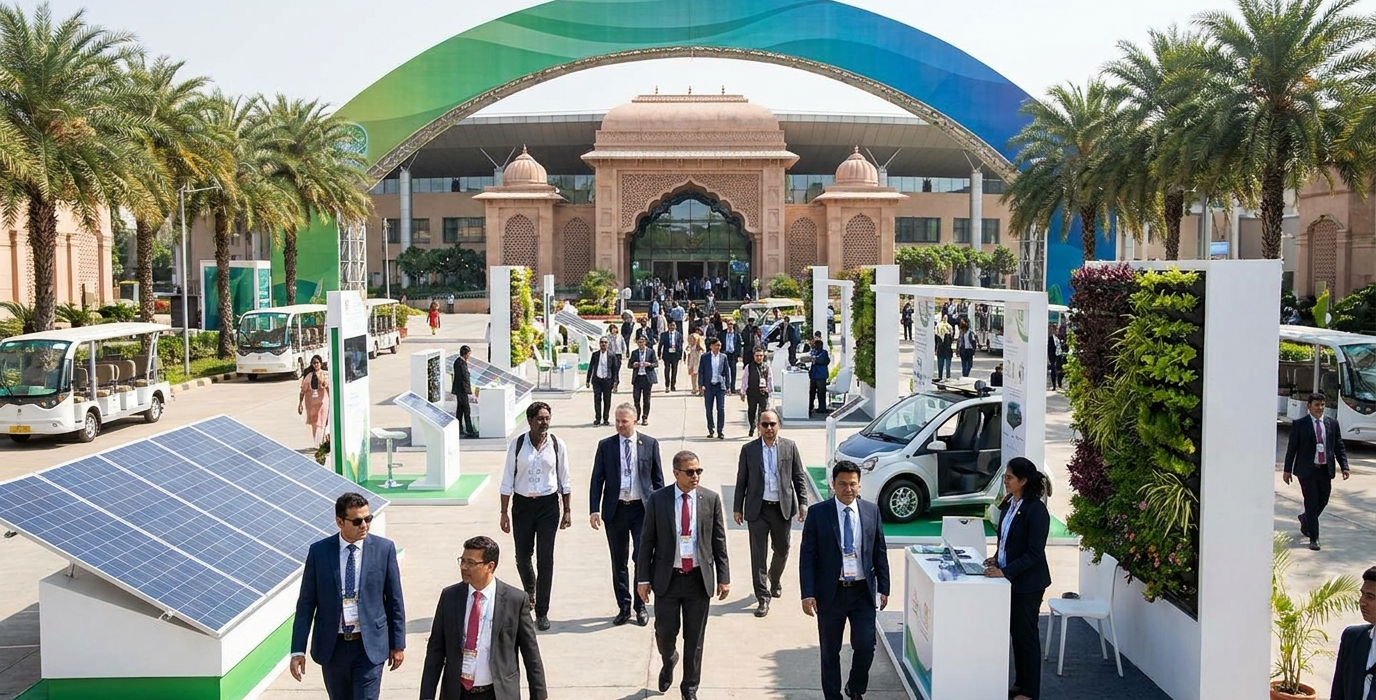
As the world’s leaders convene for the G20 Summit in 2026, India is poised to be more than just a host nation; it’s stepping up as a global advocate for urgent climate action and a showcase for its burgeoning green technology sector. This isn’t merely about rhetoric; it’s about tangible solutions and a commitment to a sustainable future that resonates far beyond the conference halls. From the sun-drenched plains of Rajasthan to the innovative labs in Bengaluru, India’s journey towards environmental stewardship is gaining significant momentum.
The G20, representing 80% of the world’s GDP and two-thirds of its population, is the ultimate platform to influence global policy and investment. India understands this power and is strategically using the 2026 summit to highlight its own successes and chart a collaborative path forward. You’ll see a strong emphasis on how developing nations can leapfrog traditional, polluting development models and embrace cleaner alternatives. It’s a critical moment for India to not only demonstrate its capabilities but also to inspire a global shift.
The agenda is packed, with sustainability at its core. Expect deep dives into renewable energy targets, the circular economy, climate finance, and resilient infrastructure. India’s approach is multifaceted, aiming to foster international cooperation while also solidifying its position as a leader in the green tech revolution. We are witnessing a proactive stance, driven by both necessity and opportunity.
Powering the Future: India’s Renewable Energy Prowess
India’s commitment to renewable energy is not just an aspiration; it’s a rapidly unfolding reality that will be a central theme at the G20 2026 Summit. Our nation has made extraordinary strides in solar and wind power, becoming a global leader in installed capacity. We’ve seen ambitious targets set and often surpassed, driven by a combination of government policy, technological innovation, and a growing private sector commitment.
The sheer scale of India’s solar installations is breathtaking. Projects like the Bhadla Solar Park in Rajasthan, one of the largest in the world, are testaments to our capability. Beyond large-scale projects, there’s a significant push towards decentralized solar solutions, empowering rural communities and reducing reliance on fossil fuels. This focus on accessibility and affordability is a key part of India’s sustainability narrative.
Wind energy also plays a vital role. States like Tamil Nadu and Gujarat are at the forefront of wind power generation, harnessing the natural resources available. The G20 summit will be an opportunity to share these successes and explore how other nations can replicate them. We’ll be looking at innovations in energy storage, grid modernization, and the integration of renewables to ensure a stable and reliable power supply for all. This isn’t just about generating clean energy; it’s about building an entire ecosystem for a sustainable energy future.
Innovation Hubs Driving Green Solutions
India’s innovation ecosystem is a fertile ground for green technology breakthroughs. Cities like Bengaluru, Pune, and Hyderabad are emerging as hubs for research and development in areas such as battery storage, electric mobility, and smart grid technologies. These advancements are crucial for supporting the transition to renewable energy and creating more sustainable urban environments.
We are seeing a surge in startups and established companies developing cutting-edge solutions. This includes everything from advanced solar panel manufacturing to software platforms that optimize energy consumption. The G20 will provide a platform for these innovators to connect with global investors and potential partners, accelerating the deployment of these technologies worldwide. It’s a testament to India’s growing capability in creating and scaling sustainable solutions.
Sustainable Agriculture: Feeding the Nation, Protecting the Planet
The agricultural sector, the backbone of India’s economy, is also undergoing a green transformation. With a significant portion of our population dependent on farming, ensuring its sustainability is paramount. The G20 2026 Summit will highlight India’s efforts to promote climate-resilient agriculture, reduce water usage, and minimize the environmental impact of food production.
We are witnessing a growing adoption of organic farming practices, reducing the reliance on chemical fertilizers and pesticides that can harm soil health and water bodies. Initiatives promoting crop diversification and water-efficient irrigation techniques, such as drip irrigation, are gaining traction, especially in water-stressed regions. These methods are not only environmentally sound but also improve crop yields and farmer livelihoods.
A surprising fact is India’s leadership in millets. These ancient grains, known for their drought resistance and nutritional value, are being actively promoted as a climate-smart crop. The “International Year of Millets” in 2023, championed by India, has paved the way for wider cultivation and consumption, offering a sustainable alternative to water-intensive crops like rice and wheat. This focus on indigenous, resilient crops is a key aspect of India’s agricultural sustainability strategy that will be showcased.
The Role of Traditional Knowledge in Modern Farming
India is also looking to its rich heritage for agricultural solutions. Traditional farming methods, passed down through generations, often incorporate principles of ecological balance and resource conservation. Integrating these time-tested practices with modern scientific advancements is proving to be a powerful approach to building a resilient agricultural system.
For instance, natural farming techniques, which emphasize the use of cow dung, urine, and other organic materials, are seeing a resurgence. These methods not only improve soil fertility but also reduce the need for external inputs, making farming more economical for smallholder farmers. The G20 summit will offer a unique opportunity to share these insights and demonstrate how traditional wisdom can contribute to global food security and environmental protection.
Circular Economy: Closing the Loop on Waste
The concept of a circular economy, where resources are kept in use for as long as possible, is gaining significant traction in India, and it will be a central discussion point at the G20 2026 Summit. Moving away from the linear “take-make-dispose” model is crucial for managing our growing waste streams and conserving precious natural resources.
India is actively exploring innovative ways to design, produce, and consume products that minimize waste. This includes promoting recycling, upcycling, and the development of biodegradable materials. We’re seeing a growing awareness among consumers and businesses about the importance of responsible consumption and production. Government policies are also evolving to support industries that adopt circular economy principles.
A particularly interesting area is the focus on waste-to-energy projects and the valorization of industrial by-products. Cities like Indore have demonstrated success in waste management, setting a benchmark for others. The G20 summit will be a platform to share these best practices and foster international collaboration in developing robust circular economy frameworks. This is about creating a system where waste is not an end-product but a valuable resource for new beginnings.
Innovative Waste Management Solutions
From plastic waste recycling to the conversion of agricultural residue into valuable products, India is at the forefront of developing and implementing innovative waste management solutions. The focus is on creating closed-loop systems that benefit both the environment and the economy. This includes developing advanced recycling technologies and promoting the use of recycled materials in manufacturing.
The potential for job creation within the circular economy is immense. By rethinking our approach to waste, India can unlock new economic opportunities while simultaneously addressing pressing environmental challenges. This shift is vital for building a truly sustainable and resource-efficient future for the nation and the world.
Climate-Resilient Infrastructure: Building for Tomorrow’s Challenges
As climate change poses increasing threats, building infrastructure that can withstand extreme weather events is no longer an option, but a necessity. India’s focus at the G20 2026 Summit will heavily lean towards developing and implementing climate-resilient infrastructure across the nation.
This involves incorporating designs and materials that can endure rising sea levels, more frequent flooding, and intense heatwaves. From coastal protection projects in Kerala to drought-resistant urban planning in arid regions, the approach is holistic. It’s about ensuring that our development gains are not eroded by the impacts of climate change.
We are seeing significant investment in smart cities that are designed with sustainability and resilience in mind. This includes integrated public transportation systems, green buildings, and efficient water management. The goal is to create urban environments that are not only livable but also capable of adapting to future environmental shifts. This proactive approach is what India aims to showcase on the global stage.
Smart Cities and Green Buildings
The development of smart cities across India is intrinsically linked to building resilient infrastructure. These urban centers are designed to optimize resource use, reduce carbon emissions, and enhance the quality of life for their residents. Green building standards are becoming increasingly prevalent, emphasizing energy efficiency, water conservation, and the use of sustainable materials.
The synergy between technological innovation and infrastructure development is key. We’re looking at smart grids that can better manage energy demand and supply, and intelligent transportation systems that reduce congestion and emissions. These efforts are crucial for future-proofing our cities and ensuring sustainable development for generations to come.
International Collaboration: Forging Green Partnerships
The G20 Summit 2026 is a pivotal moment for India to strengthen its international partnerships and forge new alliances in the realm of green technology and climate action. The challenges of climate change are global, and India recognizes that collaborative solutions are essential.
India is actively seeking collaborations in areas such as renewable energy research and development, sustainable finance, and the transfer of green technologies. The aim is to learn from global best practices while also sharing its own expertise and innovations. This two-way exchange is vital for accelerating the global transition to a low-carbon economy.
We will see a strong emphasis on climate finance, with India advocating for greater access to funding for developing nations to pursue their climate goals. This includes mobilising both public and private sector investments. By working together, we can create a more equitable and sustainable world. India’s proactive stance at the summit underscores its commitment to being a responsible global citizen.
Attracting Green Investment
India’s rapidly growing green technology sector presents significant opportunities for international investors. The G20 summit provides a platform to showcase these opportunities and attract the capital needed to scale up sustainable projects. This includes investments in solar and wind energy, electric vehicles, green hydrogen, and sustainable manufacturing.
The government is committed to creating a conducive environment for green investment through policy reforms and incentives. By fostering a stable and predictable regulatory framework, India aims to become a preferred destination for global capital seeking to contribute to a sustainable future. This collaborative approach is key to achieving the ambitious climate targets set by nations worldwide.
Frequently Asked Questions
What are India’s primary green technology focus areas for the G20 2026 Summit?
India is primarily focusing on renewable energy (solar and wind), sustainable agriculture, circular economy models, and climate-resilient infrastructure. The goal is to showcase advancements and foster international collaboration in these key areas.
How is India promoting sustainable agriculture?
India is promoting sustainable agriculture through organic farming, water-efficient irrigation, crop diversification, and a renewed focus on indigenous crops like millets. Traditional farming knowledge is also being integrated with modern techniques.
What is India’s approach to waste management and the circular economy?
India is moving towards a circular economy by focusing on waste reduction, recycling, upcycling, and the development of biodegradable materials. Innovative waste-to-energy projects and the valorization of industrial by-products are also key components.
What role does international collaboration play in India’s green tech strategy?
International collaboration is crucial for India to share expertise, learn from global best practices, and attract investment for its green technology initiatives. The G20 summit serves as a vital platform for forging these partnerships and securing climate finance.