Key Takeaways
- The Indian startup ecosystem in 2026 is showcasing remarkable growth beyond established tech hubs, with Tier 2 and Tier 3 cities emerging as innovation hotspots.
- Investment trends are favouring deep tech, climate solutions, and sustainable businesses, reflecting a global shift towards impact-driven ventures.
- Valuations are becoming more rational, with a focus on sustainable unit economics and clear paths to profitability rather than hyper-growth at any cost.
- Government initiatives and a growing pool of angel investors are crucial enablers, fostering a supportive environment for early-stage companies.
The Shifting Sands of Indian Startup Success
As we navigate the latter half of 2026, the Indian startup landscape is a vibrant tapestry of innovation, resilience, and strategic evolution. Gone are the days when a flashy app and a lofty valuation were enough to capture investor attention. Today, the focus has sharpened, demanding robust business models, tangible impact, and a clear vision for sustainable growth. We’re witnessing a maturation of the ecosystem, where founders are not just chasing unicorns but building enduring businesses that address real-world challenges.
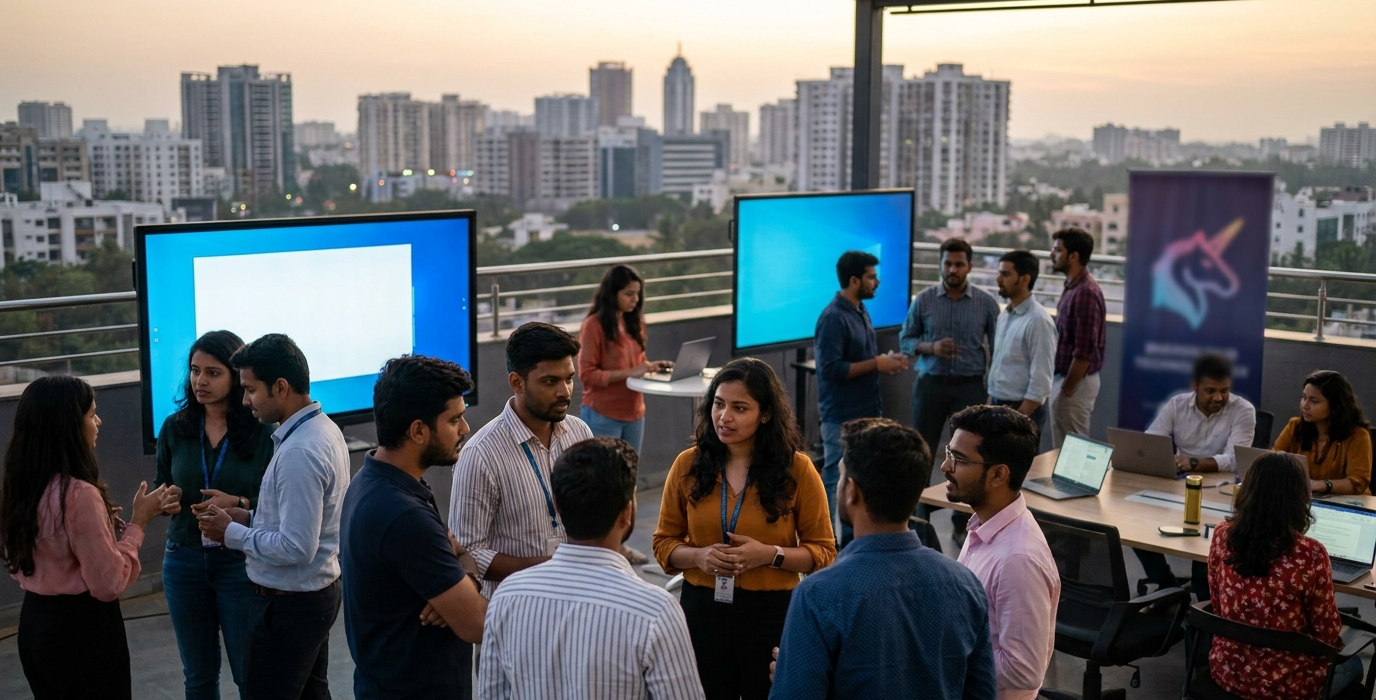
This year, the narrative is increasingly about depth, not just breadth. While Bengaluru, Delhi NCR, and Mumbai continue to be epicentres of venture capital activity, a significant undercurrent of innovation is bubbling up from Tier 2 and Tier 3 cities. Places like Indore, Coimbatore, and Visakhapatnam are quietly nurturing groundbreaking ideas, often supported by local angel networks and state-level incubation programs. These emerging hubs are a testament to the democratisation of entrepreneurship in India, proving that talent and opportunity are no longer confined to the traditional metropolises.
For aspiring entrepreneurs and seasoned investors alike, understanding these shifts is paramount. The strategies that worked in 2023 are not necessarily the ones that will guarantee success in 2026. We need to look beyond the headlines and delve into the fundamental drivers of this evolving ecosystem. This includes understanding the new sectors attracting capital, the changing investor sentiment, and the critical role of policy in shaping the future of Indian entrepreneurship. It’s an exciting time to be a part of this dynamic journey.
Deep Tech and Sustainability: The New Investment Darlings
The most striking trend defining Indian startups in 2026 is the decisive pivot towards deep technology and sustainability. Investors are no longer shy about backing ventures that require significant R&D, long gestation periods, and scientific breakthroughs. This includes artificial intelligence (AI) and machine learning (ML) applications that go beyond consumer-facing apps, delving into industrial automation, advanced analytics, and specialised healthcare solutions. Think of AI-powered drug discovery platforms or ML algorithms optimising agricultural yields in rural India.
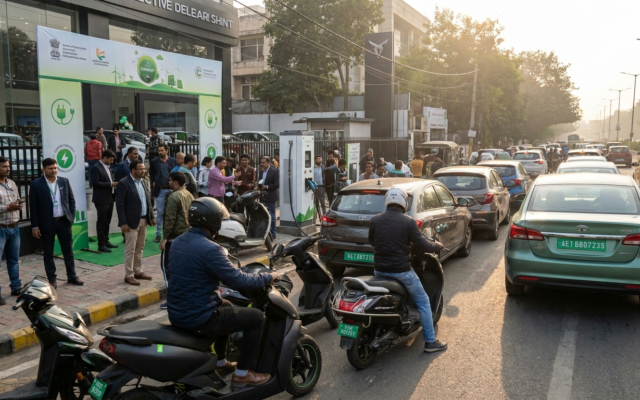
Equally captivating is the surge in climate tech and sustainable businesses. From advanced battery technologies for electric vehicles to novel waste management solutions and renewable energy optimisation platforms, startups addressing environmental concerns are attracting substantial capital. The urgency of climate change, coupled with government policy push and growing consumer awareness, has created a fertile ground for these companies. We’re seeing a demand for solutions that not only offer environmental benefits but also demonstrate strong economic viability.
A surprising fact emerging this year is the rise of agri-tech innovations powered by AI and IoT in regions like Punjab and Haryana. These aren’t just about precision farming anymore; they’re about developing biodegradable packaging from agricultural waste and creating carbon sequestration solutions directly applicable to Indian soil types. These ventures often benefit from local agricultural expertise and a deep understanding of the rural economy, giving them a unique competitive edge. The confluence of technological advancement and environmental responsibility is truly redefining what a successful startup looks like.
Beyond the Hype: Valuations and Unit Economics
The era of sky-high, often unsustainable, valuations is gradually giving way to a more pragmatic approach in 2026. Venture capital firms and angel investors are increasingly scrutinising unit economics and demonstrating clear, achievable paths to profitability. This doesn’t mean growth is not important; rather, it’s about understanding how that growth is achieved and whether it’s financially sound in the long run. Founders are being pressed to showcase not just user acquisition numbers but also customer lifetime value (CLTV) and customer acquisition cost (CAC) ratios.
This shift is partly a response to the global economic climate and a recalibration of investor expectations. The focus is now on building businesses that are resilient and can weather economic downturns. Companies with recurring revenue models, strong customer retention, and efficient operational structures are finding it easier to secure funding. Investors are looking for businesses that can stand on their own feet, not just those perpetually reliant on external capital injections.
This more grounded approach to valuation is, in many ways, a positive development for the ecosystem. It encourages a more disciplined approach to business building and fosters a culture of financial responsibility among startups. For entrepreneurs, it means a greater emphasis on building a genuinely valuable product or service that customers are willing to pay for consistently. This rationalisation is essential for the long-term health and stability of India’s startup economy.
The Rise of the ‘Bharat’ Startup: Innovation Beyond Metros
The geographical expansion of India’s startup ecosystem is one of the most exciting developments of 2026. While Bengaluru, Delhi NCR, and Mumbai remain significant hubs, we’re seeing a remarkable surge of innovation emanating from Tier 2 and Tier 3 cities. Cities like Ahmedabad, Pune, Jaipur, and even smaller towns are becoming incubators for promising new ventures. This decentralisation is driven by several factors, including lower operational costs, access to a wider talent pool, and focused government initiatives.
State governments are playing a crucial role through incubation centres, seed funding schemes, and dedicated innovation policies. For instance, the Gujarat government’s focus on incentivising startups in emerging sectors like renewable energy and specialty chemicals is yielding tangible results. Similarly, the Andhra Pradesh government’s efforts to foster tech talent in cities like Visakhapatnam are creating new opportunities for local entrepreneurs.
A particularly interesting phenomenon is the emergence of niche industry clusters in these smaller cities. For example, Coimbatore is solidifying its reputation as a hub for advanced manufacturing and industrial automation startups, leveraging its existing industrial base. Likewise, a cluster of agri-tech and food processing startups is gaining traction in states like Punjab and Haryana, addressing local agricultural needs. This diversification is not just about geographical spread; it’s about tapping into unique regional strengths and addressing specific local market demands, creating a more inclusive and robust entrepreneurial ecosystem.
Government and Policy: Catalysts for Growth
The Indian government’s commitment to fostering a conducive environment for startups continues to be a significant catalyst for growth in 2026. Initiatives like Startup India, with its focus on simplification, funding, and incubation, are maturing and demonstrating tangible impact. We’re seeing continuous efforts to streamline regulatory processes, making it easier for entrepreneurs to register businesses, access capital, and comply with norms. The reduction in compliance burdens for early-stage companies has been particularly welcomed.
The Startup India Seed Fund Scheme, aimed at providing financial assistance to early-stage startups, continues to be a critical source of early-stage capital. Beyond central government initiatives, many state governments have introduced their own bespoke policies, offering grants, tax incentives, and co-working spaces. These localised efforts are crucial in nurturing regional innovation ecosystems and addressing the specific needs of startups in different geographies.
A noteworthy development is the increased emphasis on intellectual property (IP) protection and commercialisation support. Programs designed to help startups navigate the patenting process and leverage their IP for funding and market access are gaining traction. This focus on intangible assets is crucial for deep tech and knowledge-intensive startups that form a growing part of the Indian innovation landscape. The synergistic relationship between government policy and entrepreneurial ambition is creating a powerful flywheel for sustained growth.
The Future is Here: Identifying Tomorrow’s Giants
Identifying the next wave of Indian unicorns requires looking beyond the obvious and delving into sectors with long-term potential and societal impact. While FinTech and E-commerce continue to be strong performers, the real excitement in 2026 lies in areas like HealthTech, EdTech (with a focus on upskilling and lifelong learning), and SaaS (Software as a Service) for specific industry verticals.
HealthTech startups are leveraging AI for diagnostics, personalised medicine, and remote patient monitoring, addressing India’s vast healthcare needs. Similarly, EdTech is evolving from basic online courses to immersive learning experiences and skill-based training platforms catering to the rapidly changing job market. In the SaaS domain, we’re seeing hyper-specialised solutions for sectors like logistics, manufacturing, and agriculture, providing critical digital tools to businesses of all sizes.
A truly surprising insight this year is the rapid adoption of AI-powered conversational agents by small and medium enterprises (SMEs) in states like Gujarat and Maharashtra for customer service and internal operations. These are not enterprise-level solutions but accessible, affordable tools that are significantly boosting productivity for businesses that previously lacked the resources for such advanced technology. This widespread adoption at the SME level indicates a deeper integration of technology into the fabric of Indian business, paving the way for future giants.
Investor Sentiment and the Global Context
Investor sentiment in 2026 is marked by a cautious optimism, tempered by global economic uncertainties. While the dry powder available for investment remains substantial, there’s a greater emphasis on due diligence, valuation discipline, and clear exit strategies. Venture capitalists are looking for companies with strong fundamentals, resilient business models, and a proven ability to generate revenue.
The global slowdown has certainly influenced funding rounds, leading to more realistic valuations and longer fundraising cycles for some. However, it has also spurred innovation, forcing startups to become more capital-efficient and focused on sustainable growth. This period of recalibration is essential for building a more robust and sustainable startup ecosystem in the long term.
Interestingly, Indian startups are increasingly looking beyond domestic capital, exploring opportunities with global venture funds and even eyeing international markets for expansion. This outward-looking approach is a sign of maturity and ambition, reflecting India’s growing stature as a global innovation hub. As these companies scale, they are not only creating economic value but also showcasing Indian ingenuity on the world stage.
Beyond the Valuation Game: Building Enduring Businesses
The conversations around startups in 2026 are less about hyper-growth metrics and more about building companies that deliver lasting value. This involves a deeper understanding of customer needs, a commitment to ethical business practices, and a focus on creating a positive impact on society. Founders are increasingly aware that true success lies not just in an exit event but in the long-term sustainability and influence of their ventures.
This shift is also evident in the types of problems startups are choosing to solve. We’re seeing a rise in ventures tackling critical social issues, from affordable healthcare access and quality education to clean water and sustainable livelihoods. These companies are often driven by a strong sense of purpose, attracting talent and customers who share similar values. This purpose-driven approach is becoming a key differentiator in a crowded market.
Furthermore, the emphasis on building strong organisational cultures is growing. Founders are recognising that attracting and retaining top talent, especially in a competitive market, requires more than just high salaries. It involves creating an environment that fosters innovation, collaboration, and employee well-being. This focus on human capital is fundamental to building any enduring business, and it’s a trend we expect to see accelerate in the coming years.
Frequently Asked Questions
What are the key sectors attracting significant investment in Indian startups in 2026?
The primary sectors attracting major investment in 2026 are deep technology (AI, ML, IoT), climate tech and sustainability, HealthTech, EdTech (focusing on upskilling), and specialised SaaS solutions for various industries. There’s a growing preference for ventures with demonstrable impact and clear paths to profitability.
Are valuations still as high as they were in previous years?
No, valuations in 2026 are generally more rational. Investors are placing a stronger emphasis on sustainable unit economics, customer lifetime value, and profitability rather than solely on rapid growth at any cost. This reflects a more mature and disciplined investment landscape.
What role are Tier 2 and Tier 3 cities playing in India’s startup ecosystem?
Tier 2 and Tier 3 cities are emerging as significant innovation hotspots in 2026. Driven by lower costs, access to talent, and supportive government policies, cities like Indore, Coimbatore, and Visakhapatnam are nurturing a new generation of startups, diversifying the geographical spread of entrepreneurship.
How is government policy impacting the startup environment in 2026?
Government policies, including initiatives like Startup India, continue to be crucial. Efforts focus on simplifying regulations, providing seed funding, supporting IP protection, and offering incentives at both the central and state levels. These measures aim to create a more streamlined and supportive ecosystem for entrepreneurs.
What is the outlook for Indian startups looking to secure funding in the current climate?
The outlook is cautiously optimistic. While global economic factors have led to more prudent investment strategies, substantial capital is still available. Startups with strong fundamentals, clear revenue models, and a focus on profitability are best positioned to secure funding. Fundraising may take longer, with greater emphasis on due diligence.