Key Takeaways
- India is rapidly emerging as a prime destination for digital nomads in 2026, driven by evolving visa policies and a burgeoning co-working infrastructure.
- Cities like Goa, Rishikesh, and Dharamshala offer unique cultural experiences alongside robust digital connectivity, making them popular choices.
- The economic benefits extend beyond nomads, fostering local entrepreneurship and a demand for specialized services, from co-living spaces to international cuisine.
- Navigating India as a nomad requires understanding local customs, managing finances effectively, and leveraging digital tools for seamless integration.
India: The New Global Nexus for the ‘Work From Anywhere’ Generation
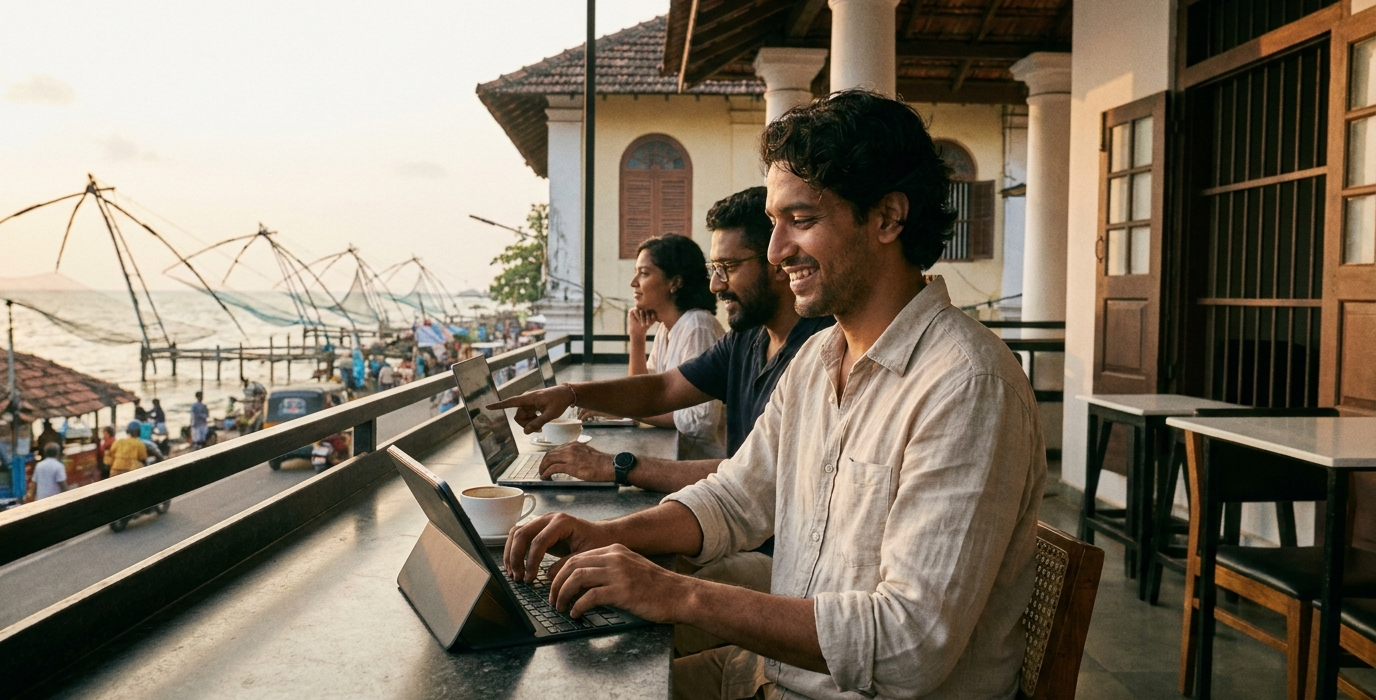
The year 2026 marks a significant pivot for India’s role in the global digital nomad landscape. What was once a niche dream is now a tangible reality, with the subcontinent rapidly transforming into a magnet for remote professionals seeking a blend of exotic culture, affordability, and increasingly, world-class digital infrastructure. This shift isn’t just about finding a Wi-Fi signal; it’s about a deeper integration into a vibrant tapestry of local life, fueled by forward-thinking policies and a growing ecosystem designed to cater to this mobile workforce.
From the sun-drenched beaches of Goa to the serene mountain retreats of Himachal Pradesh, India offers a diverse palette of experiences that resonate with the modern nomad. We’re seeing a conscious effort from various states to attract these professionals, recognizing the economic and cultural stimulus they bring. This article delves into why India has become the go-to destination for those looking to redefine their work-life balance, and what you need to know to make your Indian adventure a resounding success.
The allure is undeniable: a chance to immerse yourself in ancient traditions while contributing to the modern economy, all without being tethered to a traditional office. This is more than just a trend; it’s a movement, and India is at its forefront.
Visa Policies and Infrastructure: Paving the Way for Nomadic Arrivals
A critical factor accelerating India’s appeal to digital nomads in 2026 is the evolution of its visa regulations. While a dedicated ‘digital nomad visa’ is still in its nascent stages of discussion and implementation across different states, the existing visa framework is being increasingly interpreted and adapted to facilitate longer stays for remote workers. Many professionals are successfully leveraging tourist visas for extended periods, coupled with visa extension procedures where applicable. The key is meticulous planning and understanding the nuances of the Indian immigration system.
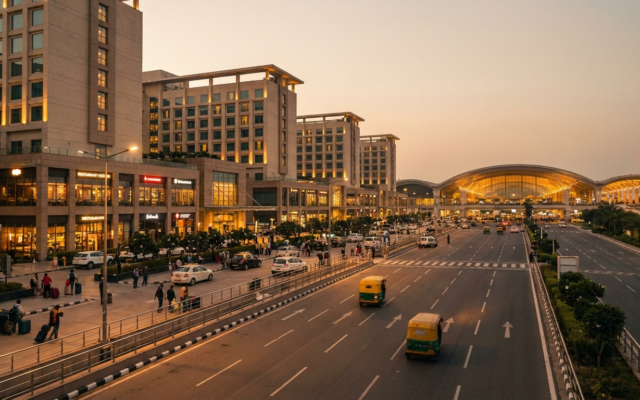
Beyond visas, the physical and digital infrastructure is catching up at an unprecedented pace. Major cities and popular tourist hubs now boast an impressive array of co-working spaces, offering reliable internet, comfortable workstations, and networking opportunities. Places like Bengaluru, often dubbed India’s Silicon Valley, continue to lead with its established tech ecosystem, but smaller towns are rapidly developing their own unique co-working scenes. Think of vibrant hubs in tranquil settings, blending productivity with peace.
The government’s focus on improving digital connectivity nationwide, including expanding 5G networks and enhancing broadband penetration, directly benefits remote workers. This commitment ensures that even in more remote locations, reliable internet is becoming the norm, not the exception. We are witnessing a proactive approach to building an environment conducive to sustained remote work, making India an increasingly attractive proposition for a global audience.
Top Destinations: Where Culture Meets Connectivity
India’s vastness offers a bewildering array of choices for digital nomads, but certain regions have truly captured the imagination. Goa remains a perennial favorite, particularly its northern districts like Anjuna and Vagator, which have long been magnets for international travelers and now host a thriving community of remote workers. The laid-back vibe, beautiful beaches, and a surprisingly robust co-working and co-living scene make it an ideal place to balance work and relaxation.
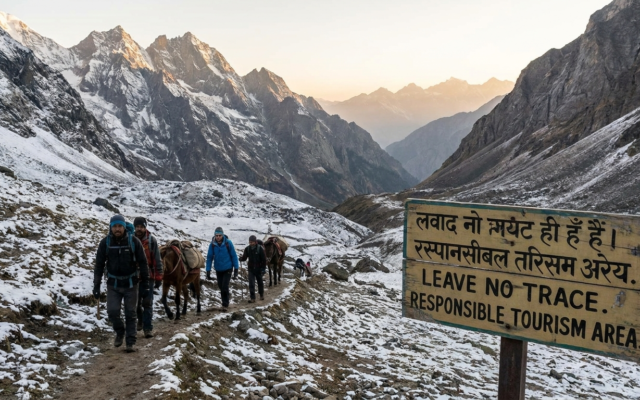
Further north, nestled in the Himalayan foothills, Rishikesh offers a different kind of allure. Known as the “Yoga Capital of the World,” it provides a serene environment perfect for mindfulness and productivity. Several co-working spaces have sprung up here, catering to a community seeking spiritual and personal growth alongside their professional endeavors. The vibrant ashram life and the majestic Ganges River add an unparalleled dimension to the remote work experience.
Another Himalayan gem, Dharamshala (and its lower part, McLeod Ganj), home to the Dalai Lama and the Tibetan government-in-exile, offers a unique cultural immersion. The crisp mountain air, stunning views, and the peaceful ambiance foster a conducive environment for focused work. This region is also seeing a growth in cozy cafes and dedicated co-working spots, attracting those who appreciate a blend of introspection and global connection. These destinations are not just places to work; they are places to live and breathe a different rhythm of life.
Beyond the Screen: Economic and Social Impact
The influx of digital nomads in 2026 is creating a ripple effect across India’s economy and social fabric, extending far beyond the immediate needs of the remote workers themselves. Local economies are experiencing a tangible boost, with increased demand for goods and services. This ranges from accommodation and food to local crafts and transportation. Entrepreneurs are seizing opportunities, with many opening new cafes, co-living spaces, and service providers tailored to this mobile demographic.
This phenomenon is also fostering a unique cultural exchange. Nomads bring diverse perspectives, skills, and ideas, contributing to a vibrant cross-pollination of cultures. Local communities, in turn, offer rich traditions, hospitality, and a unique way of life. This mutual exchange enriches both the visitors and the hosts, leading to more integrated and understanding societies. We’re seeing a genuine appreciation for local customs and a desire from nomads to contribute positively to their temporary homes.
A surprising aspect of this trend is the emergence of niche industries supporting this lifestyle. Think of specialized travel agencies catering to nomads, offering extended stay packages, or local artisans creating products specifically for this demographic. Furthermore, the demand for international cuisine and diverse entertainment options is pushing local businesses to innovate and expand their offerings, leading to a more cosmopolitan feel in these popular nomad hubs.
Navigating the Indian Nomad Experience: Practicalities and Pitfalls
For any digital nomad planning a sojourn in India in 2026, a pragmatic approach is crucial for a smooth and rewarding experience. Firstly, internet connectivity is paramount. While improving, it can still be inconsistent in remote areas. Investing in a reliable local SIM card with a generous data plan, and having a portable Wi-Fi hotspot as a backup, is highly recommended. Researching the specific connectivity of your chosen accommodation and co-working spaces beforehand is essential.
Secondly, managing finances effectively requires an understanding of local banking and currency exchange. While many urban centers and tourist spots accept digital payments, carrying some cash for smaller vendors and rural areas is advisable. Familiarizing yourself with local tipping customs and understanding the nuances of negotiating prices where applicable will also enhance your experience. Many nomads find that a combination of international credit cards and local debit cards works best.
Finally, cultural sensitivity and local etiquette are non-negotiable. India is a land of diverse traditions and customs. Dressing modestly, especially when visiting religious sites, showing respect for elders, and learning a few basic Hindi phrases (like “Namaste” for hello and “Dhanyawad” for thank you) can go a long way in fostering positive interactions. Being open, adaptable, and respectful will unlock the true magic of the Indian nomad experience. It’s about embracing the journey, not just the destination.
The Future Outlook: India’s Enduring Digital Nomad Appeal
Looking ahead, India’s position as a leading digital nomad destination in 2026 is poised for continued growth and evolution. The momentum is strong, driven by a combination of factors that address the core needs and desires of this global community. As more countries develop dedicated digital nomad visas, India is actively exploring similar pathways, which will further legitimize and simplify the process for long-term stays, attracting an even wider pool of talent.
The ongoing development of infrastructure, including better transportation links and expanded co-working and co-living facilities, will make it easier for nomads to settle in and thrive. We anticipate seeing more integrated communities where remote workers can live, work, and socialize, fostering a strong sense of belonging. This growth isn’t just confined to the popular hotspots; we expect to see the digital nomad phenomenon spread to Tier 2 and Tier 3 cities, offering unique experiences away from the well-trodden path.
“India offers a unique confluence of affordability, cultural richness, and increasingly, the digital backbone necessary for modern remote work. It’s not just a place to work remotely; it’s a place to truly live and experience.”
The long-term impact will likely be a sustained economic stimulus for local communities, fostering entrepreneurship and creating new job opportunities. Furthermore, the continuous influx of diverse talent will contribute to India’s growing reputation as a hub for innovation and creativity. The ‘Work From Anywhere’ generation has found a compelling and enriching home in India, and its appeal is only set to deepen.
Frequently Asked Questions
What is the best time of year for digital nomads to visit India?
The best time to visit India as a digital nomad generally falls between October and March. This period offers pleasant weather across most of the country, avoiding the intense heat of summer and the heavy monsoon rains. For the Himalayas, the summer months (April to June) are ideal, while the southern coastal regions are comfortable year-round, though slightly cooler and less humid from September to March.
Are there specific digital nomad visas available in India for 2026?
As of August 2026, India does not have a universally recognized dedicated digital nomad visa like some other countries. However, many remote workers successfully utilize existing tourist visas for extended stays, adhering to the visa’s permitted duration and extension rules. Some states are in discussions to introduce specific provisions, but it’s crucial to check the latest immigration regulations and consult with visa experts.
How is the cost of living for digital nomads in India?
The cost of living in India is significantly lower than in many Western countries and even some other popular nomad hubs in Southeast Asia. This affordability is a major draw. Depending on your lifestyle and chosen city, you can expect to spend anywhere from $500 to $1,500 USD per month, covering accommodation, food, co-working spaces, and local transport. Goa and metro cities like Delhi and Mumbai will be at the higher end, while Rishikesh or smaller towns can be even more budget-friendly.
What are the essential things to pack for a digital nomad trip to India?
Essential packing includes lightweight, breathable clothing, comfortable walking shoes, and modest attire for visiting cultural or religious sites. Don’t forget a universal travel adapter, a portable power bank, a good quality laptop, and any necessary medication. A reusable water bottle and insect repellent are also highly recommended. For the Himalayas, warm layers are crucial, even in summer.