Key Takeaways
- The Indian film industry is experiencing a dynamic shift, with studios prioritizing regional storytelling and diverse genres beyond traditional Bollywood blockbusters.
- Data analytics and audience feedback are increasingly shaping production decisions, leading to more targeted and resonant content.
- The rise of streaming platforms and hybrid release models is redefining distribution, offering wider reach and new revenue streams.
- Technological advancements, particularly in VFX and AI, are pushing creative boundaries and enhancing visual storytelling, creating immersive cinematic experiences.
The Shifting Landscape: Beyond the Masala Melodies
As we step into late 2026, the Indian film industry is buzzing with an energy that feels both familiar and strikingly new. Gone are the days when a singular Bollywood formula dictated success. Instead, we’re witnessing a vibrant explosion of regional narratives and genre diversification that’s captivating audiences not just across India, but on the global stage. This evolution isn’t just about making more films; it’s about making *smarter* films, driven by a deeper understanding of what audiences truly want.
Studios are no longer solely fixated on Hindi-language epics. There’s a significant and growing investment in Tamil, Telugu, Malayalam, and Bengali cinema, recognizing the immense and loyal fan bases these industries command. These regional powerhouses are consistently delivering critically acclaimed and commercially successful films that often resonate more deeply with specific cultural nuances. This trend is a testament to the power of authentic storytelling, proving that a strong local connection can translate into universal appeal. We’re seeing a conscious effort to move away from a one-size-fits-all approach, embracing the rich tapestry of India’s linguistic and cultural diversity.
Data-Driven Storytelling: Listening to the Audience
One of the most significant undercurrents shaping Indian cinema in 2026 is the increasing reliance on data analytics and audience feedback. Gone are the days when gut instinct alone guided every creative decision. Now, studios are leveraging sophisticated tools to understand viewer preferences, analyze box office trends, and even predict the potential success of certain storylines or casting choices. This isn’t about stifling creativity; it’s about augmenting it with informed insights.
Before a single shot is fired, rigorous market research and pre-production testing are becoming standard practice. This involves analyzing social media sentiment, conducting focus groups, and even utilizing AI algorithms to gauge audience reactions to trailers and concepts. The aim is to minimize risk and maximize resonance. For instance, a studio might notice a surge in online discussions about historical dramas set in the Deccan plateau, prompting them to greenlight a project that taps into this latent interest. Similarly, feedback from early test screenings can lead to crucial script adjustments, ensuring the narrative hits the right emotional notes for the intended audience. This pragmatic approach ensures that films connect more effectively.
The Rise of the Hybrid Release
The distribution model for Indian films has been fundamentally altered. The traditional theatrical window is no longer the sole determinant of a film’s reach or profitability. Streaming platforms, both Indian and international, have become indispensable partners, offering a parallel, and often primary, avenue for content consumption. This has opened up unprecedented opportunities for filmmakers to reach audiences in Tier 2 and Tier 3 cities, and even abroad, without the geographical limitations of physical cinemas.
We’re seeing a significant increase in hybrid release strategies, where films debut simultaneously in theaters and on OTT platforms. This approach caters to diverse audience habits and maximizes revenue potential. For smaller, content-driven films that might struggle with a wide theatrical release, streaming offers a lifeline. For big-budget spectacles, it provides an extended life cycle and access to a global subscriber base. This flexibility is crucial in today’s media landscape, allowing films to find their audience regardless of traditional distribution bottlenecks.
Technological Frontiers: VFX and AI in Filmmaking
The visual spectacle of Indian cinema is reaching new heights, thanks to rapid advancements in Visual Effects (VFX) and the burgeoning integration of Artificial Intelligence (AI). Filmmakers are no longer constrained by what can be physically achieved; the digital realm offers limitless possibilities for crafting breathtaking worlds and unbelievable scenarios. This allows for storytelling that was previously confined to the realm of imagination.
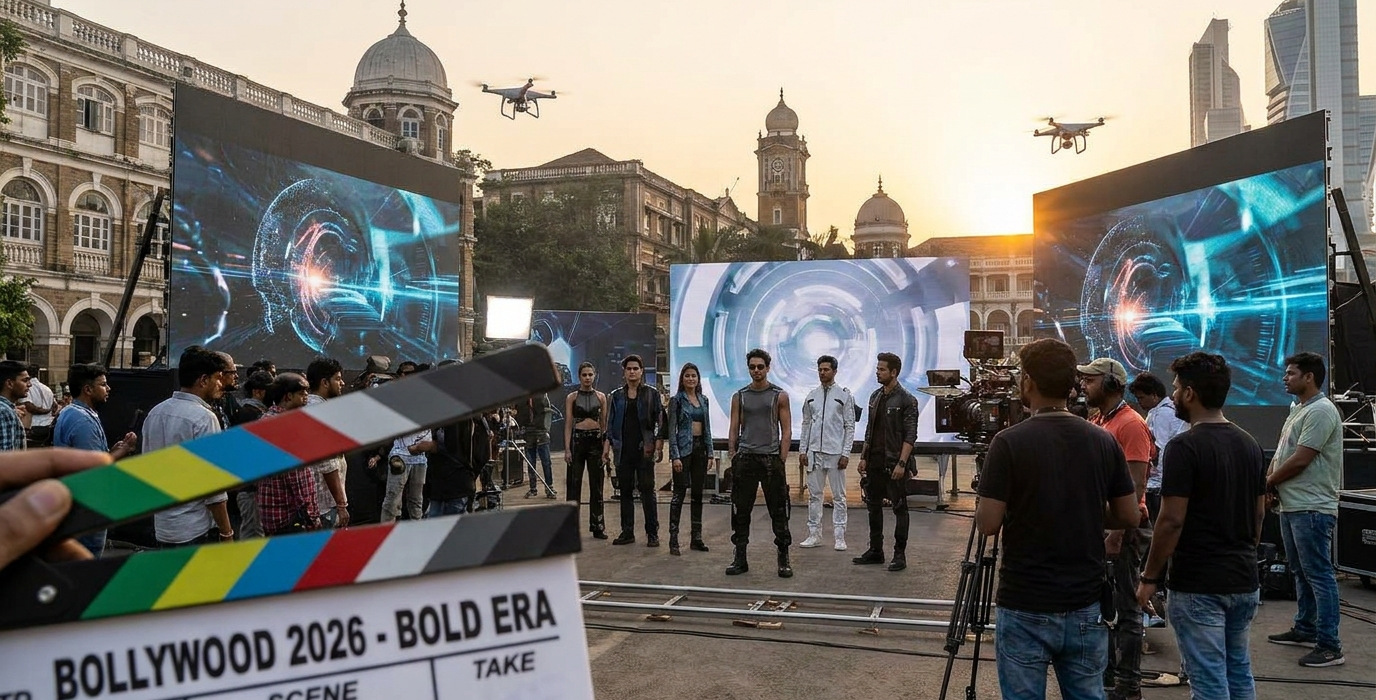
VFX studios in India are now competing on a global level, producing work that rivals Hollywood’s best. From the intricate historical recreations in period dramas to the fantastical creatures in mythological epics, the quality and complexity of visual effects have become a key draw for audiences. We’re seeing an increased sophistication in digital environments, character animation, and seamless compositing, creating immersive experiences that pull viewers deep into the narrative. The meticulous detail evident in films released this year, like the sweeping battle sequences in a recent historical epic or the fantastical landscapes of a sci-fi venture, is a testament to this progress.
The integration of AI is also beginning to make its mark. While still in its nascent stages, AI is being explored for tasks such as script analysis, predictive modeling for audience engagement, and even generating preliminary storyboards or concept art. This allows creative teams to iterate faster and explore more diverse creative avenues. Furthermore, AI-powered tools are enhancing post-production workflows, streamlining editing processes and offering new possibilities for sound design and color grading, leading to more polished and impactful final products.
The Rise of the Unlikely Hero: Genre Blending and Niche Appeal
Beyond the mainstream, the Indian film industry is witnessing a fascinating trend: the ascendancy of niche genres and the “unlikely hero.” Filmmakers are confidently exploring themes and characters that deviate from the conventional. This has led to a surge in critically acclaimed films that might not fit neatly into established categories, but resonate deeply with specific audience segments.
Consider the growing popularity of sci-fi thrillers, psychological dramas, and even dark comedies. These genres, once considered too risky for the Indian market, are now finding enthusiastic audiences. This shift is fueled by a generation of viewers who are exposed to global content and are looking for more diverse and thought-provoking narratives. The success of films like the recent Marathi exploration of rural isolation or the Bengali indie-film that tackled complex social issues with dark humor, exemplifies this new appetite.
Furthermore, the concept of the “hero” itself is evolving. We’re seeing more complex, flawed, and relatable protagonists taking center stage, rather than the invincible, larger-than-life figures of the past. This shift towards authenticity allows audiences to connect on a more personal level. The surprising success of a recent Malayalam film featuring an ordinary man thrust into extraordinary circumstances, lauded for its grounded portrayal of human resilience, underlines this evolving audience preference. This isn’t about abandoning commercial appeal, but about finding it in new, unexpected places.
The Global Footprint: Indian Cinema’s International Ascendancy
Indian cinema in 2026 is not just a domestic phenomenon; it’s a global powerhouse. The reach and influence of Indian films have expanded exponentially, transcending geographical and cultural boundaries. This is driven by a combination of factors, including the increasing accessibility of streaming platforms and a growing international curiosity about Indian narratives and artistic talent.
Many recent Indian films have not only performed exceptionally well at the box office domestically but have also garnered significant attention at international film festivals and awards ceremonies. The nuanced storytelling, vibrant visuals, and compelling performances are striking a chord with diverse audiences worldwide. This global recognition is not limited to Hindi cinema; critically acclaimed films from regional industries are also making their mark, showcasing the breadth and depth of talent within India. For instance, a recent Tamil action film, praised for its innovative choreography and tight pacing, became a surprise international hit, demonstrating that universal themes can be conveyed through distinct cultural lenses.
This international ascendancy also translates into new opportunities for collaborations. We are seeing more co-productions between Indian studios and international production houses, leading to a fusion of creative ideas and resources. This cross-pollination is enriching the cinematic landscape, pushing creative boundaries, and introducing Indian talent to wider global audiences. The investment from international players in Indian film projects, and vice versa, signals a maturing industry ready to engage on a worldwide stage.
The true success of Indian cinema in 2026 lies not just in its box office numbers, but in its ability to authentically reflect a diverse nation while simultaneously speaking a universal language of human emotion and experience.
Frequently Asked Questions
What is the biggest trend in Indian cinema in 2026?
The biggest trend is the significant push towards regional storytelling and genre diversification, moving beyond traditional Bollywood formulas to embrace a wider array of narratives that cater to specific cultural contexts and audience preferences.
How are streaming platforms impacting Indian films?
Streaming platforms are revolutionizing distribution by offering hybrid release models and wider reach, especially to Tier 2/3 cities and international audiences. They provide new revenue streams and allow niche films to find their audience more easily.
Is technology playing a bigger role in Indian filmmaking?
Yes, VFX and AI are playing increasingly crucial roles, enabling more sophisticated visual storytelling, immersive experiences, and streamlining post-production workflows. This allows for the creation of breathtaking cinematic worlds.
Are Indian films becoming more experimental?
Absolutely. There’s a growing acceptance and success of niche genres and more complex, relatable protagonists. This reflects an audience eager for diverse and thought-provoking content beyond the conventional.