Key Takeaways
- Mumbai Metro Line 10 promises to dramatically improve travel times for residents of the eastern suburbs, connecting them directly to the city’s financial hub.
- The new line will feature state-of-the-art infrastructure, including automated platform gates and advanced signalling systems, enhancing safety and efficiency.
- Expect enhanced last-mile connectivity with integrated feeder services and well-designed stations facilitating seamless transfers.
- The project’s environmental considerations are significant, with a focus on reducing carbon emissions and promoting sustainable urban transport.
Connecting the Unconnected: Mumbai Metro Line 10’s Vision
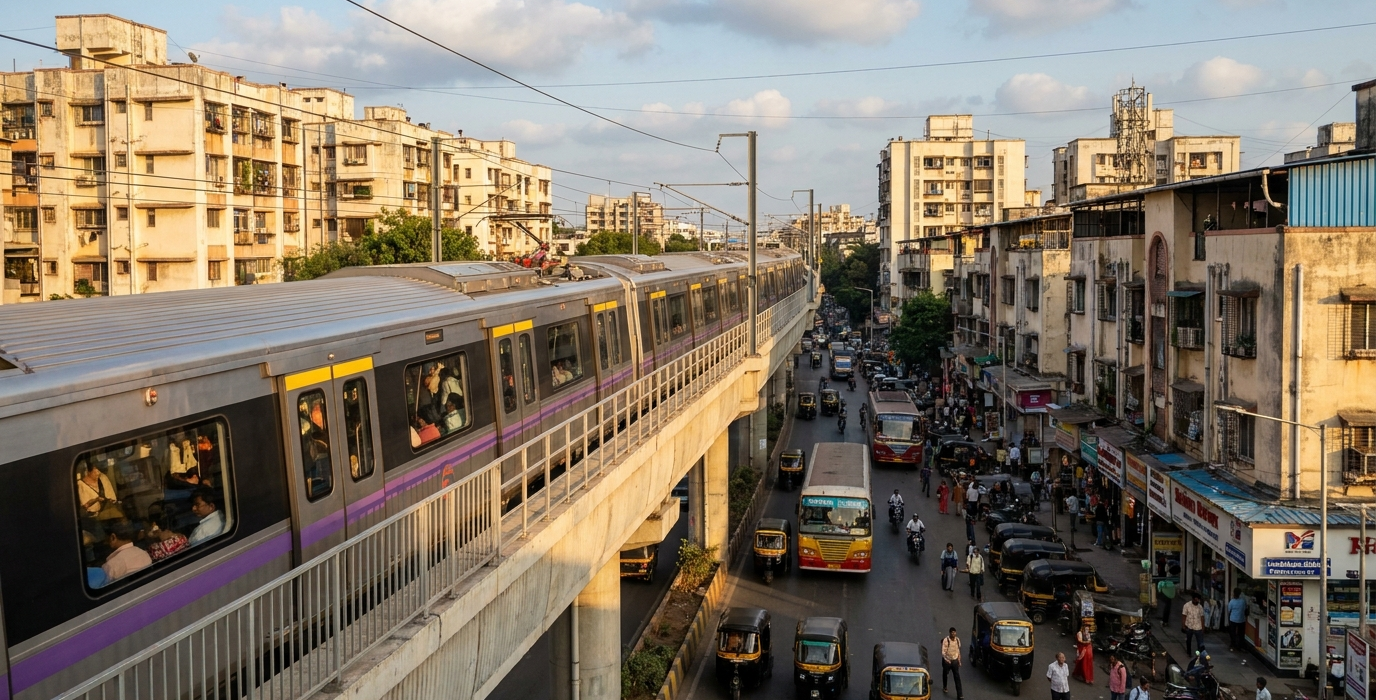
Mumbai, a city that never sleeps, is perpetually in motion, a testament to its vibrant energy and relentless pace of development. Yet, for millions residing in its sprawling eastern suburbs, the daily commute has long been a gruelling ordeal. The introduction of the much-anticipated Mumbai Metro Line 10 is set to redefine this reality, promising a transformative leap in connectivity and drastically reducing travel times. This ambitious project, slated for significant progress in 2026 and beyond, aims to bridge the gap between the eastern suburbs and the city’s core business districts. Imagine a commute from Thane or Kalyan to South Mumbai in a fraction of the current time – this is the promise of Line 10.
The significance of this line cannot be overstated. It’s not just about adding another mode of transport; it’s about reclaiming valuable hours lost to traffic congestion. For residents of areas like Ghatkopar, Mulund, Thane, and even extending towards Kalyan, this new artery of steel and concrete will unlock unprecedented accessibility. This means more time for family, for personal pursuits, and for contributing to the city’s economic engine without the crippling burden of a three-hour commute. The vision is to create a truly integrated urban transport network, where the metro becomes the backbone, supported by enhanced feeder services.
Unveiling the Infrastructure: Modernity on Rails
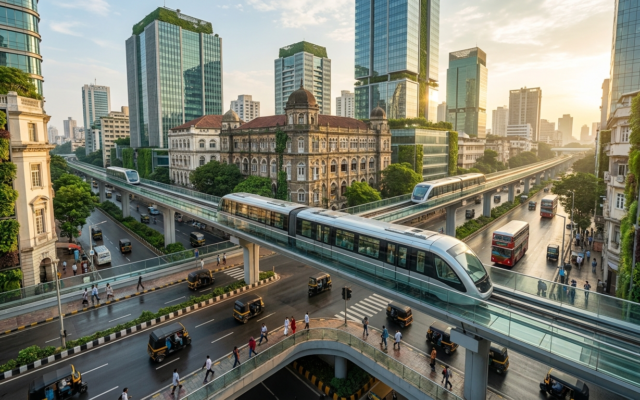
Mumbai Metro Line 10 is more than just tracks and trains; it’s a commitment to world-class infrastructure and passenger experience. The stations, designed with modern aesthetics and functionality in mind, will offer a stark contrast to the often-chaotic transit points we are accustomed to. Expect features like automated platform screen doors (PSDs), a first for many of Mumbai’s metro lines, which will significantly enhance safety by preventing accidental falls onto the tracks and improving air-conditioning efficiency. These doors align perfectly with the train doors, ensuring a smooth and secure boarding process.
The rolling stock itself is designed for comfort and efficiency. The trains will be equipped with advanced climate control systems, ample seating, and dedicated spaces for luggage and passengers with disabilities. The signalling and communication systems are being developed using the latest technology to ensure punctuality and operational reliability, even during peak hours. This means fewer delays and a more predictable travel schedule, a crucial factor for daily commuters. Furthermore, the integration of real-time passenger information systems at stations and on board will keep travellers informed about their journey, making the entire experience more seamless and less stressful.
Surprising Fact: Advanced Track Technology
Did you know that Mumbai Metro Line 10 will employ ballastless track technology? Unlike traditional tracks laid on ballast (crushed stone), this modern method uses concrete or asphalt, offering a smoother ride, reduced noise pollution, and significantly lower maintenance requirements. This translates to a more comfortable journey for passengers and reduced operational costs for the Mumbai Metropolitan Region Development Authority (MMRDA).
Enhanced Connectivity and Last-Mile Solutions
The true power of Mumbai Metro Line 10 lies not just in its main corridor but in its strategic integration with existing and future transport networks. The planning meticulously considers how passengers will reach their final destinations after stepping off the metro. Stations are being designed with direct access to bus depots, auto-rickshaw stands, and taxi bays, ensuring that the “last mile” of your journey is as convenient as the metro ride itself. This approach is critical for encouraging modal shift away from private vehicles.
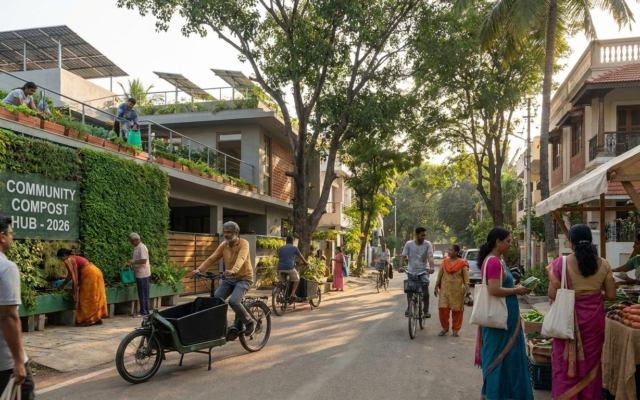
For areas currently underserved by public transport, Line 10 acts as a catalyst for further development. The feeder services will include dedicated bus routes, e-rickshaw zones, and bicycle sharing stations, making it easier for people to access the metro from their homes and workplaces. Think of a scenario where you can hop on a local bus from your residential colony directly to the nearest metro station, board a comfortable train to your office in BKC or Nariman Point, and then take an e-rickshaw to your final meeting. This level of seamless multimodal integration is what will truly redefine urban mobility in Mumbai.
The development also extends to pedestrian infrastructure around the stations. Improved footpaths, skywalks, and well-lit pathways will make walking to and from the metro a safe and pleasant option, especially for women and the elderly. This holistic approach to connectivity ensures that the metro benefits a wider segment of the population, not just those living adjacent to the stations.
Economic and Social Impact: A Boost for the Eastern Suburbs
The ripple effect of Mumbai Metro Line 10 will extend far beyond mere commute times. Economically, it’s poised to catalyse growth and development in the eastern suburbs. Areas that were once considered peripheral will become more attractive for businesses and commercial establishments, leading to job creation and increased economic activity. The improved accessibility will also boost the real estate market, making these regions more desirable for residential living.
Socially, the impact will be profound. Reduced commute stress can lead to improved mental and physical well-being for millions of Mumbaikars. More time freed up from arduous journeys can be invested in family, education, and community engagement. Furthermore, the metro promotes a more equitable distribution of opportunities, as residents of the eastern suburbs will gain easier access to the diverse job markets, educational institutions, and cultural hubs concentrated in other parts of the city.
The project also aligns with India’s broader vision for sustainable urban development. By providing a viable and efficient alternative to private car usage, Line 10 will contribute significantly to reducing vehicular emissions and traffic congestion. This, in turn, will lead to improved air quality and a healthier living environment for all Mumbaikars. The environmental benefits are a crucial, though often overlooked, aspect of large-scale infrastructure projects like this.
Surprising Fact: Green Building Standards
Did you know that the stations for Mumbai Metro Line 10 are being designed to meet Green Building Council (GBC) certification standards? This means incorporating features like rainwater harvesting, solar energy panels, and energy-efficient lighting to minimize their environmental footprint. It’s a significant step towards making urban infrastructure more sustainable.
Navigating the Journey: Key Stations and Routes
Mumbai Metro Line 10, officially designated as the Red Line of the Mumbai Metro network, is set to be a vital north-south corridor. Its planned route is designed to serve a significant population base, connecting key residential and commercial hubs. The line is expected to originate from Ghatkopar and extend northwards, passing through important nodes like Mulund, Thane, and further on towards Kalyan. This strategic alignment aims to decongest existing arterial roads and provide a much-needed alternative for commuters travelling between these regions.
Each station along the Line 10 route is envisioned as more than just a stop; it’s an integrated transit hub. For instance, the Ghatkopar station, already a major interchange point with the Eastern Express Highway and the Central Railway line, will see further enhancement. Similarly, the Thane station is being developed to facilitate seamless transfers with the existing railway network and local bus services. The planning emphasizes connectivity to major business districts like Bandra Kurla Complex (BKC) and potentially even South Mumbai via interconnections with other metro lines.
The construction phases are meticulously planned to minimize disruption, though some level of inconvenience during peak construction periods is inevitable. The MMRDA has been proactive in communicating diversion plans and traffic management strategies. The phased commissioning of different sections of the line will allow commuters to start benefiting even before the entire corridor is operational, a strategy that has proven successful in other metro expansions.
Looking Ahead: The Future of Mumbai’s Commute
The completion and operationalisation of Mumbai Metro Line 10 represent a significant milestone in the city’s journey towards becoming a truly global metropolis. It’s a testament to the visionary planning and execution capabilities of the MMRDA and the government, demonstrating a commitment to improving the quality of life for its citizens. This project is not an isolated event but a crucial component of a larger, integrated metro network that will eventually crisscross the entire Mumbai Metropolitan Region.
As we look towards the coming years, the focus will be on operational efficiency, passenger safety, and continuous improvement. The success of Line 10 will pave the way for further expansion and integration of other metro lines, creating a spiderweb of high-speed, sustainable transport across Mumbai. This will not only ease the daily grind for millions but also foster economic growth, reduce environmental pollution, and enhance the overall liveability of the city. The promise of a less congested, more connected, and more efficient Mumbai is slowly but surely becoming a reality, with Line 10 playing a pivotal role.
“Mumbai Metro Line 10 isn’t just about faster trains; it’s about giving back precious time to Mumbaikars, time that can be spent with family, on personal growth, or simply on enjoying this incredible city.”
Frequently Asked Questions
When is Mumbai Metro Line 10 expected to be fully operational?
While specific operational dates are subject to construction progress and approvals, significant sections of Mumbai Metro Line 10 are anticipated to be operational by late 2026 and into 2027. The MMRDA provides regular updates on construction milestones.
What are the key areas that Mumbai Metro Line 10 will connect?
Line 10 is primarily designed to connect the eastern suburbs of Mumbai, with key areas including Ghatkopar, Mulund, Thane, and extending towards Kalyan. It aims to improve connectivity from these regions to the city’s central business districts.
Will Mumbai Metro Line 10 have interchange facilities with existing transport?
Yes, the planning for Mumbai Metro Line 10 emphasizes seamless interchange facilities. Stations like Ghatkopar and Thane are being developed as major transit hubs with connections to suburban railways, bus services, and other proposed metro lines.
What is the estimated fare structure for Mumbai Metro Line 10?
Fare structures for new metro lines are typically announced closer to their operational launch. However, based on existing Mumbai Metro fare policies, it is expected to be competitive and distance-based, offering an affordable alternative to road travel.