Key Takeaways
- India’s tiger reserves are crucial for biodiversity, with significant advancements in conservation technology and community involvement by 2026.
- Understanding tiger behaviour through AI and GPS tracking is revolutionising anti-poaching efforts and habitat management.
- Eco-tourism, when managed sustainably, offers vital revenue for local communities and directly funds conservation initiatives.
- Challenges remain, including human-wildlife conflict and habitat fragmentation, necessitating continued vigilance and adaptive strategies.
The Resilient Roar: India’s Tiger Reserves in 2026
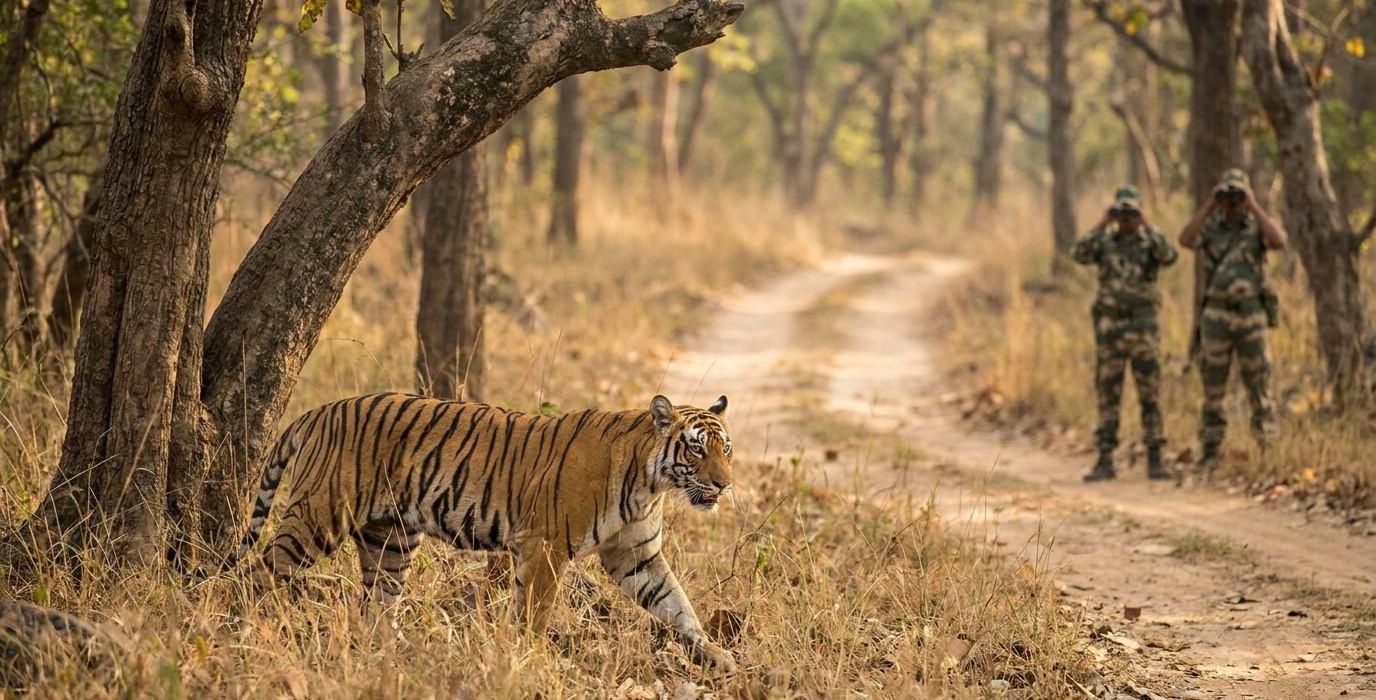
The majestic Bengal tiger, a symbol of India’s wild heart, continues its remarkable journey of survival and resurgence. As we navigate 2026, our nation’s dedicated tiger reserves stand as testament to decades of unwavering conservation commitment. These protected landscapes are not merely sanctuaries for tigers; they are complex ecosystems teeming with life, where scientific innovation and local wisdom converge to safeguard our planet’s most iconic big cats.
We’ve witnessed significant strides in recent years, moving beyond mere protection to proactive management. The integration of cutting-edge technology, coupled with deep-rooted community engagement, has created a formidable shield against threats. This holistic approach ensures that the future of the tiger, and indeed the health of our environment, remains a priority. Our reserves are vibrant, evolving spaces, where the roar of the tiger echoes not just as a sign of its presence, but as a powerful symbol of our collective success.
Technological Advancements: AI, Drones, and the Digital Frontier
The fight to protect India’s tigers has entered a new era, driven by sophisticated technology. By 2026, artificial intelligence (AI) and drone surveillance are no longer experimental tools but integral components of our conservation strategy. Cameras equipped with AI can now identify individual tigers based on their unique stripe patterns, a feat previously requiring painstaking manual analysis. This allows for more accurate population assessments and better monitoring of individual health and movement.
Drones provide an aerial advantage, offering real-time monitoring of vast forest areas, detecting encroachments, and even tracking suspicious activities. Sophisticated GPS collars, fitted to a select number of tigers, transmit invaluable data on their ranging patterns, prey preferences, and interactions with other wildlife. This information is crucial for understanding habitat use and identifying critical corridors that need protection. We are also seeing the rise of acoustic sensors that can detect gunshots or the sounds of illegal logging, alerting rangers instantly. This technological leap significantly enhances our ability to respond swiftly to threats, making our reserves more secure than ever before.
AI in Action: Beyond Simple Identification
AI’s role extends beyond just identification. Predictive analytics, powered by machine learning algorithms, are now being used to forecast potential human-wildlife conflict hotspots. By analysing data on tiger movements, livestock depredation patterns, and human settlement proximity, authorities can implement preventative measures. This includes deploying rapid response teams to areas at high risk or working with communities to secure livestock more effectively. Such proactive interventions are vital in mitigating conflict and fostering coexistence.
The Drone Patrol: Eyes in the Sky
The deployment of drones has revolutionised patrols. These unmanned aerial vehicles can cover difficult terrain quickly and quietly, providing high-resolution imagery. They are used for monitoring forest health, detecting fires, and identifying signs of illegal activities like poaching or timber smuggling. The data collected helps in planning more efficient ground patrols and understanding the overall ecological health of the reserve. This technological integration is a game-changer for ground-level enforcement.
Community as Custodians: Empowering Local Voices
Conservation in India has long recognised that its success is inextricably linked to the well-being and active participation of local communities. By 2026, this partnership has deepened, with eco-tourism emerging as a powerful driver for both economic development and conservation funding. Villages bordering reserves like Corbett in Uttarakhand or Sundarbans in West Bengal are actively involved in managing homestays, guiding tourists, and offering cultural experiences.
This engagement ensures that local residents become stakeholders in conservation, understanding the direct economic benefits that a healthy tiger population and thriving ecosystem bring. Revenue generated from tourism permits and guided tours is increasingly being channelled back into community development projects, such as schools, healthcare facilities, and skill-building programs. Furthermore, local knowledge, passed down through generations, about forest resources and wildlife behaviour, is now being formally integrated into management plans. This collaborative approach fosters a sense of ownership and pride, making communities the frontline custodians of these precious wild spaces.
Surprising Fact: The ‘Tiger Reserve Lottery’
Did you know that in some areas bordering reserves like Ranthambore in Rajasthan, local communities have informally developed a ‘tiger reserve lottery’ system? When a tiger is sighted by tourists, the guides and drivers involved receive a share of the tips. This unofficial incentive system, while not formal, has created a powerful, community-driven motivation to ensure tigers are not just protected, but also visible and thriving within their territories. It’s a fascinating example of how economic incentives, even if informal, can align with conservation goals.
Beyond Tourism: Livelihood Diversification
Eco-tourism is not the only avenue. Many reserves are now promoting sustainable non-timber forest produce collection, handicrafts, and organic farming. These initiatives provide alternative livelihoods that reduce reliance on potentially destructive forest activities. The focus is on creating sustainable income streams that are compatible with wildlife protection, ensuring that communities can prosper without compromising the natural heritage they are tasked with safeguarding.
Navigating Human-Wildlife Conflict: A Delicate Balance
Despite significant conservation successes, the challenge of human-wildlife conflict remains a persistent concern in 2026. As tiger populations grow and their habitats are managed more effectively, encounters with human settlements inevitably increase. This often leads to livestock depredation, and in rare, tragic instances, human casualties. Addressing this requires a multi-pronged strategy that prioritizes both human safety and tiger conservation.
Our approach has evolved from reactive responses to proactive mitigation. Enhanced early warning systems, utilising technology and local informers, alert communities to tiger movements in their vicinity. We are also investing heavily in better livestock protection measures, such as improved enclosures and community-managed predator-proof corrals. Compensation for livestock losses is being streamlined and made more efficient to ensure timely support for affected farmers. Furthermore, efforts are underway to establish and maintain safe wildlife corridors, reducing the likelihood of tigers straying into human-dominated landscapes. The goal is to foster a harmonious coexistence, where the presence of tigers is viewed not as a threat, but as a vital part of the natural heritage.
The Role of Compensation and Insurance
Fair and timely compensation for livestock depredation is crucial. By 2026, many states have implemented more robust compensation schemes, sometimes supplemented by community-managed insurance funds. This financial buffer helps alleviate the economic burden on farmers, reducing resentment towards wildlife and fostering a more positive attitude towards conservation efforts. Transparency and efficiency in these processes are paramount.
Corridor Conservation: Connecting Fragmented Habitats
Habitat fragmentation is a major driver of conflict. Protecting and restoring wildlife corridors – the natural pathways that allow animals to move between fragmented forest patches – is a key strategy. These corridors are vital for maintaining genetic diversity and ensuring that tiger populations remain healthy and viable. Protecting these vital links, often through land acquisition or conservation easements, is a complex but essential undertaking.
The Power of Partnerships: Global and Local Synergies
India’s conservation narrative in 2026 is one of collaboration. The successes we celebrate are not achieved in isolation. They are the result of strong partnerships between government agencies, non-governmental organisations (NGOs), international conservation bodies, research institutions, and, critically, local communities. This synergistic approach amplifies our impact and ensures a sustainable future for our wildlife.
International organisations provide crucial funding, technical expertise, and a platform for sharing best practices. Research institutions contribute invaluable scientific data that informs conservation strategies. NGOs often act as vital bridges, working directly with communities and advocating for policy changes. This intricate web of collaboration ensures that resources are leveraged effectively and that conservation efforts are grounded in both scientific evidence and local realities. The shared goal is a robust, resilient ecosystem that benefits all life, human and wild.
Surprising Fact: A Bengaluru Startup’s Role
Here’s something unexpected: A Bengaluru-based tech startup, “Eco-Sense Analytics,” has developed an AI-powered system that uses satellite imagery and ground sensor data to predict deforestation and encroachment risks with over 90% accuracy in sensitive forest regions across India. This technology is now being adopted by several forest departments, including those managing tiger reserves in Southern India, proving that innovation can come from anywhere and significantly bolster conservation efforts.
The Global Impact of India’s Tigers
Protecting tigers in India has global implications. As apex predators, their health is an indicator of the overall health of their ecosystem. These ecosystems, in turn, provide vital services like carbon sequestration, water purification, and climate regulation, benefiting the entire planet. India’s commitment to tiger conservation is, therefore, a significant contribution to global biodiversity and environmental stability.
Eco-Tourism: A Double-Edged Sword, Handled with Care
Eco-tourism, when implemented thoughtfully, has become a cornerstone of conservation funding in India by 2026. Reserves like Kanha in Madhya Pradesh and Periyar in Kerala have demonstrated how responsible tourism can generate significant revenue, directly supporting anti-poaching patrols, habitat restoration, and community development programs. Visitors flock to these sanctuaries, eager to witness the tiger in its natural habitat, and their entrance fees and spending contribute directly to its preservation.
However, we must remain vigilant. Unregulated tourism can lead to habitat degradation, increased human disturbance, and stress on wildlife. Therefore, strict guidelines are in place. These include limiting visitor numbers, restricting vehicle movement to designated zones, mandating trained local guides, and promoting low-impact activities. The emphasis is on experiential tourism that educates and inspires, rather than exploits. We are continually refining these policies to ensure that the economic benefits of tourism do not come at the cost of the very wildlife that attracts visitors in the first place.
The ‘Tiger Safari’ Model: Balancing Access and Impact
The model of guided safaris, often in open-top jeeps, is popular. However, by 2026, the trend is moving towards smaller, more eco-friendly vehicles and stricter controls on where they can go. The aim is to provide a thrilling wildlife viewing experience while minimising disturbance to tigers and other animals. This requires constant monitoring and adaptation based on the ecological carrying capacity of each area.
Beyond the Tiger: Promoting Biodiversity Tourism
While the tiger is a major draw, successful eco-tourism initiatives also highlight the region’s broader biodiversity. Birdwatching tours, nature walks, and cultural immersions are being promoted to diversify visitor experiences and spread tourism benefits more widely. This holistic approach helps visitors appreciate the interconnectedness of the ecosystem, fostering a deeper respect for all its inhabitants.
The Future We Protect: Challenges and a Vision for 2030
As we look ahead, the journey of tiger conservation in India is far from over. While we celebrate the progress made by 2026, several critical challenges demand our continued attention. Habitat fragmentation, driven by infrastructure development and agricultural expansion, remains a significant threat, restricting tiger movement and genetic flow. Human-wildlife conflict, though managed, requires ongoing innovation and community engagement to mitigate effectively. The threat of poaching, while reduced, still necessitates robust intelligence networks and rapid response capabilities.
Our vision for 2030 is one of fully interconnected, resilient tiger landscapes where human and wild populations coexist sustainably. This involves expanding protected areas, strengthening corridor connectivity, and fostering a nationwide ethos of wildlife stewardship. We are committed to leveraging every tool at our disposal – from advanced technology to the invaluable wisdom of local communities – to ensure that the tiger’s roar continues to resonate through India’s wild heart for generations to come. The future of this magnificent species, and indeed our planet, depends on it.
Frequently Asked Questions
What is the current tiger population in India as of 2026?
While precise official figures for 2026 are still being compiled, preliminary reports and ongoing surveys indicate a continued upward trend from the last major assessment. Conservationists are optimistic, with estimates suggesting the national tiger population could be approaching or even exceeding 3,500 individuals, a remarkable recovery.
How can I contribute to tiger conservation in India?
You can contribute by supporting accredited conservation organisations, choosing responsible eco-tourism operators that benefit local communities, and raising awareness about the importance of wildlife conservation. Even small actions, like reducing your plastic consumption, can indirectly help protect tiger habitats.
Are there any new tiger reserves planned for 2026 or beyond?
Yes, the National Tiger Conservation Authority (NTCA) regularly assesses potential areas for new tiger reserves and corridors. While specific announcements are periodic, there is ongoing work to identify and upgrade suitable habitats, particularly in regions where tiger populations are recovering or showing potential for reintroduction.
What is the biggest threat to tigers in India today?
The biggest threats remain habitat loss and fragmentation, which leads to increased human-wildlife conflict, and the persistent, though reduced, threat of poaching for illegal wildlife products. Climate change also poses a long-term, indirect threat by altering habitats.