Key Takeaways
- India’s electric vehicle market is poised for rapid expansion, driven by policy support, falling battery costs, and growing consumer interest.
- By 2027, expect a significant rise in electric two-wheelers and three-wheelers, alongside a gradual but steady increase in electric car adoption.
- Charging infrastructure remains a critical bottleneck, but innovative solutions like battery swapping and faster charging technologies are gaining traction.
- The production of EVs and their components, particularly batteries, will increasingly be localised, boosting India’s manufacturing prowess and creating new job opportunities.
The Road Ahead: India’s EV Momentum Builds Towards 2027
India’s electric vehicle (EV) landscape is undergoing a dramatic transformation, shifting from niche adoption to a mainstream movement. As we look towards 2027, the momentum is undeniable. Government policies, most notably the FAME (Faster Adoption and Manufacturing of Hybrid and Electric Vehicles) scheme, have laid a robust foundation. We’re seeing continuous incentives for both buyers and manufacturers, which are crucial for driving down the initial cost of EVs.
Consumer awareness is also on an upward trajectory. Concerns about rising fuel prices and a growing environmental consciousness are pushing more individuals and businesses to consider electric alternatives. This surge in interest is met with an expanding product portfolio, from affordable electric scooters to increasingly capable electric cars. The year 2027 promises to be a significant milestone, marking a point where EVs are not just a choice, but a compelling and practical option for a wider segment of the Indian population. We are on the cusp of a genuine revolution.
Two-Wheelers and Three-Wheelers Lead the Charge
The undeniable frontrunners in India’s EV revolution are the two-wheeler and three-wheeler segments. These vehicles form the backbone of personal and commercial transport in many Indian cities and rural areas. Their compact size, lower energy consumption, and suitability for short-distance commutes make them ideal candidates for electrification. By 2027, we anticipate that electric scooters and motorcycles will command a substantial market share, potentially exceeding 50% in major urban centres.
Similarly, the electric three-wheeler, or e-rickshaw, has already become a common sight, especially for last-mile delivery and passenger transport. Their operational cost savings compared to their petrol or diesel counterparts are immense, making them a favourite among small business owners and drivers. The push for cleaner last-mile logistics will only accelerate their adoption. You’ll likely see a significant increase in the number of electric auto-rickshaws and small commercial vehicles operating across India, contributing to reduced urban pollution and noise.
Battery Swapping: A Game Changer for Commercial Fleets
A particularly exciting development for these segments is the rise of battery swapping technology. Instead of waiting for a vehicle to charge, drivers can simply swap out a depleted battery for a fully charged one at designated stations. This drastically reduces downtime, a critical factor for commercial operators. Companies are investing heavily in building these swapping networks, making it a viable alternative to traditional refuelling.
A surprising fact: While often perceived as a new technology, battery swapping for vehicles has historical roots, but its modern application, particularly for electric two and three-wheelers in India, is poised to redefine urban logistics and personal mobility by 2027. This innovation is key to overcoming range anxiety and charging time constraints for busy users. We’re seeing pilot programs expand rapidly, signalling a strong market push.
Passenger Cars: The Gradual, Yet Steady Ascent
While two and three-wheelers are leading the charge, the electric passenger car segment is also set for significant growth by 2027. The initial higher purchase price has been a barrier, but several factors are mitigating this. Falling battery costs, government subsidies, and an increasing number of models available at competitive price points are making EVs more accessible. We expect to see a wider range of electric sedans, SUVs, and hatchbacks catering to diverse Indian consumer needs and preferences.
Major Indian and international automakers are committing substantial investments to their EV portfolios in India. This commitment translates into more R&D, local manufacturing, and a broader selection of vehicles. By 2027, you will likely find an electric car option for almost every segment of the market, from budget-friendly compacts to premium luxury vehicles. The driving experience, with its instant torque and quiet operation, is also becoming a significant draw for consumers.
Charging Infrastructure: Addressing the Bottleneck
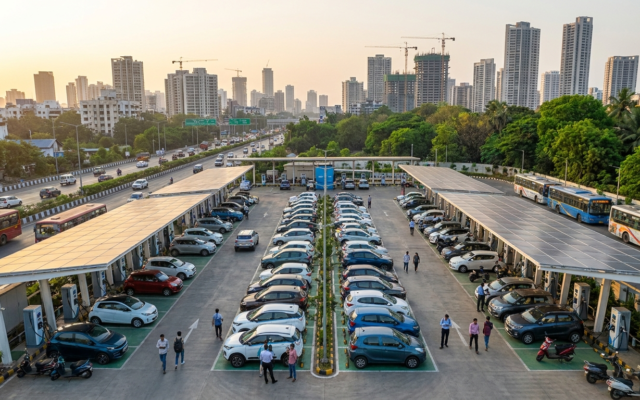
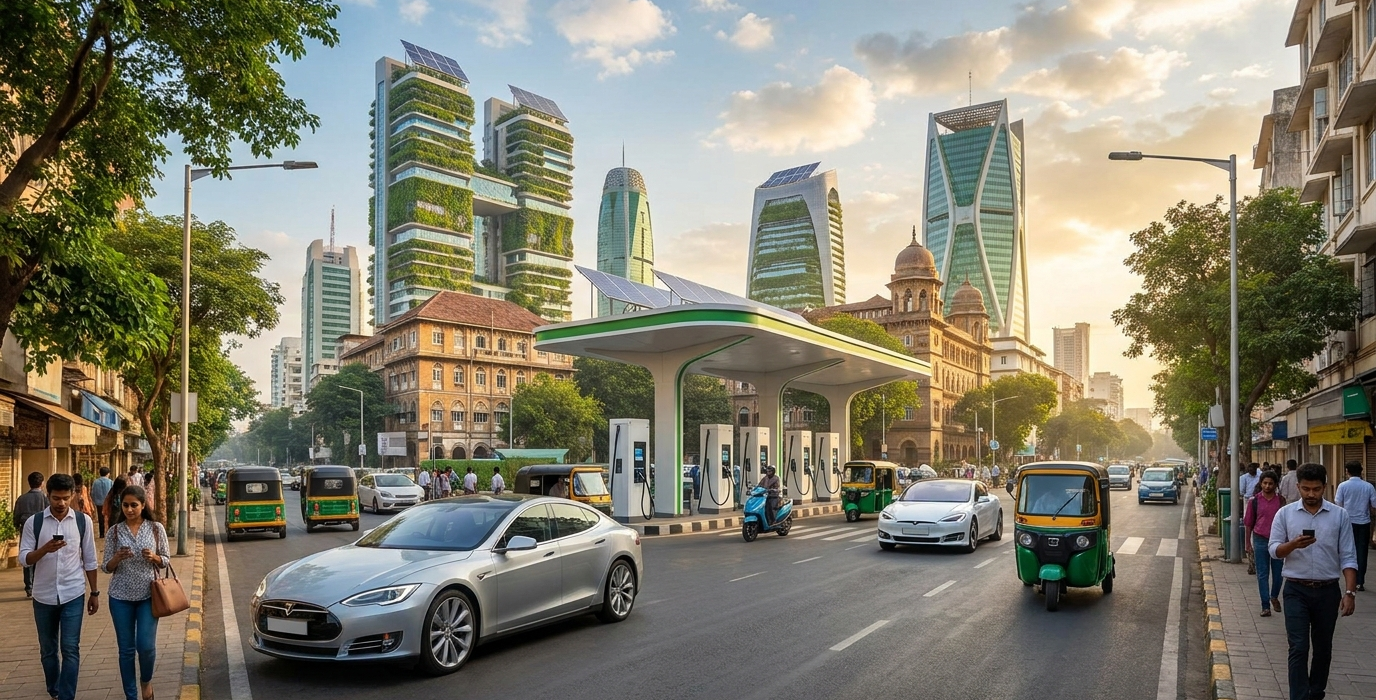
The biggest hurdle for widespread EV adoption, especially for cars, remains charging infrastructure. The sheer scale of India presents a complex challenge, but the government and private sector are collaborating to build a robust network. We are seeing a multi-pronged approach, including the installation of public charging stations in cities, highways, and residential complexes. Companies are also exploring home charging solutions and workplace charging initiatives.
Fast-charging technology is another area of rapid development. By 2027, charging times for electric cars will be significantly reduced, making long-distance travel more feasible and convenient. The integration of renewable energy sources into charging networks is also a growing trend, making EV charging more sustainable. You’ll notice more charging points appearing in your daily commute, on national highways, and even in smaller towns.
Manufacturing and localisation: India’s EV Ecosystem Takes Shape
A crucial aspect of India’s EV growth story by 2027 will be the increasing localisation of manufacturing. The government’s ‘Make in India’ initiative is driving domestic production of EVs and their components, particularly batteries. This focus on local manufacturing not only reduces import dependence and associated costs but also creates significant employment opportunities and fosters technological innovation within the country. We’re already seeing major players establish battery manufacturing plants and assembly lines in India.
The development of a comprehensive EV ecosystem, from raw material sourcing to end-of-life battery recycling, is essential for long-term sustainability. Investments in research and development for advanced battery chemistries and efficient motor technologies are also on the rise. This push for indigenisation will position India as a global hub for EV manufacturing and supply chains, moving beyond mere assembly to true innovation.
The Battery Imperative: From Imports to Indigenous Production
Batteries are the heart of any EV, and their cost significantly impacts the overall price. India’s reliance on imports for battery cells has been a concern. However, by 2027, we expect to see a substantial shift towards domestic battery production. Several Indian conglomerates and international companies are setting up gigafactories for lithium-ion battery manufacturing. This will not only reduce costs but also ensure a more stable supply chain.
A surprising fact: India’s ambitious plans for battery manufacturing by 2027 aim to not only meet domestic demand but also position the country as a significant exporter of battery packs and components to other regions, leveraging its growing manufacturing expertise. This strategic move is vital for long-term energy security and economic growth in the EV sector.
Challenges and Opportunities: Navigating the Road to 2027
Despite the encouraging progress, the road to 2027 is not without its challenges. Infrastructure development, particularly in tier-2 and tier-3 cities, needs accelerated attention. Grid capacity and stability also require careful planning to accommodate the growing demand for electricity from EVs. Consumer education and awareness campaigns are vital to dispel myths and build confidence in EV technology.
However, the opportunities far outweigh the challenges. The transition to EVs presents a chance to leapfrog traditional automotive technologies, improve air quality in our cities, reduce our dependence on fossil fuels, and establish India as a leader in sustainable mobility. The synergy between government policy, industry investment, and growing consumer demand is a powerful engine for growth. We are witnessing the birth of a new era in Indian transportation.
“By 2027, India’s EV market will be defined not just by the number of vehicles on the road, but by the robustness of its indigenous manufacturing ecosystem and the seamless integration of charging solutions into everyday life.”
Frequently Asked Questions
What are the main government incentives for buying EVs in India by 2027?
While specific schemes may evolve, expect continued government support through subsidies on vehicle purchases (like under FAME III or similar future programs), tax benefits on EV loans, and potential exemptions or reductions in road tax and registration fees. These incentives aim to bridge the price gap between EVs and traditional vehicles.
Will electric cars become as affordable as petrol cars by 2027?
While the price parity might not be fully achieved across all segments, electric cars will become significantly more affordable by 2027. Falling battery costs, increased localisation, and government subsidies will bring EV prices closer to their internal combustion engine counterparts, especially for mass-market segments.
How will charging infrastructure improve in India by 2027?
Expect a substantial expansion of public charging stations in urban centres, along national highways, and in commercial areas. Innovations like battery swapping for two and three-wheelers will become more widespread, and charging speeds for electric cars will increase. Smart charging solutions and integration with renewable energy sources will also be key developments.
What impact will EV growth have on India’s electricity grid?
The increased demand for electricity will necessitate upgrades to the grid. However, smart charging solutions and the integration of EVs with renewable energy sources can help manage this demand. The shift towards EVs also presents an opportunity to build a more modern, efficient, and sustainable energy infrastructure.
Which segments of the Indian EV market are expected to see the most growth by 2027?
The electric two-wheeler and three-wheeler segments will continue to dominate in terms of volume and market share. The electric passenger car segment will also see significant growth, with a wider variety of models becoming available and more consumers opting for electric mobility solutions.