Key Takeaways
- India’s wellness landscape in 2026 is defined by a proactive, personalized approach, moving beyond reactive healthcare.
- Mindfulness and mental well-being are gaining prominence, integrated into daily routines rather than treated as separate activities.
- Digital health tools are democratizing access to health information and personalized coaching, even in remote areas.
- Sustainable wellness practices, focusing on local produce and eco-friendly choices, are becoming a significant consumer driver.
The Rise of the Proactive Indian Wellness Warrior
The year 2026 marks a significant shift in how Indians are approaching their health. We’re no longer waiting for illness to strike; instead, a vibrant “wellness warrior” spirit is emerging across the nation. This isn’t just about hitting the gym or following a fad diet. It’s a deeply ingrained philosophy of living well, proactively nurturing both physical and mental vitality.
This evolution is fueled by a confluence of factors: increased awareness, greater access to information, and a growing understanding of the long-term benefits of preventive care. From bustling metros like Delhi and Mumbai to the serene backwaters of Kerala, people are embracing a holistic view of well-being. This proactive stance is reshaping daily habits and influencing consumer choices like never before.
You’ll see this reflected in how families plan their meals, how individuals manage stress, and even in the kind of services they seek out. It’s a powerful cultural undercurrent that’s redefining what it means to be healthy in modern India. We’re witnessing the birth of a generation that prioritizes longevity and quality of life, armed with knowledge and a determined spirit.
Mindfulness Moves from Niche to Necessity
For years, mindfulness and meditation were often seen as niche practices, associated with ashrams or dedicated wellness retreats. In 2026, however, these ancient techniques have firmly embedded themselves into the fabric of everyday Indian life. They are no longer considered separate “activities” but integral components of a balanced lifestyle, much like eating your dal and roti.
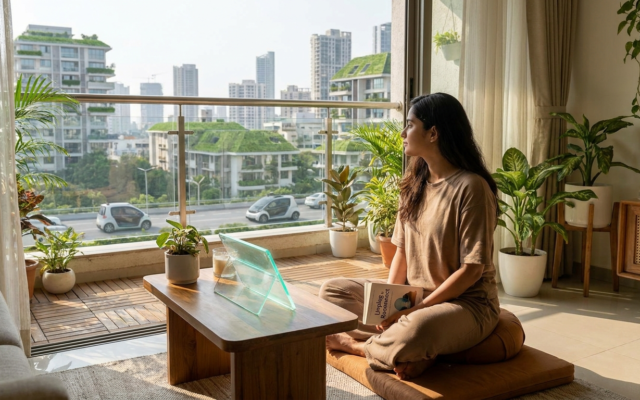
The shift is palpable. Corporate offices in Bengaluru and Pune are incorporating short mindfulness breaks into their workday. Schools in cities like Jaipur are introducing simple meditation exercises to help students manage academic pressures. Even busy homemakers in smaller towns are finding ways to weave moments of calm into their routines, often using readily available apps or guided audio sessions.
This widespread adoption is driven by a growing recognition of the profound impact mental well-being has on overall health. Stress, anxiety, and burnout are no longer dismissed lightly. Instead, they are acknowledged as serious health concerns that require active management. The accessibility of digital platforms has been a game-changer, bringing guided meditations and breathing exercises right to your fingertips, regardless of your location.
Digital Health: Bridging Gaps and Empowering Choices
The digital revolution in healthcare has truly come into its own in 2026, extending its reach far beyond urban centers. We are seeing a remarkable democratization of health information and personalized guidance, thanks to innovative apps and online platforms. This technology is empowering individuals across India to take charge of their well-being like never before.
Consider the impact of AI-powered diagnostic tools that can offer preliminary assessments, helping individuals decide when to seek professional medical advice. Telemedicine services, once a luxury, are now a vital lifeline, connecting patients in remote villages near Hampi with specialists in major cities. These platforms are also offering personalized diet plans, fitness tracking, and even mental health support, tailored to individual needs and cultural contexts.
A surprising fact is the rapid growth of vernacular language health content. Apps and websites are now offering expert advice in Hindi, Tamil, Bengali, and many other regional languages. This ensures that language is no longer a barrier to accessing crucial health information. You can now track your sleep patterns, monitor your hydration, and receive customized workout suggestions, all in your preferred language, directly from your smartphone.
The Sustainable Plate: Local, Seasonal, and Conscious
A significant trend shaping India’s wellness scene in 2026 is the powerful influence of sustainability. Consumers are increasingly connecting their personal health with the health of the planet, leading to a surge in demand for locally sourced, seasonal, and eco-conscious food choices. This isn’t just about what’s good for you; it’s about what’s good for the Earth too.
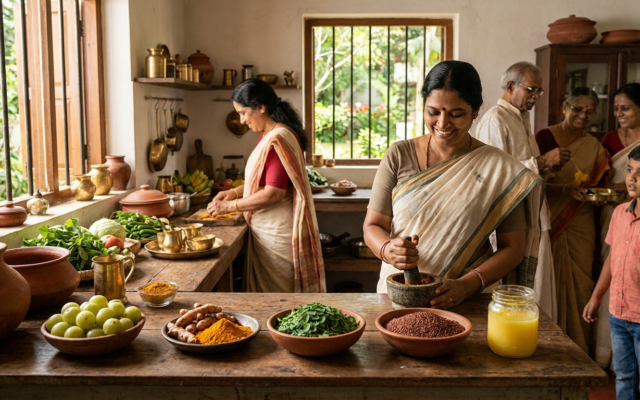
You’ll notice a renewed appreciation for traditional grains like millets (bajra, jowar, ragi), which are naturally drought-resistant and highly nutritious. Farmers’ markets and community-supported agriculture (CSA) initiatives are thriving in cities like Pune and Chennai, allowing consumers direct access to fresh, seasonal produce. This reduces the carbon footprint associated with long-distance food transportation.
Beyond food, this sustainable ethos extends to lifestyle choices. There’s a growing preference for natural, organic skincare products and a move away from single-use plastics in personal care routines. The narrative is shifting from mere consumption to conscious consumption, where every choice is weighed for its environmental and personal health impact. This mindful approach is creating a virtuous cycle, benefiting both individuals and the environment.
Personalized Nutrition: Beyond Generic Advice
The one-size-fits-all approach to nutrition is rapidly becoming obsolete in India. In 2026, personalization is the keyword, with individuals seeking dietary advice tailored to their unique genetic makeup, lifestyle, and health goals. This move towards precision nutrition is revolutionizing how we think about food and its impact on our bodies.
Companies are leveraging advancements in genetic testing and microbiome analysis to offer bespoke meal plans. Imagine a diet designed not just for your general health, but specifically to optimize your energy levels based on your DNA or to improve your gut health according to your unique microbial profile. This level of detail was science fiction just a few years ago.
Furthermore, the influence of traditional Indian dietary wisdom is being integrated with modern scientific insights. Understanding the principles of Ayurveda – like doshas and their specific dietary needs – is now being combined with data-driven insights from wearable tech and health apps. This synergy ensures that you’re not just eating healthy, but eating in a way that is profoundly suited to your individual biological landscape. For instance, someone in a cooler climate like Shimla might receive different recommendations than someone in the humid south, based on their constitution and environment.
The Rise of Experiential Wellness
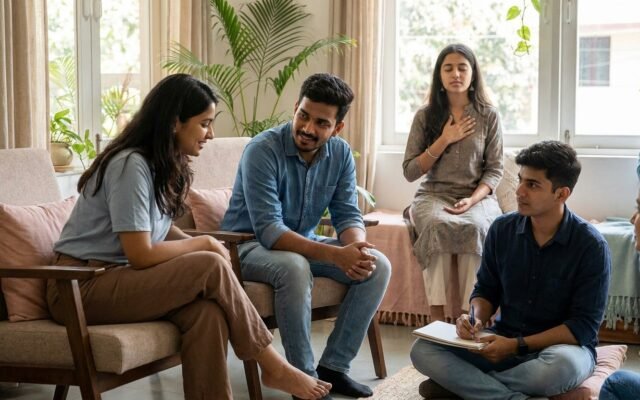
Wellness in 2026 is not just about solitary activities; it’s increasingly about shared experiences that foster community and deeper connection. We’re seeing a boom in “experiential wellness,” where activities are designed to be immersive, engaging, and often, communal. This goes beyond a simple yoga class to encompass holistic retreats and unique health-focused events.
Think of weekend retreats in the tranquil hills of Uttarakhand, combining sunrise yoga with organic farm-to-table cooking workshops and guided nature walks. Or consider innovative wellness festivals in Goa that integrate sound healing sessions, mindful dance workshops, and talks by leading health experts. These events are curated to offer a comprehensive sensory and intellectual engagement with well-being.
This trend reflects a growing desire for authentic human connection and a break from the often isolating nature of modern digital life. People are seeking out experiences that nourish their soul as well as their body. A surprising element here is the integration of traditional Indian arts and crafts into wellness programs. For example, a workshop might combine pottery making with mindful meditation, tapping into the therapeutic benefits of creative expression and ancient crafts.
Frequently Asked Questions
What are the most popular wellness activities in India in 2026?
In 2026, the most popular wellness activities include mindfulness meditation, personalized fitness regimes driven by apps, home-based yoga and pranayama, and organic, locally sourced meal planning. There’s also a growing interest in experiential wellness retreats and community-based health initiatives.
How is technology impacting Indian wellness trends?
Technology is democratizing access to health information and personalized guidance through AI-powered apps, telemedicine, and wearable devices. It’s enabling remote consultations, data-driven health insights, and personalized wellness plans accessible in vernacular languages, bridging geographical and linguistic barriers.
Is sustainable living a major part of Indian wellness now?
Yes, sustainable living is a significant driver of wellness trends in 2026. Consumers are prioritizing eco-friendly choices, local and seasonal produce (like millets), and conscious consumption in their daily lives, recognizing the link between personal health and planetary health.
How can I start my own wellness journey in 2026?
Begin by setting realistic goals and focusing on small, consistent changes. Explore digital wellness apps for guidance on meditation, fitness, and nutrition. Prioritize sleep, hydration, and whole foods. Don’t hesitate to seek professional advice when needed, and remember that consistency is key to long-term well-being.