The low thrum of Delhi traffic is a constant hum beneath daily life. Yet, beneath this familiar soundscape, a different kind of quiet often prevails – the silence surrounding mental health. For too long, discussions about anxiety, depression, and other mental health challenges have been hushed, confined to private corners, shrouded in shame and misunderstanding. It’s time to amplify these whispers into a powerful chorus of awareness, support, and acceptance across India. This isn’t merely about acknowledging a problem; it’s about actively weaving a healthier, more compassionate society for every single person.
Key Takeaways:
- Understanding the deep-rooted cultural barriers to open mental health discussions in India.
- Exploring the evolving landscape of mental health services and the impact of technology.
- Highlighting the crucial role of community support and destigmatization efforts.
- Learning about effective strategies for self-care and seeking help within the Indian context.
- Recognizing the progress being made and the path forward for improved mental well-being.
The Shadow of Stigma: Cultural Roots and Modern Realities
In the vibrant, intricate weave of Indian culture, where family ties and community bonds are paramount, the concept of mental health has often been relegated to the margins. For generations, psychological distress has been mistakenly seen as a sign of weakness, a moral failing, or even a spiritual imbalance. This deeply embedded stigma forms a formidable barrier, preventing countless individuals from seeking the help they so desperately need. Imagine a family living in a bustling Mumbai chawl. If a young woman experiences overwhelming sadness, the immediate reaction might be to blame marital stress or a lack of resilience, rather than a treatable condition like depression. The fear of bringing shame upon the family, jeopardizing marriage prospects, or facing ostracism from the community often forces these struggles into the shadows. This cultural conditioning isn’t confined to one region; it’s a pervasive narrative that echoes from the snow-capped peaks of Himachal Pradesh to the sun-drenched shores of Kerala.
The statistics paint a stark, undeniable picture. India is estimated to carry one of the heaviest burdens of mental illness globally, yet access to care remains critically low. A 2019 study by The Lancet Psychiatry indicated that nearly 14% of the Indian population suffers from some form of mental disorder, but less than 10% of those affected receive adequate treatment. This alarming chasm is a direct consequence of the pervasive stigma. Families often delay seeking professional help, opting for traditional remedies or simply hoping the problem will resolve itself. This procrastination can have devastating consequences, allowing conditions to worsen and become far more challenging to manage. The economic impact is also significant, with lost productivity and mounting healthcare costs. But beyond the cold numbers, there are countless personal stories of isolation and suffering, of lives dimmed by the weight of unspoken pain. The very fabric of community, so cherished in India, paradoxically becomes a source of silence when mental health is the subject.
Voices of Courage: Personal Journeys and Shifting Perceptions
The journey towards mental health awareness in India is not solely paved by policy shifts or clinical breakthroughs; it is profoundly shaped by the courage of individuals who dare to speak their truth. Consider the story of Priya, a software engineer from Bangalore, who, after years of battling crippling anxiety, finally confided in her closest friend. “I was terrified,” Priya shared during a recent online support group session. “I thought my career would be over, that my parents would disown me. The word ‘mental’ felt like a curse.” Her friend’s empathetic response, however, was a revelation. Instead of judgment, she offered understanding and helped Priya find a local therapist. This single act of kindness, this willingness to listen without prejudice, was a turning point. Priya’s experience highlights a critical aspect of destigmatization: the power of personal connection. When people see their friends, family, or colleagues openly discussing their mental health struggles and seeking help, it normalizes the conversation.
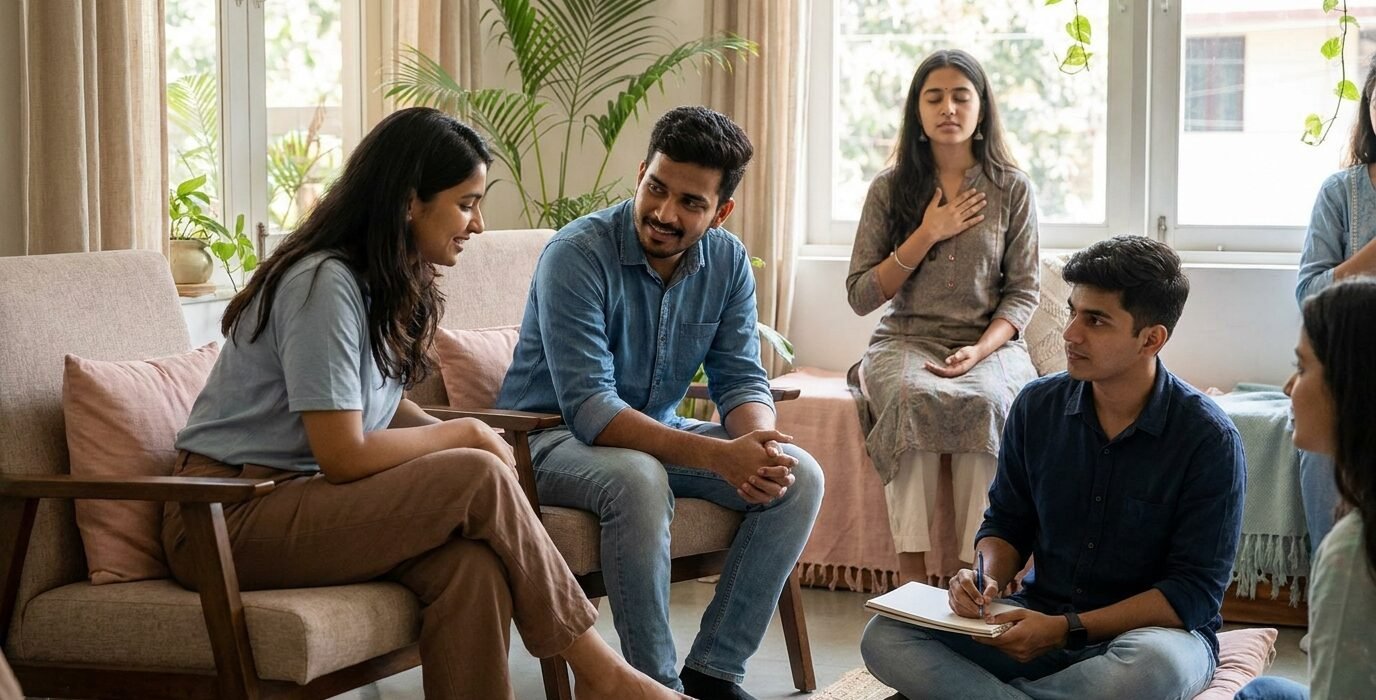
These personal narratives are gaining traction through various platforms. Social media influencers, celebrities, and everyday citizens are increasingly sharing their experiences, creating a ripple effect of hope and encouragement. A popular Bollywood actor recently spoke candidly about his struggles with depression, a move that resonated deeply with millions across the nation. Such public declarations chip away at the wall of shame, showing others that they are not alone. Support groups, both online and offline, are becoming vital havens. In cities like Chennai, community-led initiatives are organizing workshops and awareness drives in colleges and workplaces. These spaces allow individuals to connect with others who share similar experiences, fostering a sense of belonging and mutual support. The anecdotal evidence is powerful: a young man in Kolkata who found solace and practical advice in a peer support group for panic disorders. He learned coping mechanisms and felt empowered to advocate for himself. These stories are the bedrock upon which a more mentally healthy India is being built, one courageous voice at a time.
The Evolving Landscape: Access to Care and Technological Innovations
The landscape of mental healthcare in India is undergoing a significant transformation, driven by both increased awareness and technological advancements. While the traditional model of in-person therapy remains crucial, innovative approaches are expanding access to a population that has historically been underserved. For individuals living in remote villages or those with mobility issues, reaching a mental health professional can be an insurmountable challenge. This is where telemedicine and online counseling platforms are proving to be game-changers. Companies are developing user-friendly apps that connect individuals with qualified psychologists and psychiatrists via video calls, chat, or phone. This not only bridges geographical divides but also offers a degree of anonymity that can be comforting for those hesitant to seek in-person help. A study published in the Indian Journal of Psychiatry noted a substantial increase in the utilization of tele-mental health services during the COVID-19 pandemic, demonstrating their efficacy and scalability.
Beyond direct patient care, technology is also playing a vital role in training and education. Online modules and virtual reality simulations are being used to train a new generation of mental health professionals, addressing the critical shortage of skilled practitioners across the country. Furthermore, artificial intelligence is being explored for early detection of mental health issues through analysis of speech patterns and online behavior. While these technologies are still in their nascent stages, their potential to democratize mental healthcare is immense. The Indian government has also been making strides. The National Mental Healthcare Act of 2017 was a landmark legislation, aiming to provide mental healthcare services to all citizens and prohibit discrimination against persons with mental illness. Initiatives like the National Health Mission are increasingly incorporating mental health components, striving to integrate psychiatric care into primary healthcare settings. This shift from specialized, often inaccessible, mental health clinics to a more holistic, community-based approach is a vital step towards making mental well-being a fundamental aspect of public health.
Surprising Insights: Unpacking Misconceptions and Cultural Nuances
Delving deeper into the intricacies of mental health awareness in India reveals some surprising insights and counter-intuitive facts that challenge common assumptions. One such revelation is that while stigma is undeniably prevalent, there’s also a deeply ingrained cultural belief in the power of community and collective well-being. This duality means that when stigma is addressed effectively, community support can become an incredibly potent force for healing. For instance, in many rural communities, traditional healers and village elders, when educated and sensitized about mental health, can become powerful allies in destigmatization. They possess the trust and respect of the community, and their endorsement of seeking professional help can be far more impactful than any government campaign. A fascinating study from a village in Rajasthan found that integrating mental health awareness sessions into existing village council meetings significantly increased the number of people seeking help for common mental health issues.
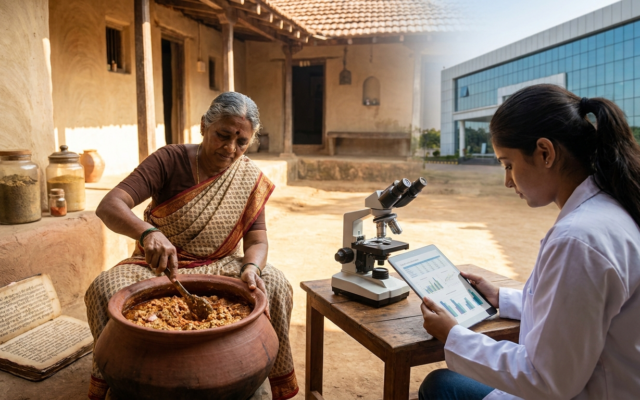
Another surprising aspect is the resilience and adaptability of traditional Indian coping mechanisms. While Western models of therapy are gaining prominence, many Indians still find comfort and efficacy in practices like yoga, meditation, and Ayurvedic principles, when integrated with modern mental healthcare. These practices, often dismissed by some as unscientific, can provide tangible benefits for stress reduction and emotional regulation. The key is not to pit traditional approaches against modern medicine but to explore synergistic integration. A counter-intuitive finding is that in some instances, the very family structures that can contribute to stigma can also be a source of immense strength once individuals feel safe to open up. When families are educated about mental health, they can transform from sources of pressure to pillars of support, actively participating in treatment plans and offering unwavering emotional backing. This requires a delicate balance, acknowledging the cultural context without allowing it to perpetuate harm. Understanding these nuances is crucial for developing effective and culturally sensitive mental health interventions in India.
Empowering Action: Strategies for Self-Care and Seeking Support
Navigating the complexities of mental health in India requires a proactive approach to self-care and a clear understanding of how to seek support. It’s about equipping yourself and your loved ones with the tools and knowledge to foster well-being. For many, the first step involves redefining personal beliefs about mental health. Challenge the notion that seeking help is a sign of weakness. Instead, view it as an act of strength and self-preservation. Simple, everyday practices can make a significant difference. Prioritizing adequate sleep, even amidst busy schedules, is fundamental. Incorporating mindfulness or meditation into your daily routine, even for just 5-10 minutes, can help manage stress and improve emotional regulation. Many excellent apps, like Headspace or Calm, offer guided meditations in multiple Indian languages.
Physical activity is another powerful ally. Whether it’s a brisk walk through a park in Hyderabad, a yoga session at home, or a game of cricket with friends, regular exercise releases endorphins, which have mood-boosting effects. Nutrition also plays a role. While the Indian diet is rich in many nutritious components, focusing on balanced meals and limiting processed foods can positively impact mood and energy levels. When it comes to seeking professional help, remember that there are various avenues available. Don’t hesitate to reach out to a general practitioner who can provide an initial assessment and referral. For more specialized care, explore online directories of psychologists and psychiatrists, paying attention to their qualifications and areas of expertise. Support groups, as mentioned earlier, offer invaluable peer support. Organizations like the Indian Association of Clinical Psychologists (IACP) and the National Institute of Mental Health and Neurosciences (NIMHANS) are excellent resources for finding qualified professionals and information. Remember, asking for help is a sign of courage, not failure.
A Collective Awakening: Building a Compassionate Future
The journey towards a mentally healthy India is a collective awakening, a shared responsibility that extends beyond individual efforts. It’s about fostering a societal shift where vulnerability is met with empathy, and seeking help is as normalized as visiting a doctor for a physical ailment. Imagine a future where a parent in a small town in Bihar feels as comfortable discussing their child’s anxiety with a counselor as they would discussing a fever. This vision is not a distant dream; it is an achievable reality, built brick by brick through consistent awareness campaigns, accessible resources, and a genuine commitment to understanding and supporting one another. The progress made in recent years, from legislative reforms to the growing chorus of voices sharing their stories, is a testament to the potential for profound change.
This is not just about treating illness; it’s about cultivating well-being. It’s about creating environments in our homes, workplaces, and communities where open conversations about emotions are encouraged, where mental health is recognized as an integral part of overall health, and where no one feels alone in their struggles. The strength of India lies in its people, in its rich cultural heritage of compassion and interconnectedness. By harnessing this inherent strength, we can dismantle the walls of stigma and build a future where every Indian has the opportunity to thrive, not just survive. The path ahead requires continued dialogue, unwavering support, and a collective commitment to ensuring that mental well-being is a priority for all.