Key Takeaways
- Explore the burgeoning landscape of Indian mental wellness apps designed for diverse cultural needs.
- Discover tools leveraging AI, gamification, and community support for accessible mental health care.
- Understand how these apps address specific Indian challenges like stigma and affordability.
- Learn about practical features for stress management, anxiety relief, and mindfulness.
The Digital Sanjeevani: A New Era for Mental Wellness in India
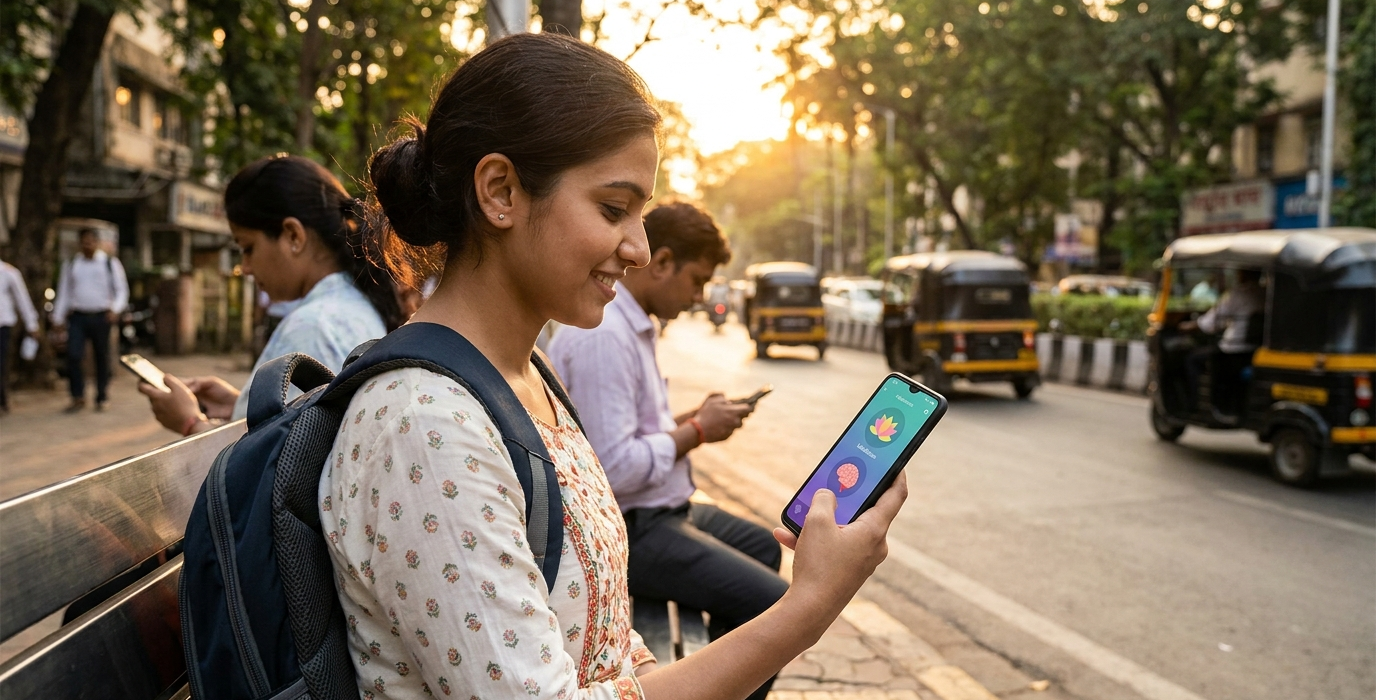
The hum of smartphones is now as familiar in India as the monsoon rains, and this ubiquitous technology is increasingly becoming a vital tool for mental well-being. In 2026, the digital landscape for mental health support in India is not just growing; it’s blossoming with innovative applications tailored to the unique cultural fabric and pressing needs of its people. Gone are the days when mental health was a hushed conversation, confined to hushed tones behind closed doors. Today, a wave of tech-savvy solutions is emerging, offering accessible, affordable, and stigma-free avenues for individuals seeking peace of mind.
These new platforms are more than just digital diaries or meditation timers. They are sophisticated ecosystems designed to nurture emotional resilience, combat rising stress levels, and provide a sense of community in an increasingly fragmented world. From the bustling metropolises of Mumbai and Delhi to the serene villages of Kerala, these apps are reaching corners of the country previously underserved by traditional mental health services. They understand that a one-size-fits-all approach simply won’t work in a nation as diverse as India, incorporating regional languages, cultural nuances, and practical economic considerations.
We are witnessing a paradigm shift where technology is democratizing mental healthcare, making it a proactive pursuit rather than a reactive necessity. This shift is crucial, especially as India navigates the complexities of a rapidly evolving society. The apps we’ll explore are at the forefront of this movement, offering tangible solutions and a glimmer of hope for millions.
AI-Powered Companions and Gamified Resilience
Artificial intelligence is no longer a futuristic concept; it’s a present-day reality that’s revolutionizing mental health support. Many of the latest Indian wellness apps are integrating AI to offer personalized experiences that adapt to individual user needs. These AI companions can track mood patterns, identify potential triggers for anxiety or stress, and provide real-time coping strategies. Think of it as having a discreet, always-available listener that learns and grows with you.
One such app, “Manas Mitra,” uses advanced natural language processing to engage users in supportive conversations. It’s designed to be non-judgmental and empathetic, offering guided exercises and journaling prompts based on the user’s input. The AI can even detect subtle shifts in language that might indicate a need for professional intervention, prompting users to seek help from a qualified therapist. This proactive approach is a game-changer, especially for those who might delay seeking help due to stigma or lack of awareness.
Beyond AI, gamification is another powerful tool being employed to make mental wellness engaging. Apps like “ZenQuest” turn self-care practices into interactive challenges and reward systems. Users can earn points for completing mindfulness sessions, engaging in gratitude exercises, or tracking their sleep. This gamified approach makes the journey of self-improvement feel less like a chore and more like an adventure. It taps into our innate desire for progress and achievement, fostering consistent engagement with mental health practices. The integration of these cutting-edge technologies signifies a commitment to making mental well-being not just accessible, but also appealing and sustainable for the Indian user.
Bridging the Gap: Affordability and Accessibility
One of the most significant hurdles to mental healthcare in India has historically been its inaccessibility, often due to cost and geographical limitations. However, the new generation of digital wellness platforms is actively addressing these challenges head-on. Many of these apps offer tiered subscription models, including generous free versions with core functionalities, making them accessible to a much wider demographic. This is a crucial step towards de-commodifying mental health support.
“Sparsh,” a popular app developed in collaboration with Indian psychologists, offers a freemium model. The free tier provides access to a library of guided meditations, breathing exercises, and mood trackers. For a nominal monthly fee, users can unlock premium features like personalized AI coaching, access to community forums moderated by mental health professionals, and even discounted sessions with certified therapists through integrated telehealth services. This tiered approach ensures that basic self-care tools are available to everyone, while offering more comprehensive support for those who can afford it.
Furthermore, these apps are being developed with an eye towards multilingual support. Recognizing that not everyone is comfortable with English, many platforms now offer interfaces and content in Hindi, Tamil, Bengali, and other major Indian languages. This linguistic inclusivity breaks down a significant barrier, allowing individuals to engage with mental health resources in their mother tongue, fostering a deeper sense of connection and understanding. This commitment to inclusivity ensures that the digital sanjeevani reaches every corner of the nation, regardless of language or economic background.
Culturally Sensitive Content: Understanding the Indian Psyche
The effectiveness of any mental health tool hinges on its ability to resonate with the user’s lived experiences. Indian mental wellness apps are increasingly demonstrating a profound understanding of the country’s rich cultural tapestry and its impact on mental well-being. They move beyond generic advice to offer content that acknowledges specific societal pressures, family dynamics, and cultural values prevalent in India.
For instance, apps are now offering modules specifically designed to address the pressures of arranged marriages, the complexities of intergenerational households, and the societal expectations placed upon individuals. Instead of simply talking about stress, they might offer coping mechanisms tailored to the anxieties associated with finding a suitable partner or navigating parental expectations. This culturally sensitive approach makes the advice feel more relevant and actionable.
A surprising fact is the integration of traditional Indian practices into these modern platforms. Many apps are incorporating elements of Ayurveda and Yoga, not just as physical exercises but as holistic approaches to mental balance. You might find guided meditations that draw from ancient yogic philosophies or breathing techniques rooted in pranayama, explained in a way that connects them to modern stress management. This fusion of ancient wisdom and contemporary technology creates a powerful synergy. For example, “Ananda Flow” includes guided sessions on mindfulness practices derived from Vipassana meditation, presented with explanations that connect its principles to reducing daily anxieties, making it deeply relevant to the Indian user.
Community and Connection: Fighting Loneliness Digitally
In a nation often characterized by strong community ties, the digital age can paradoxically lead to increased feelings of isolation. Recognizing this, many new Indian mental wellness apps are prioritizing the creation of supportive online communities. These platforms aim to foster a sense of belonging and shared experience, allowing users to connect with others who are facing similar challenges.
“Saathi Connect” is a prime example of this approach. It features moderated forums where users can share their experiences, offer encouragement, and participate in group discussions. These communities are often segregated by specific interests or challenges, such as dealing with work-related stress, managing chronic illness, or navigating grief. The moderation by mental health professionals ensures that discussions remain safe, supportive, and constructive. This fosters a sense of solidarity, helping users realize they are not alone in their struggles.
Another innovative feature is the introduction of peer support networks. These are carefully curated groups where individuals with shared experiences can offer mutual support under the guidance of trained facilitators. This not only provides a valuable support system but also empowers individuals to become active participants in their own and others’ recovery journeys. The ability to connect with someone who truly understands your specific context, without the immediate need for professional intervention, can be incredibly therapeutic.
The Future is Proactive: Integrated Care and Early Intervention
The evolution of mental wellness apps in India is moving beyond simple self-help tools towards more integrated and proactive models of care. The focus is shifting from managing crises to building resilience and preventing mental health issues before they escalate. This proactive stance is crucial for a country with a vast population and limited mental health resources.
Many platforms are now integrating seamlessly with healthcare ecosystems. They can securely share anonymized data (with user consent, of course) with healthcare providers, enabling a more holistic view of an individual’s well-being. This allows doctors and therapists to gain deeper insights into a patient’s daily emotional state, complementing traditional consultations. For example, if an app detects a consistent decline in a user’s mood or sleep patterns, it can flag this to their registered healthcare provider, facilitating timely intervention.
Furthermore, these apps are increasingly incorporating educational modules and early warning systems. Users can learn about common mental health conditions, understand the signs and symptoms, and access resources for seeking professional help. Some advanced applications even utilize AI to predict potential periods of increased vulnerability based on user activity and self-reported data, offering preventative strategies and support. This predictive capability, while still nascent, holds immense promise for early intervention, potentially averting more severe mental health challenges. The ultimate goal is to create a digital safety net that supports mental well-being throughout an individual’s life, making mental health as much a part of our daily routine as physical fitness.
Frequently Asked Questions
Are these apps truly effective for serious mental health conditions?
While these apps can be incredibly beneficial for managing everyday stress, anxiety, and promoting general well-being, they are generally not a substitute for professional medical advice or treatment for severe mental health conditions like clinical depression or psychosis. They are best used as complementary tools or for early intervention and support.
How do these apps ensure user privacy and data security?
Reputable Indian mental wellness apps adhere to strict data privacy regulations, similar to global standards. They typically employ end-to-end encryption and anonymization techniques. Users are always informed about data usage policies and have control over their personal information. Always check the app’s privacy policy.
Can I access these apps offline?
Many core features, such as pre-downloaded meditation sessions, breathing exercises, and journaling prompts, are often available offline. However, features that require real-time interaction, community forums, or telehealth services will necessitate an active internet connection.
What is the cost involved in using these apps?
Many apps offer a robust free tier with essential features. Premium versions, which unlock advanced functionalities, personalized coaching, or access to exclusive content, typically operate on a subscription basis, with monthly or annual payment options. Prices vary widely.