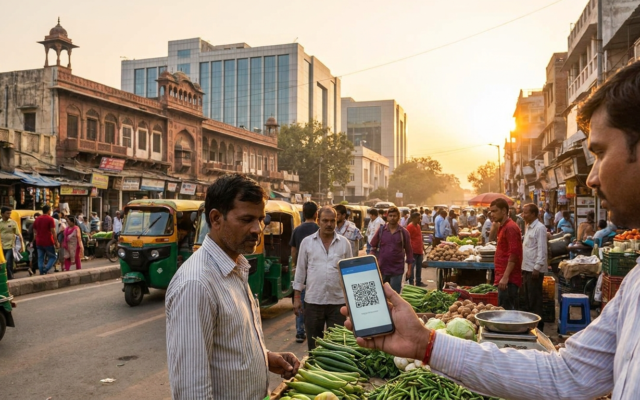
Key Takeaways
- The new tax regime, now the default, offers substantial savings for many Indian taxpayers in FY 2026-27, especially with its revised slabs and higher rebate.
- While deductions are fewer, strategic investments in specific tax-efficient instruments can still yield significant benefits under the new regime.
- Understanding the marginal tax rate is crucial to making informed decisions about salary structuring and investment choices.
- For specific financial planning needs, consulting a qualified tax advisor remains the most prudent approach to maximise your savings.
Navigating the New Tax Regime: Your 2026-27 Roadmap
The Indian income tax landscape has shifted, and for the financial year 2026-27, the new tax regime stands as the default choice for most taxpayers. This regime, often hailed for its simplicity and lower tax rates, presents a unique opportunity for individuals to optimise their tax liabilities. Gone are the days of juggling numerous deductions and exemptions; the focus now is on understanding the streamlined slabs and leveraging the available, albeit limited, avenues for savings.
We know that navigating tax laws can feel like deciphering an ancient script. However, with a clear understanding of the current framework and some smart strategies, you can effectively reduce your tax outgo. This guide is designed to equip you with the knowledge you need to make the most of the new regime, ensuring your hard-earned money works harder for you. Let’s explore how you can achieve significant tax savings without the traditional complexities.
Understanding the Core Benefits of the New Regime
The primary allure of the new tax regime lies in its simplified structure and enhanced rebate. For FY 2026-27, the rebate limit has been raised to ₹7 lakh. This means if your total taxable income is up to ₹7 lakh, you won’t pay any income tax. This is a significant boost for individuals with moderate incomes, effectively offering tax-free earnings up to this threshold. It simplifies tax planning considerably for a large segment of the population.
Beyond the rebate, the regime features revised tax slabs that often result in lower tax rates compared to the old regime for many income levels. For instance, the 5% slab extends up to ₹3 lakh, followed by a 10% slab. This tiered approach, coupled with the higher rebate, makes the new regime a compelling option. We’ll delve into how these slabs translate into actual savings for different income groups shortly.
Key takeaway here: The increased rebate and revised slabs are designed to put more money back into your pocket, especially if you’re earning below ₹7 lakh annually. This simplification is not just about convenience; it’s about tangible financial relief.
Strategic Investment Avenues Under the New Regime
While the new tax regime largely disallows many common deductions like those under Section 80C (PPF, ELSS, life insurance premiums), there are still avenues for smart tax planning. The key is to focus on the deductions that remain permissible. One of the most significant is the Standard Deduction of ₹50,000 for salaried individuals. This is automatically available and reduces your taxable salary income.
Furthermore, the regime still allows for deductions related to housing loan interest under Section 24(b) for self-occupied property, up to ₹2 lakh. This is a crucial point for homeowners. If you have an outstanding home loan, this deduction can significantly reduce your taxable income. For those in metro cities like Mumbai or Delhi, this can be a substantial saving.
Another important consideration is employer contributions to NPS (National Pension System). While employee contributions under NPS are generally not deductible in the new regime, employer contributions up to 10% of basic salary plus dearness allowance (for government employees) or 14% (for non-government employees) are allowed as a deduction. This is a fantastic way for employers to contribute to your retirement while also offering a tax benefit.
Surprising Fact: Did you know that even under the new tax regime, contributions made by your employer to your superannuation fund (up to ₹1.5 lakh annually) are tax-exempt? This is often overlooked, but it represents a significant tax-free benefit you receive from your employer.
Maximising Savings Through Salary Structuring and Other Options
For salaried individuals, understanding the impact of salary structuring is paramount. While many traditional deductions are gone, some employer-provided benefits can still offer tax advantages. For example, food coupons or meal vouchers up to ₹50 per meal, for 22 meals a month, offer a tax-free benefit. Similarly, children’s education allowance up to ₹100 per month per child (for a maximum of two children) is also tax-exempt.
The Standard Deduction of ₹50,000 is already factored in for salaried individuals. This means your taxable salary is automatically reduced by this amount before applying the tax slabs. For those earning just above ₹7 lakh, ensuring this deduction is applied correctly is vital to stay below the tax-free threshold if possible.
Consider also the leave travel concession (LTC). While its utilisation might be subject to specific conditions and government guidelines, any tax-exempt portion of LTC can contribute to your overall savings. It’s about being aware of all the permissible benefits and optimising their use. For individuals in cities like Bengaluru or Hyderabad, where living costs are high, these smaller tax-free benefits can add up.
A crucial point for dual-income households: If both spouses are earning, coordinating your salary structures and investment plans can lead to significant overall tax savings for the family unit. This requires careful planning and a clear understanding of each individual’s tax situation.
The Power of the Marginal Tax Rate: What You Need to Know
Understanding your marginal tax rate is perhaps the most critical aspect of tax planning in any regime, and the new regime is no exception. Your marginal tax rate is the rate of tax you pay on your *next* rupee earned. This is different from your average tax rate, which is your total tax paid divided by your total income.
In the new tax regime, the slabs are structured as follows for FY 2026-27:
- ₹0 to ₹3,00,000: Nil
- ₹3,00,001 to ₹6,00,000: 5%
- ₹6,00,001 to ₹9,00,000: 10%
- ₹9,00,001 to ₹12,00,000: 15%
- ₹12,00,001 to ₹15,00,000: 20%
- Above ₹15,00,000: 30%
Let’s say your taxable income is ₹9,50,000. Your marginal tax rate on the additional ₹50,000 you earn above ₹9 lakh is 15%. This is important when considering taking on extra work or seeking a raise. It helps you quantify the ‘take-home’ amount after tax.
For instance, if you are at an income level where earning an additional ₹10,000 pushes you into the next tax bracket, you effectively only keep ₹8,500 of that extra income (after considering the 15% tax). This calculation empowers you to make better decisions about earning more versus other financial goals.
“In the new tax regime, focusing on the rebates and deductions that remain permissible, like housing loan interest and employer NPS contributions, is key. Don’t assume there are no savings opportunities; just that they are more targeted.”
Comparing Tax Regimes: A Quick Glance
While the new regime is the default, it’s worth remembering that individuals can still opt for the old tax regime if it proves more beneficial. The old regime allows for a plethora of deductions under Section 80C, 80D, HRA, etc. The decision hinges entirely on your individual financial situation, particularly the extent to which you utilise these deductions.
For example, if you have significant investments in PPF, ELSS, and pay substantial life insurance premiums, and also claim HRA benefits, the old regime might still be advantageous. However, if your deductions are minimal, the simplicity and lower rates of the new regime, especially with the ₹7 lakh rebate, will likely offer greater savings.
Here’s a simplified comparison to illustrate:
| Feature | New Tax Regime (Default) | Old Tax Regime (Optional) |
|---|---|---|
| Rebate Limit | ₹7 Lakhs (No tax up to this income) | ₹5 Lakhs (No tax up to this income) |
| Standard Deduction | ₹50,000 (for salaried) | No standard deduction (but other deductions compensate) |
| Section 80C Deductions | Not Allowed | Allowed (up to ₹1.5 Lakhs) |
| Housing Loan Interest (Self-Occupied) | Allowed (up to ₹2 Lakhs under Section 24(b)) | Allowed (up to ₹2 Lakhs under Section 24(b)) |
| HRA Exemption | Not Allowed | Allowed |
| Complexity | Lower | Higher |
Surprising Fact: The government has indicated that the new tax regime is being continuously reviewed and simplified. Future amendments might introduce more incentives or make certain deductions accessible, even within the new framework, making it even more attractive.
Frequently Asked Questions
Should I switch to the new tax regime for FY 2026-27?
For most individuals, especially those earning up to ₹10-12 lakh annually and not utilising many traditional deductions, the new tax regime is likely to offer greater savings due to its lower rates and higher rebate. However, if you have significant investments or expenses eligible for deductions under the old regime (like HRA, Section 80C, 80D), it’s advisable to compare both scenarios. Your employer will usually ask you to declare your preferred regime.
Are there any Section 80C deductions available in the new tax regime?
No, the new tax regime does not allow for deductions under Section 80C. This means investments like Public Provident Fund (PPF), National Savings Certificate (NSC), life insurance premiums, and equity-linked savings schemes (ELSS) will not reduce your taxable income if you opt for the new regime.
What is the standard deduction under the new tax regime?
For salaried individuals and pensioners, a standard deduction of ₹50,000 is available under the new tax regime. This deduction is applied to your gross salary income before calculating the tax liability. It’s a straightforward way to reduce your taxable income without any specific investment.
Can I claim HRA exemption in the new tax regime?
No, House Rent Allowance (HRA) exemption is not available under the new tax regime. If you are a salaried individual claiming HRA, you would need to carefully compare the tax benefits under the old regime against the savings offered by the new regime to determine which is more advantageous for you.
Is it possible to save tax if my income is above ₹15 lakh in the new regime?
Yes, it is still possible to save tax even with an income above ₹15 lakh in the new regime. While the highest marginal tax rate is 30%, there are still permissible deductions like housing loan interest (Section 24(b)) and employer contributions to NPS. Additionally, understanding your exact taxable income after standard deduction is crucial. For incomes significantly above ₹15 lakh, the 30% slab applies, but the effective tax rate might be lower after accounting for available deductions and the general structure.