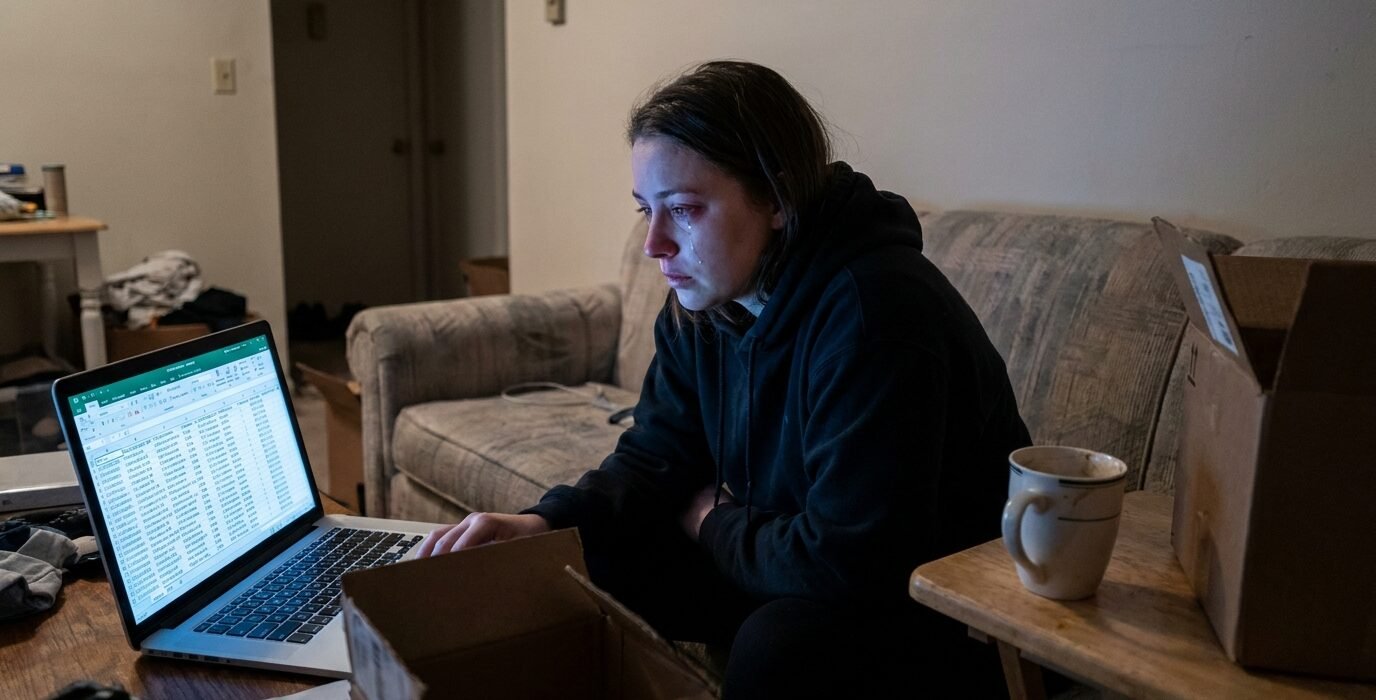
The dream of a stable home in Australia is slipping further away for millions. Rent prices are soaring. Vacancies are plummeting. The once-familiar feeling of security is being replaced by gnawing anxiety. This isn’t just an economic issue. It’s a deep, personal crisis impacting our mental well-being in profound ways.
Key Takeaways:
- The Australian rental crisis is directly linked to escalating rates of anxiety, depression, and stress.
- Young Australians and those on lower incomes are disproportionately affected, facing immense pressure to find and maintain housing.
- Constant fear of eviction and the inability to plan for the future contribute to chronic stress and a sense of hopelessness.
- The lack of affordable, secure housing impacts relationships, career prospects, and overall physical health.
- Support systems and policy changes are crucial to mitigating the mental health fallout of this crisis.
The Unsettling Ground Beneath Our Feet
Imagine waking up every morning to the dread of potentially receiving an eviction notice. This isn’t a hypothetical scenario. It’s the daily reality for countless Australians. In bustling Sydney suburbs like Marrickville, where community gardens once thrived and families put down roots, a different kind of rootlessness is taking hold. Sarah, a single mother of two, shared her story with me from her cramped apartment. “Every time the landlord calls, my heart pounds,” she confessed, her voice barely a whisper. “We’ve been here three years, and my kids finally feel settled, but I live in fear of that ‘we’re selling’ conversation.”
This constant vigilance, this inability to truly relax in your own home, erodes mental fortitude. It’s like living on an earthquake fault line, always bracing for the next tremor. The sheer unpredictability of rental markets across Australia, from the tight competition in Melbourne’s inner north to the growing demand in Perth’s outer suburbs, means that stability is a luxury many can no longer afford. The average rent increase in capital cities has outpaced wage growth significantly. Many households are now spending over 30% of their income on rent.
This financial strain is a direct precursor to mental distress. It manifests as sleep disturbances, irritability, and a pervasive sense of being overwhelmed. The emotional labour of constantly searching for new, often more expensive, accommodation adds another layer of exhaustion. It’s a cycle that’s hard to break, leaving individuals feeling trapped and powerless. The weight of this uncertainty can feel crushing, impacting everything from your ability to concentrate at work to your patience with your children. The very foundation of a secure life – a safe and stable home – is being shaken.
From Hope to Hopelessness: Stories from the Frontline
Consider the experience of Liam, a 24-year-old apprentice plumber in Brisbane. He works hard. He diligently saves for a deposit. But the ever-increasing prices make it feel like a mirage. “I’m living in share housing, and it’s getting tougher,” he explained, frustration evident in his tone. “My mates and I talk about it all the time. We’re all doing the right thing, working, but we can’t even get a decent rental, let alone think about buying. We’re being priced out of our own city.”
Liam’s situation is echoed by many young Australians. They are delaying major life decisions – partnerships, starting families, even pursuing further education – because they can’t secure stable housing. The anxiety isn’t just about finding a place. It’s about the constant fear of not being able to afford the rent increase when the lease is up, or facing an unexpected eviction. This precariousness chips away at self-esteem and fosters a deep sense of injustice.
I spoke with Dr. Anya Sharma, a clinical psychologist who has seen a marked increase in clients presenting with rental-related anxiety. “We’re seeing a generation grappling with chronic stress,” she told me. “The inability to plan for the future, to feel settled, is profoundly damaging. It impacts their sense of identity and their belief in their own future.” She recalled a patient, a young teacher named Chloe, who moved to regional Victoria hoping for a more affordable life. She only found rental vacancies scarce and prices still prohibitive. Chloe developed severe panic attacks, struggling to sleep and finding it difficult to engage with her students due to her own internal turmoil. The constant search, the rejection emails, the open houses packed with hopefuls – it all takes a significant emotional toll. This isn’t just a matter of inconvenience. It’s a mental health emergency unfolding in plain sight across Australia, from the coastlines of Queensland to the inland towns.
The Ripple Effect: Beyond Just Housing Costs
The impact of the rental crisis extends far beyond the immediate financial burden. It permeates every aspect of an individual’s life, creating a ripple effect of stress and instability. For families, especially those with young children, the constant threat of displacement can be devastating. Moving schools, leaving behind established friendships, and disrupting routines can have long-lasting consequences on a child’s emotional development and academic performance. Parents often internalize this stress, leading to increased conflict at home and a pervasive sense of guilt for not being able to provide a stable environment.
I met with Mark and Emily, who were forced to move their family of four from their rental in Adelaide’s southern suburbs after their landlord decided to sell. “It was chaos,” Mark recounted. “We had to find a new place, pack up everything, and the kids were so upset. My daughter, Lily, who’s eight, started wetting the bed again. It broke my heart.” This is not an isolated incident. The disruption to children’s lives can be significant, affecting their sense of security and belonging.
Beyond families, the crisis also impacts career progression. Many individuals are hesitant to take on new job opportunities that might require relocation. They may feel tethered to less fulfilling roles simply because they can’t risk losing their current, albeit expensive, accommodation. This can lead to feelings of stagnation and resentment. The physical health consequences are also undeniable. Chronic stress, a direct byproduct of housing insecurity, is linked to a myriad of health problems, including cardiovascular issues, weakened immune systems, and digestive disorders. When you’re constantly worried about where you’ll sleep next month, your body is in a perpetual state of fight or flight, which is incredibly draining.
The social fabric of communities can also fray. When people are constantly moving, genuine connections and a sense of belonging become harder to cultivate. Neighbourhoods lose their stability, and the shared experiences that build strong communities diminish. This isn’t just about the economic cost of rent. It’s about the erosion of well-being, the fracturing of families, and the stifling of individual potential across Australia.
The Unseen Burden: Mental Health Statistics and Emerging Trends
The statistics paint a stark picture. But the human stories behind them are even more compelling. Research from various Australian mental health organisations indicates a significant rise in anxiety and depression diagnoses directly attributable to housing stress. A recent report by Beyond Blue highlighted that a substantial percentage of Australians seeking mental health support cited financial difficulties, with housing costs being a primary driver. This isn’t just about a few isolated cases. It’s a systemic issue impacting hundreds of thousands.
Consider the growing phenomenon of “rental stress syndrome,” a term coined by some psychologists to describe the persistent, low-grade anxiety and hopelessness that stems from prolonged housing insecurity. It’s the feeling of being constantly on edge, the inability to truly switch off, and the gnawing worry about the future. This syndrome can manifest in various ways, from difficulty concentrating and making decisions to increased irritability and social withdrawal. It’s a silent epidemic that’s quietly taking its toll.
Furthermore, the crisis disproportionately affects vulnerable populations. Young adults, single-parent families, Indigenous Australians, and individuals with pre-existing mental health conditions face amplified challenges. For instance, a young person trying to establish independence in a competitive market like Melbourne might find themselves trapped at home longer than they anticipated, delaying crucial developmental milestones and fostering feelings of inadequacy. The sheer desperation can lead some to accept substandard housing conditions, further compromising their physical and mental health. This isn’t just about affordability. It’s about the quality of life and the fundamental human right to secure housing.
The data consistently shows a correlation between housing stability and positive mental health outcomes. Conversely, instability is a potent predictor of psychological distress. The current situation in Australia, with its record-low vacancy rates and sky-high rents, is creating a breeding ground for these negative mental health trends. The pressure cooker environment of the rental market is having a tangible and detrimental effect on the nation’s collective well-being.
Expert Insights and Pathways to Resilience
Navigating the complexities of the rental crisis requires a multi-faceted approach, blending immediate support with long-term solutions. Dr. Eleanor Vance, a leading sociologist specializing in urban housing markets, emphasizes the need for systemic change. “We cannot simply address the symptoms; we must tackle the root causes,” she stated during a recent interview. “This involves increasing the supply of affordable housing, implementing stronger tenant protections, and exploring innovative housing models.” She points to initiatives in cities like Perth, where community housing organisations are working to create more secure and affordable rental options, as examples of what can be achieved with concerted effort.
Beyond policy, fostering individual resilience is also critical. Mental health professionals are developing strategies to help individuals cope with the stress of housing insecurity. Techniques such as mindfulness meditation, cognitive behavioural therapy (CBT) for anxiety, and building strong social support networks are proving effective. “It’s about equipping people with tools to manage their anxiety and regain a sense of control, even in uncertain circumstances,” explained Sarah Jenkins, a counsellor working with a community support service in regional Queensland. “We encourage our clients to focus on what they can control – their reactions, their self-care routines, and their connections with others.”
She shared an anecdote about a client who, after months of feeling overwhelmed, found solace in a local gardening group. The simple act of nurturing plants provided a sense of purpose and a tangible escape from her worries. This highlights the importance of community engagement and finding outlets for stress reduction. Furthermore, advocating for policy change is a crucial component. Grassroots organisations and tenant advocacy groups are playing a vital role in raising awareness and lobbying governments for more equitable housing policies. Their efforts are essential in pushing for rental reforms, increased social housing investment, and measures to curb speculative property investment. The collective voice of those affected can be a powerful force for change. It’s a combination of systemic action, individual coping mechanisms, and community advocacy that will ultimately help mitigate the mental health toll of this crisis.
Reclaiming Stability: The Long Road Ahead
The stories of those struggling with the Australian rental crisis are a stark reminder that housing is more than just bricks and mortar. It’s a fundamental determinant of our mental and emotional well-being. The constant anxiety, the fear of displacement, and the erosion of hope are not abstract economic indicators but deeply personal experiences that scar individuals and families. We’ve heard from Sarah in Marrickville, Liam in Brisbane, and Chloe in regional Victoria, each representing a fragment of a larger, more complex narrative of struggle. Their experiences underscore a critical truth: the rental crisis is not just an affordability issue. It’s a mental health crisis that demands our urgent attention.
The ripple effects are far-reaching, impacting our children’s development, our career aspirations, and our physical health. The statistics, while alarming, only hint at the depth of human suffering. Yet, amidst the challenges, there are pathways to resilience and hope. Expert insights and community-led initiatives offer tangible strategies for coping and advocating for change. The journey towards a more stable and equitable housing market in Australia is undoubtedly long and arduous. It requires a collective commitment from policymakers, community leaders, and individuals alike to prioritize mental well-being alongside economic stability. The dream of a secure home should not be an unattainable luxury but a fundamental right, enabling all Australians to thrive, not just survive.