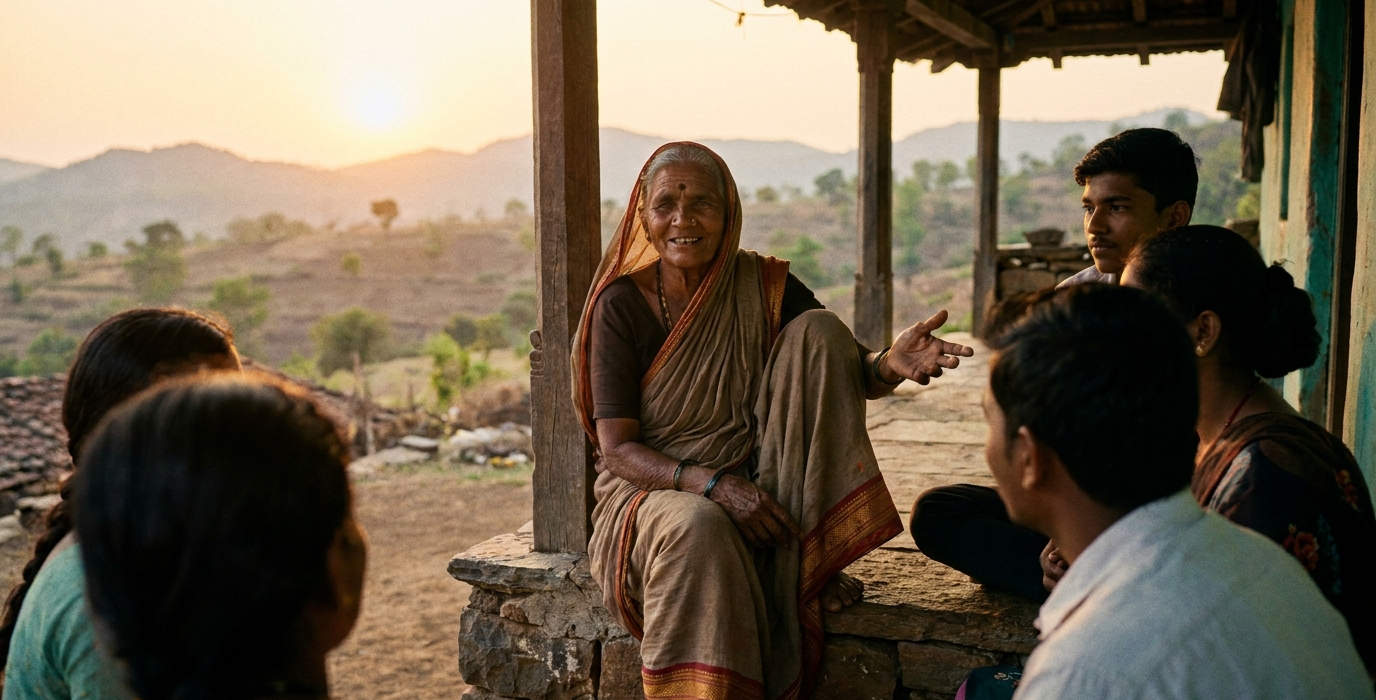
Here are some inspiring Marathi stories from 2026 that will warm your heart and fuel your determination. These tales of resilience and innovation demonstrate the unwavering spirit of Maharashtra.
Key Takeaways
- Discover how a Mumbai-based entrepreneur turned a childhood dream into a thriving social enterprise, impacting thousands.
- Learn about a Pune-based initiative that is reviving traditional agricultural practices, ensuring food security and empowering rural women.
- Explore the story of a young artist from Nagpur who is using their craft to raise awareness about environmental issues and inspire change.
- Understand the importance of community spirit through the example of a village in the Konkan region that rebuilt itself after a natural disaster.
From Mumbai’s Streets to Global Stages: The Story of ‘Umeed’
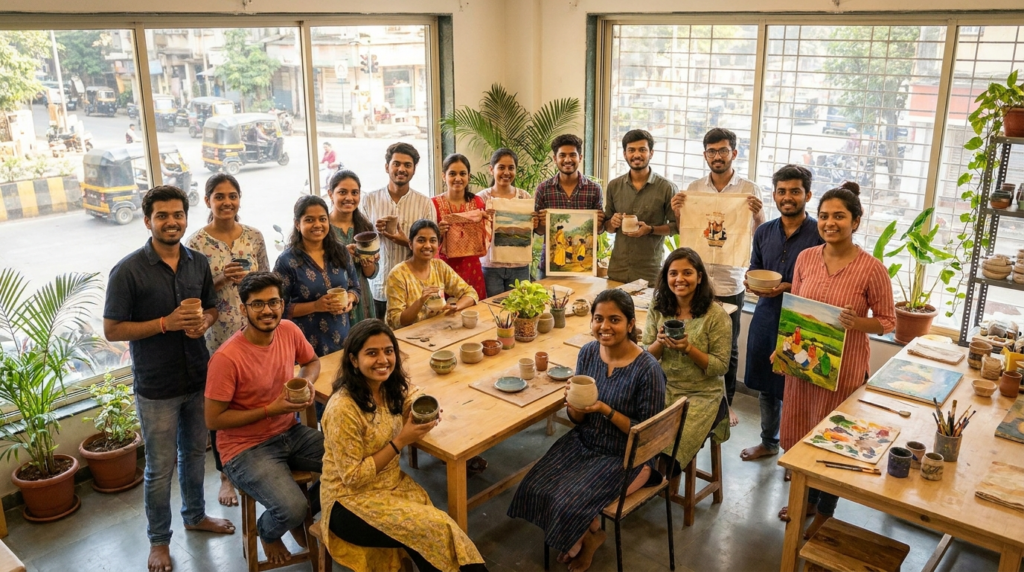
In the bustling heart of Mumbai, amidst the cacophony of auto-rickshaws and chattering crowds, a remarkable journey unfolded. Priya Sharma, a name now synonymous with social entrepreneurship, began her venture, ‘Umeed’ (Hope), with a simple yet profound vision: to empower underprivileged youth through vocational training and artistic expression. Her own childhood, spent in the narrow lanes of Dharavi, had instilled in her a deep empathy for those struggling to find their footing. Today, ‘Umeed’ is not just a training centre; it’s a beacon of opportunity, offering courses in everything from tailoring and computer literacy to traditional Marathi folk art.
Priya’s initial struggles were immense. Securing funding, finding a suitable space, and gaining the trust of the community were uphill battles. Yet, her unwavering conviction and hands-on approach slowly began to yield results. She personally mentored dozens of young individuals, helping them build confidence and marketable skills. A significant turning point came in 2024 when ‘Umeed’ received a grant from a national philanthropic foundation, allowing them to expand their reach. This expansion enabled them to partner with local NGOs and government bodies, further solidifying their presence. One of ‘Umeed’s most celebrated projects is the ‘Rangoli Revolution’, where young women from the program create intricate, eco-friendly rangoli designs for festivals and events, earning a sustainable income and preserving a cherished art form. This initiative not only provides financial independence but also fosters a sense of pride and cultural continuity. The success of ‘Umeed’ has been documented by various media outlets, highlighting Priya’s dedication. The Indian Express recently featured her work, calling her “Mumbai’s Angel of Hope.”
Pune’s Agro-Revival: The ‘Maitri Krishi’ Movement
In the fertile plains surrounding Pune, a quiet revolution is taking root, spearheaded by the ‘Maitri Krishi’ (Friendly Agriculture) movement. This initiative champions the return to traditional, sustainable farming methods, moving away from the chemical-intensive practices that have dominated for decades. At its core is a group of passionate agronomists and local farmers who believe that ancient wisdom holds the key to both environmental health and economic prosperity. They are actively promoting techniques like crop rotation, natural pest control using indigenous herbs, and water conservation methods such as rainwater harvesting and drip irrigation adapted for local conditions.
The impact of ‘Maitri Krishi’ is multifaceted. Not only are they reducing the ecological footprint of agriculture in the region, but they are also significantly improving the health and livelihoods of the farming communities. Women, often the backbone of agricultural labour, have found new avenues for empowerment through this movement. They are being trained in organic farming techniques, managing community seed banks, and participating in the direct marketing of their produce through farmer’s markets in Pune and surrounding cities. These markets, a direct initiative of ‘Maitri Krishi’, cut out middlemen, ensuring farmers receive a fairer price for their hard work. A surprising fact is that many of these traditional methods, once dismissed as outdated, are now being studied by international agricultural research institutions for their efficiency and resilience in the face of climate change. The movement’s commitment to biodiversity is also noteworthy, with a focus on cultivating heritage varieties of millets and pulses that are nutritionally superior and better adapted to the local climate. The Maharashtra government has also recognized the importance of these efforts, providing support for farmer training programs and infrastructure development for organic produce.
Nagpur’s Canvas for Change: The Art of Aditya Deshmukh
Aditya Deshmukh, a young artist hailing from Nagpur, is using his paintbrush and chisel not just to create beauty, but to spark crucial conversations about our planet’s future. His art, often a stunning blend of traditional Warli motifs and contemporary environmental themes, has begun to capture national attention. From colossal murals depicting the impact of plastic waste on marine life to intricate sculptures crafted from recycled materials, Aditya’s work is a powerful visual narrative of humanity’s relationship with nature. He believes that art has the unique ability to bypass intellectual barriers and speak directly to the emotions, making it a potent tool for social change.
His journey began with a simple observation: the increasing pollution in the local Ambazari Lake. This sparked a series of artworks that brought the plight of the lake to the forefront of public consciousness. Aditya then expanded his focus, creating a series of installations that highlighted the deforestation in the nearby Satpura Tiger Reserve and the dwindling populations of migratory birds that once graced Nagpur’s skies. He collaborates with schools and community groups, conducting workshops where children learn about environmental stewardship through creative expression. A particularly impactful project involved using discarded plastic bottles to create a mosaic artwork of a tiger, a stark reminder of the threats faced by these majestic creatures. This initiative not only beautified a public space but also served as a constant visual reminder of the need for conservation. Aditya’s work has been exhibited in galleries across India, and he is increasingly being invited to speak at environmental forums. His TEDx talk in 2025, titled “Painting a Greener Tomorrow,” resonated deeply with audiences worldwide. The Ministry of Environment, Forest and Climate Change has acknowledged his contributions in raising public awareness.
Konkan’s Resilience: The Rebirth of Varkha Village
The year 2023 brought devastating floods to the Konkan coast, leaving many villages in ruins. Among them was Varkha, a picturesque coastal hamlet known for its cashew farms and vibrant fishing community. The waters receded, leaving behind a landscape of despair and destruction. However, the spirit of Varkha did not break. What followed was a testament to the power of community, collaboration, and an unwavering will to rebuild. Led by local elders and supported by an outpouring of aid from across India, the residents of Varkha embarked on an extraordinary journey of recovery.
The rebuilding process was not merely about reconstructing houses; it was about revitalizing the very fabric of their community. They organized themselves into task forces, each focusing on different aspects of reconstruction and livelihood restoration. Fishermen, whose boats were damaged, worked together to repair them, sharing resources and expertise. Farmers, whose fields were inundated, pooled their efforts to clear debris and replant crops. A surprising element of their recovery was the revival of traditional boat-building techniques, passed down through generations, which proved more durable and cost-effective than modern alternatives. The women of Varkha played a pivotal role, not only in rebuilding homes but also in reviving cottage industries, such as making dried fish and cashew products, which became a crucial source of income. This collective effort was supported by various NGOs and the state government, but the driving force was undoubtedly the indomitable spirit of the Varkha villagers themselves. Their story is a powerful reminder that even in the face of overwhelming adversity, unity and determination can pave the way for a brighter future. The National Disaster Response Force, which was instrumental in initial rescue operations, has often cited Varkha as a model of community-led disaster recovery.
“The true measure of a community’s strength lies not in its absence of challenges, but in its collective will to rise above them, hand in hand.”
The Sweet Success of ‘Aamrapali’ Mangoes: A Farmer’s Legacy
In the sun-drenched orchards of Ratnagiri, the legacy of the ‘Aamrapali’ mango continues to flourish, thanks to the dedication of farmers like Suresh Kadam. For decades, the ‘Aamrapali’ variety, a cross between the Dusheri and Neelam mangoes, has been prized for its unique flavour, aroma, and rich pulp. Suresh, whose family has cultivated these mangoes for three generations, believes that preserving the quality and heritage of this fruit requires more than just traditional farming; it demands a deep understanding of the soil, the climate, and the very soul of the mango tree. His farm, ‘Amba Manjari’ (Mango Blossom), has become a benchmark for excellence in the region.
Suresh is not just a grower; he’s an innovator. He has been at the forefront of adopting precision farming techniques, using soil sensors and weather stations to optimise irrigation and nutrient delivery, ensuring each mango receives the perfect care. He has also championed organic certification for his produce, believing that chemical-free mangoes are not only healthier for consumers but also better for the environment. This commitment has paid off, with ‘Amba Manjari’ mangoes fetching premium prices in both domestic and international markets. A surprising aspect of his operation is the intricate tracking system he has implemented, allowing consumers to trace the origin of their mangoes right back to the specific tree on his farm, fostering an unprecedented level of transparency and trust. He actively participates in workshops and seminars, sharing his knowledge with younger farmers, ensuring that the art and science of growing superior mangoes are passed on. The success of Suresh and farmers like him has not only boosted the local economy but has also reinforced the global reputation of Indian mangoes. The Agricultural and Processed Food Products Export Development Authority (APEDA) has highlighted Suresh’s farm as an example of best practices in horticultural export.
‘Digital Sakshar’: Bridging the Urban-Rural Divide in Nashik
The digital revolution, while transforming urban India, has often left its rural hinterlands behind. In Nashik district, however, a grassroots initiative called ‘Digital Sakshar’ (Digital Literate) is actively working to bridge this gap. This program, driven by a team of dedicated volunteers and local educators, focuses on equipping individuals in remote villages with essential digital literacy skills. From understanding how to operate a smartphone and navigate the internet to accessing government services online and using digital payment platforms, ‘Digital Sakshar’ is empowering rural communities to participate fully in the modern economy.
The program’s approach is hands-on and highly localized. They conduct mobile training sessions, taking computers and internet connectivity to villages that lack permanent infrastructure. The curriculum is designed to be practical and relevant, teaching participants how to use agricultural apps for weather forecasts and market prices, how to access online education resources for their children, and how to connect with family and friends through social media. A particularly inspiring component involves training village women to use digital platforms to market their handicrafts and agricultural produce directly to urban consumers, bypassing traditional intermediaries and increasing their income. This has led to a noticeable increase in the economic independence of women in participating villages. The initiative has also been instrumental in helping villagers access crucial government schemes and subsidies that are increasingly being disbursed digitally. The success of ‘Digital Sakshar’ in Nashik has garnered attention from other districts, with plans underway to replicate its model. The National Informatics Centre (NIC) has provided technical support and guidance for the program’s digital infrastructure.
Frequently Asked Questions
What makes the ‘Umeed’ initiative stand out?
‘Umeed’ stands out because it goes beyond basic vocational training. It focuses on holistic development, including artistic expression and building self-confidence, while also ensuring its graduates are equipped with marketable skills and have pathways to sustainable employment.
How is ‘Maitri Krishi’ helping rural women?
‘Maitri Krishi’ empowers rural women by training them in sustainable organic farming, managing community seed banks, and facilitating direct market access for their produce, thereby increasing their income and decision-making power.
What is the main message behind Aditya Deshmukh’s art?
Aditya Deshmukh’s art conveys a powerful message about environmental responsibility and the urgent need for conservation. He uses his unique artistic style to raise awareness about ecological issues and inspire action towards a greener future.
How did Varkha village rebuild itself after the floods?
Varkha village rebuilt itself through immense community spirit and collaboration. Residents worked together to restore livelihoods, repair infrastructure, and revive traditional skills, demonstrating remarkable resilience and unity.