Key Takeaways
- The Union Budget 2026-27 prioritises sustained economic growth with a focus on infrastructure, rural development, and digital transformation.
- Expect targeted relief for small and medium enterprises (SMEs) and a renewed push for green energy initiatives.
- Fiscal consolidation remains a key objective, with measures aimed at managing the fiscal deficit without stifling growth.
- Consumers can anticipate potential shifts in direct and indirect taxation, impacting personal finance and spending patterns.
Economic Pillars: Growth and Stability
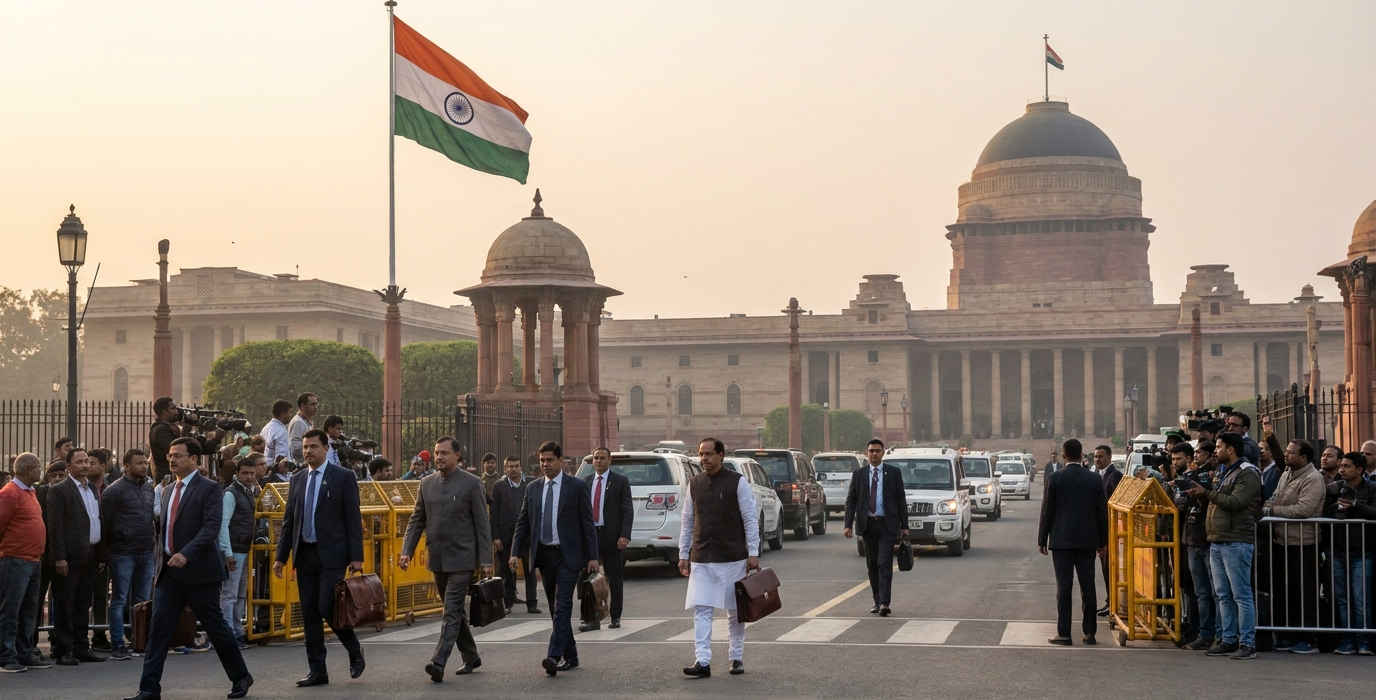
The Union Budget 2026-27 is poised to lay out a roadmap for India’s economic future, emphasizing a delicate balance between robust growth and fiscal prudence. Finance Minister Nirmala Sitharaman, presenting her seventh budget, is expected to reiterate the government’s commitment to making India a global manufacturing hub and a significant player in the digital economy. The overarching theme will likely be inclusive development, ensuring that economic progress benefits all sections of society, from the bustling metropolises to the remote villages of Ladakh.
A significant portion of the budget allocation is anticipated for infrastructure development. This includes ambitious plans for expanding national highways, strengthening the railway network, and enhancing port capacity. The aim is to reduce logistics costs, improve connectivity, and stimulate economic activity across various sectors. Furthermore, a renewed focus on renewable energy projects, particularly solar and wind power, is expected, aligning with India’s climate commitments and its drive towards energy independence. These investments are crucial for long-term sustainable growth and creating a more resilient economy.
Rural Empowerment and Digital India
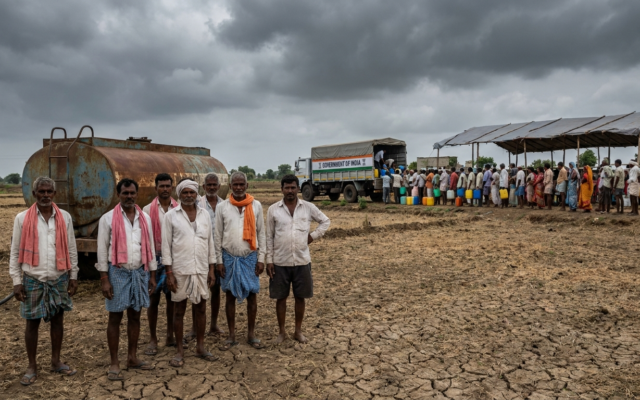
Beyond urban centres, the budget will likely address the critical needs of rural India. Agriculture remains a cornerstone, with provisions for enhancing farmer income through better market access, credit facilities, and technological adoption. Initiatives aimed at improving irrigation, soil health, and crop diversification will be key. The government understands that a strong rural economy is fundamental to national prosperity.
Simultaneously, the Digital India mission will receive a substantial boost. Expect increased funding for expanding broadband connectivity to underserved areas, promoting digital literacy, and supporting the growth of startups in the tech space. The government sees digital transformation as a powerful tool for economic empowerment and efficient governance, aiming to bridge the digital divide and unlock new opportunities for millions. This dual focus on rural upliftment and digital advancement is designed to create a more equitable and dynamic economic landscape.
SMEs: The Backbone of India’s Economy
Small and Medium Enterprises (SMEs) form the backbone of India’s industrial and employment landscape. This year’s budget is expected to introduce targeted measures to bolster their competitiveness and resilience. Recognizing the challenges faced by SMEs, particularly in the post-pandemic economic environment, the government is likely to focus on easing access to credit, simplifying regulatory compliance, and promoting technology adoption. These are vital steps to ensure that these enterprises can thrive and contribute more significantly to the nation’s GDP.
One of the key proposals could be an enhancement of credit guarantee schemes, making it easier for SMEs to secure loans from banks without excessive collateral. There might also be provisions for tax incentives for technology upgradation and skill development within these businesses. Furthermore, efforts to streamline GST compliance and reduce the burden of audits are anticipated. The goal is to create a more conducive business environment that fosters innovation and expansion for SMEs, ultimately leading to job creation and economic diversification.
Digitalisation and Global Reach
The budget may also explore ways to promote the digital transformation of SMEs, enabling them to leverage e-commerce platforms and digital marketing to reach wider markets, both domestic and international. Support for adopting cloud computing, cybersecurity solutions, and digital payment systems could be part of the package. By equipping SMEs with these tools, the government aims to enhance their efficiency and global competitiveness.
A surprising element could be the introduction of “SME Clusters of Excellence,” special economic zones designed to provide integrated support services, including shared manufacturing facilities, research and development labs, and business incubation centres, to groups of SMEs in specific sectors. This innovative approach could foster collaboration and drive economies of scale, giving smaller players a better chance to compete. Such initiatives underscore the commitment to nurturing this vital sector.
Fiscal Consolidation and Revenue Generation
While growth remains paramount, the government is also keenly aware of the need for fiscal discipline. The Union Budget 2026-27 is expected to outline a clear path towards fiscal consolidation, aiming to manage the fiscal deficit within acceptable limits. This involves a careful review of government expenditure and a strategic approach to revenue generation. The aim is to build long-term economic stability without hindering the momentum of development initiatives.
Expect a focus on optimising tax administration to improve compliance and widen the tax base. This could include measures to simplify tax procedures, leverage technology for better enforcement, and reduce tax evasion. While significant increases in direct tax rates are unlikely, there might be adjustments in certain indirect taxes or levies to boost revenue. The government will be treading a fine line, ensuring that any revenue-raising measures do not disproportionately affect the common citizen or stifle economic activity.
Targeted Subsidies and Expenditure Review
A significant aspect of fiscal consolidation will involve a review of existing subsidies. The budget might propose a rationalisation of certain subsidies, ensuring they are more targeted and efficient in achieving their intended objectives. This doesn’t necessarily mean drastic cuts, but rather a re-evaluation to ensure optimal utilisation of public funds. Expenditure on non-essential items is also likely to be scrutinised.
A potentially surprising but crucial element could be the introduction of a “Fiscal Responsibility Index” for government ministries and departments. This would create accountability for budget utilisation and performance, encouraging ministries to spend funds effectively and efficiently. Such a move would align with global best practices and signal a strong commitment to responsible financial management. The government’s approach will be to ensure that every rupee spent contributes maximally to national development.
Green Energy and Climate Action
India’s commitment to a sustainable future will be prominently reflected in the budget, with a significant push for green energy and climate action. The focus will be on accelerating the transition to renewable energy sources, reducing carbon emissions, and promoting environmental conservation. This is not just an international obligation but also an economic opportunity, with the potential to create new industries and jobs. The budget will likely allocate substantial funds for these initiatives.
Key areas of investment are expected to include solar power deployment, both at the utility scale and rooftop level, and the development of wind energy projects. There will likely be incentives for electric vehicle (EV) adoption, including charging infrastructure development and manufacturing support. Furthermore, the budget may introduce measures to promote green hydrogen production, a promising clean fuel for the future. The government aims to position India as a leader in the global green economy.
Sustainable Infrastructure and Conservation
Beyond energy, the budget will also address sustainable infrastructure development. This could involve promoting green building materials, improving waste management systems, and investing in water conservation projects. There might be incentives for industries to adopt cleaner production processes and reduce their environmental footprint. The goal is to integrate environmental considerations into all aspects of economic planning and execution.
A surprising and forward-thinking initiative could be the establishment of a “National Green Climate Fund” specifically for climate adaptation and resilience projects in vulnerable regions. This fund, potentially seeded by a small green cess on certain industries and matched by government contributions, would help communities in flood-prone areas or drought-stricken regions to build resilient infrastructure and develop adaptive strategies. This proactive approach demonstrates a deep understanding of the climate challenges ahead.
Consumer and Corporate Sector Impact
The Union Budget 2026-27 will have a direct impact on the personal finances of millions of Indians and the operational landscape for businesses. For consumers, potential shifts in direct and indirect taxation will be keenly watched. While major overhauls are not expected, minor adjustments in income tax slabs or deductions could provide some relief or increase the tax burden for certain income groups. Similarly, changes in GST rates on specific goods and services could influence household spending patterns.
The corporate sector can anticipate continued focus on ease of doing business and a predictable tax regime. While the government is unlikely to raise corporate tax rates significantly, there might be refinements in tax incentives for specific sectors, such as manufacturing, R&D, and technology. The aim is to encourage investment, foster innovation, and create a stable environment for businesses to grow and contribute to job creation.
Investment Climate and Savings
The budget may also introduce measures to boost domestic savings and investment. This could involve enhancements to existing savings schemes or the introduction of new financial products that encourage long-term investment. For the startup ecosystem, continued support through tax breaks and easier access to funding will likely be a priority. The government understands that a vibrant startup culture is crucial for economic dynamism.
A surprising detail could be the introduction of a “Digital Savings Account” initiative, where a portion of salary or income can be automatically directed into a tax-advantaged digital savings product, encouraging systematic saving. This would leverage the widespread adoption of digital platforms and promote financial discipline among the populace. The overall intent is to create a more robust and inclusive financial ecosystem for all stakeholders.
Frequently Asked Questions
What are the main priorities of the Union Budget 2026-27?
The main priorities are sustained economic growth, with a strong emphasis on infrastructure development, rural empowerment, digital transformation, and green energy initiatives. Fiscal consolidation remains a key objective to ensure long-term economic stability.
How will the budget likely impact SMEs?
SMEs can expect targeted measures to improve access to credit, simplify regulations, and promote technology adoption. The government aims to enhance their competitiveness and resilience through various schemes and incentives.
What can consumers expect in terms of taxation?
Consumers may see minor adjustments in direct and indirect taxation. While major tax hikes are unlikely, changes in income tax slabs or GST rates on specific items could influence personal finance and spending.
Will there be a focus on environmental initiatives?
Yes, the budget is expected to have a significant push for green energy, including solar and wind power, electric vehicles, and green hydrogen production. Sustainable infrastructure and conservation efforts will also be key areas of focus.
What is the government’s approach to fiscal deficit management?
The government aims for fiscal consolidation by optimising tax administration, reviewing subsidies for efficiency, and scrutinising non-essential expenditure. The goal is to manage the fiscal deficit responsibly without hindering growth initiatives.