Key Takeaways
- Delhi Metro’s ambitious 2026 expansion is set to transform daily commutes, significantly reducing travel times across the National Capital Region.
- The new lines will connect previously underserved areas, boosting economic activity and improving access to essential services for millions.
- Expect enhanced multimodal integration, making transfers between metro, bus, and other transport modes smoother than ever before.
- Environmental benefits are substantial, with increased ridership projected to lower vehicular emissions and traffic congestion.
A City Connected: The Vision Behind the 2026 Metro Surge
New Delhi is on the cusp of a monumental shift. As of August 2026, the Delhi Metro Rail Corporation (DMRC) has unveiled its most extensive expansion phase yet, promising to stitch together the sprawling National Capital Region (NCR) with unprecedented efficiency. This isn’t just about adding more stations; it’s a strategic reimagining of urban mobility, designed to bring the city closer to its residents and its aspirations.
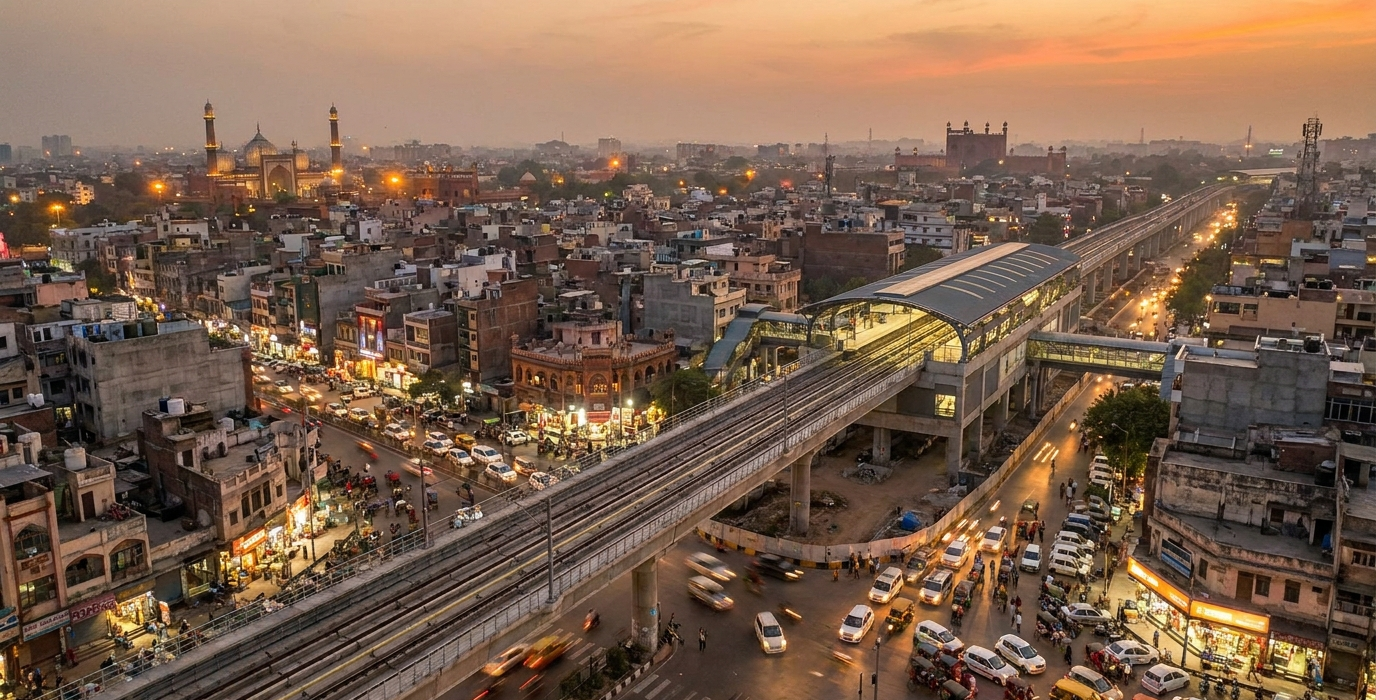
The sheer scale of this undertaking is staggering. Over 100 kilometers of new lines are being inaugurated, weaving through bustling commercial hubs, quiet residential enclaves, and even extending into neighbouring Haryana and Uttar Pradesh. For millions of daily commuters, this translates directly into shorter journeys, less stress, and more time for what truly matters. The vision is clear: a Delhi where distance is no longer a barrier.
This expansion is deeply rooted in the principles of sustainable urban development. By providing a reliable and attractive alternative to private vehicles, the DMRC aims to drastically reduce road congestion and the attendant air pollution that has long plagued the city. This is a proactive step towards a greener, healthier future for one of the world’s most dynamic megacities. It’s an investment not just in infrastructure, but in the well-being of its citizens.
Bridging the Gaps: Unlocking Economic and Social Opportunities
The ripple effects of this metro expansion extend far beyond mere transit convenience. By connecting peripheral areas to the city’s core, these new lines are poised to unlock significant economic and social opportunities. Imagine a homemaker in Greater Noida gaining easier access to job opportunities in Gurgaon, or a student from Bahadurgarh reaching their university in North Campus without multiple, time-consuming transfers. This is the democratising power of accessible public transport.
The economic stimulus will be palpable. Businesses located near new metro stations are likely to see increased footfall and easier access to a wider talent pool. This will foster new commercial activity, create jobs, and potentially revitalise areas that have historically been considered remote. The Delhi-Noida-Ghaziabad-Meerut Regional Rapid Transit System (RRTS), now seamlessly integrated with several new metro stations, further amplifies this effect, creating a true multimodal network.
Furthermore, these new lines will improve access to essential services such as healthcare and education. Families in developing satellite towns will find it easier to reach specialised hospitals or higher education institutions in Delhi. This enhanced connectivity fosters social inclusion, ensuring that all residents, regardless of their geographical location within the NCR, have a fairer chance to thrive. The goal is to make Delhi a truly inclusive metropolis.
The Eastward Reach: Connecting the Dots in Uttar Pradesh
A significant portion of the 2026 expansion focuses on strengthening the eastern corridors. New lines are now operational, connecting key areas of Ghaziabad and extending towards Meerut, significantly enhancing the commute for residents of Uttar Pradesh who work or study in Delhi. This development is particularly crucial for the burgeoning population in these satellite cities.
The integration with the RRTS is a game-changer here. Commuters can now transition effortlessly from the metro to the high-speed rail, drastically cutting down inter-state travel times. For instance, a journey that once took over two hours could now be completed in under 60 minutes, making daily commutes a realistic proposition for a much larger population. This isn’t just about speed; it’s about making a larger region function as a cohesive economic unit.
These eastern extensions are also designed to spur local development. Areas that were previously underserved by rapid transit are now on the metro map. This will encourage investment in commercial and residential real estate, improve access to local markets, and potentially lead to the creation of new employment hubs closer to these communities. The DMRC’s foresight is directly contributing to balanced regional growth.
The Green Corridor: A Breath of Fresh Air for Delhi
The environmental implications of this metro expansion cannot be overstated. Delhi, often ranked among the world’s most polluted cities, stands to gain immensely from a robust and accessible public transportation system. The DMRC’s projections indicate a substantial reduction in vehicular emissions, a direct consequence of diverting millions of daily commuters from private cars and two-wheelers to the metro.
Each new metro line is a step towards cleaner air. By offering a comfortable, reliable, and affordable alternative, the metro encourages a modal shift that is critical for the city’s environmental health. The DMRC has also continued its commitment to green building practices for its new stations and depots, incorporating solar power and rainwater harvesting systems, further minimising its own ecological footprint.
Consider the sheer volume of traffic diverted. If even 20% of the estimated daily ridership on the new lines switches from private vehicles, the reduction in carbon monoxide and particulate matter will be significant. This translates to fewer respiratory illnesses, a more pleasant urban environment, and a tangible step towards meeting India’s climate commitments. The “green corridor” of the Delhi Metro is literally helping the city breathe easier.
Surprising Fact: Did you know that the energy generated from regenerative braking systems on Delhi Metro trains is enough to power several large office buildings? The 2026 expansion further optimises this technology, contributing significantly to the metro’s overall energy efficiency.
Seamless Journeys: The Future of Multimodal Integration
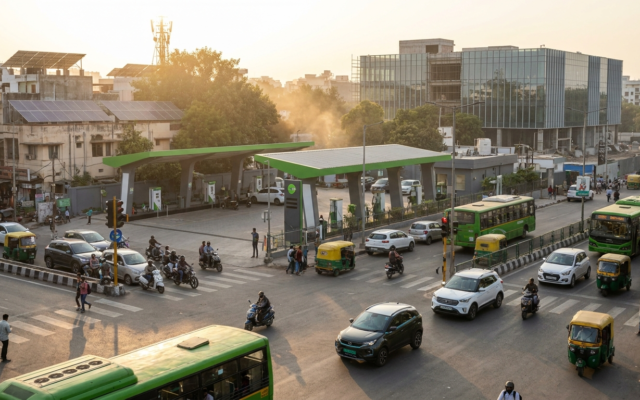
The 2026 expansion marks a new era for multimodal transport in Delhi. The DMRC has worked extensively with other transport agencies to ensure that transfers between the metro and other modes are as seamless as possible. This includes improved connectivity with the Delhi Transport Corporation (DTC) bus network, auto-rickshaw stands, and designated taxi pick-up points.
At major interchange stations, you’ll find redesigned concourses that facilitate quicker and more intuitive transitions. The integration of ticketing systems is also a key focus. While a fully unified smart card for all modes is still evolving, the DMRC has introduced contactless payment options that are being increasingly accepted by bus services and even some ride-hailing aggregators, simplifying the payment process for passengers.
The goal is to make the entire journey, from your doorstep to your final destination, as frictionless as possible. This enhanced multimodal integration is crucial for encouraging people to leave their cars at home. When you can easily switch from a metro ride to a short bus hop or an auto ride without significant delays or complex ticketing, the convenience factor for public transport skyrockets. It’s about creating a truly integrated urban mobility ecosystem.
Navigating the Network: Tips for New Commuters
For those new to navigating the expanded Delhi Metro, here are a few tips to make your journey smoother. Firstly, familiarise yourself with the new line colours and their corresponding routes using the DMRC’s official app or website. Secondly, consider purchasing a Delhi Metro Smart Card for faster entry and exit, and to avail of minor discounts on fares.
When transferring between lines, follow the signage carefully, especially at major interchange stations like Rajiv Chowk or Botanical Garden, which have seen significant upgrades. These stations are designed to guide you efficiently through the network. Don’t hesitate to ask station staff for assistance if you’re unsure about your connection; they are there to help.
Finally, plan your journey during off-peak hours if possible, especially if you are travelling with luggage or during busy commuting times. The new lines, while increasing capacity, still experience peak hour congestion. Being mindful of this can make your travel significantly more comfortable. The DMRC is also increasing train frequency on key corridors to manage demand.
The Road Ahead: Challenges and Opportunities
While the 2026 expansion represents a monumental achievement, the journey of urban mobility is continuous. Challenges remain, including the ongoing need for last-mile connectivity solutions in newly developed areas and the constant maintenance required for such an extensive network. The DMRC must also continue to innovate to keep pace with evolving passenger expectations and technological advancements.
However, the opportunities presented by this expansion are immense. It lays the foundation for further urban planning that prioritises public transport, encourages sustainable living, and fosters a more equitable distribution of resources and opportunities across the NCR. The success of these new lines will undoubtedly pave the way for future phases of expansion and integration with other transport initiatives.
The DMRC’s commitment to passenger safety and comfort remains paramount. With the introduction of new trains featuring enhanced passenger information systems and improved accessibility features, the focus is on creating a world-class travel experience for all. This expansion isn’t an endpoint; it’s a significant milestone in Delhi’s ongoing transformation into a truly global smart city, where mobility is seamless, sustainable, and serves the needs of every citizen.
“The 2026 Delhi Metro expansion isn’t just about physical infrastructure; it’s about building social capital and fostering economic growth by making time and distance work for the people of the NCR.”
Surprising Fact: The Delhi Metro is one of the few metro systems globally to achieve the prestigious ISO 9001, ISO 14001, and OHSAS 18001 certifications for quality management, environmental management, and occupational health and safety, respectively. This rigorous standardisation is applied to its new lines as well.
Frequently Asked Questions
What are the main new metro lines inaugurated in 2026?
The 2026 expansion includes significant new lines extending into Ghaziabad, Faridabad, and towards Meerut, as well as several new spur lines connecting previously underserved pockets within Delhi. Key additions include extensions on the Blue Line, Pink Line, and the integration of new corridors that directly link with the RRTS network.
How will the new metro lines affect traffic congestion in Delhi?
By providing a reliable and efficient alternative to private vehicles, the expanded metro network is projected to significantly reduce traffic congestion. The DMRC estimates a reduction of several lakh vehicles from Delhi’s roads daily, leading to lower travel times and improved air quality.
Are there any new ticketing or fare options with the 2026 expansion?
While no major overhaul of the fare structure has been announced, the DMRC is continuing to promote the use of Smart Cards and is exploring wider acceptance of contactless payment methods. Passengers are encouraged to check the DMRC app for the latest updates on fare options and integrated ticketing initiatives.
What is the expected impact on property values near the new metro stations?
Historically, proximity to metro stations has led to an appreciation in property values. The 2026 expansion is expected to boost real estate in the newly connected areas, making them more desirable for residential and commercial development due to enhanced accessibility and connectivity.
How can I find real-time information about the new metro lines?
The most reliable source for real-time information, including train timings, service updates, and route maps, is the official Delhi Metro Rail Corporation (DMRC) mobile application and website. These platforms are regularly updated to reflect the operational status of all lines, including the new 2026 extensions.