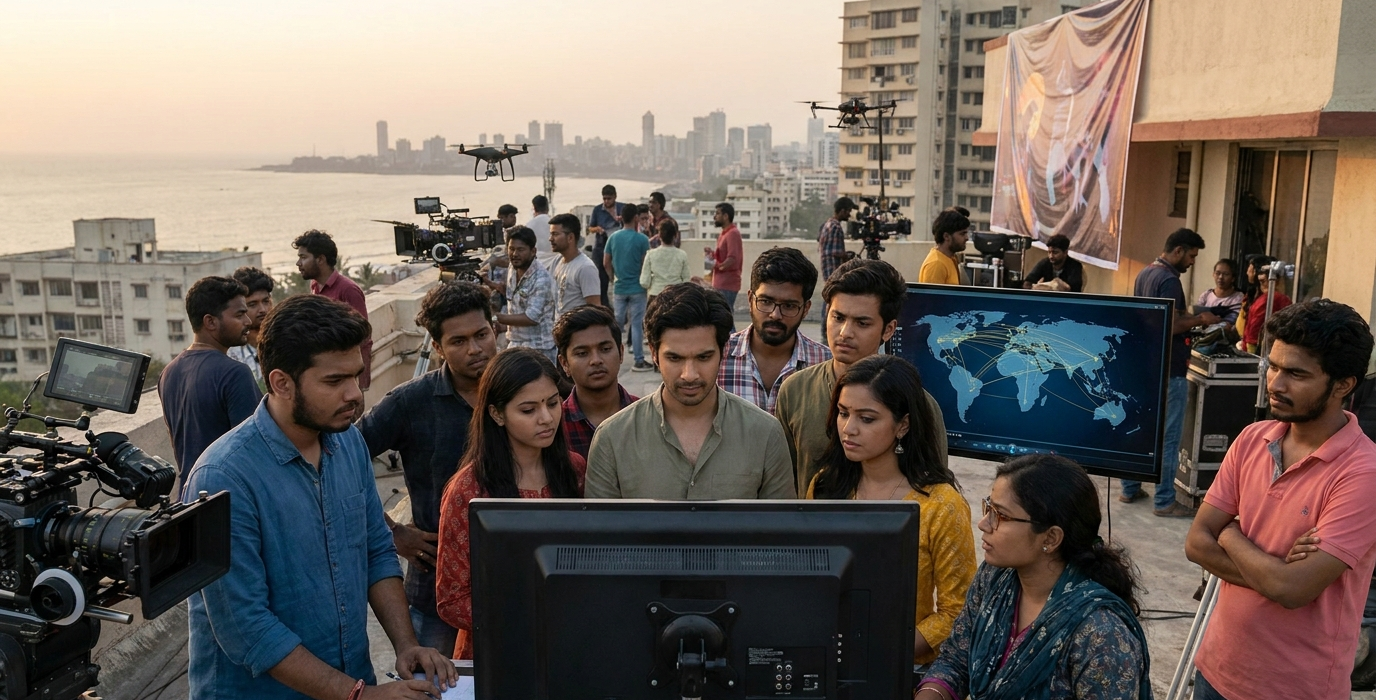
Key Takeaways
- Indian cinema, particularly Bollywood, is strategically eyeing global markets with a focus on diverse storytelling and high-quality production.
- The industry is embracing digital platforms and international co-productions to expand its reach and cater to a wider audience.
- New-age filmmakers are experimenting with genres and narratives that resonate beyond traditional Indian diaspora audiences.
- Technological advancements and a growing pool of international talent are fuelling this global expansion.
The Shifting Sands of Bollywood: Beyond the Box Office
The year 2026 marks a pivotal moment for Indian cinema, often colloquially referred to as Bollywood, as it boldly steps onto the global stage with unprecedented ambition. For decades, the industry has enjoyed a dedicated following, particularly within the Indian diaspora across the UK, North America, and Southeast Asia. However, a palpable shift is underway, moving beyond reliance on these established markets towards a more expansive, nuanced global outreach. This isn’t just about bigger budgets or international stars; it’s a fundamental reorientation of how stories are conceived, produced, and distributed to captivate audiences worldwide.
Filmmakers and producers are now keenly aware that success beyond India’s borders requires more than just song-and-dance routines. They are investing heavily in high-quality visual effects, sophisticated sound design, and compelling narratives that can transcend cultural barriers. This strategic evolution is driven by a desire to compete with Hollywood and other established global entertainment powerhouses, not just in terms of market share, but also in critical acclaim and artistic influence. The goal is to be recognised not just as a regional powerhouse, but as a significant contributor to the global cinematic landscape.
Digital Frontiers and the Rise of Co-Productions
The explosion of digital streaming platforms has been a game-changer, democratising access to content and presenting Indian cinema with a direct conduit to international viewers. Platforms like Netflix, Amazon Prime Video, and Disney+ Hotstar are no longer just distributors; they are becoming active partners in content creation, commissioning original Indian productions and investing in films with global appeal. This has led to a surge in projects specifically designed for a worldwide audience, often featuring diverse casts and exploring universal themes.
Beyond digital, international co-productions are gaining significant traction. These collaborations bring together Indian creative talent with international production houses, pooling resources, expertise, and distribution networks. Think of a period drama set against the backdrop of colonial India, co-produced with a British studio, or a sci-fi thriller helmed by an Indian director but filmed in Budapest with a multinational crew. Such ventures allow for a richer, more authentic portrayal of stories while simultaneously tapping into pre-existing international distribution channels and marketing machinery. This cross-pollination of ideas and talent is vital for breaking new ground and reaching audiences who might not typically seek out Indian films.
Beyond the Diaspora: Crafting Universal Narratives
For a long time, the primary international audience for Indian films was the diaspora, which understood the cultural nuances and enjoyed the familiar storytelling tropes. However, the new wave of Indian cinema is actively working to appeal to audiences with no prior connection to India. This requires a deliberate shift away from potentially alienating cultural specifics and towards universally relatable human emotions and experiences.
Filmmakers are exploring genres that have proven global appeal, such as thrillers, science fiction, and well-crafted dramas, while still retaining an Indian sensibility. The focus is on strong character development, intricate plots, and emotionally resonant themes. For instance, a story about family relationships, ambition, or societal pressures can resonate deeply regardless of the viewer’s background. The aim is to create stories that are authentic to their Indian roots but speak a universal language. This strategy is crucial for audiences in regions like Latin America, Africa, and even parts of Europe, where the traditional Bollywood formula might not immediately connect.
Technological Leapfrogging and Talent Diversification
The technological landscape of filmmaking has undergone a revolution, and Indian cinema is leveraging these advancements to its full advantage. The widespread availability of high-definition cameras, sophisticated editing software, and immersive sound technologies means that Indian productions can now rival the technical polish of any Hollywood blockbuster. This has been particularly evident in the visual effects departments, which are increasingly employing cutting-edge techniques to create believable fantastical worlds and breathtaking action sequences.
Furthermore, there’s a growing influx of international talent, both in front of and behind the camera. This includes cinematographers, editors, composers, and even actors who bring diverse perspectives and technical skills to Indian productions. For example, it’s not uncommon now to see a Telugu film featuring a South Korean cinematographer or a Hindi-language historical epic with a renowned British costume designer. This integration of global expertise not only elevates the production quality but also helps in crafting stories that feel more contemporary and globally aware, attracting a wider, more discerning international audience.
The Power of Regional Cinema: A Global Force
While Bollywood often dominates international perceptions, it’s crucial to acknowledge the burgeoning influence of India’s regional film industries. Industries like Tollywood (Telugu cinema) and Kollywood (Tamil cinema), based in Hyderabad and Chennai respectively, have been experiencing a meteoric rise in popularity, not just within India but internationally. Their unique storytelling styles, often characterised by robust action, vibrant music, and strong local flavour, have found a receptive audience globally.
Films like “RRR” have demonstrated the immense potential of regional Indian cinema to capture global attention. This isn’t just a fluke; it’s indicative of a broader trend. These industries are investing in state-of-the-art production facilities and attracting top-tier talent, making their films technically superior and narratively compelling. They are also increasingly embracing digital distribution, reaching audiences in countries where they might not have had a strong traditional presence before. This diversification of Indian cinema’s global appeal is a testament to the richness and variety of storytelling talent emanating from the subcontinent.
Navigating the Competitive Landscape: Strategies for Success
In this increasingly competitive global entertainment market, Indian cinema is adopting multifaceted strategies to ensure sustained success. Beyond production quality and diverse narratives, smart marketing and distribution are paramount. This involves leveraging social media effectively, engaging with international film festivals like Cannes and Toronto, and building strategic alliances with global distributors. Targeted marketing campaigns that highlight the universal aspects of a film while still celebrating its Indian identity are proving to be highly effective.
Furthermore, understanding regional audience preferences is key. While a blanket approach might not work, identifying specific markets with potential and tailoring promotional efforts accordingly can yield significant returns. For instance, a family-oriented drama might find a strong audience in Southeast Asia, while a gritty thriller could resonate more in European markets. The industry is also actively pursuing strategic partnerships with international streaming services and production houses to secure wider release windows and better promotional support. This proactive approach is essential for solidifying India’s position as a major player on the world’s cinematic stage.
“The future of Indian cinema isn’t just about making films for India, but about crafting stories that resonate with the shared human experience, making them inherently global.”
Frequently Asked Questions
What are the biggest global markets for Indian films in 2026?
The traditional strongholds of the USA, UK, and Canada continue to be significant. However, we’re seeing a rapid expansion in Southeast Asia (especially Singapore and Malaysia), and growing interest in parts of Europe and Latin America. Digital platforms are making previously niche markets much more accessible.
Are Indian films becoming more diverse in terms of genre?
Absolutely. While dramas and musicals remain popular, there’s a noticeable surge in thrillers, sci-fi, historical epics, and even horror films gaining international traction. This genre diversification is key to attracting audiences beyond the traditional diaspora.
What role do regional Indian film industries play in this global push?
Regional industries, like Telugu and Tamil cinema, are increasingly driving global success. Their distinct storytelling styles and high production values are finding a worldwide audience independently of Bollywood, showcasing the breadth of Indian cinematic talent.
How are streaming platforms influencing the global reach of Indian cinema?
Streaming platforms are crucial. They provide direct access to global audiences, bypass traditional distribution hurdles, and are actively commissioning and investing in Indian content tailored for international appeal. Many are becoming de facto partners in production.