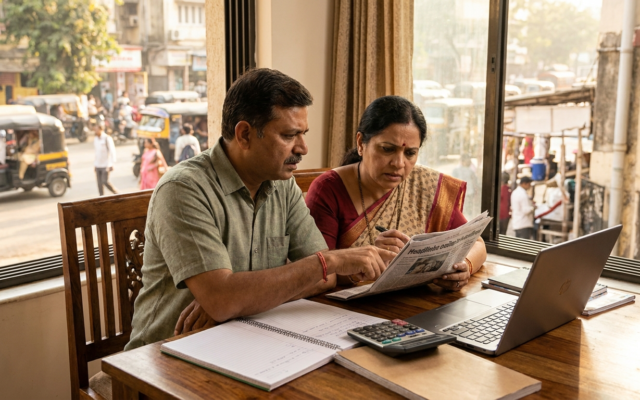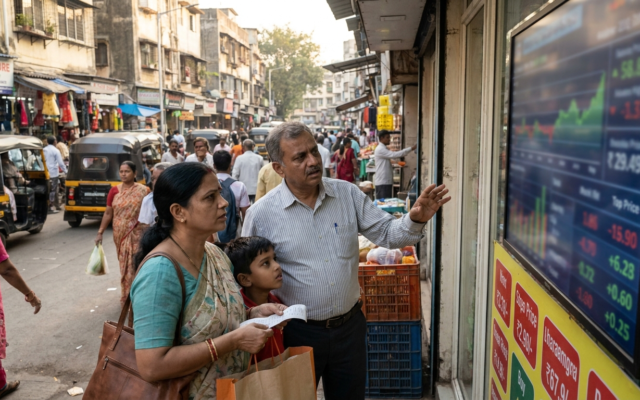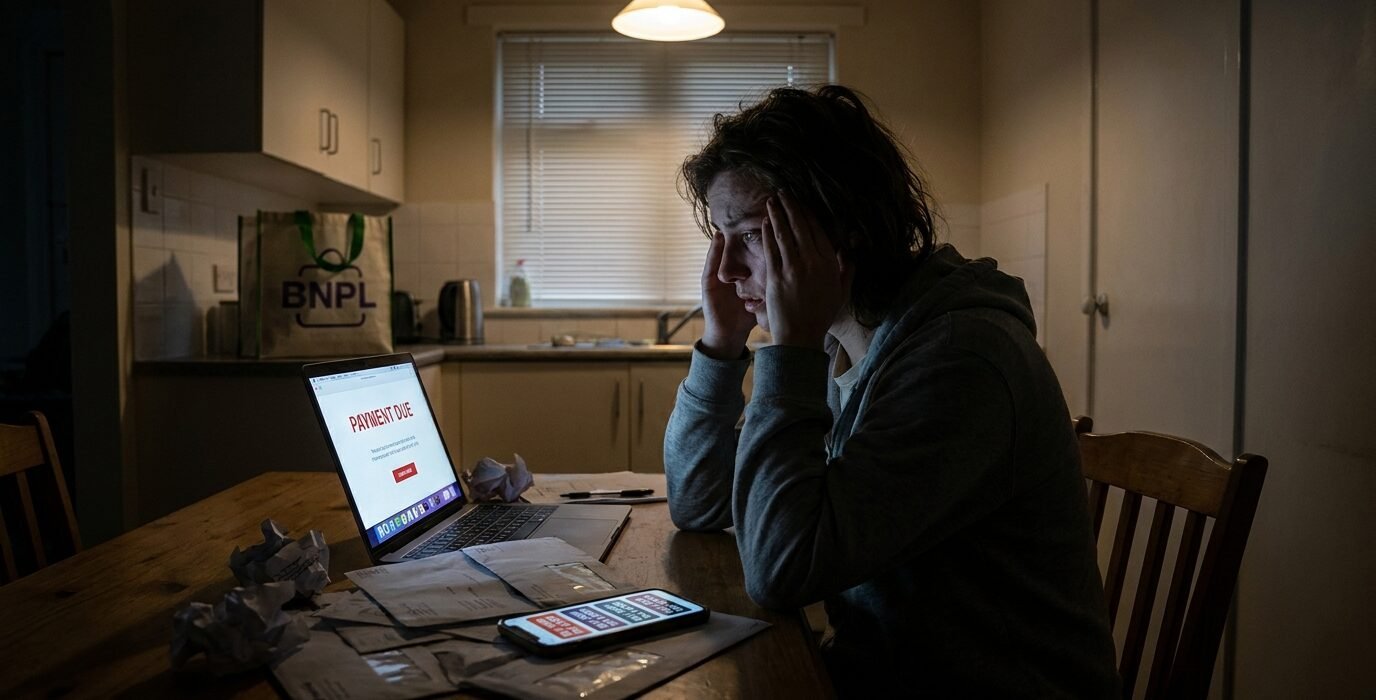
The grocery bill keeps climbing. That new smartphone is essential for work. A weekend getaway feels like a distant dream. For many Canadian millennials, the allure of “Buy Now, Pay Later” (BNPL) services is becoming an irresistible solution. It helps manage immediate needs amidst persistent inflation. But as these payment plans infiltrate everyday purchases, are we sleepwalking into a hidden debt trap?
Key Takeaways:
- Canadian millennials are increasingly using BNPL for everyday items, not just big-ticket purchases, as inflation bites.
- While BNPL offers short-term payment flexibility, it can lead to overspending and complicate credit management.
- Financial experts caution against using BNPL for non-essentials and stress understanding terms and conditions.
- Missed BNPL payments can negatively impact credit scores, potentially jeopardizing future loans and mortgages.
- The long-term financial health of a generation may hinge on responsible BNPL usage and a renewed focus on budgeting.
The Siren Song of Spreading the Cost
Imagine walking into a Roots store in downtown Vancouver. You eye that perfect fleece jacket. You need it for the unpredictable coastal weather. But the $150 price tag stings a little more than usual. Then you see it: the option to pay in four interest-free instalments. Suddenly, the jacket feels within reach. A manageable $37.50 per payment. This is the everyday reality for countless Canadian millennials. They are a generation that came of age during economic uncertainty. Now, they are navigating a landscape of rising prices.
Buy Now, Pay Later services, like Afterpay, Klarna, and Affirm, have seamlessly integrated into the online and in-store checkout process. They promise instant gratification. This comes with a seemingly benign payment structure. For many, it’s not just about luxury goods anymore. It’s about spreading out the cost of a new set of tires for the car in Calgary. It’s for essential textbooks for a student in Montreal. Or even groceries for a family in Mississauga. The ease of use is undeniable. A few clicks, a quick credit check. Often less stringent than traditional credit cards, and you’re approved. This frictionless experience is precisely what makes BNPL so appealing. It’s especially true when faced with unexpected expenses. Or the cumulative effect of inflation on household budgets.
The underlying psychology is powerful. Consumers feel more in control. They can break down a large purchase into smaller, more digestible payments. This psychological relief can override concerns about accumulating debt. This is especially true when the “interest-free” label is prominently displayed. It feels like a clever workaround. A way to maintain a semblance of normalcy and comfort in challenging economic times. For a generation that has witnessed economic downturns and grappled with student loan debt, BNPL offers a tempting escape from immediate financial pressure. However, this perceived freedom often comes with hidden costs and potential pitfalls. These are only revealed when the payment schedule becomes unmanageable. The convenience is a powerful hook. But understanding the full implications is crucial.
Sarah’s Story: The Slippery Slope from Necessities to Nice-to-Haves
Sarah, a 32-year-old marketing professional living in Toronto, first dipped her toes into BNPL for a larger purchase. It was a new dishwasher that finally gave out. “It was a necessity,” she recalls. She’s sipping her chai latte at a busy Queen Street West café. “The old one died mid-cycle. I couldn’t afford the full amount upfront without draining my emergency fund. Spreading it over four payments felt like a lifesaver.” That initial positive experience, paying off the dishwasher without any extra charges, instilled a sense of confidence in the service.
Soon, however, the BNPL option began appearing for smaller, less essential items. A trendy handbag she’d been eyeing. A new streaming service subscription. A pair of designer sunglasses. “It felt so easy,” Sarah admits. A hint of embarrassment in her voice. “Instead of saving up for weeks, I could just have it now. It was like a little treat for myself. And since it was ‘interest-free,’ I told myself it wasn’t really debt.” She started using BNPL for a significant portion of her discretionary spending.
The problem, Sarah explains, was that the payments, though small individually, started to pile up. “I had four payments due each week, for different things. Some weeks it was manageable. Other weeks, it felt like I was juggling. Trying to make sure I had enough in my account for each instalment. I started forgetting which payment was for what. And I almost missed one for a new pair of running shoes.” This near-miss was a wake-up call. Sarah realized she was spending money she didn’t truly have. This was simply because the immediate barrier to purchase was so low. The initial necessity had morphed into a habit of instant gratification. It blurred the lines between what she needed and what she wanted. It created a complex web of small, recurring payments that were impacting her overall cash flow. Her experience highlights how easily the convenience of BNPL can lead to a subtle but significant shift in spending habits. It moves from responsible necessity to impulse-driven acquisition.
The Credit Score Conundrum: A Hidden Impact
Many Canadian millennials, like Sarah, are drawn to BNPL services. They often don’t require a hard credit check for initial approval. Or the checks are considered “soft” and don’t impact their credit scores. This seems like a win-win. Get the item you need or want now. Your credit score remains untouched. However, this perception can be dangerously misleading. While the initial sign-up might be gentle, the long-term implications for your credit health are far more complex. And potentially damaging.
Several BNPL providers have begun reporting repayment history to major credit bureaus. Think Equifax and TransUnion. This means that if you make your BNPL payments on time, it could potentially help build your credit history. This is especially true for younger individuals or those with limited credit experience. This is the upside that often gets highlighted. But here’s the crucial, and often overlooked, part: if you miss a payment, or worse, default on your BNPL loan, that negative information will be reported. This can significantly harm your credit score. It makes it harder to secure a mortgage, a car loan, or even a rental apartment in the future. For someone trying to establish a good credit footprint, this can be a devastating setback.
Furthermore, the way BNPL services are structured can create a hidden burden on your credit utilization. While individual BNPL loans might be small, if you have multiple active plans across different providers, the total amount you owe can quickly add up. Some lenders view these outstanding balances as short-term debt. But the cumulative effect can impact your overall credit utilization ratio. This is a key factor in credit scoring. This is a surprising revelation for many users. They believe they are only managing a series of small, independent transactions. They fail to see how these fragmented debts collectively contribute to their overall credit picture. It’s like having a dozen small leaks in a boat. Individually they might seem minor, but collectively they can sink the vessel. The lack of transparency around how these multiple small debts affect the credit score can lead to an inaccurate assessment of one’s financial standing. This makes it harder to plan for long-term financial goals. Think about buying a home in a competitive market like Halifax.
Expert Advice: Navigating the BNPL Minefield Responsibly
Financial advisors across Canada are increasingly vocal about the growing reliance on BNPL services. This is especially true for non-essential purchases. Maria Fernandez, a certified financial planner based in Calgary, sees it as a significant red flag for financial well-being. “My primary concern is that BNPL normalizes spending money you don’t have,” she explains. This is during a video call, her office filled with charts and motivational quotes. “It creates a false sense of affordability. You’re not truly ‘paying later’; you’re just delaying the inevitable moment you have to part with the cash. You often accumulate more debt than you intended.”
Maria’s advice to her clients, especially millennials, is multi-pronged. First, she stresses the importance of understanding the terms and conditions. “People often gloss over the fine print. What happens if you miss a payment? Are there late fees? What are the consequences for your credit score? These are not abstract questions; they have real-world financial repercussions.” She advocates for treating BNPL payments as if they were credit card payments. Budget for them diligently. “If you wouldn’t put a daily coffee on a credit card that you can’t pay off at the end of the month, you shouldn’t use BNPL for it either.”
Second, she strongly advises against using BNPL for anything that isn’t a genuine necessity. “If your rent is due, or your car needs essential repairs, these are situations where you might need to find financing. But using BNPL for a new pair of sneakers or a subscription box? That’s almost always a sign of overspending.” She encourages her clients to implement a waiting period for non-essential purchases. “If you see something you want, wait 24 or 48 hours. Often, the urge will pass. If it doesn’t, then consider if you can save for it within a reasonable timeframe. This simple practice can prevent a lot of impulse buys facilitated by BNPL.” Maria also points out a surprising statistic. “Studies have shown that consumers who use BNPL tend to spend, on average, 15-20% more than they would have if they had paid upfront. This is simply because the perceived cost is lower.” This ingrained behavioural shift is a major concern for long-term financial health.
The Long Game: How BNPL Affects Future Financial Goals
The immediate convenience of Buy Now, Pay Later services can cast a long shadow over a millennial’s long-term financial aspirations. Think about saving for a down payment on a home in a city like Ottawa. Planning for retirement. Or even funding further education. These significant life goals require discipline. They need consistent saving and a healthy credit score. BNPL, if not managed with extreme caution, can actively undermine these objectives.
When millennials consistently rely on BNPL for discretionary spending, they are essentially chipping away at their disposable income. This income could otherwise be directed towards savings. Each instalment payment, while seemingly small, represents money that is not being invested. It’s not being put into an emergency fund. It’s not contributing to a down payment. Over time, this can lead to a significant deficit in savings. It pushes back crucial milestones. For instance, a generation that might have traditionally saved for a wedding or a significant travel experience over a few years might find themselves delaying these events. This happens because their income is constantly being allocated to a series of BNPL obligations.
Moreover, as discussed, a tarnished credit score due to missed BNPL payments can have a cascading effect. A lower credit score means higher interest rates on future loans. This applies whether it’s a mortgage, an auto loan, or even a personal loan for an unexpected emergency. This means paying more money in interest over the life of the loan. This further depletes financial resources. It’s a double whammy. Less savings accumulated due to consistent spending on BNPL. And higher borrowing costs when you eventually need to finance larger purchases. The cumulative impact can lead to a feeling of being perpetually behind. Struggling to catch up to financial goals that once seemed attainable. The long-term implications are not just about individual purchases. They are about the fundamental ability of a generation to build wealth and achieve financial security. The seemingly harmless act of splitting a payment can have a profound ripple effect on their entire financial future.
A Generation’s Financial Crossroads
The rise of BNPL in Canada isn’t just a financial trend. It’s a generational story unfolding against a backdrop of economic anxiety and evolving consumer habits. Millennials, often burdened by student debt and facing a rapidly increasing cost of living, see BNPL as an accessible tool. It helps them navigate these challenges. It offers a semblance of control in uncertain times. It allows for immediate gratification that feels both empowering and necessary. The ease with which these services can be integrated into daily life is remarkable. From buying a new laptop in Montreal to picking up groceries in Edmonton, they are incredibly seductive.
However, as we’ve explored, this convenience comes with significant risks. The potential for overspending is a major concern. The subtle erosion of savings is another. And the critical impact on credit scores are all very real consequences. These can derail long-term financial health. The narrative of “interest-free” payments can mask the underlying reality of accumulating debt. It can also hide potentially higher future borrowing costs. It’s a delicate balancing act. For many, the allure of immediate satisfaction is proving too strong to resist.
The responsibility lies not only with the consumers. It also lies with the BNPL providers to ensure greater transparency. And with regulators to establish clearer guidelines. For Canadian millennials, however, the power to shape their financial future rests on making informed choices. It means understanding the true cost of convenience. Prioritizing needs over wants is essential. And developing a disciplined approach to spending that aligns with their long-term goals. This generation stands at a financial crossroads. The decisions made today regarding services like BNPL will undoubtedly shape their economic landscape for years to come. It’s about more than just buying now. It’s about ensuring they can truly afford to live later.