Key Takeaways
- India’s inflation in 2026, while moderating, still presents challenges for household budgets, particularly in essential goods.
- The ‘aam aadmi’ faces rising costs in staples like pulses and certain vegetables, necessitating strategic shopping.
- While overall inflation is down from peak 2025 levels, specific sectors like refined petroleum products and some imported electronics show persistent price pressures.
- Digital tools and community-level initiatives are emerging as crucial aids for managing household expenses and finding value.
Navigating the 2026 Price Landscape: A Reality Check for Indian Households
As we move through the latter half of 2026, the whispers of inflation have solidified into a persistent hum, impacting the daily lives of millions across India. While official figures from the Reserve Bank of India (RBI) indicate a moderation in the Consumer Price Index (CPI) compared to the turbulent highs of late 2025, the reality on the ground for the average Indian household tells a nuanced story. For many, the cost of essential goods and services continues to exert significant pressure, demanding sharper budgeting and smarter consumption choices. We’re seeing a divergence where headline inflation might be easing, but the prices of items that form the backbone of our daily meals and necessities are proving more resiliently high. This report aims to cut through the economic jargon and provide you with a clear, actionable understanding of where your money is going and how you can navigate these price hikes effectively.
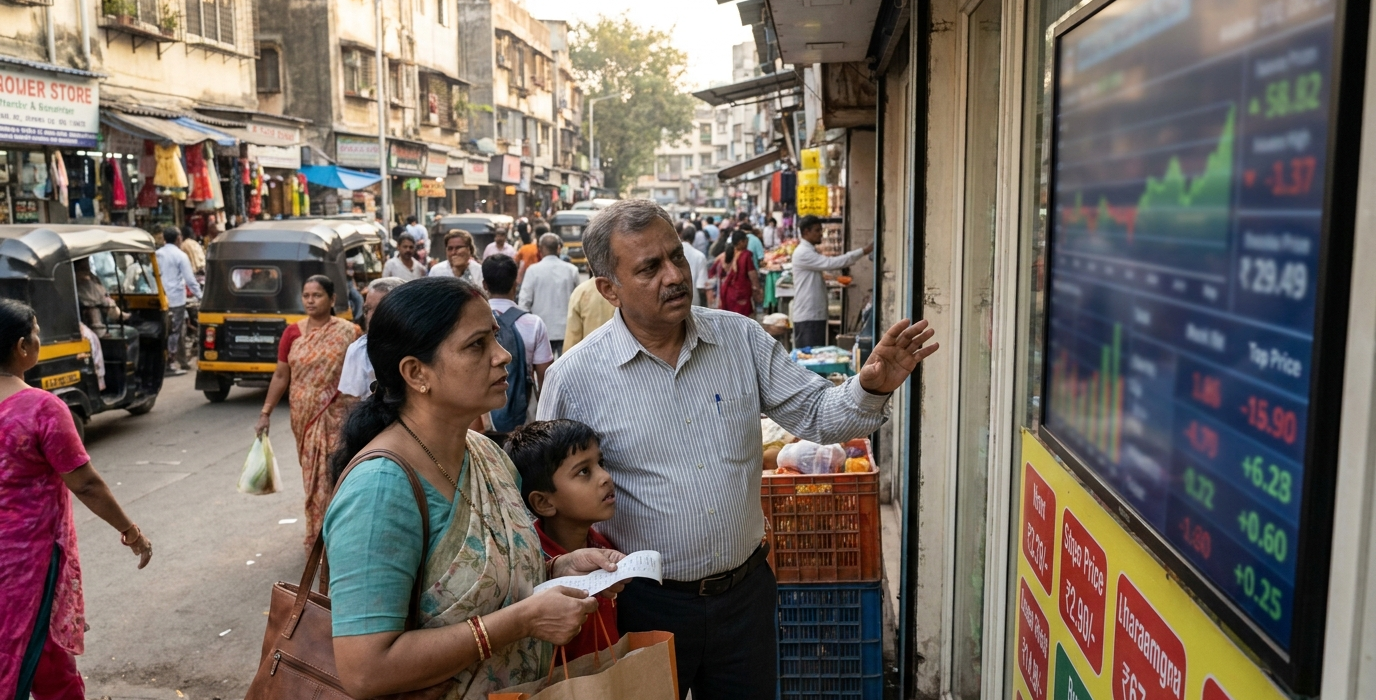
The impact is palpable, from the bustling lanes of Chandni Chowk in Delhi to the vibrant markets of Madurai. Families are recalibrating their grocery lists, and small businesses are wrestling with rising input costs. The government’s efforts to curb inflation are ongoing, but the global economic climate, coupled with domestic supply chain dynamics, means that a return to pre-2024 price levels for many goods is unlikely in the immediate future. Understanding these trends is not just about economics; it’s about empowering yourself with knowledge to protect your hard-earned savings and ensure your family’s financial well-being in this evolving economic environment. We’ll delve into the specific sectors feeling the pinch and explore the innovative ways individuals and communities are adapting.
The Pulse of the Pantry: Why Your Dal and Sabzi Costs More
The kitchen, the heart of every Indian home, is where the impact of 2026 inflation is most keenly felt. While headline inflation figures might show a general decline, a closer look at essential food items reveals a persistent upward trend. Pulses, a cornerstone of Indian diets, continue to be a significant concern. The wholesale prices of masoor dal and chana dal have remained stubbornly high, driven by a combination of challenging monsoon patterns affecting yields in key agricultural regions like Rajasthan and Madhya Pradesh, and increased global demand. This means that your weekly budget for dal, a protein staple, is likely higher than it was even a year ago.
Vegetable prices, always prone to seasonal fluctuations, have also shown a worrying tendency towards elevated levels. While the monsoon’s impact on crops like onions and tomatoes is a perennial factor, this year’s weather patterns have exacerbated supply disruptions. Localised unseasonal rains in Maharashtra and Karnataka have damaged standing crops, leading to volatile and often higher prices at your local mandi. Consumers in cities like Mumbai and Bengaluru are noticing that their weekly sabzi basket costs more. Furthermore, the cost of certain cooking oils, though showing some moderation from their 2025 peaks, still hovers at levels that require careful consideration by households. These are not abstract economic indicators; they are the direct impact on your grocery bill when you visit your neighbourhood kirana store or the local vegetable vendor.
Beyond the Kitchen: Fuel, Fares, and the Footprint of Global Trends
The pressure on household budgets extends far beyond the confines of the kitchen. The cost of fuel, both for personal transportation and essential services, remains a significant drain. While global crude oil prices have seen some stability in 2026, domestic taxes and refining costs continue to influence petrol and diesel prices. For families in Tier 1 and Tier 2 cities like Pune or Jaipur, the daily commute to work, school runs, and weekend errands are directly impacted. The increased cost of fuel also has a cascading effect, pushing up transportation charges for goods, which, in turn, influences the prices of almost everything you buy.
Similarly, public transportation fares, though regulated, have seen incremental adjustments in many states to account for rising operational costs, including fuel and maintenance. This means that for those who rely on buses in Chennai or local trains in Kolkata, the monthly expenditure on commuting is subtly but surely increasing. We’re also observing the impact of global price hikes on imported goods and raw materials. For instance, certain electronic components and finished goods, from smartphones assembled in Noida to essential medicines, are subject to international price fluctuations and currency exchange rates. A surprising fact: the cost of specific specialty chemicals used in the manufacturing of certain high-tech components has seen a nearly 15% increase year-on-year due to geopolitical supply chain realignments in Southeast Asia, impacting the final price of goods we consume. This interconnectedness means that even events happening thousands of miles away can directly affect the affordability of products on your shopping list here in India.
Digital Dhana: How Tech is Helping You Stretch Your Rupee
In the face of these persistent price pressures, a wave of digital innovation is emerging as a crucial ally for Indian households. The proliferation of smartphones and affordable internet access has democratised access to tools that help manage finances. We’re seeing a significant uptick in the usage of price comparison apps, digital coupon aggregators, and grocery list optimisers. These platforms allow you to scout for the best deals across multiple online and offline retailers, ensuring you’re not overpaying for everyday necessities. Many local grocery stores and even larger supermarket chains are increasingly integrating with these platforms, offering exclusive digital discounts.
Moreover, neighbourhood-level initiatives are gaining traction. Community WhatsApp groups, once primarily for social interaction, are now frequently used to share information about the best local deals, bulk purchase opportunities, and even local farming collectives offering direct-to-consumer produce at competitive prices. Financial literacy apps and budgeting tools are also becoming more sophisticated and user-friendly, catering to a diverse demographic. These tools often come with personalised insights, helping you identify spending patterns and areas where you can cut back. For instance, some apps now offer predictive analytics based on your spending habits, suggesting optimal times to buy certain goods to take advantage of seasonal sales or price drops. This proactive use of technology is transforming how we approach household budgeting, making it more dynamic and responsive to market changes.
Community Power: Collective Buying and Local Solutions
Beyond individual digital efforts, the power of community is proving to be a potent force in combating the rising cost of living in 2026. Collective bargaining and bulk purchasing initiatives are gaining significant momentum, especially in urban and semi-urban areas. Groups of neighbours, often organised through resident welfare associations (RWAs) or informal community networks, are pooling their resources to buy essential commodities directly from wholesalers or farmers. This bypasses multiple layers of retail markups, resulting in substantial savings for everyone involved.
Consider the success stories emerging from cities like Ahmedabad, where RWAs have successfully negotiated bulk deals for staples like rice, wheat flour, and cooking oil. These arrangements often involve weekly or bi-weekly deliveries directly to a designated collection point, minimising logistics costs. Another innovative approach gaining traction is the establishment of community-supported agriculture (CSA) models. Families in Bengaluru and Hyderabad are increasingly subscribing to local organic farms, receiving a weekly basket of fresh produce at a pre-agreed, stable price. This not only ensures access to fresh, healthy food but also shields them from the extreme price volatility often seen in traditional markets. A surprising insight from a recent community survey in the suburbs of Delhi revealed that these collective buying groups are saving their members, on average, 8-12% on their monthly grocery bills, a significant amount when managing tight budgets. These initiatives underscore the resilience and ingenuity of Indian communities in finding practical solutions to economic challenges.
Looking Ahead: Strategic Planning for Household Financial Health
As we navigate the remainder of 2026 and look towards the future, a proactive and strategic approach to household financial management is paramount. The era of effortless spending is behind us, and informed decision-making is your most valuable asset. This means moving beyond reactive budgeting and embracing a more forward-thinking strategy. Regularly reviewing your expenditure patterns, identifying non-essential spending, and actively seeking out value for money are no longer optional but essential practices.
We encourage you to develop a clear understanding of your family’s essential needs versus wants. This might involve difficult conversations and adjustments, but the long-term financial health of your household depends on it. Explore diversified savings and investment options, even if starting small. The current economic climate underscores the importance of having a financial cushion for unexpected expenses. Furthermore, stay informed about government policies and initiatives aimed at controlling inflation and supporting consumers. Many of these programmes offer tangible benefits that can ease your financial burden. Ultimately, building resilience in your household budget in 2026 is about consistent effort, smart choices, and leveraging the resources – both digital and community-based – that are available to you. Your financial well-being is within your control, especially when you approach it with a strategic mindset and a commitment to informed action.
Frequently Asked Questions
What are the main drivers of inflation in India in 2026?
The primary drivers include persistent supply chain disruptions affecting food and raw material availability, global price pressures on energy and imported goods, and the impact of weather patterns on agricultural yields. While moderating, these factors continue to influence the Consumer Price Index (CPI).
How can I save money on groceries in 2026?
You can save money by utilising price comparison apps, looking for digital coupons and discounts, buying in bulk where feasible, joining community buying groups, and opting for seasonal produce. Focusing on essential items and reducing impulse purchases also helps significantly.
Are government subsidies still available to help with rising costs?
Yes, the government continues to offer various subsidies and welfare schemes, particularly for essential commodities like food grains and fuel, though the exact nature and reach can vary by state and policy updates. It’s advisable to check for the latest information on schemes applicable to your region and income bracket.
How does inflation affect my savings and investments?
Inflation erodes the purchasing power of your money. If your savings or investment returns are lower than the inflation rate, your real wealth is decreasing. It’s crucial to ensure your investments are generating returns that at least match, and ideally exceed, the inflation rate to preserve and grow your wealth.