Key Takeaways
- Kochi’s food landscape is a vibrant tapestry, far exceeding its renowned seafood offerings.
- Explore the nuanced flavours of Malabar cuisine, with its distinctive spice blends and culinary techniques.
- Discover how global influences are subtly weaving into traditional Kerala dishes, creating exciting new experiences.
- Look beyond the familiar tourist spots to find authentic, home-style cooking and regional specialties.
The Underrated Symphony of Malabar Flavours
When you think of Kochi, your mind likely drifts to the glistening shores and the fragrant scent of fresh catch from the Arabian Sea. Indeed, the seafood here is legendary, from the iconic Syrian Christian fish moilee to the simple yet sublime grilled kingfish. However, to limit Kochi’s culinary identity to just its coastal bounty would be a grave oversight. The city is a melting pot, a historical trading port that has absorbed influences from Arabs, Portuguese, Dutch, and British, each leaving an indelible mark on its kitchens. Beyond the ubiquitous seafood platters lies a deeper, more complex world of flavours rooted in the fertile lands of Malabar. We’re talking about the intricate spice blends, the thoughtful use of coconut in its myriad forms, and a cooking philosophy that prioritises freshness and balance.
This regional cuisine, often referred to as Malabar cuisine, is distinct from the more commonly known Travancore or central Kerala styles. It’s characterised by a generous yet artful use of spices like cardamom, cloves, cinnamon, and fenugreek, often tempered with the cooling embrace of coconut milk and the tang of tamarind or kudampuli (Malabar tamarind). You’ll find dishes that are both rich and light, profoundly aromatic without being overpowering. Think of the fragrant biryanis, the slow-cooked stews, and the delicate sweets that often feature rice flour and jaggery. This is a cuisine that whispers tales of ancient trade routes and the ingenuity of home cooks who learned to transform local produce into extraordinary meals.
Beyond the Tourist Trail: A Deeper Dive
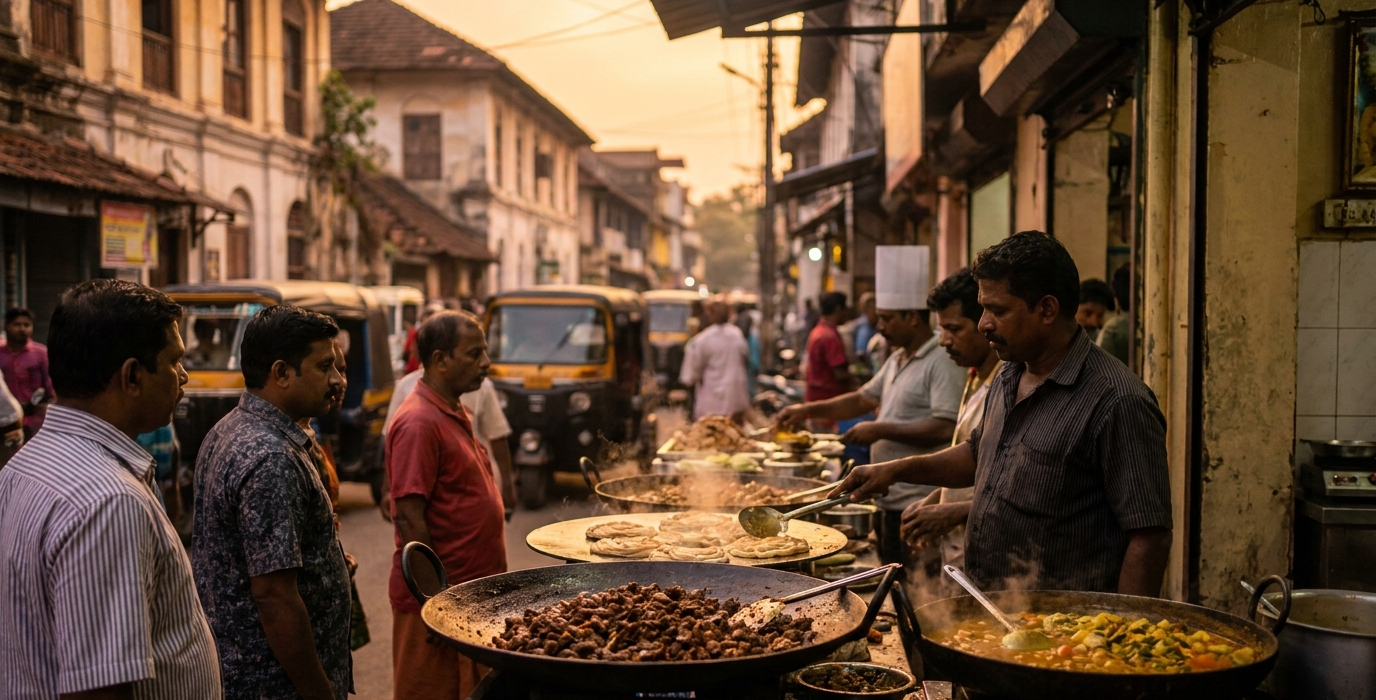
To truly appreciate this Malabar symphony, you need to venture off the beaten path. While iconic establishments near Fort Kochi offer fantastic seafood, the heart of everyday Malabar cooking often beats in smaller, unassuming eateries and family-run kitchens tucked away in neighbourhoods like Mattancherry or Ernakulam. These are places where recipes are passed down through generations, where the aroma of freshly ground masalas wafts through the air, and where the focus is on authenticity. It’s in these nooks that you can savour dishes like ‘Kozhi Porichathu’ (spicy fried chicken), ‘Mappila Pothu Curry’ (mutton curry of the Muslim community), and the incredibly flavourful ‘Thalassery Biryani’, a distinct style known for its unique rice and spice preparation.
The Evolving Palate: Global Tastes Meet Local Roots
Kochi, as a dynamic port city and a burgeoning IT hub, is naturally a magnet for global influences, and its culinary scene reflects this evolution with remarkable grace. It’s not about abandoning tradition but rather about thoughtful integration, creating fusion dishes that are both innovative and respectful of their heritage. You’ll find contemporary cafes and restaurants experimenting with international techniques and ingredients, often infusing them with familiar Kerala flavours. This is where you might encounter a pasta dish elevated with local curry leaves and coconut milk, or a dessert that artfully combines Western pastry with cardamom-infused payasam.
This cross-pollination is a testament to Kochi’s forward-thinking spirit. Young chefs, often trained abroad or exposed to diverse culinary trends, are returning to their roots with fresh perspectives. They understand the importance of local sourcing and the inherent quality of Kerala’s produce, from its abundance of spices to its diverse array of fruits and vegetables. This allows them to create menus that are exciting for a global palate while remaining deeply connected to the region. These establishments often boast chic, modern interiors, offering an experience that is as much about the ambiance as it is about the food. They cater to a discerning crowd that appreciates both comfort and culinary adventure, seeking out unique flavour profiles and artful presentations.
A New Wave of Dining Experiences
Consider, for instance, the rise of artisanal bakeries offering sourdough breads infused with spices like jeera or ajwain, or cafes serving elaborate brunch menus featuring avocado toast alongside traditional ‘Appam’ with vegetable stew. These places are not just serving food; they are curating an experience. They often highlight the provenance of their ingredients, fostering a connection between the diner and the local agricultural landscape. You might find a restaurant proudly showcasing its use of ‘Kollam’ chilies or ‘Palakkad’ rice. This focus on origin and quality enhances the overall dining narrative, making each meal a discovery.
The Comfort of Home: Home-Style Cooking and Grandmothers’ Recipes
While the city embraces modern culinary trends, there’s an undeniable charm and profound satisfaction found in home-style cooking. These are the dishes that evoke nostalgia, the flavours that are deeply ingrained in our memories, often prepared with the same love and care that our grandmothers would have employed. Kochi offers numerous opportunities to experience this authentic, comforting cuisine, often through smaller, family-run eateries or even through organised home-dining experiences. These are the places where the pace is slower, the ingredients are simple but of the highest quality, and the preparation is often a labour of love.
These establishments often eschew elaborate menus for a more focused selection of classic dishes. You might find a daily changing menu dictated by the freshest available produce or the seasonal specialties. The focus here is on honest, unpretentious food that celebrates the essence of Kerala’s regional cooking. Think of a perfectly made ‘Sadhya’ (traditional feast served on a banana leaf), where each dish is a distinct flavour profile – the tartness of sambar, the sweetness of avial, the earthiness of thoran. The experience is intimate, often involving direct interaction with the family running the place, who are eager to share the stories behind their recipes.
Surprising Finds in Unassuming Places
One of the most delightful surprises can be finding exceptional vegetarian fare in places you might not expect. Many traditional eateries, while known for their meat dishes, also excel at vegetarian curries and side dishes that are incredibly flavourful and complex. A humble ‘Vegetarian Sadya’ served on a plantain leaf, prepared with meticulous attention to detail, can be an absolute revelation. Look for places that specialise in ‘Kerala Parippu Curry’ (a lentil curry) or ‘Kootu Curry’ (a mixed vegetable and lentil curry). These simple dishes, when made with fresh ingredients and traditional techniques, offer a depth of flavour that is truly remarkable.
The true soul of Kochi’s cuisine lies not just in its celebrated seafood, but in the quiet artistry of its home kitchens, where generations of flavour are lovingly preserved and shared.
A Celebration of Rice and Spices: Beyond the Usual Staples
Rice is, of course, the cornerstone of Kerala’s diet, but the way it’s prepared and paired in Kochi is anything but monotonous. While the ubiquitous ‘Matta’ rice (a reddish, parboiled variety) is a staple, the culinary landscape offers a fascinating diversity of rice-based dishes, from steamed varieties to fermented batters. And then there are the spices – the soul of Malabar cuisine. Kochi’s kitchens are masters at balancing the heat of chilies with the warmth of cinnamon, the pungency of ginger and garlic with the subtle sweetness of coconut.
In Kochi, you’ll discover the art of ‘Puttu’ and ‘Kadala Curry’ – a breakfast staple where steamed cylinders of ground rice are paired with a spicy black chickpea curry. Then there’s ‘Idiyappam’ (string hoppers), delicate strands of rice flour, often served with curries or sweet coconut milk. These dishes highlight the versatility of rice and the regional variations in its preparation. The spice palette is equally rich. You might encounter ‘Meen Pollichathu’ (fish marinated and steamed in banana leaves), where the fish absorbs the aromatic blend of spices, or ‘Erachi Ularthiyathu’ (dry-fried meat), a slow-cooked delicacy rich with turmeric, chili powder, and garam masala. The sheer complexity achieved with seemingly simple ingredients is a hallmark of this cuisine.
The Secret of Kudampuli
A truly distinctive ingredient that defines many Malabar dishes, especially fish curries, is ‘Kudampuli’ (Garcinia Cambogia). This small, dark fruit, when dried, lends a unique sourness to dishes, a tang that is both sharp and subtly fruity, distinct from tamarind or lemon. It’s particularly prized in fish preparations, cutting through the richness of the coconut milk and the spices to provide a refreshing counterpoint. Its use is a testament to the ingenuity of local cooks in utilising indigenous ingredients to achieve specific flavour profiles. You’ll find its unmistakable flavour in dishes like ‘Meen Mulakittathu’ (fish in spicy red curry).
Sweet Endings: Desserts That Delight
No culinary exploration of Kochi would be complete without delving into its delightful world of sweets. Often drawing from a base of rice flour, jaggery, and coconut, these desserts are not just about sweetness but also about texture and aroma. They are the perfect conclusion to a flavourful meal, offering a gentle transition from savory to sweet. From elaborate puddings to simple fried delights, Kochi’s sweet offerings are as diverse as its savory counterparts, often reflecting the festive spirit of the region.
You’ll encounter classics like ‘Palada Payasam’, a rich milk-based pudding with rice flakes, and ‘Ada Pradhaman’, a similar dish but often made with jaggery and jackfruit. For something a bit different, try ‘Unniyappam’, small, deep-fried rice cakes sweetened with jaggery and flavoured with cardamom, often garnished with sesame seeds or small pieces of banana. These are not overly sugary creations; instead, they rely on the natural sweetness of jaggery and the fragrance of spices like cardamom and nutmeg to create a balanced and satisfying flavour. Many of these sweets have religious or cultural significance, being an integral part of festivals and celebrations.
The Versatility of Coconut in Desserts
Coconut plays a starring role in many of Kochi’s desserts, not just as a flavouring but as a textural element. Freshly grated coconut is often incorporated into batters or used as a topping. Coconut milk provides a creamy base for payasams, while roasted coconut pieces can add a delightful crunch. Even ‘Coconut Laddoos’, a simpler sweet, showcase the ingredient’s inherent sweetness and appealing texture. It’s a versatile ingredient that adds a unique tropical character to the region’s sweet repertoire, making each dessert a refreshing experience.
Frequently Asked Questions
What are the must-try dishes in Kochi beyond seafood?
You absolutely must try the Malabar Biryani (especially from Thalassery), Kozhi Porichathu (spicy fried chicken), Mutton Curry, Puttu with Kadala Curry for breakfast, and various vegetarian dishes like Avial and Thoran. Also, explore the unique sourness of dishes prepared with Kudampuli.
Where can I find authentic home-style cooking in Kochi?
Look for smaller, family-run eateries in neighbourhoods like Mattancherry or Ernakulam. Many smaller restaurants offer a limited, daily-changing menu based on fresh ingredients. Alternatively, consider organised home-dining experiences for an intimate glimpse into local kitchens.
Are there good vegetarian options in Kochi?
Yes, Kochi offers excellent vegetarian options. Traditional eateries often prepare elaborate vegetarian feasts called Sadhya, featuring a variety of curries, stir-fries, and rice. Look for places that specialise in vegetable curries and lentil preparations for flavourful meat-free meals.
What are some popular sweet dishes in Kochi?
Popular sweets include various types of Payasam (like Palada and Ada Pradhaman), Unniyappam (fried jaggery and rice cakes), and Coconut Laddoos. These desserts are typically flavoured with cardamom and jaggery, offering a balanced sweetness.