Key Takeaways
- Bengaluru is spearheading India’s urban sustainability movement in 2026 with innovative green initiatives across housing, transport, and waste management.
- Homebuyers and renters are increasingly prioritising eco-friendly features, driving demand for sustainable building materials and energy-efficient designs.
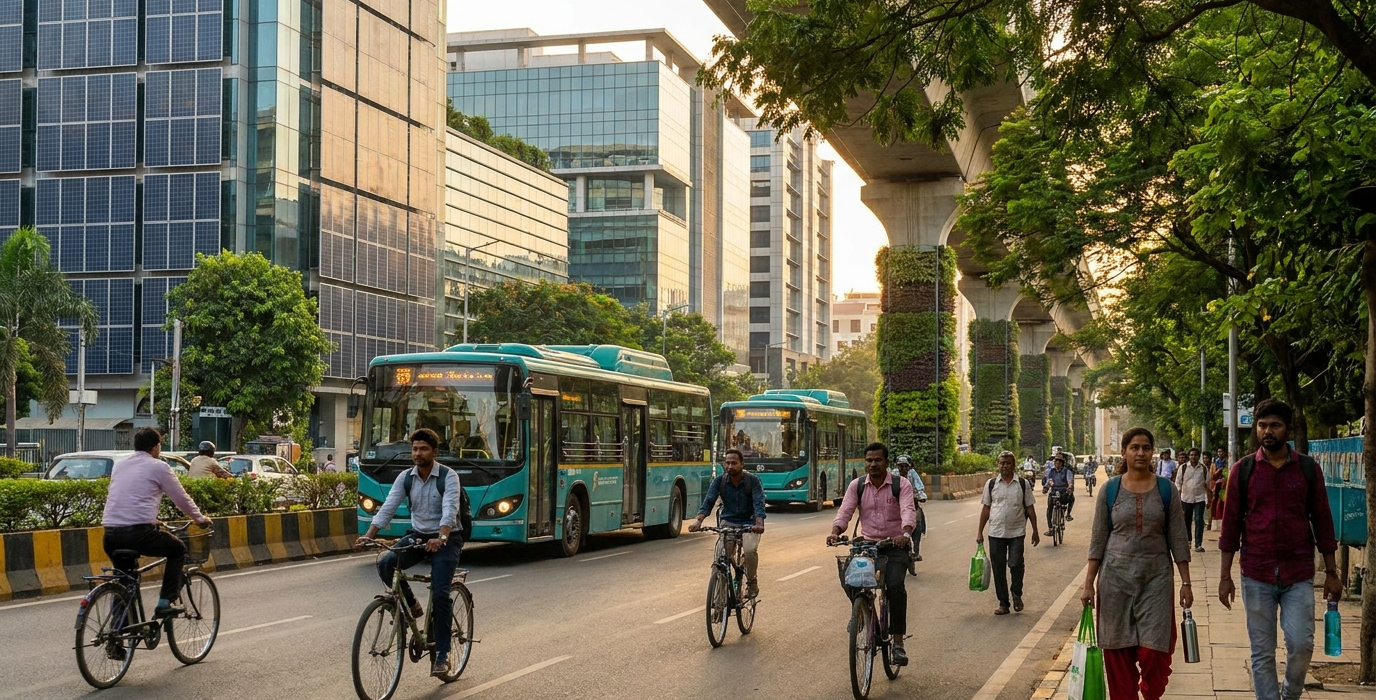
- The city’s transit system is undergoing a significant green transformation, with expanded metro lines and a surge in electric vehicle adoption.
- Community-led waste segregation and composting are gaining momentum, significantly reducing landfill burden and fostering circular economy principles.
- Citizens are actively engaging with smart city technologies to monitor their environmental footprint and participate in local conservation efforts.
Bengaluru’s Ascent as India’s Green Metropolis
Bengaluru, India’s Silicon Valley, is rapidly redefining urban living by weaving sustainability into its very fabric. In 2026, the city stands as a beacon of eco-conscious development, demonstrating that technological prowess and environmental stewardship can go hand-in-hand. From the soaring residential towers to the bustling streets, a palpable shift towards greener practices is evident. This transformation isn’t just a top-down mandate; it’s a groundswell of citizen participation and innovative solutions addressing the pressing challenges of urbanisation.
The journey towards a sustainable Bengaluru is multifaceted, encompassing a radical overhaul of how we build, move, and manage resources. We’re seeing a remarkable integration of renewable energy sources into daily life, with solar panels becoming a common sight on rooftops across the city, from apartment complexes in Indiranagar to independent homes in Jayanagar. This isn’t merely about reducing carbon emissions; it’s about fostering energy independence and creating more resilient urban ecosystems. The city’s commitment extends beyond large-scale projects, empowering individuals to adopt greener lifestyles.
The Rise of Eco-Conscious Housing
The real estate market in Bengaluru is experiencing a significant green revolution in 2026. Developers are not just responding to demand; they are actively creating it by integrating sustainability from the blueprint stage. This means energy-efficient designs that minimise reliance on conventional power, water conservation systems that capture and recycle precious resources, and the use of sustainable building materials. Think bamboo composites, recycled steel, and low-VOC paints becoming standard features, not just premium add-ons.
For homebuyers and renters, the allure of a green home goes beyond environmental altruism. It translates into tangible benefits like lower utility bills thanks to smart energy management and advanced insulation. Furthermore, improved indoor air quality from the use of natural and non-toxic materials contributes to a healthier living environment, a factor increasingly prioritised by urban dwellers. Neighbourhoods like HSR Layout and Koramangala are now showcasing exemplary green residential projects that are setting new benchmarks for the industry. One surprising fact is that the demand for homes with integrated rainwater harvesting systems has surged by over 40% in the last two years alone, as residents recognise the importance of local water security.
Smart Homes, Smarter Consumption
Beyond passive design, smart home technology is playing a pivotal role in enhancing sustainability. Integrated systems allow residents to monitor and control energy consumption, identify wastage, and even optimise appliance usage based on grid load. This granular control empowers individuals to make informed decisions about their daily environmental impact. The future of housing in Bengaluru is not just about bricks and mortar; it’s about intelligent, responsive living spaces that work in harmony with the planet.
Greening Bengaluru’s Commute: A Transit Revolution
Bengaluru’s notorious traffic is slowly but surely giving way to greener, more efficient modes of transportation in 2026. The expansion of the Namma Metro has been a game-changer, with new lines connecting previously underserved areas and encouraging a mass shift away from private vehicles. The metro is now a primary mode of daily commute for millions, drastically reducing congestion and air pollution in its wake. This public transport backbone is crucial for sustainable urban mobility.
Complementing the metro expansion is the significant surge in electric vehicle (EV) adoption. From electric two-wheelers zipping through the city to electric buses bolstering public transport fleets, the hum of EVs is becoming increasingly common. Charging infrastructure is rapidly expanding, with charging stations popping up in residential complexes, commercial hubs, and public parking areas. The government’s continued incentives and subsidies are fuelling this transition, making EVs a more accessible and practical choice for the average Bengalurean.
The Rise of Shared Mobility and Active Transport
Beyond public transit and EVs, the city is also championing shared mobility services and active transport. Bike-sharing schemes are flourishing, particularly in areas with dedicated cycling lanes, making short-distance travel convenient and eco-friendly. Pedestrian-friendly infrastructure is also receiving renewed attention, with wider footpaths and safer crossings being implemented in key urban zones. These initiatives collectively aim to create a less car-dependent city, promoting healthier lifestyles and a cleaner environment. A fascinating development is the widespread adoption of solar-powered e-rickshaws in quieter residential streets, offering a zero-emission alternative for local errands.
Waste Management: From Landfill to Living Soil
Bengaluru is making remarkable strides in transforming its approach to waste management in 2026. The focus has decisively shifted from mere disposal to resource recovery and recycling. This is largely driven by robust community-led initiatives and stringent municipal policies encouraging source segregation. Households are increasingly adopting the practice of separating wet waste, dry waste, and hazardous waste, a crucial first step in the waste hierarchy.
The success of community composting centres is particularly noteworthy. In neighbourhoods across the city, from Malleswaram to Whitefield, residents are actively participating in composting organic waste. This not only diverts tonnes of material from landfills but also produces nutrient-rich compost for local gardens and urban farms. These initiatives foster a sense of collective responsibility and create a tangible link between waste generation and resource creation, embodying circular economy principles.
Innovation in Recycling and Upcycling
Beyond composting, innovative recycling and upcycling ventures are gaining traction. Material Recovery Facilities (MRFs) are becoming more sophisticated, capable of processing a wider range of dry waste materials. We’re also seeing a rise in upcycling workshops and social enterprises that transform discarded items into valuable products, breathing new life into what was once considered trash. This approach not only reduces waste but also stimulates local economies and promotes creative solutions. A surprising insight from a recent municipal report indicates that the amount of waste being sent to landfills has reduced by nearly 35% in the past three years, a testament to these collective efforts.
Empowering Citizens with Green Technology
Smart city initiatives in Bengaluru are increasingly being leveraged to empower citizens and foster environmental consciousness in 2026. Digital platforms and mobile applications are providing real-time data on air quality, water usage, and energy consumption, allowing residents to understand their personal environmental footprint. This transparency is a powerful tool for encouraging behavioural change and informed decision-making.
These technologies go beyond mere monitoring; they facilitate active participation. Citizens can now report environmental issues, such as illegal dumping or water wastage, directly through dedicated apps, enabling swift municipal response. Furthermore, platforms are being developed to connect individuals with local sustainability initiatives, volunteer opportunities, and platforms for trading or sharing eco-friendly products. The aim is to create a connected ecosystem where technology serves as a bridge between citizens and their environment.
Data-Driven Conservation Efforts
The use of data analytics is also revolutionising conservation efforts. By tracking patterns in resource consumption and environmental indicators, city planners can identify areas requiring targeted interventions and measure the effectiveness of sustainability programs. This data-driven approach ensures that resources are allocated efficiently and that interventions are impactful. The integration of IoT sensors across the city is providing an unprecedented level of granular data, enabling a more dynamic and responsive approach to environmental management.
Urban Agriculture and Biodiversity Initiatives
Bengaluru is embracing urban agriculture and biodiversity conservation as integral components of its sustainable future in 2026. Rooftop gardens, vertical farms, and community plots are becoming increasingly common, transforming underutilised urban spaces into productive green oases. These initiatives not only provide fresh, locally sourced produce, reducing the carbon footprint associated with food transportation, but also contribute to enhancing urban biodiversity.
The cultivation of native plant species in parks, public spaces, and even residential balconies is actively encouraged. This focus on indigenous flora supports local pollinators like bees and butterflies, crucial for the health of urban ecosystems. Biodiversity corridors are being established, connecting fragmented green spaces and allowing wildlife to move more freely within the city. This multi-pronged approach ensures that Bengaluru is not just a concrete jungle but a thriving, biodiverse habitat.
Water Conservation and Greening Water Bodies
Crucially, the city’s push for sustainability includes a significant focus on water conservation and the rejuvenation of its iconic lakes. Initiatives like the Jal Shakti Abhiyan have gained considerable momentum, promoting rainwater harvesting and the efficient use of water resources. Efforts to clean and restore lakes like Bellandur and Ulsoor are ongoing, with community involvement playing a vital role in their maintenance and the promotion of responsible water usage around these critical urban water bodies. The revival of these lakes is essential for the city’s ecological balance and its water security.
The Road Ahead: Challenges and Opportunities
While Bengaluru’s progress in sustainability is commendable in 2026, the journey is far from over. The rapid pace of urbanisation continues to exert pressure on resources, and scaling up successful initiatives to reach every corner of the city remains a significant challenge. Ensuring equitable access to green technologies and infrastructure for all citizens, regardless of their socio-economic background, is paramount.
However, the opportunities are immense. The growing awareness and active participation of citizens, coupled with strong governmental and corporate backing, create a powerful synergy. The city is poised to become a global exemplar of smart, sustainable urban living, proving that economic growth and environmental responsibility can indeed coexist. The continuous innovation in areas like green finance, renewable energy integration, and circular economy models will further solidify Bengaluru’s position as a leader in the global sustainability discourse. The city’s commitment is not just to its residents but to the planet.
Frequently Asked Questions
What are the main types of sustainable housing options available in Bengaluru now?
In 2026, you’ll find a growing range of options including apartments and villas designed with energy efficiency (solar panels, good insulation), water conservation (rainwater harvesting, greywater recycling), and using eco-friendly materials. Many new developments also integrate smart home technology for better resource management. Look for certifications like IGBC or GRIHA for verified green buildings.
How can I reduce my personal carbon footprint in Bengaluru?
You can significantly reduce your footprint by opting for public transport (metro, buses) or electric vehicles, cycling, or walking for shorter distances. At home, focus on energy conservation by using LED lights, unplugging devices when not in use, and considering solar power if feasible. Reducing waste through segregation and composting also makes a big difference.
Are there community initiatives for waste management I can join?
Absolutely. Bengaluru has numerous active community composting groups and neighbourhood waste segregation drives. You can often find these through local resident welfare associations, NGOs focused on environmental issues, or by checking city-municipal portals for upcoming clean-up and composting events. Many apartment complexes also have their own internal waste management systems.
What are the benefits of electric vehicles in Bengaluru’s context?
Besides the obvious environmental benefits of zero tailpipe emissions, EVs in Bengaluru mean lower running costs due to cheaper electricity compared to petrol/diesel, reduced noise pollution, and often lower maintenance. The expanding charging infrastructure and government incentives are making them an increasingly practical choice for daily commutes.
How is Bengaluru protecting its lakes and green spaces?
The city is actively involved in lake rejuvenation projects, often with significant community participation. This includes desilting, waste removal, and developing biodiversity around the lake peripheries. Green spaces are being enhanced through afforestation drives, creation of urban parks, and encouraging native plant species to boost local biodiversity and improve air quality.