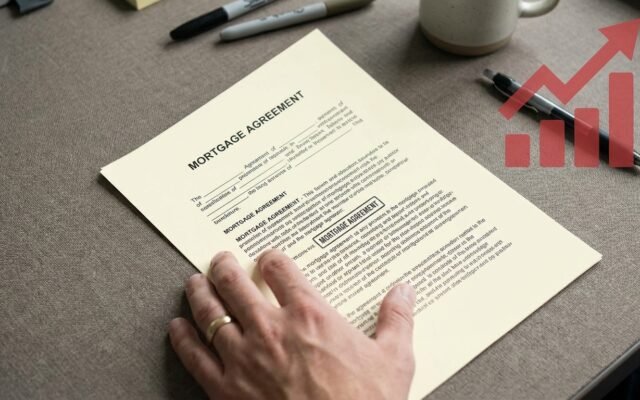
The steady drip of rising interest rates has become a torrent for many Canadian homeowners. You might have locked in a variable rate with confidence a few years ago, lured by lower initial payments. Now, that confidence is being tested. Your monthly mortgage bill creeps upwards, month after month. This forces a stark re-evaluation of your financial life. This isn’t just a statistic. It’s a lived reality for countless families across Canada. The pressure is immense. It’s a constant weight.
Key Takeaways:
- Understand how Bank of Canada rate hikes directly impact your variable-rate mortgage payments.
- Discover the real-life struggles of Canadian homeowners facing payment shock.
- Learn practical strategies from experts to manage increased mortgage costs and protect your finances.
- Explore options like refinancing, switching to fixed rates, and budget recalibration.
- Gain insights into the broader economic forces at play and what they mean for your financial future.
The Unseen Climb: How Rate Hikes Bite Variable Mortgages
Imagine signing up for a variable-rate mortgage in late 2020 or early 2021. The Bank of Canada’s overnight rate was at a historic low of 0.25%. Lenders offered competitive rates. You felt smart. You secured a property in a booming market like Vancouver. Your initial payments were manageable. This strategy was a calculated gamble. You bet that rates would remain low. The economic landscape shifted dramatically. Inflation, a persistent global challenge, prompted action. The Bank of Canada embarked on aggressive hikes. This started in March 2022. For every 0.25% increase in the overnight rate, your variable mortgage payment goes up. At least the interest portion does.
This isn’t a simple percentage point increase. It’s a compounding effect. A seemingly small hike translates into hundreds of dollars more each month. Consider a hypothetical $500,000 mortgage. A variable rate of 2% is a starting point. A 0.25% increase means roughly $100 more per month. Now, string together several of these hikes. We’ve seen increases of 0.25%, 0.50%, and even 0.75% in a single go. That $100 quickly balloons. It becomes $300, $400, or even more. For families in cities like Toronto, housing prices are already sky-high. This added burden strains household budgets. It can push them to their breaking point. It’s the difference between affording groceries and utilities. It’s also the difference between having to make difficult choices. Many variable-rate holders have a “trigger rate.” This is the point where their payment can’t cover the interest. It forces them to increase payments. Or, it adds to their amortization period. This means paying more interest over the long term. This hidden clause is a growing source of anxiety. It’s a ticking clock.
Sarah’s Story: A Wake-Up Call in Calgary
Sarah, a graphic designer in Calgary, remembers the day she received her latest mortgage statement. It was a crisp autumn morning. The kind that usually brought calm. This statement brought dread. Her variable-rate mortgage, taken out two years prior, had increased again. What started as a manageable payment in the low $2,000s had crept up to nearly $2,800. “I thought I was being clever,” she admitted. Her voice held a mix of frustration and disbelief. “The broker told me rates were low. They’d likely stay that way for a while.” She was so focused on her first home. She didn’t fully grasp the downside of a variable rate.
The increased payments meant cutting back. Discretionary spending vanished. Weekend trips with friends were postponed indefinitely. Eating out, once a regular treat, became a rare luxury. Even small things, like a new book or another streaming service, were re-evaluated. “It feels like the goalposts keep moving,” Sarah explained. “Every time I think I’ve adjusted, another rate hike comes along. It’s exhausting.” She’s constantly worried about the next Bank of Canada announcement. Her situation is far from unique. Across the country, from Montreal to Halifax, homeowners face similar financial whiplash. They’re diligent. They work hard. But economic forces beyond their control dictate their budgets. They’re forced to re-evaluate their financial well-being and their dreams. The dream of homeownership, once a symbol of security, now feels precarious.
The Expert View: Navigating the Storm with Brokers and Planners
When faced with rising interest rates, homeowners turn to trusted professionals. Mortgage brokers are on the front lines. David Chen, from a firm in Markham, Ontario, sees it daily. “We’re seeing more clients seeking advice on existing mortgages,” David explains. “They’re scared. The payment shock is significant.” This is especially true for those who stretched their budgets at low rates. David emphasizes understanding your specific mortgage terms. “People need to know their rate, their amortization period, and their trigger rate,” he advises. “Many don’t realize that even if their payment stays the same, their amortization period might be extending.” This means paying more interest overall.
Financial planners also play a crucial role. Aisha Sharma runs her practice in Edmonton. She sees the broader financial implications. “It’s not just about the mortgage payment,” Aisha states. “It’s about how these increased costs affect household health.” Are they dipping into savings? Are they taking on credit card debt? These are the questions that need addressing. Aisha’s advice involves a deep dive into budgeting. “We need to identify where the money is going. Find areas for potential savings.” It might mean tough conversations. It’s about building resilience. She stresses the importance of an emergency fund. “When your mortgage payment is unpredictable, a cushion for unexpected expenses is critical.” It prevents a small hiccup from becoming a crisis. Both brokers and planners agree: proactive communication is key. Ignoring the problem makes it worse.
Beyond the Rate Hike: A Surprising Truth About Amortization
A surprising consequence of rising rates for variable-rate mortgage holders is the impact on their amortization period. Many Canadians believe their loan is on track if their payment stays the same. However, with variable rates, the payment is fixed only for a period. Interest and principal portions fluctuate. As rates rise, more of your payment covers interest. Less applies to reducing the principal balance. If this continues, your amortization period can lengthen significantly. Sometimes by years.
This phenomenon is concerning. Many variable-rate mortgages have a “trigger rate.” Once interest costs rise so your payment can’t cover it, your lender notifies you. You need to increase your payment. If you don’t, the amortization period extends. This can be a shock. A mortgage due in 20 years might take 25 or even 30. This happens without an initial payment increase. This extended amortization means paying interest for much longer. It significantly increases the total cost of your home. It’s a slow erosion of financial progress. Many don’t see it coming. It highlights the complexity of variable mortgages. It underscores the importance of understanding all terms. Not just the initial advertised rate. It’s a stark reminder. Sometimes, the cheapest initial rate has the most hidden long-term costs.
Strategic Moves: Options for Homeowners Feeling the Squeeze
What can you do when your variable-rate mortgage payment feels out of control? You have options. They require careful consideration. Consultation with your lender or a professional is often needed. One common strategy is to switch to a fixed-rate mortgage. Fixed rates are generally higher initially. But they offer predictability. You’ll know your payment for the term. This provides peace of mind. The decision involves comparing current fixed rates. Project your variable payments. Consider how long you plan to stay in your home.
Another avenue is refinancing your mortgage. This involves getting a new mortgage to pay off the old one. You might refinance if you can secure a lower rate. Or if you want to change terms. Like extending your amortization to lower payments. Refinancing usually has closing costs. Do the math. Ensure long-term savings outweigh upfront expenses. For some, making additional payments towards principal is viable. If you have financial breathing room. Even small, regular extra payments chip away at principal faster. This can prevent amortization extensions. It reduces overall interest paid. Lastly, a comprehensive budget review and recalibration is non-negotiable. Identify areas to cut back. Even temporarily. This frees up cash flow. It helps absorb increased mortgage costs. It avoids high-interest debt. This might mean scrutinizing subscriptions. Or dining out habits. Or planning slightly smaller holidays.
The Broader Canvas: Economic Currents and Your Financial Future
The Bank of Canada’s rate hikes aren’t in a vacuum. They respond to significant inflation. This has been felt globally. Supply chain disruptions, geopolitical events, and strong post-pandemic demand fueled it. For Canada, a country reliant on commodities and trade, global currents have a profound impact. Raising interest rates aims to cool an overheating economy. It makes borrowing more expensive. This reduces spending and demand. Ultimately, it brings inflation under control. The delicate balancing act is avoiding a deep recession.
For variable-rate mortgage holders, financial well-being is tied to economic forecasts. The future path of interest rates remains uncertain. Some economists predict a plateauing or decrease. Others warn of continued volatility. This uncertainty adds complexity to financial planning. It underscores the importance of building financial resilience. Not just for today, but for future economic shifts. Think beyond the immediate mortgage payment. Diversify income streams where possible. Build robust emergency funds. Maintain a long-term investment perspective. Even when markets feel turbulent. The current environment is a reminder. Personal finance is intertwined with the broader economy. Adaptability is crucial. You can’t control the Bank of Canada’s decisions. You can control your preparedness. And your response.