Key Takeaways
- Digital platforms are no longer just a distribution channel; they are actively shaping content, talent scouting, and audience engagement in Bollywood.
- The rise of OTT has democratised filmmaking, enabling regional storytellers and diverse voices to reach a national audience, challenging Mumbai’s traditional dominance.
- While box office success remains a benchmark, a growing segment of films and actors are finding significant traction and critical acclaim solely through streaming, redefining stardom.
- The interplay between theatrical releases and OTT premieres is evolving, with studios strategising release windows to maximise reach and revenue across both mediums.
The Streaming Revolution: Beyond the Silver Screen
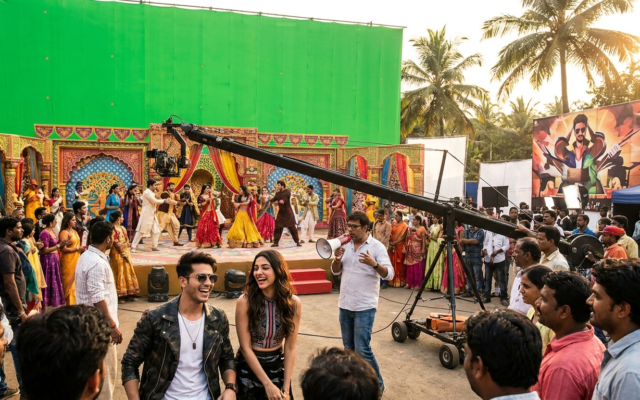
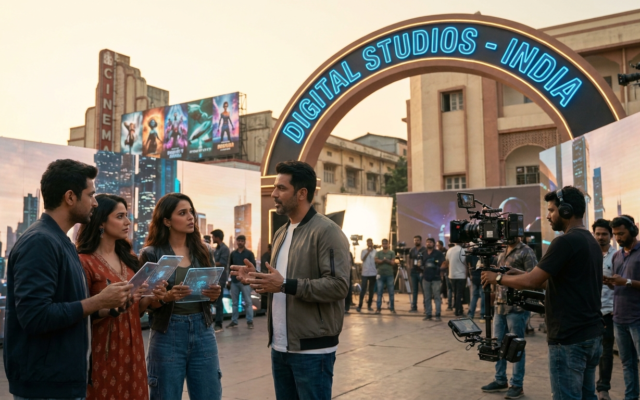
The year is 2026, and the conversation around Bollywood is no longer solely about the ₹100 crore club or the ₹500 crore blockbusters. While the allure of the grand theatrical experience persists, a seismic shift has been quietly underway, propelled by the unstoppable force of digital streaming platforms. These platforms, from global giants like Netflix and Amazon Prime Video to homegrown players like Disney+ Hotstar and JioCinema, have moved from being mere distributors to becoming powerful incubators of content and talent. They are not just showing films; they are actively commissioning, co-producing, and even pioneering new narrative forms that cater to a rapidly evolving Indian audience.
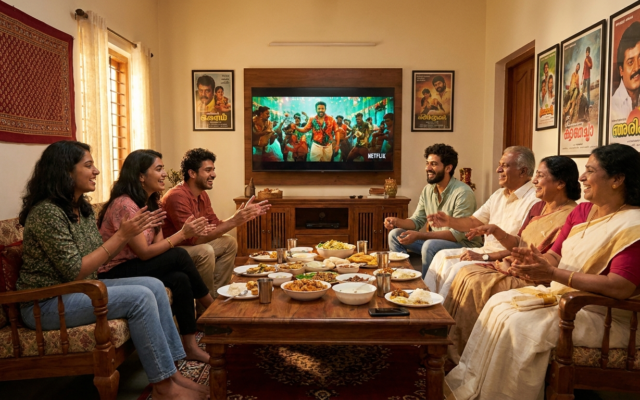
We’re seeing a generation of filmmakers and actors who have cut their teeth in the digital space, experimenting with genres and storytelling techniques that might have found it harder to secure big-budget theatrical releases in the past. This has opened up the industry to a wider pool of creative minds, breaking down traditional barriers. The accessibility of these platforms means a story from a small town in Kerala or a nuanced drama from West Bengal can find a national audience, something unimaginable a decade ago. This democratisation is fundamentally altering what constitutes a “hit” and who gets to be a star.
New Stardom Forged in Pixels
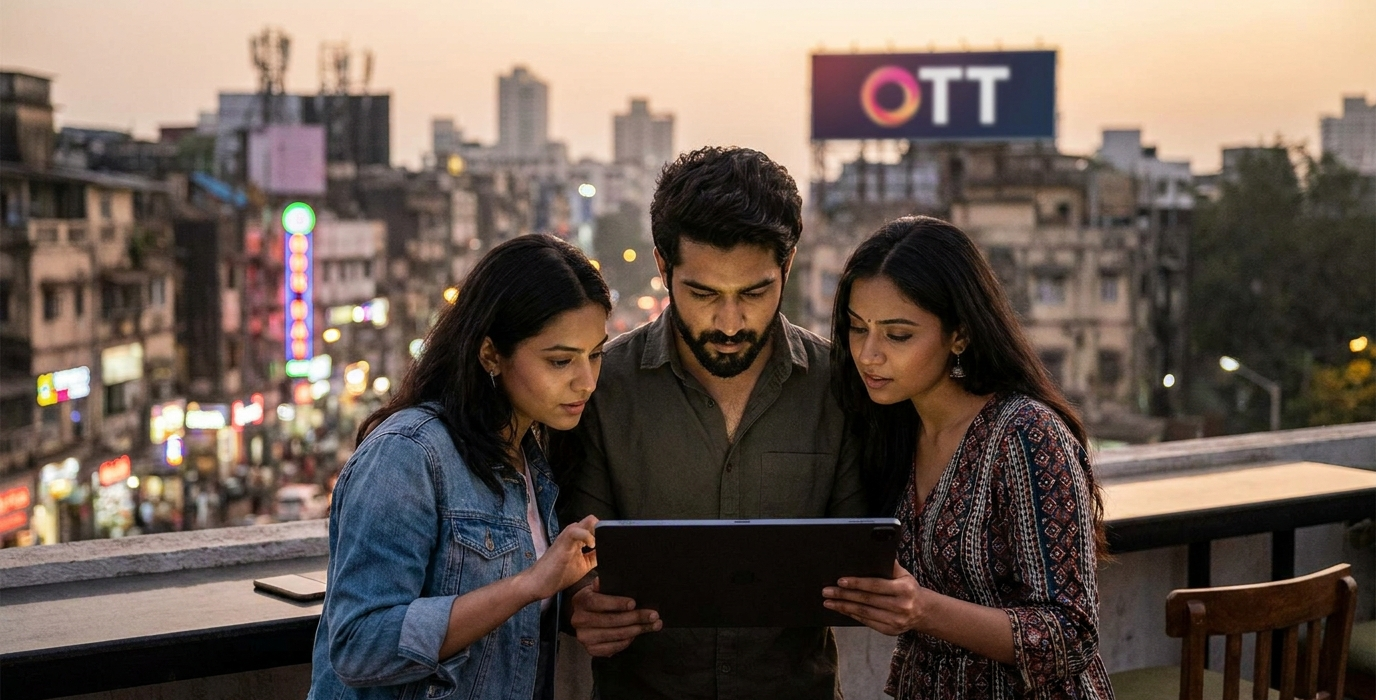
Gone are the days when stardom was exclusively defined by sold-out cinema halls and magazine covers. Today, a significant portion of India’s acting talent is being discovered and celebrated through the intimate glow of mobile phones and television screens. Actors who might have struggled for visibility in the traditional star system are now commanding fan followings and critical acclaim on OTT. Think of the breakout performances in web series that have, in turn, propelled actors into mainstream consciousness, leading to opportunities in feature films.
This shift means that performance and relatability are often trumping sheer star power. Audiences are engaging with characters and narratives on a more personal level, and platforms are quick to identify and nurture talent that resonates. We’re witnessing the rise of actors who might not fit the conventional Bollywood mould but possess a raw authenticity that connects with millions. This isn’t just about individual careers; it’s about a broader definition of celebrity that embraces diverse skill sets and appeal, pushing the boundaries of what it means to be a Bollywood star in 2026.
Content is King, But Context is Queen
The digital revolution has fundamentally changed the economics and creative drivers of filmmaking. Studios and independent producers are now acutely aware of the diverse needs of different platforms. A gritty crime thriller that thrives on cliffhangers might be perfect for a binge-watching audience, while a heartwarming family drama could find its niche on a platform catering to a broader demographic. This has led to a proliferation of content catering to niche interests and regional tastes, something that the traditional, mass-appeal Bollywood model sometimes struggled to accommodate.
This is not to say that the grand spectacle is dead. Big-budget action films and lavish musicals still draw crowds to cinemas. However, the success of smaller, content-driven films on OTT has proven that audience appetite extends far beyond the formulaic. The crucial element now is understanding the platform and its audience. A film designed for the intimate viewing experience of a smartphone needs different pacing, visual language, and thematic focus than one destined for a 70mm screen. This granular understanding of context is becoming as vital as the storytelling itself.
The Hybrid Release Strategy: Balancing Act
The debate over theatrical versus direct-to-OTT releases continues to evolve. In 2026, we’re seeing a sophisticated hybrid release strategy become the norm for many major productions. This involves careful calculation of release windows, balancing the urgency of digital availability with the revenue and prestige of a cinema launch. Some films might opt for a traditional theatrical run followed by a digital premiere after a specific period, while others might have a simultaneous release or a shorter gap.
The key is optimising for reach and revenue across multiple touchpoints. For example, a film might launch in cinemas to generate initial buzz and box office collection, then transition to OTT to capture a wider audience that prefers home viewing or missed the theatrical window. Conversely, some smaller, critically acclaimed films might find a more immediate and appreciative audience on streaming, bypassing a limited theatrical release altogether. This strategic flexibility is what allows content creators to navigate the complex media landscape of today.
Beyond Mumbai: The Rise of Regional Storytelling
One of the most exciting consequences of the digital boom is the empowerment of regional cinema and storytelling. Platforms are actively investing in content from various linguistic pockets of India, bringing stories from Punjab, Tamil Nadu, Bengal, and beyond to a national and international audience. This is not just about dubbing; it’s about commissioning original content in regional languages, fostering local talent, and celebrating diverse cultural narratives.
We’ve seen how a meticulously crafted Malayalam thriller or a vibrant Punjabi comedy can transcend linguistic barriers and become a national talking point, achieving viewership numbers that rival traditional Bollywood hits. This challenges the historical dominance of Mumbai as the sole epicentre of Indian cinema. It signifies a true democratisation of filmmaking, where compelling stories and authentic voices can find their audience regardless of their geographic origin or primary language. This infusion of diverse perspectives enriches the entire Indian cinematic landscape.
The Future of Bollywood: An Evolving Ecosystem
Looking ahead, it’s clear that Bollywood is not a monolith but an evolving ecosystem. The lines between theatrical, television, and digital are increasingly blurred. The success of one medium often fuels opportunities in others. Actors gain popularity on OTT and then transition to film; films that perform well in cinemas are picked up by streaming platforms for wider reach; and digital-first productions are now eyeing theatrical releases for their most ambitious projects.
The industry is learning to adapt and innovate, leveraging technology to connect with audiences in new ways. This means not just focusing on the ₹500 crore club, but also on building sustainable careers for a wider range of talent and creating a diverse portfolio of content that appeals to a globalised, digitally-savvy Indian diaspora. The future of Bollywood is bright, dynamic, and more inclusive than ever before, thanks to the transformative power of the digital age.
Frequently Asked Questions
What is the biggest impact of OTT platforms on Bollywood?
The biggest impact is the democratisation of content and talent. OTT platforms have lowered the barrier to entry for filmmakers and actors, allowing a wider range of stories and diverse voices to reach national and international audiences, challenging traditional power structures in Mumbai.
Are traditional cinemas still relevant in 2026?
Yes, traditional cinemas remain relevant for big-scale, immersive experiences. They are crucial for blockbusters, event films, and the communal viewing experience. However, their role is now part of a broader, more integrated entertainment ecosystem that includes digital platforms.
How has OTT changed the definition of a Bollywood star?
OTT has broadened the definition of stardom. Performance, relatability, and digital presence are increasingly as important as traditional star power. Actors who gain popularity through web series are now recognised and sought after, leading to a more diverse pool of celebrated talent.
Will Bollywood become entirely digital in the future?
It’s unlikely Bollywood will become entirely digital. Instead, we are moving towards a hybrid model where theatrical releases, digital premieres, and streaming exclusivity coexist and complement each other. The industry is adapting to offer content across various platforms to maximise reach and cater to different audience preferences.
What does the rise of regional content on OTT mean for Hindi cinema?
The rise of regional content on OTT signifies a richer, more diverse Indian film landscape. It pushes Hindi cinema to be more innovative and globally competitive. It also provides a platform for cross-cultural appreciation and the discovery of new storytelling techniques and artistic talent from across India.