Key Takeaways
- Embrace the monsoon with hearty, budget-friendly Indian dishes that are both comforting and quick to prepare.
- Discover regional monsoon specials, from steaming momos in the Himalayas to crispy pakoras across the plains, all achievable without breaking the bank.
- Learn simple techniques to elevate everyday ingredients into festive monsoon meals, perfect for family gatherings or a cozy solo dinner.
- Explore how to source seasonal produce and adapt classic recipes for a healthier, more economical monsoon spread.
Monsoon Magic on a Budget: Welcoming the Rains with Warmth and Flavour
The first drops of monsoon rain aren’t just a relief from the summer heat; they herald a season of unique culinary delights across India. From the verdant hills of Himachal Pradesh to the bustling streets of Mumbai, the rains inspire a craving for hot, flavourful food that warms you from the inside out. This year, as we welcome the monsoon of 2026, we’re focusing on how you can recreate these comforting experiences in your own kitchen, without straining your wallet. We’ll explore traditional monsoon favourites, simple ingredient swaps, and clever cooking hacks to ensure your home is filled with the irresistible aroma of delicious, affordable meals. Get ready to transform your kitchen into a monsoon haven, one delicious bite at a time.
Many of us associate monsoon food with deep-fried indulgences, and while those have their place, we’re going to delve into a wider spectrum. Think beyond just pakoras and samosas. We’ll look at dishes that are naturally warming, packed with seasonal vegetables, and can be made in large batches, making them perfect for family meals. We’ll also highlight how to use readily available spices and grains to create complex flavours without expensive ingredients. Our aim is to provide you with practical, inspiring ideas that celebrate the spirit of the monsoon season while being mindful of your budget.
Himalayan Comfort: Steaming Momos and Hearty Soups
The monsoon in the Himalayas brings a mystical charm, often accompanied by chilly winds and a persistent drizzle. This weather calls for food that provides substantial warmth and energy. One of the most beloved monsoon staples in regions like Himachal Pradesh and Uttarakhand are momos. Traditionally, these steamed dumplings are filled with minced meat or vegetables. For a budget-friendly and equally delicious vegetarian version, you can use finely chopped cabbage, carrots, onions, and a hint of ginger and garlic. The dough is simple – just flour and water – and the steaming process is energy-efficient.
Making momos at home might seem daunting, but it’s surprisingly straightforward once you get the hang of shaping them. You can prepare a large batch of fillings and dough, shape them, and then freeze the uncooked momos. When you’re ready for a quick meal, you can steam them directly from frozen. Serve these with a spicy tomato-based dipping sauce or a simple soy-ginger concoction. Another Himalayan favourite is Thukpa, a hearty noodle soup. A vegetarian Thukpa, packed with seasonal vegetables like cauliflower, beans, and spinach, is incredibly nourishing and cost-effective. You can use vegetable broth or even just water seasoned with ginger, garlic, and a touch of chilli. These dishes are not just food; they are a hug in a bowl, perfect for chasing away the monsoon blues.
An interesting fact about momos is their origin. While widely popular in India and Nepal, their roots can be traced back to Tibet, where they were a staple for nomadic communities. Their adaptability to local ingredients has made them a true pan-Himalayan delight. Furthermore, many Himalayan communities traditionally prepare a simple lentil soup called Dal Bhat during monsoon. This staple, comprising lentils and rice, is often enriched with foraged wild greens unique to the season, adding both nutrition and a distinct local flavour profile that is both economical and deeply satisfying.
Budgeting for Momos and Thukpa
To keep costs down when making momos, focus on seasonal vegetables that are plentiful and inexpensive. Cabbage, onions, and carrots are usually budget-friendly options. For Thukpa, use whatever vegetables are in season; broccoli, peas, and hardy greens like spinach or kale are excellent choices. The noodle component can be as simple as plain wheat noodles, or even broken spaghetti if you’re in a pinch. These hearty dishes are excellent for batch cooking and can be portioned for lunches throughout the week, further enhancing their economic appeal.
Plains of Plenty: Crispy Pakoras and Comforting Khichdi
As the monsoon blankets the vast plains of North India, from Punjab to West Bengal, the craving for warm, crispy snacks and soul-satisfying meals intensifies. The quintessential monsoon snack is, of course, the pakora. While onion and potato pakoras are classics, you can elevate this simple joy without overspending. Experiment with seasonal vegetables like cauliflower, spinach, or even bottle gourd (lauki). For an extra flavour punch and a healthy twist, try adding grated carrots or finely chopped coriander leaves to the besan (gram flour) batter. The key to good pakoras is a perfectly seasoned batter and hot oil, ensuring they are crisp and not oily.
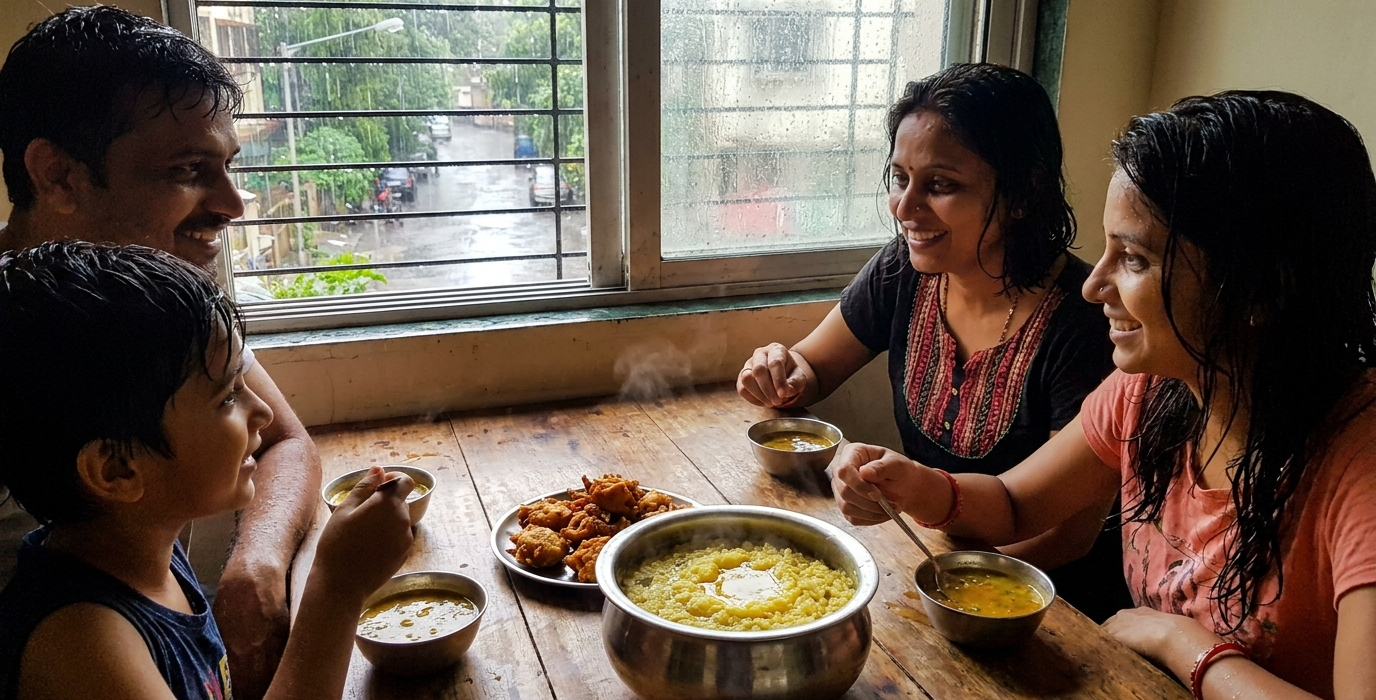
Beyond the fried delights, the plains offer a more wholesome monsoon champion: Khichdi. This humble dish of rice and lentils cooked together is the epitome of comfort food and incredibly economical. It’s not just nutritious; it’s also incredibly adaptable. You can make it plain or load it with seasonal vegetables like peas, carrots, and beans. A simple tempering of ghee (clarified butter) with cumin seeds, mustard seeds, and a pinch of asafoetida (hing) transforms it into a flavourful masterpiece. For an even heartier meal, serve it with a dollop of plain yogurt and a side of pickle. Khichdi is a testament to how simple ingredients can create deeply satisfying and nourishing meals.
We often think of Khichdi as plain, but it can be a canvas for incredible flavour. Consider the “Panchmel Khichdi” from Rajasthan, which uses five types of lentils and vegetables, offering a complex flavour profile and enhanced nutrition. It’s a dish that proves you don’t need expensive spices to create something truly special. Another surprising fact is that in some parts of Uttar Pradesh, a sweet version of Khichdi, made with jaggery and milk, is prepared during the monsoon, offering a comforting dessert option that’s just as budget-friendly as its savoury counterpart.
Smart Shopping for Plains’ Favourites
When buying vegetables for pakoras and khichdi, always opt for what’s in season. Local markets often have the best prices for produce that’s readily available. Besan and rice are staple grains that are generally affordable. For tempering, a small packet of ghee and a few common spices like cumin and mustard seeds will last you a long time. Making your own ginger-garlic paste from scratch is also more economical than buying pre-made. These small savings add up, making your monsoon meals truly budget-friendly.
Coastal Cravings: Spiced Up Seafood and Comforting Curries
The Indian coastline, from Goa to Kerala, experiences the monsoon with dramatic flair. While heavy rains might limit access to fresh fish sometimes, the season also brings unique catches and a demand for warm, flavourful dishes that can be enjoyed indoors. For those near the coast, a simple yet delicious monsoon meal can be made with affordable seafood like sardines or mackerel. These oily fish are packed with nutrients and flavour. A basic preparation involves marinating them with turmeric, red chilli powder, and salt, then shallow-frying or baking them. Serve with lemon wedges and a side of steamed rice.
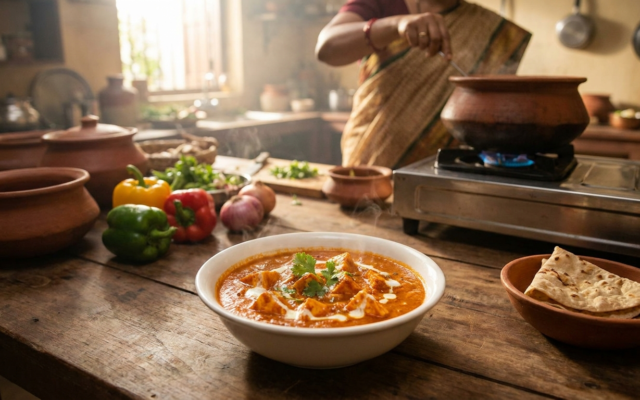
For those who prefer vegetarian options, or when fresh catch is scarce, hearty curries are the way to go. Lentil-based curries, like a robust Dal Tadka or a creamy Dal Makhani (using more affordable kidney beans), are perfect. You can also create flavourful vegetable curries using seasonal produce. Think of a spicy potato and cauliflower curry, or a rich coconut-based vegetable stew, common in Kerala. Coconut milk is widely available and relatively inexpensive, providing a creamy texture that makes even simple vegetables feel luxurious. These curries are best enjoyed with steamed rice or appams, creating a complete and satisfying meal.
A less common but incredibly satisfying coastal monsoon dish is the Konkani “Solkadhi.” This refreshing digestive drink, made from kokum (a sour fruit) and coconut milk, is often served after meals to aid digestion and cool the palate. It’s surprisingly simple to make and uses ingredients that are staples in coastal homes, offering a unique, budget-friendly flavour. Another fascinating aspect of coastal monsoon cuisine is the tradition of preserving fish. During peak monsoon when fishing is difficult, communities often dry or smoke fish, creating a flavourful, long-lasting ingredient that can be used in curries and stir-fries throughout the season, adding depth and economy to their meals.
Maximizing Flavour and Budget on the Coast
When cooking seafood, marinating it with spices for at least 30 minutes before cooking significantly enhances the flavour. For curries, using fresh ginger, garlic, and onions as a base is crucial for building depth. Don’t underestimate the power of whole spices like cumin seeds, mustard seeds, and curry leaves for tempering. Coconut milk is often available in cans or cartons, and buying larger sizes can sometimes be more economical. For a flavourful vegetarian alternative, consider using paneer (Indian cottage cheese) in curries; it’s a good source of protein and adds a rich texture, though it can be slightly pricier than vegetables.
Eastern Delights: Aloo Pitika and Hearty Litti Chokha
The monsoon in Eastern India, particularly in regions like Assam and Bihar, brings lush greenery and a distinct culinary landscape. In Assam, the simple yet incredibly flavourful “Aloo Pitika” is a monsoon staple. This mashed potato dish is prepared by boiling potatoes, then mashing them with raw mustard oil, finely chopped onions, green chillies, and coriander leaves. The raw mustard oil gives it a pungent kick that is deeply comforting during the rains. It’s incredibly easy to make and requires just a few basic ingredients, making it a perfect budget meal.
Moving west to Bihar, the iconic “Litti Chokha” becomes a star. Littis are whole wheat flour balls stuffed with a spiced sattu (roasted gram flour) filling, which are then roasted over charcoal or in an oven. Chokha is a mash of roasted eggplant, tomatoes, and potatoes, seasoned with onions, garlic, ginger, and mustard oil. While traditionally roasted over charcoal, you can achieve a similar smoky flavour by roasting the vegetables for the chokha directly over a gas flame. The sattu filling is protein-rich and incredibly filling, making Litti Chokha a complete meal that is both hearty and economical.
A fascinating aspect of Litti Chokha is the preparation of sattu. Traditionally, sattu is made from roasted barley or chickpeas, which are then ground into a fine flour. The roasting process gives it a unique nutty flavour and aroma that is central to the dish’s appeal. This makes sattu an incredibly versatile and budget-friendly ingredient, often used in various forms across Eastern India. Another surprising fact: in some parts of rural Assam, a dish called “Khar” is a fundamental part of every meal, especially during the monsoon. Khar is made from the liquid extracted from the ashes of banana peels, which has unique digestive properties and a distinct flavour, often used to cook vegetables or meat, demonstrating an ancient, resourceful culinary tradition.
Economical Ingredients for Eastern Flavours
Sattu is a remarkably affordable ingredient and is widely available in Indian markets. Potatoes, eggplants, and tomatoes are generally inexpensive, especially during their peak seasons. Whole wheat flour for the littis is also a staple and cost-effective. Mustard oil, while having a strong flavour, is usually more budget-friendly than other cooking oils. For Aloo Pitika, fresh herbs like coriander and green chillies are usually readily available and inexpensive additions that pack a flavour punch.
Southern Sensations: Millet Magic and Hearty Rasam
The monsoon season in South India, while bringing respite, also calls for lighter yet nourishing meals that can be easily digested. This is where millets truly shine. Forget rice for a moment and embrace the goodness of jowar (sorghum), bajra (pearl millet), and ragi (finger millet). These ancient grains are not only incredibly nutritious and gluten-free but also very affordable and sustainable. You can make rotis or dosas with millet flour, or even prepare millet-based upma or porridge. A simple millet pulao, cooked with seasonal vegetables and mild spices, makes for a complete and satisfying meal that is far more economical and healthier than refined rice dishes.
Another quintessential South Indian comfort food, perfect for a rainy day, is Rasam. This thin, tangy soup is made from tamarind pulp, tomatoes, and a blend of spices. It’s incredibly light, aids digestion, and is packed with flavour. A traditional Rasam often includes garlic, black pepper, cumin, and curry leaves, creating a warming and aromatic broth. You can make a simple tomato-based rasam or a lentil-based rasam for added protein. Serving hot Rasam with plain steamed rice and a dollop of ghee is a classic monsoon meal that soothes the soul and is remarkably easy on the pocket.
A surprising fact about South Indian cuisine is the traditional use of “Moringa” or drumstick leaves, especially during the monsoon. These leaves are incredibly rich in nutrients and have a slightly bitter but pleasant taste when cooked. They are often added to dals or made into a simple stir-fry, providing a healthy and budget-friendly nutritional boost. Furthermore, the practice of making “Papad” or “Appalam” at home during the monsoon is quite common. These thin, crispy wafers, made from lentil flours like urad dal, are sun-dried and then deep-fried or roasted. While they can be bought, making them at home during a less busy period and storing them can offer significant savings over time, ensuring a crispy accompaniment to meals.
Budget-Friendly Millet and Rasam Tips
Millet flours are readily available in most Indian grocery stores and are often priced competitively with wheat flour. Buying them in larger quantities can lead to further savings. For Rasam, tamarind pulp is a key ingredient and a small block goes a long way. Dried red chillies, curry leaves, and basic spices are staples that are usually inexpensive. If you’re making lentil-based Rasam, using toor dal (split pigeon peas) or moong dal (split yellow lentils) will be more economical than other pulses.
Frequently Asked Questions
What are the best seasonal vegetables to use for monsoon cooking?
During the monsoon, focus on vegetables that grow well in this season and are readily available. This includes cauliflower, cabbage, spinach, bottle gourd (lauki), ridge gourd (turai), okra (bhindi), and various types of beans. Potatoes and eggplants are also good staples. These vegetables are not only affordable but also add unique flavours and textures to your dishes.
How can I make my monsoon meals healthier without increasing costs?
Opt for steaming, baking, or shallow-frying over deep-frying whenever possible. Incorporate whole grains like millets and whole wheat. Load your meals with a variety of seasonal vegetables and lean proteins like lentils and beans. Reduce the amount of oil and sugar used, and rely on spices and herbs for flavour.
Are there any specific spices that are particularly good for monsoon cooking?
Spices that offer warmth and are believed to aid digestion are popular during monsoon. These include ginger, garlic, cumin, coriander, turmeric, black pepper, cloves, and cinnamon. Asafoetida (hing) is also commonly used for its flavour and digestive properties. Fresh herbs like coriander and mint add freshness.
What are some easy dessert options for the monsoon season?
For a simple and budget-friendly dessert, consider a sweet lentil pudding (dal payasam) made with jaggery, or a simple rice pudding (kheer). Baked fruit like apples or bananas with a sprinkle of cinnamon also make a warm and comforting dessert. If you’re feeling adventurous, the sweet khichdi mentioned earlier is a unique option.