Key Takeaways
- The Digital Rupee (e₹) is steadily integrating into India’s payment ecosystem, offering enhanced security and efficiency.
- Retail and wholesale versions of e₹ are both seeing increased adoption, with specific use cases emerging in cross-border transactions and interbank settlements.
- Mobile-first strategies and targeted incentives are crucial for broader public adoption, especially in rural and semi-urban areas.
- While challenges like digital literacy and infrastructure remain, the long-term outlook for e₹ is positive, promising greater financial inclusion and innovation.
The Digital Rupee: A New Era for Indian Payments
India’s financial landscape is undergoing a profound transformation, and at its heart lies the Digital Rupee, or e₹. Launched officially by the Reserve Bank of India (RBI) in phases, this Central Bank Digital Currency (CBDC) is no longer a theoretical concept but a tangible part of our daily transactions. As of August 2026, we’re witnessing its gradual but determined integration into both retail and wholesale segments. This isn’t just about digitizing cash; it’s about building a more resilient, efficient, and inclusive payment system for the nation.
The e₹ aims to complement, not replace, existing forms of money. Think of it as a digital avatar of the Indian Rupee, issued by the RBI and holding the same value. Its introduction is a strategic move, driven by the need to innovate in the face of rapidly evolving digital payment technologies worldwide. We’ve already seen the success of UPI, but e₹ brings an additional layer of trust and direct central bank backing to digital transactions.
The journey began with pilot programs, carefully assessing its potential and ironing out technical glitches. Today, the e₹ is available through select banks, and its use cases are expanding. From instantaneous interbank settlements in the wholesale segment to potential peer-to-peer payments in the retail sphere, the e₹ is quietly but surely reshaping how we think about money in India. Understanding its nuances is key to navigating this evolving financial future.
Retail e₹: Convenience and Security for Every Indian
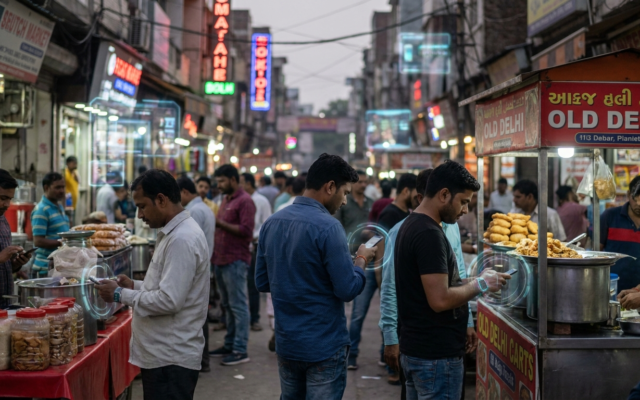
The retail version of the Digital Rupee (e₹-R) is designed to be accessible to everyday consumers, much like the cash in your wallet or the balance in your digital payment apps. It’s built with a focus on user-friendliness, aiming to seamlessly integrate into existing payment behaviours. For instance, imagine making a purchase at a local kirana store in Jamshedpur or booking a train ticket from Kerala, all with the added security and direct backing of the RBI.
Currently, e₹-R can be held in digital wallets provided by participating banks. Transactions are typically initiated through a mobile app, similar to how you might use UPI. The key difference lies in the underlying technology and the guarantee of settlement. Unlike some digital payment methods that rely on intermediary ledgers, e₹ transactions are direct, offering a higher degree of trust and finality.
One of the most exciting aspects of e₹-R is its potential for offline payments. While still in development and testing phases for widespread rollout, this feature could be a game-changer for areas with intermittent internet connectivity. Picture a farmer in a remote village in Rajasthan being able to make and receive payments even without a stable network. This level of resilience is a significant advantage, ensuring that essential transactions can continue unimpeded. The RBI is actively working with banks and technology providers to ensure these advanced features are robust and secure before they become universally available. The early adoption figures, though still modest, show a growing comfort level among tech-savvy users.
Surprising Fact: Offline Transactions are a Priority
While many countries focus their CBDC efforts on wholesale applications, India has placed a strong emphasis on developing robust offline capabilities for its retail e₹. This means that unlike many digital payments that require constant internet connectivity, the e₹ aims to function even when you’re in a subway tunnel in Delhi or a remote village in the Himalayas. This focus is a testament to India’s commitment to financial inclusion for its vast and diverse population.
Wholesale e₹: Revolutionizing Interbank and Cross-Border Transactions
Beyond individual consumers, the wholesale Digital Rupee (e₹-W) is already making significant inroads into the financial infrastructure. This version is designed for interbank settlements, securities trading, and other large-value transactions, offering unparalleled efficiency and reducing counterparty risk. Think of the massive financial flows that move between banks and financial institutions daily; e₹-W aims to make these processes faster, cheaper, and more secure.
The primary benefit here is the instantaneous settlement of transactions. Currently, many wholesale transactions involve complex clearing and settlement processes that can take days. With e₹-W, these settlements can happen in near real-time, freeing up capital and reducing the need for extensive collateral. This is particularly valuable in areas like the government securities market or for large corporate payments moving between Mumbai’s financial hub and other business centers.
Moreover, the RBI is actively exploring the use of e₹-W for cross-border payments. This could dramatically streamline international trade and remittances, reducing the reliance on correspondent banking networks and cutting down on associated fees and delays. Imagine a textile exporter in Surat receiving payment from a buyer in Dubai almost instantly, without the usual currency conversion hassles and waiting periods. This potential to boost India’s international trade and financial integration is immense. Pilot projects involving multiple central banks are already underway, showcasing the global ambition for this technology.
The Role of Tokenization
A key technological aspect of e₹-W is its use of tokenization. Instead of transferring actual currency, tokens representing the Digital Rupee are transferred. This allows for programmable money, where transactions can be programmed with specific conditions, further enhancing security and automating complex financial processes. This is a significant leap from traditional payment systems and opens doors for innovative financial products.
Adoption Drivers and Challenges in 2026
As we move further into 2026, the adoption of the Digital Rupee is being driven by several key factors, alongside persistent challenges. On the positive side, the inherent trust in a CBDC issued directly by the RBI is a major draw. Unlike cryptocurrencies that can be volatile, the e₹ offers stability and security, reassuring both individuals and institutions.
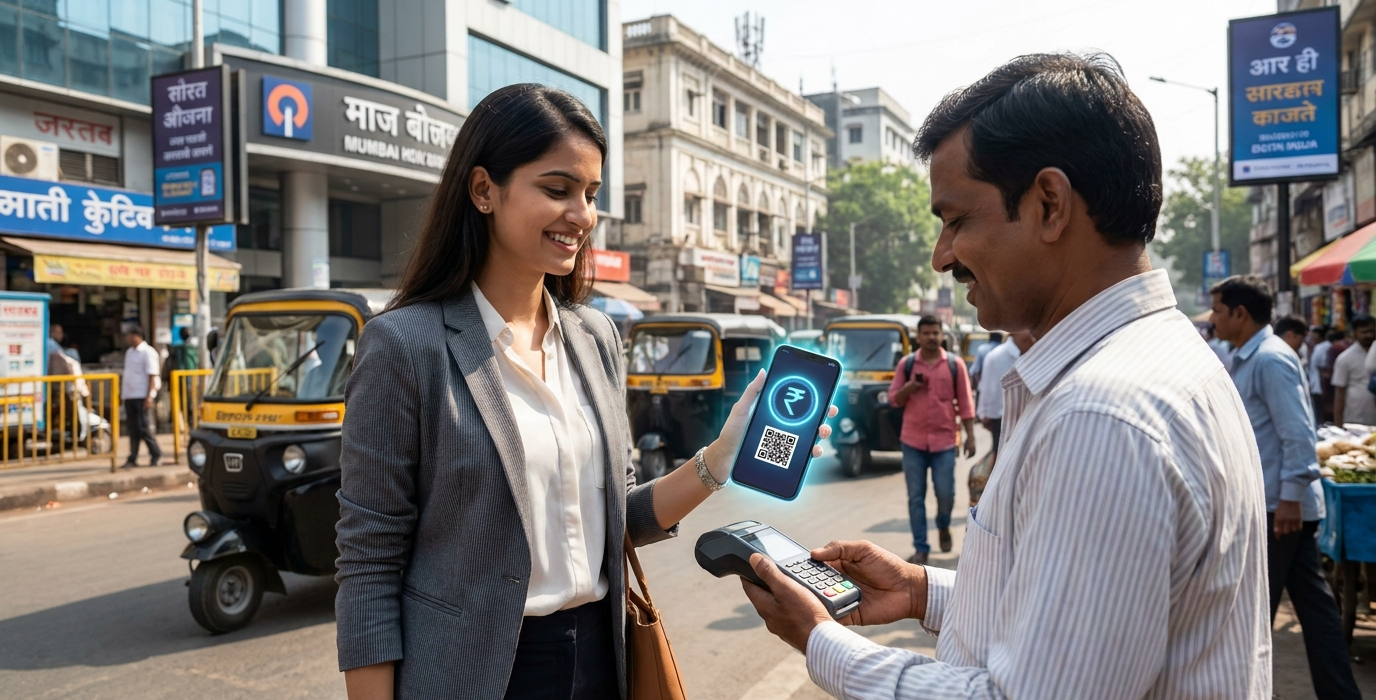
Furthermore, the government and the RBI are actively promoting the e₹ through awareness campaigns and educational initiatives. Banks are also incentivizing early adopters, though the nature of these incentives is evolving. The increasing integration of e₹ into existing payment platforms, including potential linkages with UPI in the future, is also expected to boost usage. Think of a simple QR code scan that could soon offer you the option to pay via UPI or e₹, making the choice seamless.
However, challenges remain. Digital literacy is a significant hurdle, especially in rural and semi-urban areas. Many individuals may not be comfortable with new digital interfaces or understand the nuances of e₹ compared to traditional cash or established digital methods. Infrastructure gaps, particularly in areas with unreliable internet or electricity, also pose a challenge. Ensuring a smooth and accessible user experience for everyone, regardless of their technological proficiency or location, is paramount.
Another aspect is the competition from existing payment systems. UPI has achieved remarkable penetration and ease of use. For e₹ to truly gain widespread adoption, it needs to offer clear and tangible benefits over these established systems, whether it’s in terms of cost, speed, security, or unique functionalities. The RBI’s strategy of a phased rollout and continuous feedback gathering is designed to address these issues incrementally.
The Future of Payments: e₹ and Innovation
The introduction of the Digital Rupee is not just about creating a new payment instrument; it’s about laying the groundwork for a future of financial innovation. The programmable nature of CBDCs, particularly e₹-W, opens up a realm of possibilities for smart contracts, automated payments, and even new forms of digital assets. Imagine a future where dividend payments are automatically disbursed to shareholders the moment profits are declared, or where loan repayments are automatically debited upon fulfillment of pre-agreed conditions.
For the retail segment, e₹ could foster new business models. For example, loyalty programs could be embedded directly into the currency, allowing for seamless redemption of rewards at the point of sale. Charitable donations could be tracked from donor to beneficiary, ensuring transparency and accountability. The potential for enhanced financial inclusion is also substantial. By providing a secure and accessible digital form of money, e₹ can bring more people into the formal financial system, especially those who are currently unbanked or underbanked.
The RBI’s approach is cautious yet forward-looking. They are closely monitoring global developments in CBDCs and learning from the experiences of other countries. The aim is to build a digital currency that is not only robust and secure but also adaptable to future technological advancements. The collaboration with private sector players, including banks and fintech companies, is crucial in this regard. They are the ones who will build the user-friendly interfaces and innovative applications that will ultimately drive public adoption and unlock the full potential of the e₹.
A Step Towards a Cashless Society?
While e₹ is a significant step towards a more digital economy, it’s important to note that it’s designed to complement, not eliminate, cash. The RBI has repeatedly emphasized that physical currency will continue to be available and accepted. The goal is to offer choice and efficiency, not to force a complete transition away from cash, which remains vital for certain segments of the population and for privacy reasons.
Comparing e₹ with Existing Payment Methods
It’s crucial for consumers and businesses to understand how the Digital Rupee stacks up against the payment methods they currently use. While e₹ offers unique advantages, existing systems like UPI and traditional bank transfers remain relevant and widely used. Let’s break down some key differences:
UPI (Unified Payments Interface) has revolutionized instant payments in India. It’s incredibly convenient, widely adopted, and works by transferring funds between bank accounts through intermediaries. The e₹, on the other hand, is a direct liability of the RBI. This means that when you transact with e₹, you are interacting directly with the central bank’s digital ledger, offering an added layer of security and trust, especially for large value transactions.
Traditional bank transfers (NEFT/RTGS) are robust for larger, non-instantaneous transfers. They are reliable but can involve longer settlement times compared to the near-instantaneous nature of e₹-W. For retail, e₹ aims to offer a similar ease of use to UPI but with the backing of central bank money, potentially leading to fewer transaction failures or disputes in the long run. The fees associated with e₹ transactions are also expected to be competitive, especially as adoption grows.
| Feature | Digital Rupee (e₹) | UPI | Bank Transfer (NEFT/RTGS) |
|---|---|---|---|
| Issuer | Reserve Bank of India (RBI) | Banks (via NPCI) | Banks |
| Settlement | Direct, Near Real-time (Retail/Wholesale) | Interbank (near real-time) | Interbank (time-bound batches) |
| Counterparty Risk | Minimal (RBI liability) | Minimal (bank liability) | Minimal (bank liability) |
| Offline Capability | Planned/Developing (Retail) | Requires Internet | Requires Internet |
| Programmability | High (especially e₹-W) | Limited | Limited |
| Typical Use | Retail Payments, Wholesale Settlements, Cross-border | Peer-to-peer, Merchant Payments | Large Value Transfers, Bilateral Payments |
The choice between these methods will increasingly depend on the specific transaction’s needs – speed, value, security requirements, and the availability of internet connectivity. As e₹ matures, we can expect more direct comparisons and potentially integrations that leverage the strengths of each system.
Navigating the Digital Rupee: Practical Steps and Future Outlook
For you, as a user, the immediate impact of the Digital Rupee might be subtle, but its long-term potential is immense. To start experiencing e₹, you’ll typically need to download a digital wallet from one of the participating banks. These wallets are often integrated into your existing banking apps or available as standalone applications. The process is designed to be as straightforward as setting up any other digital payment app.
The RBI and the banking sector are committed to making the transition as smooth as possible. Expect to see more educational materials and customer support channels dedicated to the e₹. As the technology evolves, features like offline payments and direct peer-to-peer transfers will become more prominent, offering even greater convenience. For businesses, adopting e₹ can mean faster settlement times, reduced transaction costs, and access to new payment-enabled innovations.
“The Digital Rupee represents not just technological advancement, but a fundamental reimagining of trust and efficiency in India’s financial architecture. It’s about building a future where digital money is as reliable and accessible as the physical currency we’ve always known.”
The future outlook for the Digital Rupee is one of steady growth and increasing integration. While challenges related to adoption and infrastructure need continuous attention, the foundational benefits of security, efficiency, and potential for financial inclusion are undeniable. As we look ahead, the e₹ is poised to become an integral part of India’s digital economy, driving innovation and empowering individuals and businesses alike. We are at the cusp of a new era in payments, and the Digital Rupee is leading the charge.
Frequently Asked Questions
Is the Digital Rupee replacing physical cash?
No, the Digital Rupee is designed to complement, not replace, physical cash. The RBI has emphasized that cash will continue to be available and accepted, offering users a choice in how they transact.
How can I start using the Digital Rupee?
To use the retail Digital Rupee (e₹-R), you will typically need to download a digital wallet from a participating bank. This process is similar to setting up other digital payment applications and often integrates with your existing banking services.
Is the Digital Rupee safe to use?
Yes, the Digital Rupee is considered highly safe. As a Central Bank Digital Currency (CBDC), it is a direct liability of the Reserve Bank of India, offering a high degree of security and trust, and is built using advanced cryptographic techniques.
What are the benefits of the Digital Rupee over UPI?
The Digital Rupee offers direct RBI backing, potentially leading to greater trust and reduced counterparty risk. For wholesale transactions, it enables near real-time settlement. Future retail versions may also offer offline payment capabilities and enhanced programmability not inherent in UPI.