Key Takeaways
- The Digital Rupee (e₹) is India’s Central Bank Digital Currency (CBDC), distinct from cryptocurrencies like Bitcoin.
- It offers potential benefits like faster, cheaper transactions and increased financial inclusion, especially in rural areas.
- While not a direct investment like stocks, holding e₹ can offer stability and accessibility for everyday transactions.
- Risks are minimal for holders, but understanding its operational aspects and differentiating it from speculative crypto is crucial.
The Digital Rupee: More Than Just Digital Cash
Imagine a currency that is as familiar as the rupee note in your wallet, yet exists purely in the digital realm. This is the essence of India’s Digital Rupee, or e₹, the Central Bank Digital Currency (CBDC) being piloted and gradually rolled out by the Reserve Bank of India (RBI). It’s crucial to understand that the e₹ is fundamentally different from the volatile cryptocurrencies that often dominate headlines. Think of it as a digital liability of the RBI, just like physical currency. This means it carries the same trust and backing as the physical rupee, offering a level of stability that speculative digital assets simply cannot match. As we move further into 2026, the implications of this digital evolution for everyday Indians, and indeed for global financial systems, are becoming increasingly significant.
We’re not talking about a get-rich-quick scheme here. The e₹ is designed for efficiency, security, and accessibility in everyday financial dealings. Its introduction is a strategic move to modernize India’s payment infrastructure and enhance financial inclusion. For many in Tier 2 and Tier 3 cities, and even remote villages, the e₹ promises a more seamless and secure way to transact, potentially bypassing some of the traditional banking hurdles. This article will delve into what the Digital Rupee means for you, the potential benefits it offers, and how it fits into the broader digital financial landscape of India and beyond.
Understanding the Digital Rupee: Not Your Average Crypto
The most common misconception about the Digital Rupee is its conflation with cryptocurrencies like Bitcoin or Ethereum. Let’s be clear: the e₹ is a Central Bank Digital Currency (CBDC), issued and regulated by the RBI. Unlike decentralized cryptocurrencies whose value is driven by market sentiment and speculation, the e₹’s value is pegged directly to the Indian Rupee. This inherent stability is its defining characteristic. It’s essentially the digital form of the fiat currency we use daily, offering the same legal tender status and trust. The RBI’s careful approach to its rollout, starting with pilot programs, underscores its commitment to a stable and secure transition.
There are two primary forms of the e₹: the Retail Digital Rupee (e₹-R) and the Wholesale Digital Rupee (e₹-W). The e₹-R is for everyday consumers, much like the cash in your pocket, to be used for retail purchases. The e₹-W, on the other hand, is for interbank transactions and settlement, aiming to improve efficiency in the wholesale financial markets. For the average Indian, understanding e₹-R is key. It will likely be accessible through digital wallets, similar to how you use UPI apps today, but with the added assurance of being a direct RBI liability. This distinction is paramount for investors and everyday users alike.
Key Differences from Cryptocurrencies
The divergence between the e₹ and cryptocurrencies is stark. Cryptocurrencies often operate on decentralized blockchain networks, meaning no single entity has complete control. This decentralization can lead to price volatility and regulatory uncertainty. The Digital Rupee, however, is centralized, with the RBI as the sole issuer and regulator. This ensures control, oversight, and stability. Furthermore, cryptocurrencies are often mined or created through complex algorithms, whereas the e₹ is created by the central bank. The RBI has also emphasized that the e₹ will be designed with privacy in mind, though the extent of anonymity will differ from some cryptocurrencies.
One surprising fact often overlooked is that the RBI has been exploring CBDCs for quite some time. The groundwork laid over the past few years, including various discussion papers and research, has culminated in the current pilot phases. This demonstrates a methodical and well-thought-out approach, rather than a hasty jump into the digital currency space. For you, this means a currency designed for the Indian context, with robust security and regulatory backing.
The Promise of the Digital Rupee: Benefits for You
The Digital Rupee holds significant promise for enhancing the everyday financial lives of Indians. For consumers, the most immediate benefit is likely to be faster and cheaper transactions. Imagine sending money across the country instantly, without the delays or fees often associated with traditional bank transfers or even some digital payment services. This efficiency is particularly impactful for remittances, allowing migrant workers to send money home to their families in states like Bihar or Uttar Pradesh with greater ease and lower cost. The e₹ can potentially reduce the friction in cross-border payments within India, making them near-instantaneous.
Beyond speed and cost, the e₹ is poised to drive financial inclusion. Many individuals in rural and remote areas, or those without consistent access to banking infrastructure, could benefit immensely. A digital wallet holding e₹ can act as a secure and accessible financial tool, enabling participation in the formal economy. This could empower small businesses in towns like Jaisalmer or even small farmers in the agricultural heartlands of Punjab to accept payments digitally, expanding their reach and reducing reliance on cash. The RBI has also hinted at features like programmability, which could enable innovative uses, such as conditional payments for government subsidies, ensuring they reach the intended beneficiaries directly and efficiently.
A More Resilient Payment System
The introduction of the e₹ also strengthens India’s overall payment infrastructure. By providing a digital alternative to physical cash, it can help diversify payment channels and reduce reliance on single points of failure. In times of network outages or other disruptions, a well-designed e₹ system could offer a fallback mechanism, ensuring economic continuity. This resilience is a crucial aspect of a modern financial system, especially in a country as vast and diverse as India, with its varied geographical and technological landscapes. The potential for offline transactions, where e₹ could be used even without an internet connection, further enhances its accessibility and resilience for users in areas with patchy connectivity.
A fascinating, yet often understated, benefit is the potential for reduced counterfeiting. Physical currency is susceptible to counterfeiting, a problem that has plagued economies globally. A digital currency, secured by cryptographic technology, inherently mitigates this risk. While digital security threats always exist, the RBI’s robust cybersecurity framework aims to counter these effectively. This move towards a digital currency is a strategic step towards a more secure and efficient financial ecosystem for everyone involved.
How You Can Use the Digital Rupee
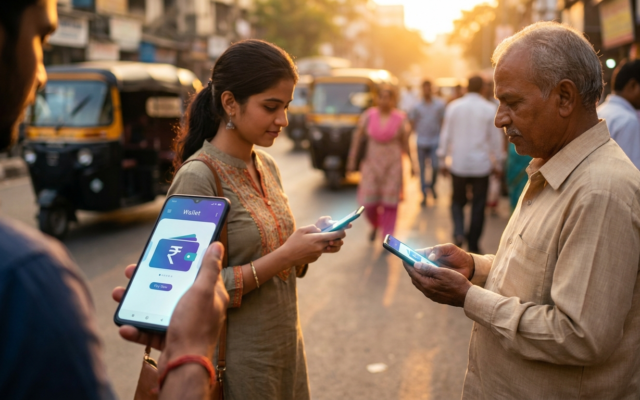
As the Digital Rupee rolls out, your engagement with it will likely mirror your current digital payment habits, with some key enhancements. For the Retail Digital Rupee (e₹-R), you’ll typically access it through specialized mobile applications or digital wallets, similar to how you currently use apps for UPI payments. The RBI is working with selected banks to integrate e₹ functionalities into their existing mobile banking platforms and also with third-party wallet providers. This means your familiar banking app might soon offer a direct e₹ wallet, or you might download a new, dedicated e₹ wallet app.
The process of acquiring e₹ will be straightforward. You’ll be able to convert your existing bank balance into e₹ through your chosen app. For instance, if you have ₹1000 in your bank account, you can convert it to 1000 units of e₹ and store it in your digital wallet. When you make a purchase, you can then transfer e₹ from your wallet to the merchant’s wallet. This transaction would be immediate and, ideally, free of charge. The interface is expected to be user-friendly, designed to be as intuitive as sending money via UPI, but with the added layer of security and direct RBI backing.
Seamless Transactions and Future Potential
The beauty of the e₹ lies in its potential for seamless integration into your daily life. Imagine buying your morning chai at a roadside stall in Mumbai or paying for your groceries in a bustling market in Chennai, all with just a few taps on your phone. The speed and simplicity are designed to make it as convenient, if not more so, than physical cash or current digital payment methods. The RBI has also been exploring features like programmability. This means e₹ could be programmed for specific uses, such as automatically disbursing a salary to an employee’s e₹ wallet on a particular date, or ensuring a scholarship payment is used only for educational expenses. This is a significant leap beyond current payment systems.
One surprising aspect for many will be the potential for offline transactions. While not yet universally available in the ongoing pilots, the intention is to allow e₹ transactions even when there’s no internet connectivity. This could be a game-changer for remote areas or during network disruptions, ensuring the Digital Rupee remains a reliable medium of exchange. This feature, if implemented effectively, would truly democratize digital payments across India, making it accessible to everyone, everywhere.
Investment vs. Utility: Where Does e₹ Fit?
It is crucial to reiterate that the Digital Rupee is primarily a medium of exchange and a store of value, not an investment asset in the traditional sense. You don’t “invest” in the Digital Rupee expecting it to appreciate in value like stocks or cryptocurrencies. Its value is fixed at 1:1 with the Indian Rupee. When you hold e₹, you are essentially holding digital cash, backed by the full faith and credit of the Indian government, just like physical currency. Therefore, the primary utility lies in its transactional capabilities and its role in modernizing India’s financial ecosystem.
However, in a broader sense, holding e₹ can be considered a form of “investment” in financial stability and accessibility. For individuals who might be hesitant to engage with more complex investment instruments or who want a secure, easily accessible digital form of their money, the e₹ offers a compelling proposition. It provides a safe harbor for funds that can be readily used for everyday needs. This is particularly relevant for those who are wary of the volatility of cryptocurrencies or the complexities of traditional banking. Its role is more about enhancing your financial utility and security rather than generating capital gains.
A Stable Digital Asset
Consider the contrast with volatile assets. While Bitcoin might see its value fluctuate by 10-20% in a single day, the e₹ will always be worth exactly one rupee. This stability makes it an ideal tool for everyday budgeting, saving for short-term goals, or simply holding funds securely. For businesses, it offers a predictable and efficient way to manage cash flow without the risks associated with holding large amounts of physical currency or the exposure to market fluctuations of other digital assets. The trust factor associated with a CBDC cannot be overstated.
“The Digital Rupee is not designed to replace physical cash overnight, but to complement it, offering a digital alternative that is secure, efficient, and inclusive. Its true value lies in its utility and the stability it brings to our evolving financial landscape.”
A surprising fact is that some experts believe the e₹ could eventually lead to lower inflation rates in the long run by enabling more efficient monetary policy transmission. While this is a long-term projection, it highlights the potential systemic impact of a well-implemented CBDC. For you, the immediate takeaway is that e₹ is about enhancing your financial life, not about speculative gains. It’s about having a stable, digital form of your money readily available at your fingertips.
Navigating the Future: Risks and Considerations
While the Digital Rupee offers numerous benefits, it’s essential for you to be aware of potential considerations and risks, though they are significantly different from those associated with cryptocurrencies. The primary risk for an individual holder is not loss of value, as e₹ is pegged to the rupee. Instead, the focus shifts to cybersecurity and operational aspects. Just as your physical wallet can be lost or stolen, your digital wallet containing e₹ needs to be secured. Phishing scams, malware, and unauthorized access to your devices are potential threats that require vigilance. The RBI and participating banks are implementing robust security measures, but user awareness and responsible digital hygiene are paramount.
Another consideration is the interoperability of the e₹ system. While the goal is seamless integration, early stages might see limitations in where and how e₹ can be used. Ensuring that your e₹ wallet can transact with a wide range of merchants and other payment systems will be key to its widespread adoption. You should also be aware of potential transaction limits or other operational guidelines that the RBI may introduce to manage the system effectively and prevent misuse. Understanding the terms and conditions of the e₹ wallet you choose will be important.
Understanding the Operational Landscape
The infrastructure supporting the Digital Rupee is still evolving. While pilot programs are underway, widespread availability and full functionality will take time. You might encounter situations where not all merchants are equipped to accept e₹, or where specific features are still under development. This gradual rollout is a deliberate strategy by the RBI to ensure stability and address any unforeseen challenges. Patience and adaptability will be key as the ecosystem matures. It’s also important to understand the regulatory framework. Unlike cryptocurrencies, the e₹ operates within a clear regulatory environment governed by the RBI, providing a level of assurance regarding its legitimacy and security.
A surprising fact for many is that the e₹ might not earn interest. Unlike money held in a savings account, CBDCs in most jurisdictions, including India’s current design, are not interest-bearing. This reinforces its role as a transactional currency rather than a savings vehicle. Therefore, while it’s a stable store of value, you won’t earn passive income on your e₹ holdings. This distinction is critical for managing your financial expectations and planning your savings strategies accordingly.
Frequently Asked Questions
What is the Digital Rupee (e₹)?
The Digital Rupee (e₹) is India’s official Central Bank Digital Currency (CBDC), issued and regulated by the Reserve Bank of India (RBI). It is the digital form of the Indian Rupee and has the same value and legal tender status as physical currency.
Is the Digital Rupee a cryptocurrency?
No, the Digital Rupee is not a cryptocurrency. It is a centralized digital currency issued by the central bank, unlike decentralized cryptocurrencies like Bitcoin, which are not backed by any government and are highly volatile.
How can I get Digital Rupees?
You can acquire Digital Rupees by converting your existing bank balance into e₹ through participating banks’ mobile apps or dedicated e₹ wallet applications. The RBI is gradually expanding the availability and accessibility of these platforms.
Will the Digital Rupee replace physical cash?
The RBI has stated that the Digital Rupee is intended to complement, not replace, physical cash. It aims to offer a digital alternative for transactions and enhance the efficiency of the payment system while cash continues to be available.
Is holding Digital Rupees safe?
Holding Digital Rupees is considered safe in terms of value, as it is backed by the RBI and pegged 1:1 with the Indian Rupee. However, as with any digital asset, users must practice good cybersecurity habits to protect their digital wallets from unauthorized access and fraud.