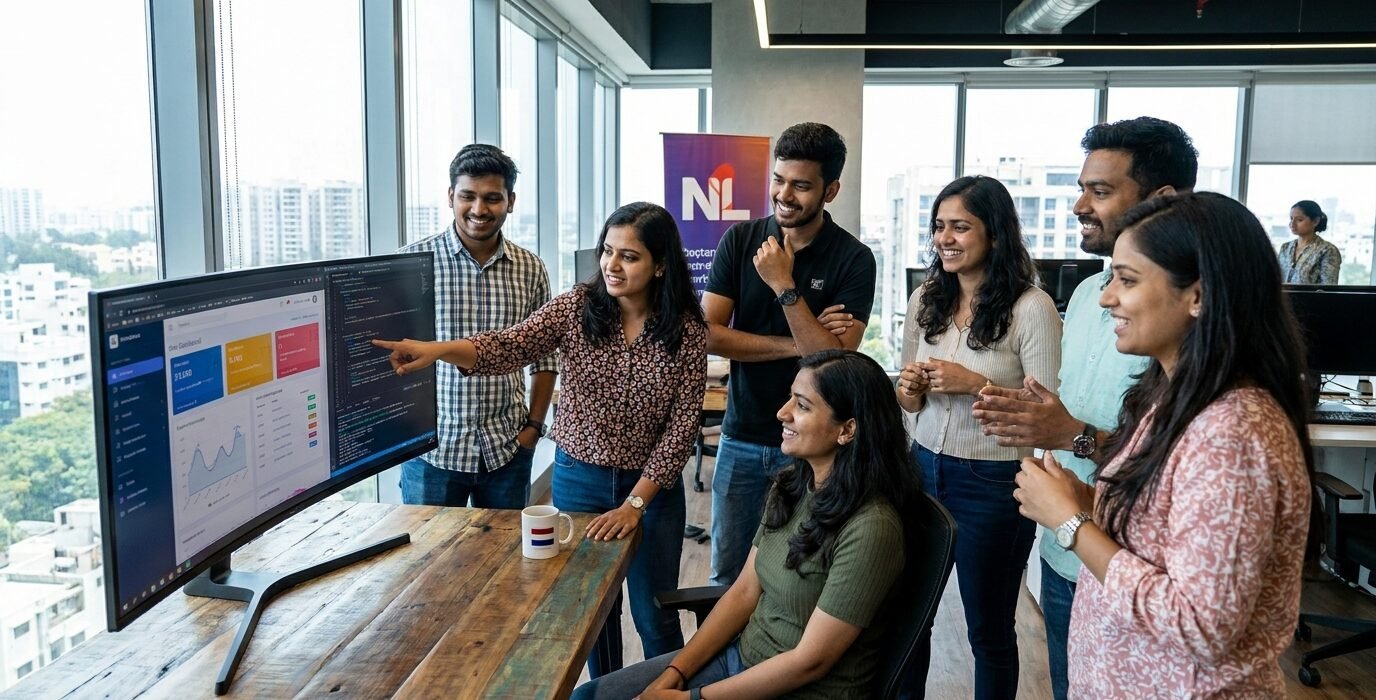
Amsterdam’s canals shimmered under a hesitant spring sun. A different kind of warmth, however, was brewing in the city’s bustling tech hubs. Dutch startups, once pioneers of European innovation, are increasingly looking east. Not for futuristic visions, but for the grounded expertise of India’s burgeoning tech workforce.
This isn’t just a ripple; it’s a significant shift. Companies like Amsterdam-based AI firm ‘CogniFlow’ and Rotterdam’s fintech innovator ‘PayWise’ are actively recruiting. They seek engineers, developers, and data scientists. Their target cities include Bengaluru and Hyderabad. The trend is clear. India is no longer just a market. It’s a crucial talent pipeline. It’s also an investment destination for Dutch ambition.
Key Takeaways:
Advertisement300×250 / native
- Dutch startups are actively seeking skilled tech professionals in India, driven by talent shortages and cost efficiencies.
- Indian professionals benefit from global opportunities, competitive salaries, and exposure to cutting-edge technologies.
- The trend fosters cross-cultural collaboration, innovation, and economic exchange between the Netherlands and India.
- Navigating cultural differences, time zones, and regulatory landscapes are key challenges in this growing partnership.
- This collaboration signifies a broader global trend of talent diversification and strategic resource allocation in the tech sector.
The Growing Urgency: Why Dutch Startups Are Looking East
The Netherlands, a nation renowned for its ingenuity and technological prowess, faces a quiet crisis. Demand for skilled tech talent far outstrips domestic supply. This is especially true in cutting-edge fields like artificial intelligence, cybersecurity, and advanced software development.
This isn’t a problem exclusive to Amsterdam or Eindhoven. It’s a Europe-wide challenge. Imagine a vibrant Dutch startup. It’s brimming with groundbreaking ideas. Yet, it struggles to find the specialized engineers needed to bring those ideas to life. This is the reality for many.
“We had a brilliant concept for a predictive analytics platform,” shares Anja van Dijk. She’s co-founder of a rapidly growing Utrecht-based SaaS company. “But finding senior Python developers with deep machine learning experience here? It felt like searching for a needle in a haystack.” The few they found were snapped up by larger corporations. They commanded astronomical salaries. “We were burning through our seed funding just trying to hire,” she adds. “Our development timeline was slipping.”
This is a common refrain. The Dutch educational system produces excellent talent. But the sheer pace of technological advancement is relentless. The volume of startups is also immense. This means the market is incredibly tight. Companies compete fiercely. This drives up wages to unsustainable levels for many early-stage ventures.
The talent crunch isn’t just about numbers. It’s about specialized skills. The niche expertise required for advanced AI algorithms or complex blockchain development is particularly scarce.
Furthermore, technology is inherently global. Dutch companies aren’t just competing with each other for talent. They compete with tech giants and startups worldwide. A talented developer in Amsterdam might have offers from Silicon Valley, Berlin, and Singapore. This intense competition makes it incredibly difficult for smaller, agile Dutch startups to attract and retain the best minds.
The cost of recruitment, onboarding, and retention can be a significant burden. For a startup with limited resources, every hire is a critical decision. The pressure to perform, iterate, and scale quickly is immense. When the primary bottleneck becomes the availability of the right people, it’s a critical strategic problem. It demands a bold solution.
This is precisely where India’s vast and increasingly sophisticated tech talent pool enters the picture. It offers a compelling alternative. The sheer scale of India’s engineering graduates is remarkable. Coupled with a growing number of experienced professionals, it presents an opportunity that is becoming too significant to ignore. The Netherlands has a rich history of innovation, from windmills to advanced water management systems, and now it’s looking to leverage global talent to maintain that edge.
Bridging the Gap: Success Stories from Bengaluru to Rotterdam
Consider the case of ‘InnovateNL’. This Delft-based firm develops sustainable energy solutions. A year ago, they were stuck. Their prototype for a smart grid management system was performing well. But scaling it required a dedicated team of software architects and backend developers.
“We tried everything locally,” explains CEO Mark Jansen. “We posted on every job board, attended every tech meetup. The response was lukewarm. The candidates we did find lacked the specific experience we needed for high-availability systems.” Frustrated, Jansen’s team began exploring international options. They decided to partner with a recruitment agency specializing in Indian tech talent.
“The difference was immediate,” Jansen recalls. “Within weeks, we had a shortlist of highly qualified candidates from Bengaluru. We conducted virtual interviews. The technical skills were impressive.” They hired five senior developers and two quality assurance engineers. These individuals integrated seamlessly into their remote team. Their project velocity increased by nearly 40%.
This isn’t an isolated incident. ‘PayWise’, a fintech startup based in Rotterdam, faced a similar challenge. Their payment gateway development was stalled. “We needed blockchain expertise, which is incredibly niche,” says CTO Priya Sharma. “We found an entire team of experienced blockchain developers in Hyderabad through a referral.” They understood the architecture, contributed to the roadmap, and were incredibly proactive. The time zone difference was manageable with clear communication protocols.
These success stories highlight a crucial aspect: the quality of Indian tech talent is often exceptional. India has a massive pool of STEM graduates. Many of these professionals have experience working on global projects for multinational corporations. They are often well-versed in the latest technologies and agile methodologies.
For Dutch startups, this translates into access to a global talent pool. It offers specialized skills, a strong work ethic, and often, a more competitive cost structure than their European counterparts. The narrative is shifting. It’s moving from simply outsourcing tasks to strategically integrating skilled professionals into core development teams. These individuals are not just coders. They are problem-solvers, innovators, and critical contributors to the growth of Dutch enterprises. The ability to tap into this diverse and skilled talent base is becoming a significant competitive advantage for these forward-thinking Dutch companies. The Netherlands’ commitment to innovation, exemplified by its strong research institutions and government support for R&D, finds a powerful ally in India’s dynamic tech workforce.
The Indian Advantage: Talent, Cost, and a Growing Ecosystem
India’s appeal to Dutch startups isn’t a one-sided affair. It’s a mutually beneficial relationship built on several key pillars. Firstly, the sheer volume of skilled tech professionals is staggering. India produces millions of engineering graduates annually. Many come from prestigious institutions like the Indian Institutes of Technology (IITs) and the National Institutes of Technology (NITs). This creates a robust pipeline of talent across various specializations. AI, data science, cloud computing, and cybersecurity are just a few.
Beyond the numbers, there’s the undeniable cost advantage. Salaries for highly skilled tech professionals in the Netherlands can be substantial. The same caliber of talent in India often comes at a more accessible price point. This is particularly crucial for startups operating on tight budgets.
“For the salary of one senior developer in Amsterdam, we can hire two equally qualified developers in India,” states a founder of a rapidly scaling SaaS company based in The Hague. This allows Dutch startups to stretch their investment further. They can accelerate hiring and build larger, more capable teams. This financial leverage can be the difference between scaling rapidly and struggling to gain traction.
But it’s not just about cost. The Indian tech ecosystem itself is a significant draw. Cities like Bengaluru, Hyderabad, and Pune are global hubs for innovation. They are brimming with tech parks, incubators, and a culture that fosters entrepreneurship and technical excellence. Indian professionals often bring a global perspective. They have worked on projects for companies worldwide. They are accustomed to working in diverse, multicultural environments. They are adept at adopting new technologies and methodologies. This inherent adaptability is invaluable for fast-paced startup environments.
Moreover, the Indian government’s focus on digital transformation and technological advancement is strong. Coupled with significant venture capital investment, this has created a fertile ground for tech talent development. This environment nurtures a workforce that is not only technically proficient but also innovative and driven. The sheer energy of these Indian tech hubs, palpable even through video calls, inspires confidence. The Netherlands, with its strong infrastructure and commitment to digital innovation, finds a synergistic partner in India’s rapidly evolving tech landscape.
Navigating the Nuances: Challenges and Solutions
While the benefits are clear, the path to successful cross-border collaboration isn’t without its hurdles. One of the most significant challenges is bridging the cultural and communication gap. Subtle differences in communication styles, work ethics, and even humor can lead to misunderstandings. These must be addressed proactively. For instance, a direct “no” might be considered impolite in Indian business culture. Indirect phrasing is more common. Similarly, the concept of punctuality, while highly valued in the Netherlands, can sometimes be perceived differently.
“We learned early on that we needed to be very explicit in our communication,” admits Sophie Dubois. She’s HR manager for a rapidly growing cybersecurity firm in Amsterdam. “We invested in cross-cultural training for both our Dutch managers and our Indian team members. We established clear communication protocols. We encouraged the use of visual aids. We scheduled regular, informal check-ins to build rapport.”
Another significant factor is the time zone difference. A 4.5-hour difference between the Netherlands and India might seem manageable. But coordinating real-time meetings and collaborative sessions requires careful planning. Many Dutch companies have adapted. They have their Indian teams work slightly different hours. Or they ensure asynchronous communication tools are robust.
“We ensure all critical decisions and updates are documented thoroughly,” explains a project lead from a Dutch AI startup. “So anyone can catch up regardless of when they’re online.” They also rotate meeting times where possible. This ensures the burden of early or late calls isn’t always on the same group.
Legal and regulatory frameworks can also present complexities. Understanding employment laws, tax regulations, and data privacy requirements in both countries is crucial for compliance. Many Dutch companies opt to work with established Indian recruitment partners or Professional Employer Organizations (PEOs). These partners can handle payroll, HR compliance, and local employment laws. This frees up the Dutch startup to focus on its core business.
Despite these challenges, the proactive adoption of tailored solutions is key. A commitment to understanding and respecting cultural differences is paving the way for increasingly seamless and productive collaborations. The Dutch, known for their directness and efficiency, are learning to adapt. They are fostering a more inclusive and understanding approach to global teamwork.
The Investment Angle: India as a Growth Market and Funding Hub
The narrative around India’s engagement with Dutch startups extends beyond just talent acquisition. It increasingly involves investment. As Dutch companies gain confidence in India’s talent capabilities, they are also beginning to see India as a lucrative market. They view it as a place for their products and services. This dual approach offers a powerful growth strategy.
For example, a Dutch company specializing in smart agricultural technology, like ‘AgriSense’ from Wageningen, might not only hire Indian software engineers to enhance its platform. It might also view India’s vast agricultural sector as a primary market for deployment.
“We realized early on that our technology, designed for optimizing crop yields in European climates, could have an even greater impact in India,” shares Dr. Lena Hoffmann, AgriSense’s Lead Agronomist. “Given its immense agricultural output and the challenges faced by its farmers.” “By building our development team in India,” she continues, “we gain local insights into the specific needs and challenges of Indian agriculture. This helps us tailor our solutions more effectively.” “We’re not just selling a product,” she emphasizes, “we’re building a localized solution with local expertise.” This localized approach significantly de-risks market entry. It increases the probability of product-market fit.
Furthermore, as Indian startups mature and attract significant venture capital, Dutch companies are exploring investment opportunities. This can take several forms: direct investment in promising Indian startups, strategic partnerships that leverage complementary technologies, or even joint ventures to develop new products for both markets. The Indian venture capital landscape is booming. Record levels of funding are flowing into the country’s tech sector. This presents an attractive proposition for Dutch investors looking for high-growth opportunities. The cross-pollination of ideas and capital between the Netherlands and India is creating a dynamic ecosystem. Innovation can thrive here. This isn’t just about outsourcing. It’s about building a global presence. It’s about leveraging diverse markets and talent pools for mutual growth. It’s a testament to the interconnectedness of the modern global economy. The Netherlands’ strong export-oriented economy finds new avenues for growth through these Indian partnerships.
The Future of Collaboration: A Global Talent Exchange
The trend of Dutch startups tapping into India’s tech talent and investment landscape is more than just a temporary workaround for talent shortages. It represents a fundamental shift in how global businesses operate. This is a proactive embrace of globalization. It recognizes that talent and innovation know no borders. We are witnessing the emergence of a truly global talent exchange. Geographical proximity is becoming less of a barrier. Access to specialized skills is paramount.
For Indian professionals, this offers unparalleled opportunities for career growth. They gain exposure to cutting-edge technologies. They receive competitive compensation packages. They are no longer confined to their local job markets. They can contribute to groundbreaking projects for leading European companies from their homes. This also fosters a sense of global citizenship and professional development that is invaluable.
For Dutch startups, it’s about agility, scalability, and innovation. By leveraging India’s talent pool and growing investment ecosystem, they can accelerate their development cycles. They can reduce costs. They can gain a competitive edge in the global market. This strategic approach allows them to punch above their weight. They can compete with larger, more established players.
The ongoing digital transformation across all sectors means that the demand for skilled tech professionals will only continue to rise. Countries that can successfully foster cross-border collaboration and talent mobility will be best positioned for future success. The Netherlands and India, with their distinct strengths, are proving to be a powerful combination. This partnership is not just about economic transactions. It’s about building bridges. It’s about fostering understanding. It’s about creating a shared future of innovation. It’s a powerful reminder that in the modern world, collaboration and shared expertise are the true currencies of progress. This evolving relationship promises to shape the future of both the Dutch and Indian tech landscapes in profound ways. The Netherlands’ historical role as a trading nation, now applied to intellectual capital, signifies a bold new chapter.