Key Takeaways
- India is witnessing a surge in edible packaging solutions, driven by environmental concerns and a burgeoning food industry.
- These innovations range from seaweed-based films to dessert-like coatings, offering functional and eco-friendly alternatives to single-use plastics.
- From street food vendors in Mumbai to gourmet restaurants in Delhi, edible packaging is finding diverse applications across the Indian food landscape.
- Adoption presents challenges, including scalability, cost-effectiveness, and consumer acceptance, but the long-term benefits for India’s sustainability goals are significant.
The Unseen Revolution: Beyond Plastic in Indian Kitchens
The familiar rustle of plastic wrappers, a constant companion to our daily meals, is slowly, but surely, giving way to a quieter, greener revolution. Across India, a wave of innovation is transforming how we package and consume food, tackling the monumental challenge of plastic pollution head-on. This isn’t science fiction; it’s happening now, in bustling kitchens and cutting-edge labs, as entrepreneurs and established businesses alike embrace edible packaging. Imagine your favourite street food served on a wrapper you can actually eat, or your morning chai sealed with a biodegradable, flavour-infused film. This is the reality that edible packaging promises, offering a delicious solution to an pressing environmental crisis.
For decades, India has grappled with the pervasive issue of plastic waste, much of which ends up in landfills, oceans, and our food chains. The Prime Minister’s clarion call for a ban on single-use plastics in 2026 has only amplified the urgency. But beyond government mandates, a powerful groundswell of consumer demand for sustainable options is driving change. Food businesses, from small-scale caterers to large food manufacturers, are actively seeking alternatives that align with these evolving values. Edible packaging is emerging not just as a novelty, but as a practical, viable, and increasingly attractive substitute for conventional, polluting materials. We are at a pivotal moment, where taste, tradition, and technology are converging to redefine the future of food packaging in India.
From Seaweed to Sugar: A Spectrum of Edible Innovations
The world of edible packaging is far more diverse and fascinating than you might imagine. Forget flimsy, tasteless films; these innovations are engineered for both functionality and flavour, often adding a delightful twist to the dining experience. One of the most promising materials gaining traction is derived from seaweed, specifically alginate. Companies are developing flexible, transparent films and sachets from this marine wonder. These can effectively wrap everything from dry goods like spices and grains to even moist items, providing a robust barrier against oxygen and moisture.
Another exciting avenue is the development of protein-based films, often sourced from milk whey or plant proteins. These can be formulated to be flavourless or even infused with subtle notes that complement the food they enclose. Imagine a delicate paneer tikka wrapped in a protein film that enhances its creamy texture. Beyond films, we are also seeing the rise of edible coatings and containers. For instance, some innovators are creating cups and bowls from edible starches, which can be baked or moulded into shape. These are perfect for serving desserts like kulfi or even savoury snacks like chaat, where the container itself becomes part of the culinary experience.
A particularly intriguing development involves creating edible sachets for liquids like sauces or beverages. These are often made from a combination of plant-based polymers and natural gums, designed to be dissolved or consumed along with the contents. This technology holds immense potential for condiments, dressings, and even single-serving drink mixes, eliminating the need for tiny plastic sachets that are notoriously difficult to recycle. The sheer ingenuity behind these materials, transforming everyday food ingredients into sophisticated packaging solutions, is truly remarkable.
Street Food Dreams: Edible Packaging Hits the Streets of India
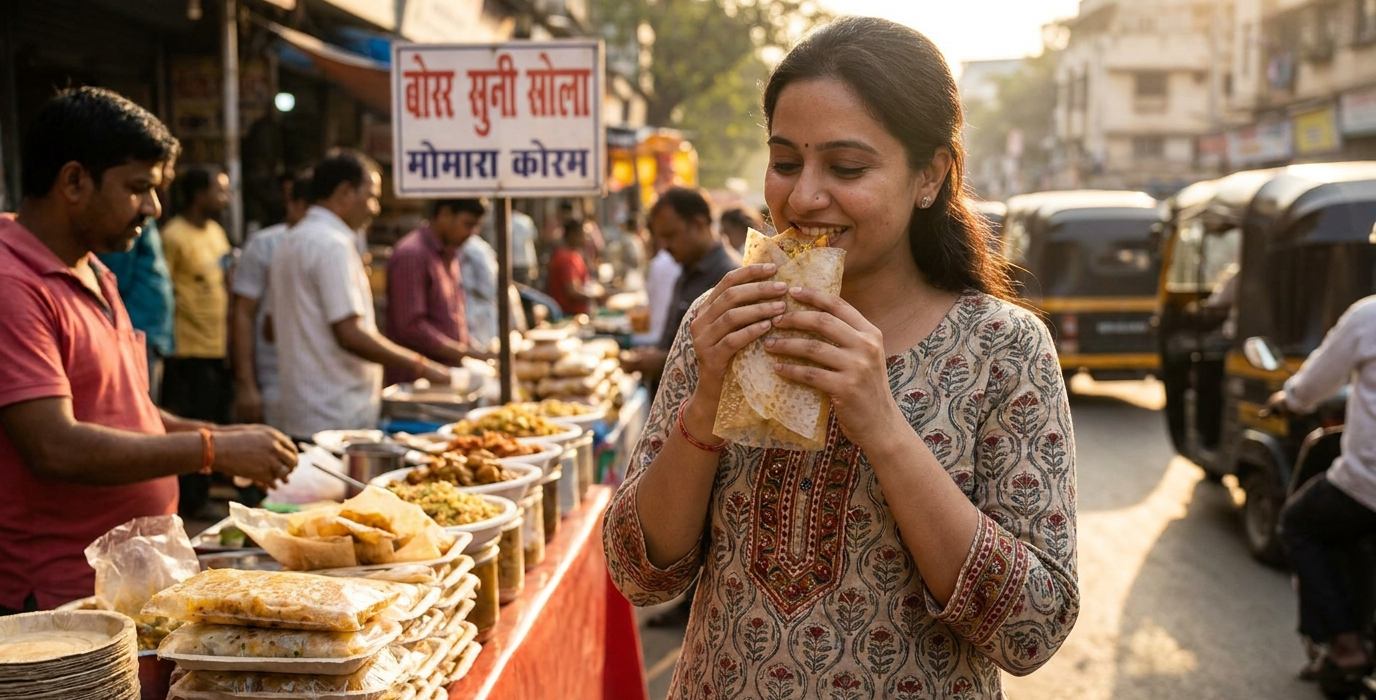
The heart of India’s culinary landscape beats on its streets. From the bustling lanes of Chandni Chowk in Delhi to the vibrant markets of Juhu in Mumbai, street food is an integral part of our culture. For too long, this experience has been synonymous with disposable plastic and paper, contributing significantly to waste. Edible packaging offers a revolutionary solution, allowing us to savour our favourite street snacks without the guilt of plastic pollution.
Consider the humble golgappa, or pani puri. Traditionally served in disposable paper cups or plastic bowls, it now has the potential to be served in an edible, perhaps even flavour-infused, bowl. Imagine a katori made from roasted wheat or lentil flour, sturdy enough to hold the spicy pani and the crispy puri, which you can then consume along with your snack. This eliminates the need for any disposable item whatsoever. Similarly, vendors selling jalebis or samosas could transition from flimsy paper bags to edible wrappers or trays.
One of the most surprising applications we’ve encountered is in the realm of beverages. Companies are experimenting with edible straws and cups made from compressed grains or even hardened sugar. This means your refreshing sugarcane juice or sweet lassi could be served with a straw you can chew on afterwards, or in a cup that dissolves harmlessly, or is a treat in itself. This not only addresses the plastic straw ban but offers a more enjoyable and sustainable consumption experience. The adoption by street food vendors, often operating on thin margins, is crucial for widespread impact. Early pilot programs in cities like Kolkata have shown promising results, with vendors reporting positive customer feedback and a reduced burden of waste disposal.
From Banquets to Takeaways: Edible Packaging in the Formal Food Sector
The impact of edible packaging extends far beyond the vibrant world of street food. In the more formal sector, including restaurants, catering services, and packaged food manufacturers, the adoption of these sustainable alternatives is gaining serious momentum. For hotels and caterers, especially those serving large events and banquets, the reduction in single-use plastic cutlery, containers, and garnish wrappers can be substantial. Imagine weddings in Rajasthan or corporate events in Bengaluru where dessert courses are served with edible spoons or where small appetisers are presented on biodegradable, edible discs.
Gourmet restaurants are particularly well-placed to embrace edible packaging, integrating it into their culinary presentation. Edible films can be used to wrap delicate amuse-bouches, adding a subtle flavour or texture. Seed-based or grain-based containers can serve as artistic vessels for small, exquisite dishes, enhancing the overall dining experience. This also aligns with the growing consumer demand for transparency and sustainability from premium brands. Patrons are increasingly conscious of their environmental footprint, and a restaurant that champions edible packaging sends a powerful message.
For packaged food manufacturers, the challenge lies in scalability and maintaining product integrity during transit and storage. However, innovative companies are developing edible coatings that can extend the shelf life of fruits and vegetables, reducing spoilage and the need for plastic wraps. Think of apples from Himachal Pradesh or pomegranates from Maharashtra, coated with an invisible, edible film derived from plant waxes or chitosan, which slows down ripening and prevents moisture loss. This not only reduces plastic waste but also contributes to food security by minimising post-harvest losses. The investment in research and development for shelf-stable edible packaging solutions is crucial for unlocking their full potential in this sector.
| Packaging Type | Primary Material | Typical Applications | Pros | Cons |
|---|---|---|---|---|
| Alginate Films/Sachets | Seaweed (Algae) | Wrapping dry goods, sauces, spices | Biodegradable, compostable, good barrier properties | Can be sensitive to moisture, potential for slight marine taste |
| Protein-Based Films | Whey, Soy, Casein | Wrapping cheeses, meats, baked goods | Biodegradable, can be flavourless or infused, good transparency | Can be susceptible to humidity, potential allergen concerns (dairy) |
| Starch-Based Containers | Corn, Potato, Rice Starch | Cups, bowls, trays for snacks and desserts | Biodegradable, compostable, can be moulded into shapes | Limited shelf life, can become soggy if not formulated correctly |
| Edible Coatings | Plant Waxes, Chitosan, Alginate | Fruits, vegetables, confectionery | Reduces spoilage, extends shelf life, invisible | Application complexity, may alter surface texture slightly |
Navigating the Hurdles: Cost, Consumer Acceptance, and Scalability
While the promise of edible packaging is immense, its widespread adoption in India is not without its challenges. One of the primary hurdles is cost-effectiveness. Currently, many edible packaging solutions are more expensive than their conventional plastic counterparts. This is due to the specialised raw materials, complex manufacturing processes, and the research and development involved. For small businesses and street food vendors, who operate on very tight profit margins, the higher initial cost can be a significant barrier.
Consumer acceptance is another crucial factor. While many Indians are environmentally conscious, there might be an initial hesitation or even apprehension about consuming packaging. Questions about taste, texture, hygiene, and potential allergens need to be addressed effectively. Education and positive experiences will be key to overcoming these reservations. For instance, a well-marketed jalebi served in a delicious, edible wafer cone is more likely to be embraced than a bland, crumbly wrapper.
Furthermore, scalability of production is essential to meet the demands of a market as vast as India. The infrastructure for manufacturing edible packaging materials on a large scale is still developing. This includes sourcing raw materials sustainably, ensuring consistent quality, and establishing efficient production lines. Supply chain logistics also need to adapt. Imagine the challenges of transporting delicate edible containers from a manufacturing hub to a remote village market. The government and private sector collaboration will be vital to invest in the necessary R&D, manufacturing facilities, and awareness campaigns to propel edible packaging into the mainstream.
“Edible packaging isn’t just about replacing plastic; it’s about reimagining our relationship with food and waste. It’s a delicious paradigm shift that can truly benefit India.”
The Future is Edible: A Greener Plate for India
As we look towards the horizon of 2027 and beyond, the trajectory of edible packaging in India points towards significant growth and integration. The confluence of technological advancements, growing environmental awareness, and supportive policy frameworks is creating a fertile ground for these innovative solutions. We are moving beyond the initial novelty phase and entering a period of practical application and wider adoption across diverse sectors of the Indian economy.
The environmental imperative is undeniable. With India facing mounting challenges from plastic pollution, edible packaging offers a tangible pathway towards a circular economy. It not only eliminates waste but can also create value from by-products and agricultural residues. For instance, the development of edible films from agricultural waste like rice bran or sugarcane bagasse is a promising area of research that could further reduce costs and environmental impact.
Moreover, the potential for job creation in the manufacturing, research, and distribution of edible packaging is substantial. This burgeoning industry can contribute to India’s economic growth while simultaneously addressing its environmental goals. Imagine a future where every takeaway meal, every snack, and every beverage comes with a packaging solution that is not only safe and functional but also an enjoyable part of the experience. This is the vision that edible packaging offers, a future where our plates are not just full of delicious food, but also free from the burden of plastic waste. India is poised to lead this edible revolution, setting a global example for sustainable consumption.
Frequently Asked Questions
What are the main benefits of edible packaging for India?
The primary benefits include a significant reduction in plastic waste, contributing to cleaner environments and healthier ecosystems. It also offers a unique opportunity to integrate sustainability into India’s rich culinary traditions and creates potential for new economic opportunities in the green tech sector.
Are edible packaging materials safe to consume?
Yes, reputable edible packaging is made from food-grade ingredients such as starches, proteins, seaweed extracts, and natural gums. They are designed to be safe for consumption, and many are even formulated to add a subtle flavour or texture to the food.
How does edible packaging compare in cost to traditional plastic packaging?
Currently, edible packaging can be more expensive than traditional plastic packaging due to specialised materials and manufacturing processes. However, as production scales up and technology advances, costs are expected to decrease, making it more competitive.
Will edible packaging be able to handle hot and cold foods effectively?
Yes, many edible packaging solutions are being engineered with specific barrier properties to handle both hot and cold foods. For instance, certain alginate or starch-based containers can withstand high temperatures for hot foods, while others are designed to maintain their integrity in cold conditions without becoming soggy.