Key Takeaways
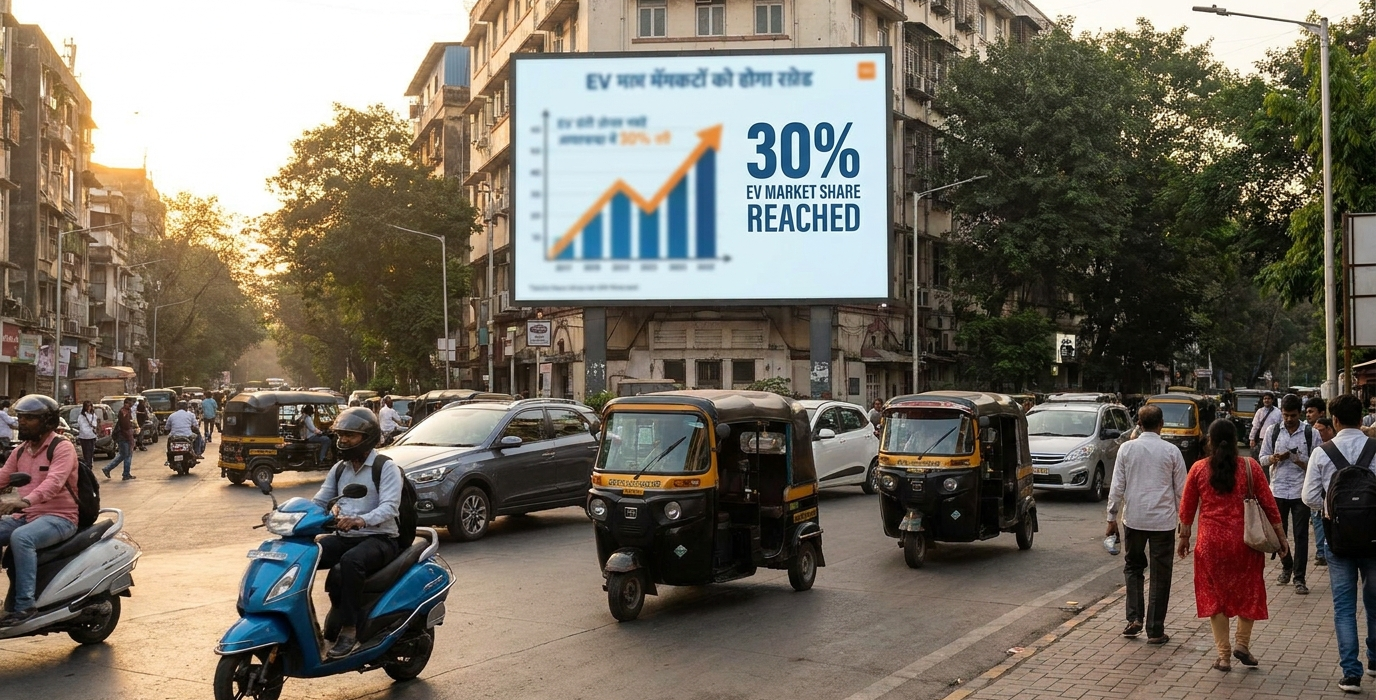
- India’s electric vehicle market is projected to hit an unprecedented 30% market share by the end of 2026, driven by strong government support, falling battery costs, and a surge in consumer adoption.
- Two-wheelers continue to dominate EV sales, but four-wheeler adoption is accelerating rapidly, with new models and charging infrastructure expanding beyond major metros.
- Challenges remain, including range anxiety for some segments, the need for faster charging solutions, and ensuring grid stability as EV penetration increases.
- Government incentives, like FAME subsidies and production-linked schemes, are crucial enablers, but the industry must also focus on domestic manufacturing and battery recycling to ensure long-term sustainability.
The Electric Tide: India Surges Ahead in EV Adoption
The hum of electric motors is rapidly replacing the roar of internal combustion engines across India. By the close of 2026, we’re witnessing a seismic shift: electric vehicles (EVs) are poised to capture a remarkable 30% of the overall Indian automotive market. This isn’t a distant dream; it’s a tangible reality unfolding before our eyes, fueled by a potent mix of policy, innovation, and a growing environmental consciousness among consumers. The sheer pace of this transition is staggering, placing India firmly on the global EV map.
This surge is particularly impressive when you consider the nascent stage of the EV market just a few years ago. Government initiatives have been instrumental, providing a much-needed push through subsidies, tax benefits, and ambitious targets for EV manufacturing and adoption. Coupled with falling battery prices – a critical component of EV cost – and an expanding range of attractive models, consumers are finding electric mobility increasingly viable and desirable. From bustling metropolises like Delhi and Bengaluru to smaller towns, the sight of charging stations and silent EVs is becoming commonplace.
The impact of this transition extends far beyond just cleaner air. It represents a significant economic opportunity, fostering new industries, creating jobs, and reducing India’s reliance on imported fossil fuels. As we delve deeper, we’ll explore the key drivers behind this electrifying growth, the segments leading the charge, and the challenges that still need to be overcome to ensure this electric revolution is both sustainable and inclusive for all Indians.
Two-Wheelers Lead the Charge, But Four-Wheelers Are Gaining Ground
For years, the electric two-wheeler segment has been the undisputed champion of India’s EV revolution. Think of the ubiquitous electric scooters zipping through the streets of Mumbai, delivering groceries or ferrying daily commuters. This dominance is driven by affordability, lower running costs, and the practical needs of a vast population. The upfront cost of an electric scooter is now often comparable to its petrol-powered counterpart, making the switch an easy economic decision for many. Furthermore, the convenience of home charging for short commutes makes range anxiety less of a concern for this segment.
However, the landscape is rapidly evolving, and the four-wheeler EV segment is witnessing an unprecedented acceleration. Once limited to a few premium models, the market is now brimming with options across various price points. Manufacturers are launching feature-rich electric cars that appeal to a broader demographic, from young urban professionals to families. Cities like Pune and Hyderabad are seeing a noticeable increase in electric car sales, with dedicated charging infrastructure slowly but surely expanding beyond the prime metro areas. This expansion is crucial for building consumer confidence and encouraging longer journeys.
The government’s push for electrification, coupled with private sector investment in battery technology and manufacturing, is directly contributing to this growth. As battery costs continue to decline and charging speeds improve, the appeal of electric cars will only strengthen. We’re also seeing an uptick in electric commercial vehicles, such as delivery vans and buses, which contribute significantly to urban pollution and offer substantial savings in operating costs for fleet operators. This multi-pronged approach is essential for a comprehensive electrification of India’s transport sector.
Government Incentives: The Crucial Enablers of EV Growth
The Indian government’s commitment to fostering an electric vehicle ecosystem has been nothing short of pivotal. Schemes like Faster Adoption and Manufacturing of Hybrid and Electric Vehicles (FAME) have been instrumental in subsidizing the upfront cost of EVs, making them more accessible to a wider consumer base. These subsidies directly reduce the price difference between EVs and their traditional counterparts, significantly influencing purchasing decisions. The FAME II scheme, in particular, has provided crucial support for both two-wheeler and four-wheeler segments, incentivizing both buyers and manufacturers.
Beyond direct subsidies, the Production Linked Incentive (PLI) schemes for the automotive sector and advanced chemistry cell (ACC) battery manufacturing are designed to bolster domestic production and reduce reliance on imports. This focus on indigenous manufacturing is critical for long-term sustainability and job creation within India. By encouraging local production of EVs and their components, the government aims to build a robust and self-sufficient EV industry, thereby securing its position in the global supply chain. This strategic approach is not just about promoting EVs; it’s about building a new industrial base.
Furthermore, state governments are also playing a vital role with their own EV policies. Many states offer additional incentives, such as road tax exemptions, registration fee waivers, and subsidies for setting up charging infrastructure. For instance, Delhi’s ambitious EV policy offers significant benefits to buyers, including subsidies on vehicle purchases and for charging station installation. These multi-layered incentives create a powerful economic argument for adopting electric mobility, accelerating the transition from fossil fuels to clean energy for transportation across the country. We are seeing a coordinated effort, from the national to the local level, to make EVs the norm.
Bridging the Gap: Charging Infrastructure and Range Anxiety
One of the most significant hurdles for widespread EV adoption has historically been the perceived “range anxiety” – the fear that an electric vehicle will run out of charge before reaching its destination. While battery technology has advanced dramatically, leading to longer ranges on a single charge, the availability and accessibility of charging infrastructure remain critical. Fortunately, India is making substantial strides in this area. Charging stations are no longer confined to a few high-end dealerships in major cities; they are gradually appearing in residential complexes, commercial hubs, public parking lots, and even along national highways.
The government and private sector are investing heavily in expanding the charging network. Public charging stations are becoming more prevalent, and manufacturers are also setting up their own charging plazas, particularly for their car owners. For two-wheelers, the ease of home charging remains a major advantage. However, for longer journeys and in areas with less developed infrastructure, the availability of fast-charging stations is paramount. These stations can significantly reduce charging times, making EV ownership more convenient for those who travel longer distances or need a quick top-up.
We are also seeing innovative solutions emerging. Battery swapping technology, particularly for electric scooters and three-wheelers, offers an alternative to traditional charging. Instead of waiting for a vehicle to charge, users can simply swap out a depleted battery for a fully charged one in a matter of minutes. Companies like Sun Mobility are at the forefront of this movement, partnering with fleet operators and manufacturers to create a network of swappable battery stations. This approach addresses range anxiety head-on by ensuring near-continuous operation for commercial use, and it’s a model that could see significant growth in the coming years.
The Economic Imperative: Cost of Ownership and Sustainability
Beyond the environmental benefits, the economic case for electric vehicles is becoming increasingly compelling for Indian consumers. While the initial purchase price of an EV can sometimes be higher than a comparable petrol or diesel vehicle, the total cost of ownership over its lifespan often proves to be significantly lower. This is primarily due to two factors: lower fuel costs and reduced maintenance expenses. Electricity is generally cheaper per kilometer than petrol or diesel, and this gap is expected to widen as fuel prices remain volatile.
Furthermore, EVs have fewer moving parts than internal combustion engine vehicles. There are no oil changes, no exhaust systems to maintain, and fewer components prone to wear and tear. This translates to substantial savings on routine servicing and repairs. For a country where vehicle maintenance can be a significant recurring expense, these savings are a powerful incentive for potential EV buyers. The growing awareness of these long-term financial benefits is a key driver of adoption, especially among cost-conscious consumers and fleet operators.
However, the long-term sustainability of the EV ecosystem also hinges on addressing the end-of-life management of batteries. As millions of EVs hit the roads, responsible battery recycling and disposal will become a major focus. The government and industry players are actively exploring solutions, including establishing battery recycling facilities and developing second-life applications for used EV batteries, such as in energy storage systems. This proactive approach to battery lifecycle management is crucial for ensuring that India’s electric mobility transition is truly sustainable and minimizes its environmental footprint. We are entering an era where circular economy principles are paramount.
Future Outlook: Innovation, Challenges, and the Road Ahead
The trajectory of electric vehicle adoption in India is undeniably upward, but the journey ahead is not without its complexities. By the end of 2026, the 30% market share will be a testament to the progress made, yet the next phase will demand continued innovation and strategic planning. We can expect to see a significant diversification in EV models, with manufacturers increasingly focusing on electric SUVs, compact cars, and specialized utility vehicles tailored to the Indian market’s unique demands. The race to develop more efficient and cost-effective battery technologies, including solid-state batteries, will intensify, promising longer ranges and faster charging times.
A key challenge will be ensuring that the electricity grid can reliably support the increasing demand from EV charging. Smart charging solutions, vehicle-to-grid (V2G) technology, and the integration of renewable energy sources into the charging infrastructure will be crucial to mitigate any potential strain on the grid. Furthermore, standardizing charging connectors and payment systems across different networks will enhance user convenience and accelerate adoption. The development of a robust domestic supply chain for critical EV components, including semiconductors and advanced battery materials, will also be a priority to ensure India’s self-reliance and competitiveness.
“The shift to electric mobility in India is not merely a technological upgrade; it’s a societal transformation that promises cleaner air, energy independence, and significant economic opportunities. The next few years will be critical in solidifying this foundation and ensuring that the benefits of this revolution are felt across the nation.”
The government’s role will continue to be significant, not just through incentives but also through regulatory frameworks that encourage innovation, ensure safety standards, and promote fair competition. As India navigates this exciting era of electrification, the collaboration between government, industry, and consumers will be the bedrock of its success. The goal is not just to electrify vehicles but to electrify India’s future, making it cleaner, greener, and more prosperous for generations to come. The rapid pace of innovation means we can expect even more surprising advancements in the years immediately following 2026.
Frequently Asked Questions
Will electric cars become cheaper than petrol cars in India soon?
Yes, while the upfront cost can still be higher for some EV models, the total cost of ownership, considering lower running costs and maintenance, is often already competitive. Experts predict that parity in upfront costs will be reached for many segments within the next 2-3 years, especially as battery prices continue to fall and production scales up.
Is the charging infrastructure sufficient for long-distance travel in India?
The infrastructure is rapidly improving, especially along major national highways connecting large cities. However, for remote or less-traveled routes, coverage can still be sparse. Companies are actively expanding charging networks, and the convenience of charging at destinations like hotels and resorts is also growing, making longer journeys increasingly feasible.
What are the main challenges for EV adoption in India beyond charging?
Key challenges include ensuring grid stability to handle increased electricity demand, developing a robust domestic supply chain for battery components, and managing the end-of-life of batteries responsibly through recycling. Consumer education about EV ownership and maintenance also remains important.
Are there any government schemes still available to help me buy an EV?
Yes, the central government’s FAME II scheme continues to offer subsidies, and many state governments have their own additional incentives, such as road tax waivers and registration fee exemptions. It’s advisable to check the latest policies from both the central and your respective state government for the most up-to-date information on available subsidies when considering a purchase.