Key Takeaways
- India’s cricket landscape is buzzing with fresh talent, with young players making significant impacts in domestic and international arenas in 2026.
- Batters like Yashasvi Jaiswal and Shubman Gill are setting new benchmarks, showcasing consistency and aggressive play.
- The emergence of dynamic all-rounders and sharp young pacers is bolstering the Indian squad’s depth and versatility.
- Players are leveraging advanced analytics and fitness regimes to adapt to modern cricket’s demands.
The New Guard: A Generational Shift in Indian Cricket
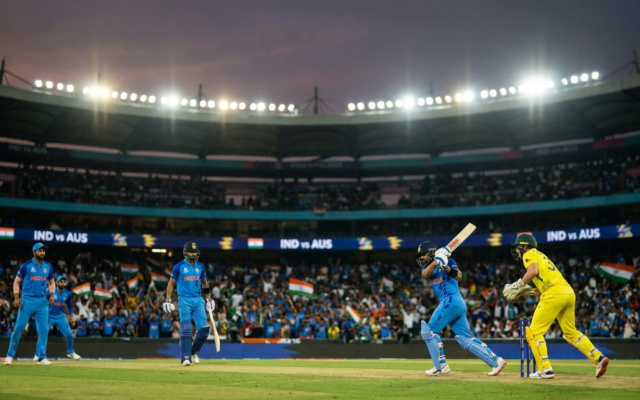
The year 2026 marks a pivotal moment for Indian cricket, as a wave of young, prodigious talent continues to redefine the sport’s boundaries. We’re witnessing not just individual brilliance, but a collective shift in approach, strategy, and sheer hunger. These rising stars are stepping out of the shadows of established legends, not to replace them, but to forge their own indelible legacies. Their fearless attitude and modern techniques are captivating audiences across the nation, from the roaring stands of the Wankhede Stadium to quiet evenings spent watching on mobile screens in rural Bihar.
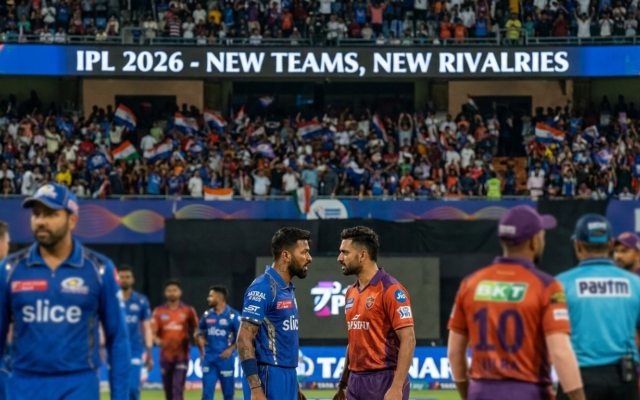
This isn’t just about a few standout performers; it’s a systemic evolution. The robust Indian Premier League (IPL) ecosystem, coupled with a more structured domestic circuit, has created fertile ground for these youngsters to blossom. They are benefiting from exposure, high-level coaching, and the invaluable experience of playing alongside and against the world’s best. Their confidence is palpable, translating into audacious shots, brilliant catches, and game-changing spells that are making every match a must-watch event.
We’ve seen players who don’t just aim to participate, but to dominate. Their game awareness is sharp, their adaptability remarkable. Whether it’s a Test match grind or the frenetic pace of a T20 encounter, they possess the skills and the mental fortitude to excel. This new generation is embracing the pressure, turning it into performance fuel, and demonstrating that the future of Indian cricket is not just bright, but incandescent.
Batting Brilliance: Jaiswal and Gill Lead the Charge
When you talk about the vanguard of this new era, the names Yashasvi Jaiswal and Shubman Gill immediately spring to mind. Jaiswal, in particular, has been an absolute revelation. His ability to score big hundreds consistently, whether opening the batting or at his preferred top-order slot, is a testament to his class. We’ve seen him dismantle bowling attacks with a combination of elegant strokes and powerful hitting, often setting the tone for the entire innings. His recent performances in the IPL 2026 season, especially in crucial knockout stages, cemented his status as a player for all formats.
Shubman Gill, while perhaps a slightly more established name by 2026, continues to evolve and impress. His transition from a promising talent to a reliable anchor and aggressor has been seamless. Gill’s technique is textbook perfect, yet he possesses the modern batsman’s instinct to accelerate when needed. He’s not afraid to take the attack to the bowlers, but he does so with a calculated risk that often pays dividends. His calm demeanor under pressure, coupled with his ability to grind down opposition bowlers, makes him a vital cog in India’s batting machinery.
Beyond these two, other young batters are also making their presence felt. Players like Tilak Varma and Riyan Parag are showcasing their versatility and match-winning capabilities, often playing crucial cameos or taking the game away from the opposition in a flurry of boundaries. The sheer depth of batting talent emerging is astounding, providing the team management with enviable selection dilemmas. This abundance of talent ensures that competition for places remains fierce, driving everyone to consistently perform at their peak. We are witnessing a golden period for Indian batting, where youthful exuberance meets seasoned skill.
The All-Rounder Revolution: More Than Just a Support Act
The modern game demands more than specialists; it craves genuine all-rounders, and India is blessed with an emerging crop of them. These players are not just handy additions to the team; they are becoming indispensable forces, capable of turning matches with both bat and ball. Think of the impact someone like Rinku Singh has had, transforming himself from a finisher to a genuine all-round prospect with his improved bowling. His ability to strike boundaries under immense pressure is already legendary, but his development as a credible fifth bowler adds a new dimension to his game.
This trend extends to other young talents making their mark. We’re seeing players who can bowl economical spells in the powerplay and finish with powerful hitting in the death overs. Their fielding is often exceptional too, embodying the complete cricketer. This versatility provides captain Rohit Sharma, or whoever leads the side by 2026, with immense tactical flexibility. An all-rounder can slot into multiple roles, allowing for more balanced team compositions and strategic adjustments during a game.
One surprising fact is the increasing specialization within the all-rounder category itself. While some are primarily batsmen who bowl, others are specialist death bowlers who can wield the willow effectively. This nuanced approach means that teams can pick all-rounders who perfectly complement their existing strengths. The sheer number of these multi-talented individuals emerging from the domestic circuit, particularly from states like Uttar Pradesh and Rajasthan, is a testament to the evolving coaching methodologies that emphasize holistic player development. We are no longer looking at players as just batsmen or bowlers; we are looking for game-changers who can contribute in all facets.
Pace Power: Young Speedsters Unleash Fury
For years, India’s pace bowling attack was often seen as the Achilles’ heel, but that narrative is rapidly changing, thanks to a new generation of fiery fast bowlers. Players like Mukesh Kumar, who has steadily grown in stature, are now spearheading the attack with pace, control, and a never-say-die attitude. His ability to hit consistent lengths and extract bounce from even the flattest of pitches has made him a valuable asset in all formats. He embodies the grit and determination that Indian cricket fans have come to expect from their pacers.
Beyond Mukesh, other young quicks are making significant strides. We are seeing bowlers consistently clocking speeds above 145 kmph, a benchmark that was once rare for Indian fast bowlers. Their willingness to run in hard, hit the deck, and challenge batsmen with raw pace is invigorating. This is complemented by an improving understanding of swing bowling and variations, making them effective across different conditions, from the dry heat of Chennai to the greener tracks of England. The evolution of these pacers is a direct result of specialized training programs and a focus on strength and conditioning from an early age.
A truly surprising insight is the geographical diversity of this new pace battery. While traditionally associated with specific regions, we are now seeing exceptional young pacers emerge from states like Kerala and Odisha, areas not historically known for producing fast bowlers at this scale. This widespread talent pool indicates a more inclusive and effective scouting and development system. The likes of Vasuki Koushik and Akash Deep, while perhaps not household names yet, are consistently performing in domestic tournaments, showcasing raw talent and immense potential. Their continued development promises a potent and varied pace attack for India in the coming years.
Fitness and Analytics: The Modern Athlete’s Toolkit
The modern Indian cricketer is a far cry from the players of previous generations, and a significant reason for this is the relentless focus on fitness and the smart application of analytics. We are seeing players who are not just skilled but are also incredibly athletic, able to cover more ground in the outfield, dive for crucial catches, and maintain intensity throughout a grueling five-day Test match or a high-octane T20 tournament. The Yo-Yo test, once a novelty, is now a baseline standard, and players are consistently pushing their limits in terms of strength, endurance, and agility.
This dedication to physical well-being is directly impacting on-field performance. Faster running between wickets, more powerful hitting, and quicker deliveries are all consequences of superior fitness. Moreover, the integration of sports science and analytics is providing players with unprecedented insights into their game. Data from ball-tracking, shot selection analysis, and bowling patterns are no longer just for coaches; players are actively engaging with this information to identify strengths, weaknesses, and areas for improvement. This data-driven approach allows for highly personalized training regimens.
It’s fascinating to note how players are using wearable technology not just for fitness tracking, but also for in-game monitoring. Advanced sensors embedded in kits can provide real-time data on fatigue levels and biomechanics. This allows for proactive management of player workload, reducing the risk of injuries and ensuring peak performance. The willingness of these young athletes to embrace technology and scientific approaches is a key differentiator, setting them apart and preparing them for the demands of international cricket in 2026 and beyond. This synergy between physical prowess and intellectual application is a defining characteristic of this new generation.
The Road Ahead: Sustaining the Momentum
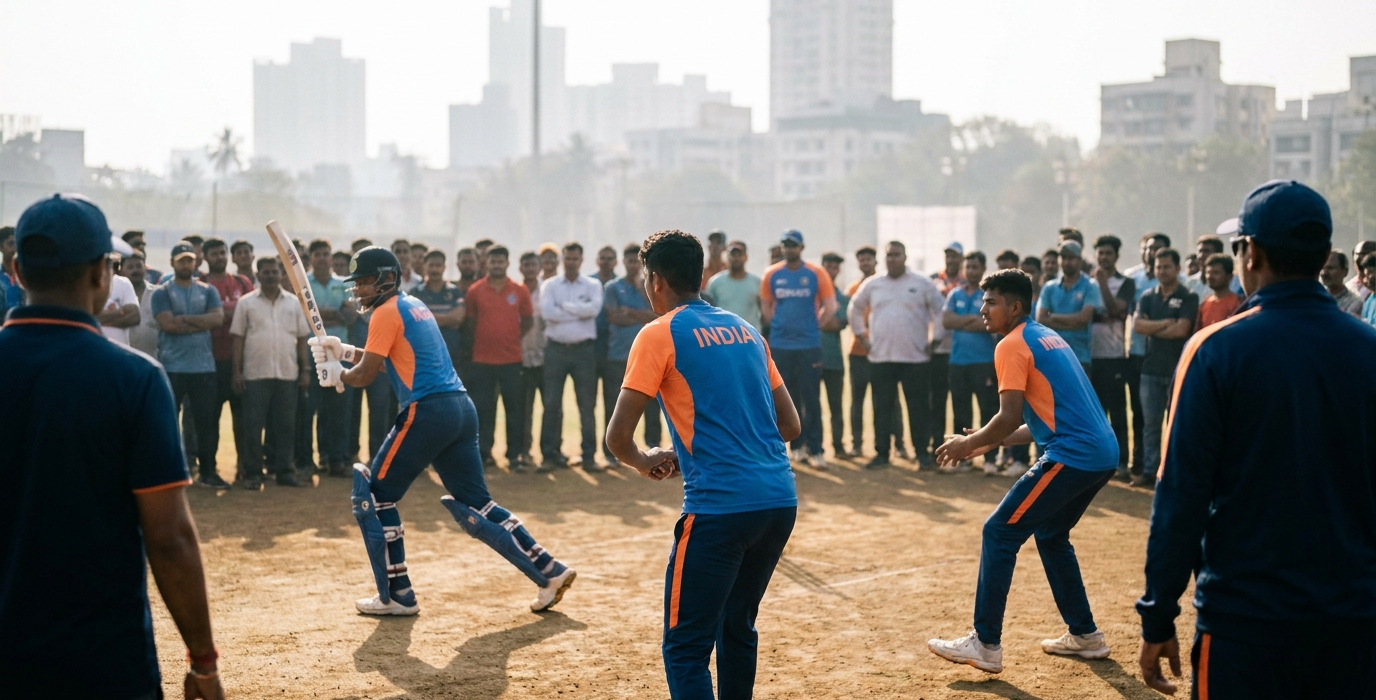
As we look towards the future, the challenge for Indian cricket isn’t just about identifying talent, but about nurturing it effectively to sustain this remarkable momentum. The sheer volume of young players making waves is a positive sign, but ensuring their long-term development requires a strategic and thoughtful approach from the BCCI and state associations. This means continued investment in grassroots cricket, maintaining high standards in domestic tournaments, and providing ample opportunities for players to gain international exposure.
We also need to consider the mental well-being of these young stars. The intense scrutiny and pressure that comes with representing India can be overwhelming. Robust sports psychology support, mentorship programs, and a culture that prioritizes player welfare are crucial. It’s about creating an environment where they can thrive, not just as cricketers, but as individuals. The IPL has provided a fantastic platform, but a strong domestic structure remains the bedrock of any cricketing nation.
The continued success of this new generation will depend on their ability to adapt and evolve. The game is constantly changing, and players who remain open to learning, refining their skills, and embracing new challenges will be the ones who stand the test of time. We’ve seen a glimpse of what this generation is capable of; now, it’s about ensuring they have the resources and the support to reach their full potential and lead Indian cricket to even greater heights in the years to come. The journey is exciting, and we, as fans, are eager to witness it unfold.
| Player | Primary Role | Key Strengths (2026) | Format Impact |
|---|---|---|---|
| Yashasvi Jaiswal | Opening Batter | Aggressive scoring, big hundreds, adaptability | All formats, particularly T20 & ODI |
| Shubman Gill | Top-Order Batter | Consistency, elegant technique, acceleration | All formats, crucial in Tests & ODIs |
| Rinku Singh | All-rounder (Finisher/Bowler) | Explosive hitting, composure under pressure, improving bowling | T20 & ODI |
| Mukesh Kumar | Pace Bowler | Pace, control, wicket-taking ability, resilience | All formats, especially Tests & ODIs |
| Tilak Varma | Middle-Order Batter | Calm approach, ability to build innings, useful cameos | T20 & ODI |
“This generation of Indian cricketers isn’t just playing the game; they’re rewriting the rulebook with their fearless approach and relentless pursuit of excellence.”
Frequently Asked Questions
Who are the standout young Indian cricketers to watch in 2026?
In 2026, keep a close eye on batters like Yashasvi Jaiswal and Shubman Gill for their consistent run-scoring. Emerging all-rounders such as Rinku Singh and promising young pacers like Mukesh Kumar are also making significant impacts. Their performances in domestic and international cricket are highly noteworthy.
How has fitness and analytics changed Indian cricket in 2026?
Fitness levels are at an all-time high, with players demonstrating superior athleticism and endurance. Analytics provide deep insights into player performance, allowing for personalized training and strategic game planning. This combination is making Indian cricketers more effective and resilient.
Are there any surprising new regions producing talent for Indian cricket?
Yes, there are. While traditional hubs remain strong, states like Kerala and Odisha are now producing exceptional young fast bowlers, a development not historically common for these regions. This indicates a broader and more effective talent identification system across India.
What challenges does this new generation of cricketers face?
This generation faces immense pressure and scrutiny due to the global popularity of cricket and social media. Maintaining mental well-being, managing expectations, and adapting to the constantly evolving demands of the game are key challenges they need to navigate successfully.