Key Takeaways
- Several Indian startups are demonstrating exceptional growth, with many on the cusp of unicorn status in 2026.
- Key sectors to watch include deep tech, sustainable solutions, and innovative fintech, driven by evolving consumer needs and government support.
- Geographic diversification is a trend, with cities beyond the traditional hubs of Bengaluru and Delhi NCR showing significant startup activity.
- Investor sentiment remains strong, though a more discerning approach is expected, favouring sustainable business models over rapid, unfettered scaling.
The New Wave: India’s 2026 Unicorn Contenders Emerge
The Indian startup ecosystem continues its dynamic evolution, a vibrant tapestry woven with ambition, innovation, and significant capital. As we navigate 2026, the landscape is buzzing with potential, and certain companies are clearly distinguished by their trajectory. We’ve identified a cohort of emerging businesses that are not just performing well but are strategically positioned to achieve the coveted billion-dollar valuation – the ‘unicorn’ status.
These aren’t the established giants of yesterday; these are the disruptors, the problem-solvers, and the visionaries shaping the future. Their growth stories are fueled by a potent mix of deep market understanding, cutting-edge technology, and an unwavering focus on sustainable value creation. This year’s watchlist is particularly exciting, reflecting a maturing ecosystem that’s increasingly looking towards impact and long-term viability.
We’re seeing a fascinating shift, with a growing emphasis on sectors that address critical national and global challenges. From advanced AI applications to novel approaches in renewable energy and financial inclusion, these startups are building businesses that are both profitable and purposeful. Their success will not only mark individual milestones but will also signify the broader capabilities and global competitiveness of India’s entrepreneurial spirit.
Deep Tech Dominance: AI and Beyond
The realm of deep technology is where some of the most profound transformations are happening, and India is rapidly establishing itself as a formidable player. Companies leveraging artificial intelligence, machine learning, and advanced analytics are not just automating tasks; they are creating entirely new paradigms. We’re observing startups in this space that are developing sophisticated solutions for healthcare, agriculture, and complex industrial processes, demonstrating tangible impact and significant market potential.
One area of particular interest is AI-driven diagnostics. Startups are developing algorithms that can detect diseases with unprecedented accuracy, often at earlier stages than traditional methods. Imagine an AI system trained on millions of medical images, identifying subtle anomalies that might be missed by the human eye. This isn’t science fiction; it’s the reality being built by companies operating out of cities like Hyderabad and Pune, which are emerging as significant hubs for tech talent and R&D.
Beyond healthcare, AI is revolutionizing supply chain management, optimizing logistics for e-commerce giants and traditional businesses alike. Consider a company that uses predictive analytics to forecast demand with remarkable precision, minimizing waste and improving delivery times across vast networks. This level of sophistication, powered by Indian engineering talent, is a key indicator of future success. The potential for these deep tech ventures to scale globally is immense, as their solutions address universal challenges.
Surprising Fact: India’s AI Talent Pool
Did you know that by 2026, India is projected to have one of the largest pools of AI and ML engineers globally? A recent report by the National Association of Software and Service Companies (NASSCOM) indicated a significant surge in specialized AI education and a burgeoning freelance market for AI expertise. This deep talent bench is a critical, often underestimated, asset for these emerging deep tech startups.
The Green Revolution: Sustainable Solutions Take Root
The global imperative for sustainability has found a fertile ground in India, with a new generation of startups championing environmentally conscious solutions. This isn’t just about ‘greenwashing’; these companies are building robust business models around renewable energy, waste management, sustainable agriculture, and circular economy principles. Their impact extends beyond environmental benefits, creating economic opportunities and addressing social needs.
In the renewable energy sector, we’re seeing innovation not just in solar and wind power generation but also in energy storage and smart grid technologies. Startups are developing affordable and efficient battery solutions that can store renewable energy, making it more reliable and accessible, particularly for rural communities. Think of decentralized energy systems that can power villages independently, reducing reliance on fossil fuels and grid infrastructure.
Waste management is another area ripe for disruption. Instead of viewing waste as a problem, these entrepreneurs see it as a resource. They are developing advanced recycling technologies, creating biodegradable alternatives to single-use plastics, and even converting waste into valuable products like biogas or construction materials. Companies in cities like Coimbatore and Ahmedabad are making significant strides in turning waste streams into profitable ventures.
Sustainable agriculture is also a key focus. Startups are employing technology like IoT sensors and AI-powered analytics to optimize water usage, reduce pesticide dependence, and improve crop yields. They are also working on developing climate-resilient crops and promoting organic farming practices, contributing to food security and farmer livelihoods. The market demand for sustainable products is growing exponentially, providing a strong tailwind for these eco-conscious businesses.
Fintech’s Next Frontier: Beyond Payments
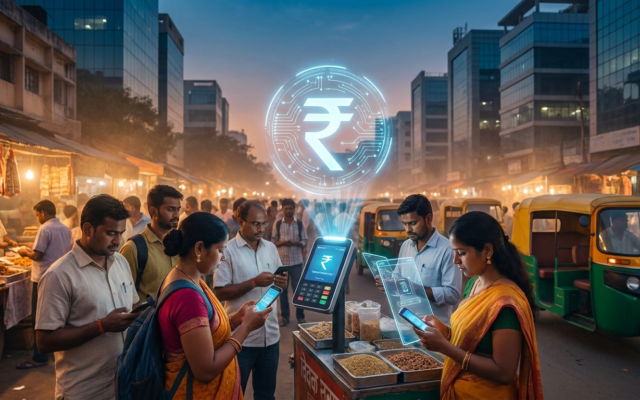
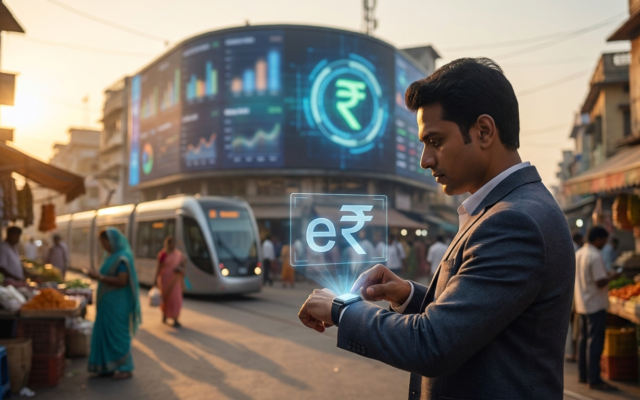
India’s fintech revolution, which began with a massive push in digital payments, is now maturing and expanding into new, sophisticated frontiers. While UPI continues to dominate transactions, emerging fintech startups are focusing on areas like embedded finance, democratizing access to credit, and leveraging blockchain for greater transparency and efficiency. The disruption is moving beyond simply facilitating payments to fundamentally reshaping financial services for millions.
Embedded finance is a significant trend. This involves integrating financial services directly into non-financial platforms, making them seamless and accessible at the point of need. Imagine buying a product online and being offered instant, tailored credit options right on the checkout page, without ever leaving the vendor’s website. Startups are building the infrastructure and partnerships to make this a reality, particularly for small and medium-sized enterprises (SMEs).
Credit accessibility for the unbanked and underbanked remains a critical challenge, and fintechs are stepping up. They are using alternative data sources – like utility bill payments, social media activity, and psychometric assessments – to build credit profiles for individuals and businesses lacking traditional credit histories. This is unlocking capital for entrepreneurs and consumers who were previously excluded from the formal financial system, driving inclusive growth.
Furthermore, the application of blockchain technology is gaining traction. Beyond cryptocurrencies, startups are exploring its use for secure record-keeping, transparent supply chain financing, and creating more efficient cross-border remittance services. The potential to reduce fraud and increase trust in financial transactions is enormous. The regulatory environment is also evolving, providing a clearer path for responsible innovation in this space.
Edtech 2.0: Personalized Learning for a Changing World
The education technology (edtech) sector in India experienced a hyper-growth phase, and while some consolidation has occurred, the sector is now entering a more sustainable and impactful ‘Edtech 2.0’ era. The focus is shifting from broad-stroke online courses to highly personalized learning experiences, skill-based training for the future workforce, and accessible educational tools for diverse demographics.
Personalization is key. Startups are using AI and adaptive learning platforms to tailor educational content to individual student needs, learning paces, and styles. This means a student struggling with a particular math concept receives extra support and targeted exercises, while another excelling in the subject can move ahead to more advanced material. This individualized approach is proving far more effective than one-size-fits-all solutions.
There’s also a significant push towards upskilling and reskilling. As the job market evolves rapidly, traditional degrees are no longer sufficient. Edtech companies are partnering with industry leaders to offer courses that equip individuals with the in-demand skills for the future – think data science, cybersecurity, digital marketing, and advanced coding. These programs often include practical projects and mentorship, ensuring graduates are job-ready.
Accessibility remains a priority. We’re seeing innovative solutions designed for Tier 2 and Tier 3 cities, as well as for students from lower socio-economic backgrounds. This includes offering offline learning modules, leveraging vernacular languages, and providing affordable subscription models. The goal is to democratize quality education, ensuring no one is left behind in the digital learning revolution.
AgriTech’s Digital Leap: Feeding the Future
Agriculture, the backbone of the Indian economy, is undergoing a significant digital transformation, and agri-tech startups are at the forefront of this revolution. These companies are leveraging technology to address long-standing challenges in crop yield, supply chain inefficiencies, farmer income, and climate resilience. Their innovations are crucial for ensuring food security and improving the livelihoods of millions of farmers across the country.
Precision agriculture is a major area of growth. Startups are deploying IoT sensors, drones, and satellite imagery to monitor soil health, weather patterns, and crop health in real-time. This data allows farmers to make informed decisions about irrigation, fertilization, and pest control, optimizing resource usage and minimizing waste. Imagine a farmer receiving an alert on their phone about potential pest infestation in a specific part of their field, allowing for targeted intervention.
Supply chain digitization is another critical aspect. Many agri-tech firms are building platforms that connect farmers directly to consumers or businesses, cutting out intermediaries and ensuring fairer prices for produce. These platforms often incorporate traceability features, allowing consumers to know the origin of their food, fostering trust and transparency. This is particularly impactful for perishable goods, reducing spoilage and improving market access.
Furthermore, innovative financing and insurance solutions are emerging. Startups are developing micro-insurance products tailored to the specific risks faced by smallholder farmers, alongside digital lending platforms that assess creditworthiness based on farm data. These financial tools are vital for helping farmers invest in better practices and mitigate the impact of unforeseen events, like extreme weather conditions.
Surprising Fact: The Rise of Vertical Farming in Urban India
While traditional agriculture dominates, a surprising trend in 2026 is the rapid growth of vertical farming in urban centers like Mumbai and Gurugram. These controlled-environment farms, often housed in repurposed buildings, are using hydroponics and aeroponics to grow fresh produce with significantly less water and land. They are reducing transportation costs and providing hyper-local, fresh food options, showcasing a radical reimagining of food production.
E-commerce Diversification: Niche Markets and Hyperlocal Delivery
The e-commerce landscape in India is no longer dominated solely by large horizontal marketplaces. In 2026, we are witnessing a significant diversification into niche categories and a hyper-focused approach on hyperlocal delivery. Startups are identifying underserved markets and leveraging technology to provide specialized products and services with unprecedented speed and convenience.
Niche e-commerce is booming. This includes platforms dedicated to specific interests like artisanal crafts, sustainable fashion, gourmet food products, or specialized hobby equipment. These ventures often curate unique selections and build strong community engagement, appealing to consumers seeking authenticity and specialized products that are hard to find elsewhere. Think of a platform exclusively for handcrafted sarees from weavers in West Bengal, connecting them directly to buyers across India and the world.
Hyperlocal delivery is transforming the way we shop for everyday essentials. Startups are excelling at delivering groceries, medicines, and even restaurant meals within minutes, often from local stores rather than large central warehouses. This model is particularly effective in densely populated urban areas, offering unparalleled convenience and speed. The technology powering these operations – sophisticated logistics management, real-time tracking, and efficient delivery partner networks – is a testament to their innovation.
The integration of social commerce is also a notable trend. Many niche platforms are leveraging social media channels and influencer marketing to drive sales, creating interactive shopping experiences. Live selling sessions, personalized recommendations based on social interactions, and community-driven product discovery are becoming increasingly common. This blending of social interaction and commerce is creating new avenues for customer engagement and brand building.
Frequently Asked Questions
What are the most promising sectors for Indian startups in 2026?
The most promising sectors include deep tech (AI, ML), sustainable solutions (renewables, waste management), fintech (embedded finance, credit access), edtech (personalized learning, upskilling), agri-tech (precision farming, supply chain), and specialized e-commerce with a focus on niche markets and hyperlocal delivery. These areas address critical needs and growing market demands.
How is government policy supporting Indian startups in 2026?
Government initiatives like the Startup India Seed Fund Scheme, Production Linked Incentives (PLI) for various manufacturing sectors, and digital infrastructure development continue to provide a supportive ecosystem. Policies aimed at fostering innovation in areas like AI, renewable energy, and digital payments are creating fertile ground for startups to thrive and scale.
Are venture capital investments still flowing into Indian startups in 2026?
Yes, venture capital investment remains robust, though investors are increasingly discerning. There’s a stronger emphasis on sustainable business models, profitability, and clear pathways to market leadership. While the era of ‘growth at all costs’ may be tempered, significant capital is still available for well-structured, innovative startups with strong fundamentals.
What role do Tier 2 and Tier 3 cities play in India’s startup growth in 2026?
Tier 2 and Tier 3 cities are playing an increasingly vital role. They offer a lower cost of operations, access to a diverse talent pool, and a growing consumer base. Many startups are now choosing these locations for their R&D, manufacturing, or as initial markets, reflecting a more geographically balanced growth of the startup ecosystem across India.