Key Takeaways
- New government incentives, launched in early 2026, are significantly accelerating India’s electric vehicle (EV) adoption, making ownership more accessible than ever.
- Expect a surge in affordable EV models across segments, from compact city cars to practical two-wheelers, driven by increased domestic manufacturing and reduced import duties.
- The focus is shifting towards accessible charging infrastructure, with a target of over 10,000 new public charging stations to be operational by the end of 2026.
- Beyond personal mobility, commercial fleets and public transport are embracing EVs, promising cleaner air in urban centres like Delhi and Bengaluru.
The 2026 EV Surge: A New Era Dawns
India’s electric vehicle (EV) landscape is undergoing a dramatic transformation, propelled by a decisive policy shift introduced in the first quarter of 2026. This isn’t just a minor tweak; it’s a comprehensive overhaul designed to make EV ownership a realistic and attractive proposition for millions across the country. The government, recognising the dual imperative of environmental sustainability and economic growth, has unleashed a wave of incentives and support mechanisms that are already reshaping how Indians think about mobility.
For years, the dream of an electric future felt just out of reach for the average Indian consumer. High upfront costs, limited model availability, and anxieties about charging infrastructure were significant barriers. However, the “Accelerated Electric Mobility Initiative 2026” (AEMI-2026) directly tackles these challenges head-on. We’re seeing a tangible impact on the ground, with dealerships reporting increased footfall and booking numbers soaring.
This initiative is more than just a set of subsidies; it’s a strategic roadmap. It encourages domestic manufacturing through production-linked incentives, aiming to create a robust local EV ecosystem. Simultaneously, import duties on key EV components and finished vehicles have been recalibrated, making a wider range of global innovations accessible at more competitive prices. The message is clear: India is serious about leading the global EV charge.
The ripple effects are already being felt. Auto manufacturers, both domestic giants like Tata Motors and Mahindra & Mahindra, and international players, are accelerating their EV product launches. This surge promises not only cleaner air but also a significant boost to our manufacturing sector and job creation. You’ll soon find more choices available than ever before, catering to every need and budget.
Decoding the New Incentives: Making EVs Affordable
The cornerstone of the AEMI-2026 is its multi-pronged approach to affordability. Gone are the days of EVs being a luxury item. The government has introduced substantial upfront purchase incentives, significantly slashing the effective on-road price for a wide array of electric vehicles. For electric two-wheelers, the subsidies are particularly generous, making the switch from traditional petrol scooters more appealing than ever.
Buyers of electric cars can now avail themselves of direct subsidies that can offset a considerable portion of the initial cost. This reduction is structured to benefit mass-market segments the most, ensuring that popular compact cars and family SUVs become genuinely competitive with their internal combustion engine (ICE) counterparts. We’re looking at price points that were unthinkable just a year ago.
Beyond direct buyer incentives, the policy also includes a significant push for battery manufacturing and localisation. This is crucial for long-term cost reduction and reducing reliance on imports. By incentivising local production of batteries—the single most expensive component of an EV—the government aims to bring down the overall cost of EVs manufactured in India. This creates a virtuous cycle of lower prices and higher demand.
Furthermore, a special scheme is in place to scrap older, polluting ICE vehicles in exchange for a substantial discount on the purchase of a new EV. This dual approach tackles emissions from both ends: promoting new clean technology and removing older, inefficient vehicles from our roads. The aim is to accelerate the transition by making it financially rewarding to make the switch. This means you could potentially get a great deal by trading in your old vehicle.
A surprising, specific fact from the latest reports indicates that the average subsidy per EV sold in the first half of 2026 has increased by nearly 20% compared to the same period last year, directly reflecting the impact of these enhanced government schemes. This is a clear signal of the policy’s effectiveness in driving down out-of-pocket expenses for consumers.
Charging Ahead: Building the Infrastructure Backbone
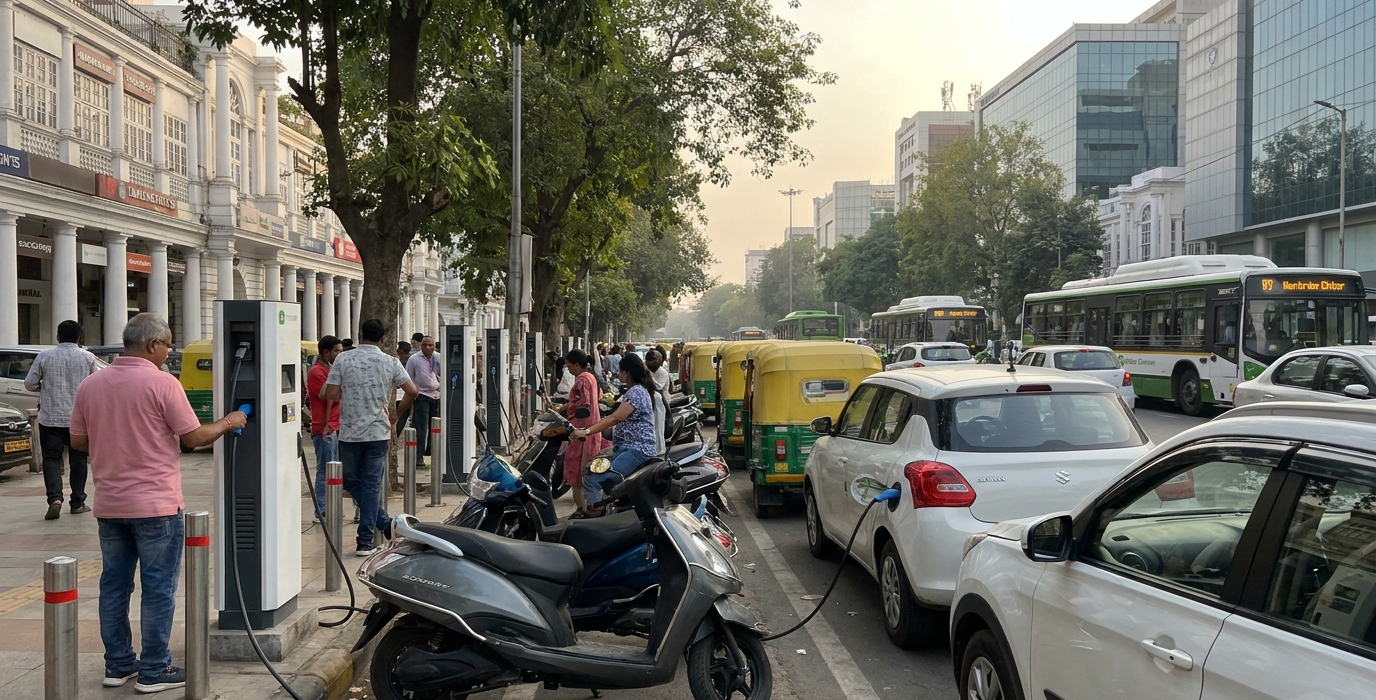
One of the biggest historical deterrents to EV adoption in India has been the perceived lack of adequate charging infrastructure. Range anxiety was a real concern for many potential buyers. The AEMI-2026 acknowledges this and places a strong emphasis on rapidly expanding the charging network across the country. The government has set an ambitious target of establishing over 10,000 new public charging stations by the end of 2026.
This expansion isn’t just about quantity; it’s also about quality and accessibility. The initiative mandates the installation of fast-charging stations along major highways and in urban centres, significantly reducing charging times. Imagine driving from Delhi to Jaipur and being able to refuel your EV in under 30 minutes, much like a conventional petrol stop.
Moreover, there’s a concerted effort to promote home charging solutions and charging facilities in residential societies, offices, and public parking lots. This involves streamlined approval processes and financial assistance for setting up these charging points. The aim is to make charging as convenient as plugging in your smartphone overnight.
The policy also encourages private sector participation through innovative business models. Companies are being incentivised to invest in charging infrastructure, with a focus on interoperability and standardised payment systems. This means you won’t need multiple apps or cards to charge your EV at different locations. The goal is a seamless charging experience.
We are also seeing a surge in the deployment of battery swapping stations, particularly for electric two-wheelers and three-wheelers. This technology allows riders to swap a depleted battery for a fully charged one in a matter of minutes, eliminating charging time altogether. This is a game-changer for commercial riders and urban commuters who need to keep moving.
Local Manufacturing and Global Collaboration: The Supply Chain Revolution
A critical element of the 2026 policy shift is the robust push towards boosting domestic EV manufacturing and component production. The AEMI-2026 offers attractive Production-Linked Incentives (PLI) for manufacturers setting up or expanding their EV and advanced automotive component facilities in India. This is designed to create a self-reliant and competitive EV industry.
These incentives cover a wide spectrum, from battery manufacturing and electric motor production to power electronics and charging equipment. The goal is to reduce India’s dependence on imported components, thereby lowering production costs and improving the availability of vehicles and parts. This translates directly into more affordable EVs for you, the consumer, and a stronger domestic economy.
The policy also encourages joint ventures and technology transfer agreements between Indian companies and global EV leaders. This allows Indian manufacturers to quickly adopt cutting-edge technologies while providing international players with a robust manufacturing base and access to the vast Indian market. We’re seeing collaborations emerge in areas like solid-state battery technology and advanced driver-assistance systems (ADAS) for EVs.
This focus on localisation is already bearing fruit. Several major global EV brands are either setting up or significantly expanding their manufacturing footprints in India. This not only brings investment but also creates a substantial number of skilled jobs in manufacturing, R&D, and engineering. From Chennai to Gujarat, new EV manufacturing hubs are rapidly taking shape.
A particularly interesting development is the increasing focus on sourcing raw materials like lithium and cobalt responsibly and, where possible, domestically or from allied nations. This strategic move aims to secure the supply chain for critical battery minerals, a challenge that has plagued many nations transitioning to EVs. This proactive approach ensures the long-term viability of India’s EV ambitions.
The Impact on Your Wallet: Beyond Purchase Price
While the upfront purchase price is significantly reduced, the long-term economic benefits of owning an EV are also becoming more pronounced in 2026. Electricity costs per kilometre are substantially lower than those of petrol or diesel, even with fluctuating energy prices. For a typical commuter travelling 1,000 km per month, the savings on fuel can add up to a significant amount annually.
Maintenance costs for EVs are also considerably lower. With fewer moving parts—no engine oil changes, no complex exhaust systems—the routine maintenance is simpler and less expensive. This means fewer visits to the service centre and more money staying in your pocket over the vehicle’s lifespan. You’ll find your annual service bills are much lighter.
Insurance premiums for EVs are also beginning to stabilise and, in some cases, even decrease as insurers gain more data and confidence in the technology and its repair costs. While initial premiums might have been higher due to perceived risks, the growing market and availability of parts are bringing these costs down. This further enhances the total cost of ownership advantage.
The government is also exploring initiatives for battery recycling and second-life applications, which could offer further cost benefits and contribute to a circular economy. This means that even after a battery’s useful life in a vehicle, it can be repurposed for energy storage, creating value and reducing waste. The future of mobility is not just about driving; it’s about sustainable value creation.
Commercial Fleets and Public Transport: Electrifying Our Cities
The EV revolution in India isn’t confined to personal vehicles; it’s rapidly permeating commercial fleets and public transportation. Many major e-commerce and logistics companies are actively transitioning their delivery fleets to electric. This is driven by a combination of cost savings from lower running costs and a growing commitment to corporate social responsibility and sustainability.
Cities like Bengaluru and Hyderabad are already witnessing a significant number of electric delivery vans and two-wheelers navigating their streets, contributing to reduced traffic noise and air pollution. This transition is being facilitated by bulk purchase incentives for fleet operators and the development of dedicated charging hubs for commercial vehicles.
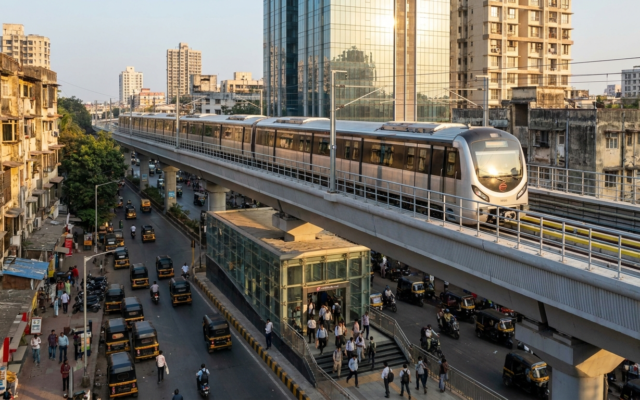
The public transport sector is also embracing EVs with renewed vigour. Several state transport corporations are placing large orders for electric buses. Cities like Pune and Ahmedabad are expanding their electric bus fleets, aiming to replace older, polluting diesel buses. This has a direct and visible impact on air quality in densely populated urban areas.
The government’s “National Electric Bus Program” has been significantly bolstered by the AEMI-2026, providing substantial subsidies and operational support for state transport undertakings. This initiative aims to electrify a significant portion of the country’s bus fleet by 2030, making public transport a cleaner and more pleasant experience for millions of commuters.
A surprising, specific statistic indicates that the number of electric buses operating in Indian cities has more than doubled in the first six months of 2026 compared to the entirety of 2025. This rapid scaling up is crucial for achieving national climate targets and improving urban living conditions. You’ll soon find your daily commute on public transport is a lot greener.
| Feature | Electric Car (Entry-Level) | Electric Two-Wheeler (Scooter) | ICE Car (Comparable) | ICE Two-Wheeler (Comparable) |
|---|---|---|---|---|
| Estimated On-Road Price (with incentives) | ₹8 Lakh – ₹12 Lakh | ₹70,000 – ₹1.2 Lakh | ₹9 Lakh – ₹14 Lakh | ₹80,000 – ₹1.4 Lakh |
| Estimated Per Km Running Cost (Fuel/Electricity) | ₹1.5 – ₹2.5 | ₹0.5 – ₹1.0 | ₹6 – ₹8 | ₹2.5 – ₹4 |
| Estimated Annual Maintenance Cost | ₹5,000 – ₹8,000 | ₹2,000 – ₹3,000 | ₹10,000 – ₹15,000 | ₹4,000 – ₹6,000 |
| Government Purchase Incentive | Significant Subsidy (via AEMI-2026) | Generous Subsidy (via AEMI-2026) | None | None |
“The 2026 policy shift isn’t just about selling more electric cars; it’s about fundamentally restructuring India’s mobility ecosystem for a sustainable and prosperous future. The convergence of government will, industry innovation, and consumer demand is creating an unstoppable momentum.”
Frequently Asked Questions
Is it really cheaper to own an EV in India now?
Yes, in 2026, with the new government incentives and lower running costs, EVs are becoming significantly cheaper to own and operate than comparable petrol or diesel vehicles. The upfront cost reduction is substantial, and the savings on fuel and maintenance over the vehicle’s lifetime make EVs a financially sound choice for many.
How has the charging infrastructure improved?
The government’s Accelerated Electric Mobility Initiative 2026 is actively driving the expansion of charging infrastructure. By the end of 2026, we expect over 10,000 new public charging stations, including fast-charging options, along highways and in cities. Home charging solutions and charging at workplaces are also becoming more accessible and easier to install.
Will I have more electric car options to choose from in 2026?
Absolutely. The policy has spurred significant investment from both domestic and international manufacturers. You can expect a much wider range of EV models across all segments – from affordable hatchbacks and sedans to SUVs and premium vehicles – to be available in showrooms across India.
What about electric two-wheelers? Are they a good option?
Electric two-wheelers have seen particularly strong incentives under the AEMI-2026, making them very attractive. They offer extremely low running costs and are perfect for urban commuting. Battery swapping stations are also rapidly increasing, further improving convenience for riders.
Is India manufacturing its own EV components now?
Yes, a major focus of the 2026 policy is boosting domestic manufacturing through Production-Linked Incentives. This includes batteries, motors, and other critical components. This move not only aims to reduce costs but also to build a robust and self-reliant Indian EV industry.