Key Takeaways
- Government incentives, particularly the revamped FAME III scheme, are significantly lowering the upfront cost of electric vehicles in India for 2026.
- Battery technology advancements are yielding longer ranges and faster charging, addressing key consumer anxieties and making EVs more practical for everyday use.
- A growing network of public and private charging infrastructure, especially in Tier 2 and Tier 3 cities, is crucial for widespread adoption.
- Domestic manufacturing push and local battery production are creating a more resilient and affordable EV ecosystem, boosting consumer confidence.
The Unstoppable Momentum: Why 2026 is the Year of the EV in India
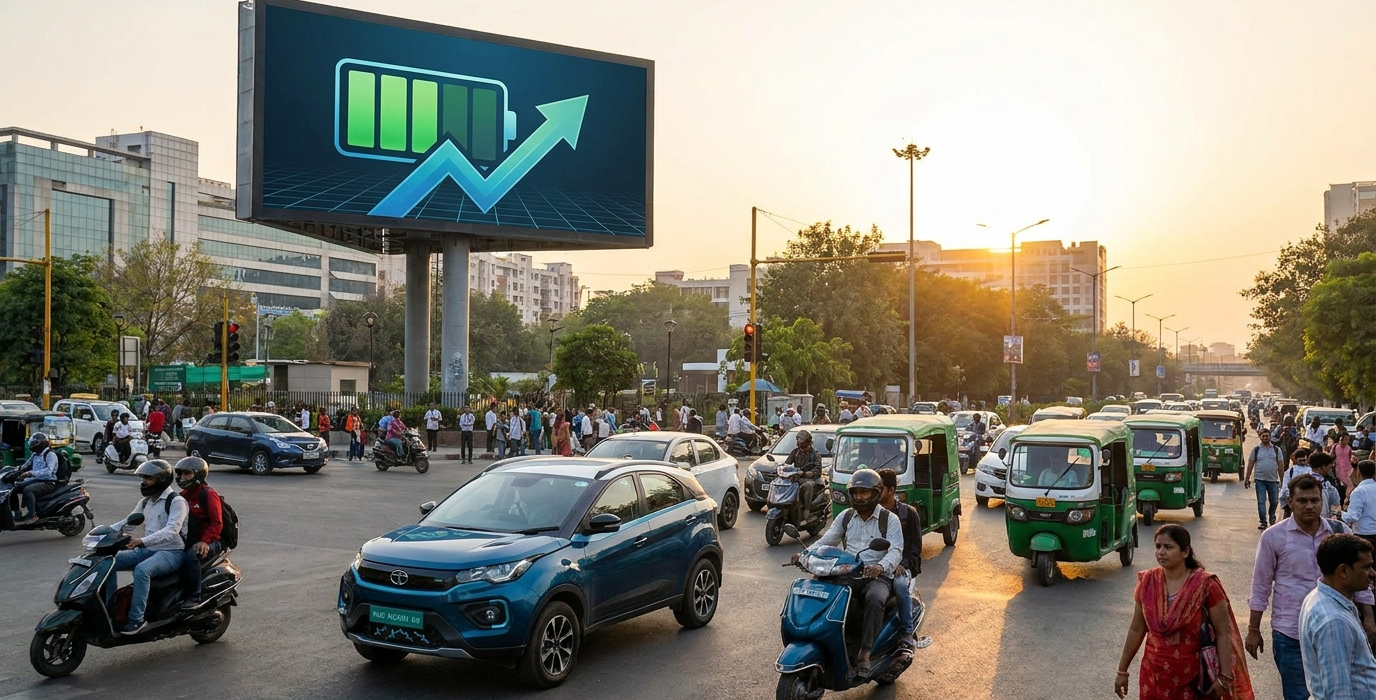
The hum of electric motors is fast replacing the roar of combustion engines across Indian streets. As we navigate 2026, the electric vehicle (EV) revolution isn’t just a distant dream; it’s a palpable reality. Sales figures are soaring, breaking records month after month, and the landscape of Indian mobility is being fundamentally reshaped. This isn’t a fleeting trend; it’s a paradigm shift driven by a confluence of powerful factors.
From the bustling metropolises of Delhi and Mumbai to the emerging hubs in cities like Lucknow and Coimbatore, you’re seeing more EVs on the road than ever before. Consumers are not just experimenting; they are actively choosing electric for their daily commutes, family trips, and commercial fleets. This widespread adoption signals a maturing market, one that’s finally hitting its stride.
The question on everyone’s mind is: what’s behind this unprecedented surge? It’s a complex interplay of policy, technology, infrastructure, and a growing consumer consciousness. We’re going to break down the key drivers that are propelling India’s EV market to new heights this year.
FAME III and Beyond: Policy Driving Affordability
The most significant catalyst for the 2026 EV boom in India has undoubtedly been the strengthened government support, particularly through the revised Faster Adoption and Manufacturing of Electric Vehicles (FAME) III scheme. Launched in early 2026, FAME III offers more substantial subsidies, directly tackling the primary barrier for many Indian buyers: upfront cost.
Unlike previous iterations, FAME III provides a more nuanced approach, with higher incentives for electric two-wheelers and three-wheelers, which constitute a massive chunk of India’s vehicle market. This targeted approach ensures that the most accessible forms of electric mobility become significantly more affordable for the average Indian household. For instance, a popular electric scooter that might have cost ₹1.2 lakh in 2025 can now be acquired for closer to ₹90,000 post-subsidy.
Beyond FAME III, state governments are also playing a crucial role. States like Gujarat, Maharashtra, and Tamil Nadu have introduced their own attractive policies, including road tax exemptions and registration fee waivers. This multi-pronged policy approach creates a compelling financial case for consumers, making the transition to EVs not just environmentally conscious but also economically prudent. We’re also seeing tax benefits on loans for EVs, further sweetening the deal for potential buyers.
Subsidies at Work: A Real-World Impact
Consider the impact on electric two-wheelers. Sales have exploded, with some manufacturers reporting a 50% year-on-year growth in their EV segment. This is directly attributable to the increased purchasing power granted by subsidies. Families in cities like Pune and Hyderabad are now able to consider electric scooters not just as a niche product but as a viable, cost-effective alternative to their petrol counterparts. The savings on fuel and maintenance are now more pronounced, making the total cost of ownership incredibly attractive.
Battery Breakthroughs: Range Anxiety Becomes a Relic
One of the biggest hurdles for EV adoption globally has been range anxiety – the fear of running out of charge before reaching a charging station. In 2026, this anxiety is rapidly diminishing for Indian consumers, thanks to significant advancements in battery technology. We are witnessing a new generation of lithium-ion batteries that offer substantially longer ranges on a single charge.
Many new electric car models launched this year boast an ARAI-certified range exceeding 400 kilometers, with some premium models pushing past 500 kilometers. This is more than enough for most daily commutes and even for inter-city travel within many Indian states. For example, a trip from Bengaluru to Mysuru, a popular weekend getaway, can now be comfortably completed on a single charge with many of the latest electric sedans.
Furthermore, charging speeds have dramatically improved. Fast-charging technology is becoming more prevalent, both in home charging solutions and public charging stations. We’re seeing DC fast chargers capable of replenishing a battery from 20% to 80% in under 45 minutes. This reduction in charging time makes EVs far more practical for long journeys, akin to a quick stop for refueling a petrol vehicle.
Surprising Fact: Solid-State Battery Prototypes Emerge
While still largely in the prototype phase and not yet mass-produced, solid-state battery technology is showing immense promise, with Indian research institutions and some startups actively involved in its development. These next-gen batteries promise even higher energy density (leading to longer ranges), faster charging, and improved safety, potentially revolutionizing the EV landscape further in the coming years. Keep an eye on breakthroughs from institutions like the Indian Institute of Science (IISc) in Bengaluru.
Charging Up India: Infrastructure Expansion
The availability of a robust and accessible charging infrastructure is paramount for the widespread adoption of electric vehicles. In 2026, we are finally seeing significant investments and rapid expansion in charging networks across India. This isn’t just confined to the major metropolitan areas anymore.
Companies like Tata Power, ChargeZone, and Ather Energy are actively deploying charging stations in Tier 2 and Tier 3 cities, towns, and even along major national highways. This expansion is crucial for building consumer confidence, assuring them that they won’t be stranded without power. The government’s push for charging infrastructure, often integrated with renewable energy sources, further accelerates this growth.
We’re also seeing a rise in destination charging – charging points at malls, hotels, corporate offices, and residential complexes. This makes charging convenient and seamless, integrating it into daily routines. For instance, you can now often charge your EV while you shop at a mall in Ahmedabad or attend a meeting in a corporate park in Gurugram.
The “Charging Hub” Concept Takes Off
A particularly innovative trend gaining traction is the development of dedicated “charging hubs” in urban centers. These aren’t just a few chargers dotted around; they are comprehensive facilities offering multiple fast-charging points, often with amenities like cafes or waiting lounges. This makes charging a more pleasant and efficient experience. We’re seeing these pop up in cities like Indore and Visakhapatnam, transforming a necessity into a more comfortable stop.
Domestic Manufacturing and Localisation: A Resilient Ecosystem
A critical factor underpinning the 2026 EV surge is the growing emphasis on domestic manufacturing and localisation. India’s ambition to become a global manufacturing hub extends to the EV sector, with significant efforts to reduce reliance on imported components, especially batteries. This push is leading to a more resilient, cost-effective, and sustainable EV ecosystem.
Several major Indian conglomerates, alongside international players, have announced substantial investments in setting up gigafactories for battery production. Companies like Ola Electric and Reliance Industries are at the forefront of this movement, aiming to bring down battery costs through economies of scale and local sourcing of raw materials. This localisation is vital for long-term price stability and reduced dependency on global supply chains.
The government’s Production Linked Incentive (PLI) scheme for Advanced Chemistry Cell (ACC) battery storage is a key enabler, encouraging manufacturers to invest in local production capabilities. This strategy not only creates jobs but also fosters innovation within India’s automotive and technology sectors. The aim is to ensure that the components powering our electric future are made right here in India.
Surprising Fact: India’s Lithium Reserves and Extraction Efforts
While not yet fully exploited, recent geological surveys have indicated significant lithium reserves in the Salal-Haimana area of the Reasi district in Jammu and Kashmir. While extraction is a complex and ongoing process, the potential discovery of these reserves significantly bolsters India’s long-term strategy for EV battery self-sufficiency, reducing the need for imports from countries like China.
Evolving Consumer Preferences: Beyond the Hype
The 2026 EV market is also being shaped by a tangible shift in consumer preferences. It’s no longer just early adopters and environmentally conscious individuals driving sales; the mainstream Indian consumer is now actively considering EVs. This broader acceptance is fueled by several evolving factors.
Firstly, the performance and driving experience of modern EVs are increasingly appealing. The instant torque provides exhilarating acceleration, and the quiet, smooth ride offers a premium feel. Manufacturers are also focusing on design and features, offering stylish SUVs, sedans, and compact cars that compete directly with their ICE counterparts in terms of aesthetics and technology.
Secondly, the total cost of ownership (TCO) is becoming a dominant factor. With rising petrol prices and the significant savings on electricity and maintenance, the TCO for EVs is often lower than for comparable petrol vehicles over a 3-5 year period. This economic argument resonates strongly with the pragmatic Indian buyer, especially in price-sensitive segments like two-wheelers and small commercial vehicles.
The Rise of Electric Commercial Vehicles
A significant, often overlooked, driver of EV adoption in 2026 is the commercial vehicle segment. E-commerce companies, logistics providers, and last-mile delivery services are increasingly transitioning their fleets to electric. The lower running costs, reduced downtime due to fewer mechanical parts, and corporate sustainability goals are making electric vans and three-wheelers highly attractive for businesses operating in cities like Chennai and Kolkata.
Innovation in Ownership Models: Making EVs More Accessible
Beyond outright purchase, innovative ownership models are further democratizing EV access in 2026. Recognizing that upfront costs can still be a barrier for some, the industry is exploring and refining alternatives that make electric mobility more accessible. This is crucial for ensuring that the benefits of EVs reach a wider segment of the Indian population.
Battery-as-a-Service (BaaS) models are gaining traction, particularly for electric two and three-wheelers. In this model, the customer buys the vehicle without the battery, which is leased separately. This significantly lowers the initial purchase price. The battery can then be swapped at dedicated stations, addressing range concerns and eliminating the need for home charging installation for many users. Companies like Bounce Infinity are pioneers in this space, offering a compelling alternative.
Leasing and subscription services are also expanding, offering flexibility for consumers who may not want to commit to a long-term purchase or who prefer to upgrade their vehicles periodically. These plans often include insurance, maintenance, and even charging credits, providing a predictable monthly expense. This is particularly attractive for individuals and small businesses exploring the EV option without the burden of full ownership.
Comparison Table: EV Purchase vs. Subscription Models
Here’s a simplified look at how these models might compare for a hypothetical electric scooter:
| Feature | Outright Purchase | Subscription Model (3-Year) | Battery-as-a-Service (BaaS) |
|---|---|---|---|
| Initial Cost | Higher (Full vehicle price) | Lower (First month/deposit) | Lowest (Vehicle only, no battery) |
| Monthly Costs | Loan EMI (if applicable), electricity, insurance, maintenance | Fixed monthly fee (includes vehicle, insurance, maintenance, sometimes charging) | Monthly vehicle fee + monthly battery lease fee, electricity |
| Battery Ownership | Owned | Leased/Included | Leased |
| Flexibility | Low (Resale value dependent) | Medium (Can upgrade/return after term) | High (Can swap battery for charged one) |
| Long-Term Cost | Potentially lower if owned long-term | Variable, depends on plan | Can be competitive, especially with efficient battery swaps |
Frequently Asked Questions
What is the biggest challenge for EV adoption in India in 2026?
While improving, charging infrastructure availability and charging speed in non-major urban areas still remain a significant hurdle. However, rapid expansion is addressing this, and battery technology is also making charging less frequent.
Are electric cars affordable for the average Indian family in 2026?
The affordability is significantly improving due to government subsidies (like FAME III) and falling battery costs. While premium EVs are still expensive, entry-level electric cars and compact EVs are becoming increasingly competitive with their petrol counterparts.
What is the average range of an electric car sold in India in 2026?
The average certified range for new electric cars in 2026 typically falls between 300 to 400 kilometers. However, many models offer ranges exceeding 450 kilometers, and some premium options go beyond 500 kilometers.
Will India’s electricity grid handle a surge in EVs?
This is a critical consideration. While individual households charging EVs won’t overload the grid, widespread adoption requires strategic grid upgrades and smart charging solutions. India is investing in renewable energy integration and demand-side management to mitigate potential strain.
What are the main benefits of owning an EV in India in 2026?
The primary benefits include lower running costs (electricity is cheaper than petrol), reduced maintenance (fewer moving parts), environmental advantages (zero tailpipe emissions), and often, government incentives that lower the purchase price.