Key Takeaways
- India’s average population density continues to rise, placing significant pressure on resources and infrastructure, especially in urban centers.
- While the national average is high, stark regional disparities exist, with the Indo-Gangetic Plain being a hyper-dense area and the Himalayan regions comparatively sparse.
- Understanding these densities is crucial for effective urban planning, resource allocation, and sustainable development strategies across diverse Indian landscapes.
- Technological advancements and policy interventions are increasingly vital to manage the challenges and leverage the opportunities presented by India’s dense population.
The Ever-Increasing Pulse: India’s 2026 Population Density Landscape
India’s sheer scale is matched by its human density, a defining characteristic that shapes everything from its bustling metropolises to its serene rural hamlets. As of September 2026, the nation grapples with a population density that continues to exert immense pressure on its infrastructure, resources, and social fabric. This isn’t just a statistic; it’s a lived reality for hundreds of millions, influencing daily commutes in Mumbai, agricultural practices in Punjab, and the careful stewardship of natural resources in the Western Ghats. Understanding this complex tapestry of human settlement is paramount for policymakers, urban planners, and citizens alike as we navigate the challenges and opportunities of a densely populated future. We’ll delve into the nuances of this density, exploring its regional variations, the implications for governance, and the innovative solutions emerging across the subcontinent.
The latest available data, reflecting trends projected into 2026, indicates that India’s overall population density continues to inch upwards. This isn’t a uniform growth; it’s concentrated in specific pockets, exacerbating existing inequalities and creating new urban-rural divides. The pressure on land, water, and housing is palpable, demanding constant adaptation and forward-thinking strategies. We must look beyond the headline figure to appreciate the intricate patterns of settlement that define our nation.
The Indo-Gangetic Plain: A Crucible of Density
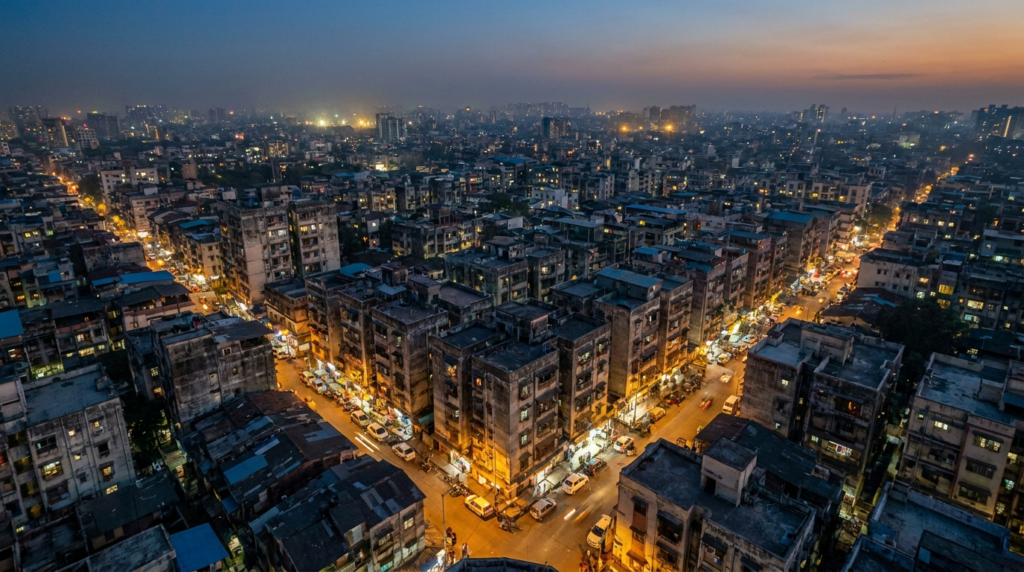
The Indo-Gangetic Plain, stretching across northern India, remains the undisputed heartland of the country’s population density. States like Uttar Pradesh, Bihar, and West Bengal are home to some of the most densely populated districts in the world. Here, fertile alluvial soil, abundant water resources historically provided by the Ganga and its tributaries, and a long history of settled agriculture have fostered massive human settlements for millennia. This density is not merely a static number; it represents a vibrant, dynamic ecosystem of human activity, agriculture, and commerce.
The sheer concentration of people in this region presents unique challenges. Agricultural land is intensely cultivated, often with multiple crops per year, leading to concerns about soil health and water depletion. Urban centers like Patna, Lucknow, and Kolkata are sprawling, with a constant influx of people seeking economic opportunities, straining public services, transportation, and housing. The pressure on resources is immense, requiring careful management to ensure sustainability. For instance, the groundwater depletion in many Indian cities is a direct consequence of the high demand driven by dense populations, a challenge that continues to escalate.
Urban Sprawl and its Echoes
The relentless expansion of cities across the plain creates a complex web of connectivity and congestion. Infrastructure development often struggles to keep pace with the rapid growth, leading to traffic bottlenecks and extended commute times. This hyper-density also impacts public health, requiring robust sanitation and healthcare systems to cope with the sheer volume of people. The challenge lies in balancing economic growth with the environmental and social carrying capacity of these regions.
Southern Satellites: Clusters of High Density
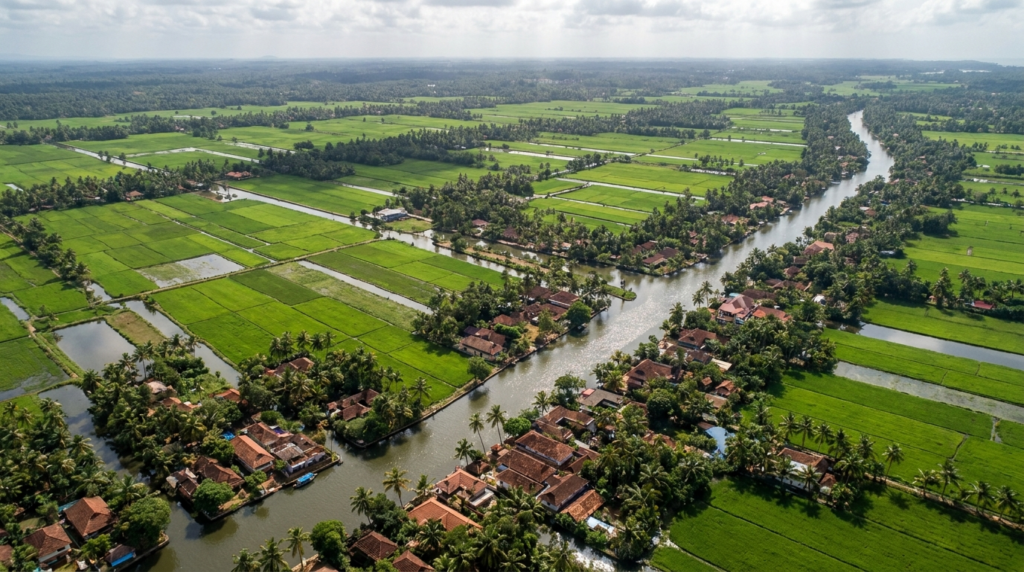
Beyond the northern plains, South India also exhibits significant population density in specific clusters, particularly around major metropolitan areas and coastal plains. States like Tamil Nadu, Kerala, and parts of Karnataka and Andhra Pradesh are characterized by high urbanization rates and a long history of agricultural productivity. This has led to a concentration of people in and around cities like Chennai, Bengaluru, and Kochi, creating densely populated urban agglomerations.
Kerala, often cited for its high human development indicators, also boasts one of the highest population densities among Indian states. This density is a result of a historical emphasis on land redistribution, education, and healthcare, which has led to a large, healthy, and productive population spread across the state. The state has managed its density through a combination of intensive agriculture, a strong service sector, and a relatively high degree of urbanization. However, even in Kerala, the pressure on natural resources, particularly water and land, is a persistent concern. The Kerala State Planning Board consistently highlights population density as a key factor influencing development strategies and resource management.
Coastal Concentration and Island Islands
The coastal regions across India, from Gujarat to Goa and down to Tamil Nadu, often experience higher population densities due to historical trade routes, fishing livelihoods, and fertile coastal plains. These areas are hubs of economic activity, attracting migration and fostering dense settlements. Similarly, even smaller island territories, like the Andaman and Nicobar Islands, while not having a large absolute population, exhibit a high density relative to their landmass, posing unique logistical and environmental challenges for development and resource management.
The Sparse Frontiers: Himalayan Peaks and Desert Dunes
In stark contrast to the fertile plains and bustling coasts, India’s vast mountainous regions and arid deserts present a picture of low population density. The Himalayas, stretching across northern India, are home to communities living in remote, often challenging terrains. Settlements here are scattered, with inhabitants relying on subsistence agriculture, pastoralism, and increasingly, tourism. The logistical challenges of providing services and infrastructure to these dispersed populations are immense.
Similarly, the Thar Desert in Rajasthan, while geographically extensive, supports a much smaller population. Life here is dictated by water scarcity and extreme climatic conditions. Settlements are concentrated around oases or areas with access to groundwater, with nomadic and semi-nomadic communities also playing a significant role. The Ministry of Environment, Forest and Climate Change often undertakes studies on the unique ecological pressures and conservation efforts in these sparsely populated but ecologically sensitive regions.
Balancing Conservation and Livelihoods
The low population density in these frontier regions often correlates with high ecological significance. These areas are home to diverse flora and fauna, and conservation efforts are paramount. The challenge for governments is to balance the need for economic development and improved livelihoods for the local populations with the imperative to protect these fragile ecosystems. Sustainable tourism, eco-development projects, and traditional livelihood support are key strategies being explored.
The Urban Nexus: Mega-Cities and Their Density Puzzles
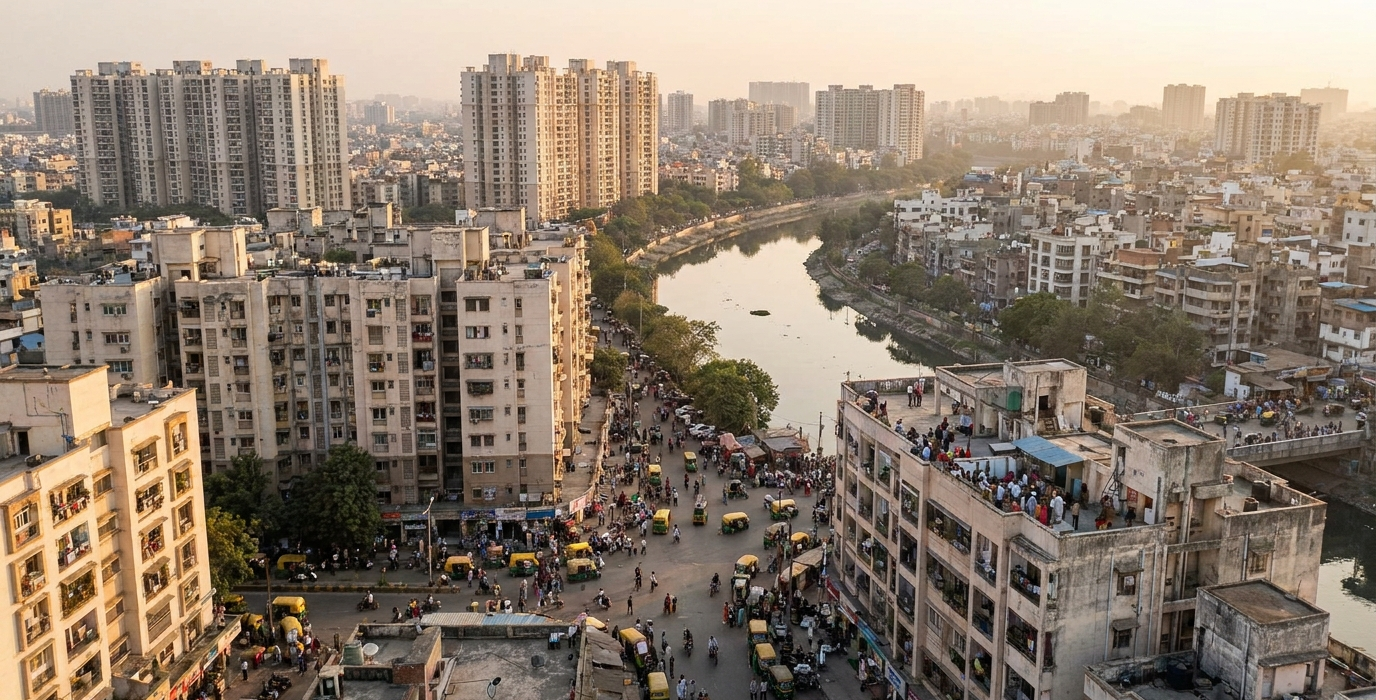
India’s mega-cities are epicenters of population density, drawing millions from across the country in search of opportunities. Cities like Delhi, Mumbai, Bengaluru, and Chennai are not just large; they are incredibly dense, with millions living and working in relatively confined spaces. This concentration fuels economic growth and innovation but also creates immense pressure on urban infrastructure and services.
Mumbai, famously known as the financial capital, is one of the most densely populated cities globally. Its unique geography, constrained by the Arabian Sea and the Western Ghats, forces vertical growth and extreme density in its residential and commercial areas. The Mumbai Metropolitan Region Development Authority (MMRDA) continuously works on projects to manage this density, focusing on improving public transport, housing, and urban planning. The city’s slums, while a symptom of housing shortages, are also testament to the incredible density of human life and resilience.
Density and Digital Connectivity
Interestingly, the highest population densities often coincide with areas of rapid digital adoption. This paradox presents both challenges and opportunities. While connecting dense populations to digital services requires robust infrastructure, it also allows for innovative solutions in areas like e-governance, digital education, and telemedicine, potentially reaching more people more effectively. The Digital India initiative aims to leverage this by expanding connectivity and digital literacy.
| Region/State | Approx. Population Density (Persons per sq. km) – 2026 Estimate | Key Characteristics |
|---|---|---|
| National Average | ~470 | High and rising, significant urban-rural disparity |
| Indo-Gangetic Plain (e.g., Uttar Pradesh, Bihar) | >1000 (in many districts) | Fertile plains, intensive agriculture, large urban centers |
| Kerala | ~1050 | High human development, strong service sector, high urbanization |
| Thar Desert (Rajasthan) | <50 (in many areas) | Arid, water scarcity, nomadic populations |
| Himalayan Regions (e.g., Himachal Pradesh, Uttarakhand) | ~100-200 (variable) | Mountainous terrain, remote settlements, ecological sensitivity |
| Mumbai Metropolitan Area | >20,000 (in core areas) | Extreme urban density, financial hub, limited land availability |
“India’s population density is not a uniform blanket; it’s a dynamic mosaic shaped by geography, history, and economic forces. Understanding these regional variations is the first step towards equitable and sustainable development.”
The Policy Push: Managing Density for a Sustainable Future
Managing India’s high and complex population density requires a multi-pronged approach involving urban planning, resource management, and sustainable development policies. The government’s focus is increasingly on creating livable cities, improving rural infrastructure, and ensuring equitable access to resources and opportunities. This includes investments in public transportation, affordable housing, water management, and waste disposal systems, especially in the high-density urban centers.
One surprising fact is that despite its overall high density, India still has vast tracts of relatively undeveloped or sparsely populated land, particularly in its northeastern states and parts of the central Indian plateau. The challenge is to develop these areas sustainably without replicating the unchecked growth patterns seen elsewhere. Another often-overlooked aspect is the density of innovation that emerges from these crowded spaces. Necessity truly is the mother of invention, and many of India’s most ingenious solutions to infrastructure and resource management have arisen from the intense pressures of its dense population.
Smart Cities and Rural Renewal
Initiatives like the Smart Cities Mission aim to develop urban areas into sustainable, citizen-friendly, and efficient hubs, tackling issues of density, mobility, and resource management. Simultaneously, efforts are underway to improve rural infrastructure and create employment opportunities to stem the tide of rural-to-urban migration, thereby easing pressure on mega-cities. The goal is to create a more balanced distribution of population and economic activity.
Frequently Asked Questions
What is the current population density of India in 2026?
As of September 2026, India’s estimated average population density is approximately 470 persons per square kilometer. This figure continues to rise and varies significantly across different regions of the country.
Which Indian state has the highest population density?
Kerala consistently ranks among the Indian states with the highest population density, with an estimated average of around 1,050 persons per square kilometer. While Delhi, a Union Territory, has a much higher density, Kerala is the most densely populated major state.
Are there any regions in India with very low population density?
Yes, the Himalayan regions and the Thar Desert in Rajasthan are areas with significantly low population density. Settlements are sparse due to challenging geographical and climatic conditions.
How does population density affect urban planning in India?
High population density necessitates intensive urban planning focused on efficient public transport, affordable housing, waste management, water supply, and green spaces. It also pressures authorities to develop vertical infrastructure and manage traffic congestion effectively, as seen in cities like Mumbai and Delhi.
What are the main challenges posed by India’s high population density?
The primary challenges include pressure on natural resources like water and land, strain on infrastructure and public services, increased pollution, and potential for social inequality. Sustainable resource management and equitable development are critical to mitigate these issues.