Key Takeaways
- India’s population is projected to reach approximately 1.44 billion by late 2026, solidifying its position as the world’s most populous nation.
- Significant regional variations in growth rates are evident, with southern states showing slower growth and northern states experiencing higher fertility rates.
- The demographic dividend continues to be a major factor, with a large youth population presenting both opportunities and challenges for employment and resource allocation.
- Urbanization is accelerating, putting pressure on infrastructure and services in major cities like Mumbai, Delhi, and Bengaluru.
India’s Demographic Milestone: A Look at 1.44 Billion and Beyond
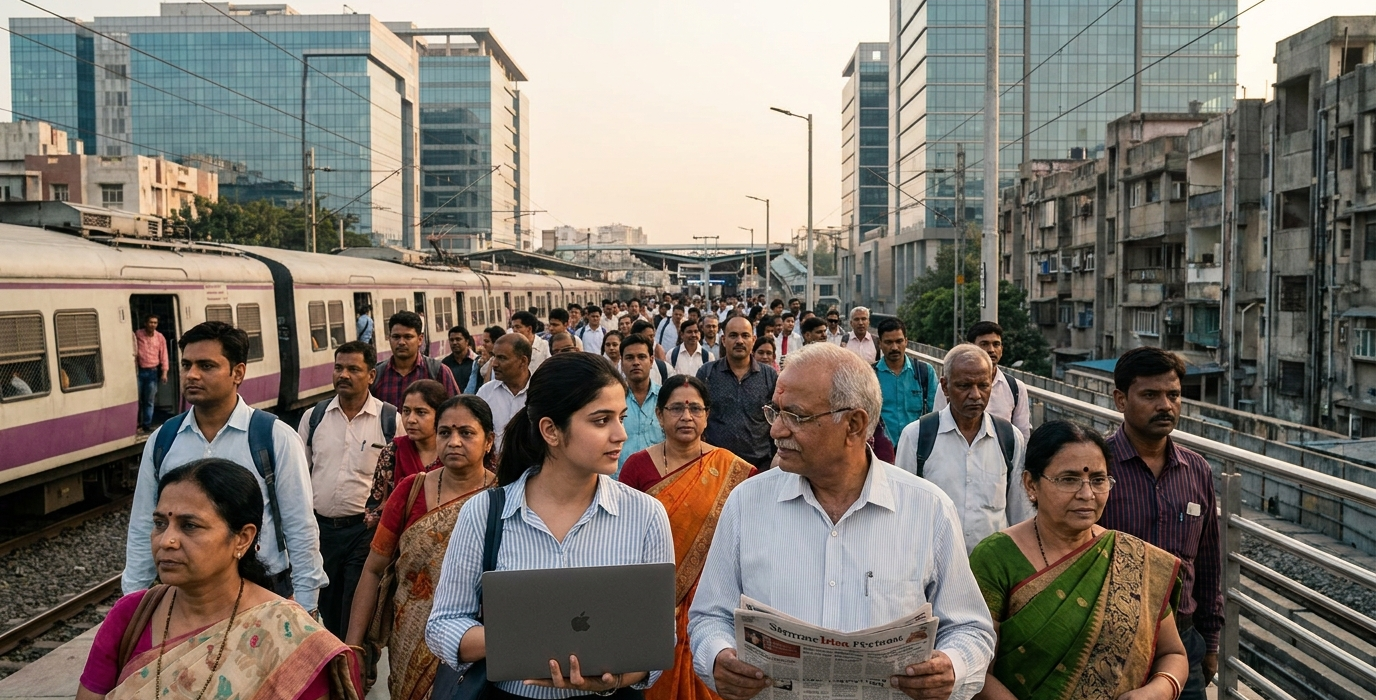
As we navigate 2026, India stands at a pivotal demographic juncture. Projections indicate our nation’s population will touch approximately 1.44 billion by year’s end, a figure that not only cements our status as the world’s most populous country but also signals profound shifts in our societal fabric. This isn’t just a number; it represents a dynamic, evolving populace with diverse needs and aspirations. Understanding these trends is crucial for policymakers, businesses, and citizens alike as we chart a course for sustainable development and inclusive growth.
The sheer scale of this population presents unique opportunities and challenges. We are a young nation, brimming with potential, but also facing the imperative to provide education, healthcare, and livelihoods for hundreds of millions. This demographic reality shapes everything from our economic policies to our infrastructure planning. It’s a narrative of immense human capital waiting to be harnessed, a testament to India’s enduring vitality and its forward-looking spirit. We must actively engage with these numbers to ensure a prosperous future for all.
Regional Disparities: A Tale of Two Indias
One of the most striking aspects of India’s population story in 2026 is the stark regional variation in demographic trends. While the national average continues to climb, the pace of growth is far from uniform. Southern states, such as Kerala and Tamil Nadu, have successfully implemented family planning measures and seen significant declines in their Total Fertility Rates (TFRs), often falling below replacement levels. These states are now experiencing a demographic transition towards an older population, similar to many developed nations.
Conversely, northern states like Bihar and Uttar Pradesh continue to exhibit higher fertility rates, contributing a substantial portion to the overall population growth. This disparity creates unique policy challenges. While some states grapple with an aging population and potential workforce shortages, others face the immense task of providing for a rapidly expanding youth demographic. Managing these differing needs requires tailored approaches, ensuring that development strategies are sensitive to local realities and that resources are allocated equitably across the nation.
A surprising fact to note is that by 2026, the population density in certain districts of Bihar is projected to exceed that of densely populated island nations. This highlights the intense localized pressure on land and resources in some of India’s most populous regions. It’s a critical indicator that demands innovative solutions for housing, agriculture, and urban planning.
The Enduring Dividend: Harnessing India’s Youth Power
India’s demographic profile in 2026 is overwhelmingly characterized by its youth. A substantial portion of our population falls within the working-age bracket, a phenomenon often referred to as the “demographic dividend.” This vast pool of young people represents an enormous potential for economic growth, innovation, and societal progress. If nurtured correctly, this generation can drive India to new heights of prosperity and global influence.
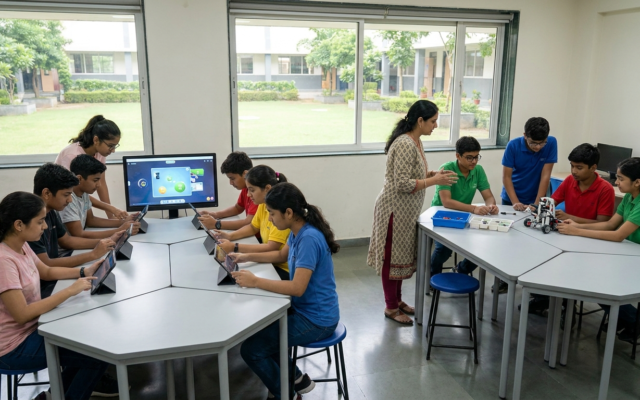
However, this dividend is not automatic. It requires significant investment in education, skills development, and job creation. Ensuring that millions of young Indians are equipped with the relevant skills for the evolving job market is paramount. The focus must be on quality education, vocational training, and fostering an entrepreneurial ecosystem that can absorb this youthful energy. We need to empower them to become not just job seekers, but job creators.
The challenge lies in translating this potential into tangible economic gains. Failure to do so risks creating a demographic burden, with widespread unemployment and social unrest. The government’s initiatives, such as Skill India and Startup India, are crucial in this regard. Their effectiveness in reaching the grassroots and adapting to the dynamic needs of the modern economy will determine the true realization of this dividend. We must ensure that opportunities are accessible to all, irrespective of their background or location.
The Urban Surge: Megacities Under Pressure
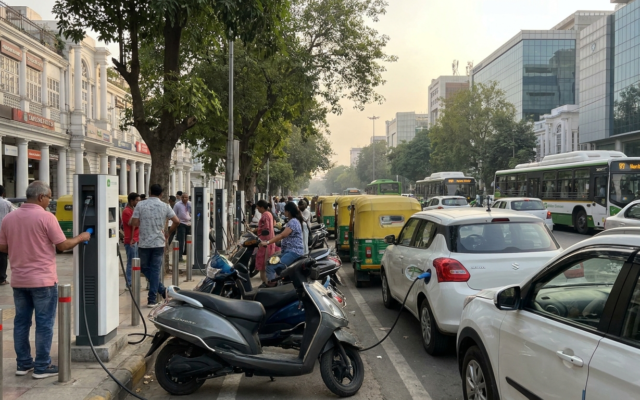
As our population grows, so does the relentless march towards our cities. India’s urban centers are experiencing unprecedented growth in 2026, driven by migration from rural areas in search of better economic opportunities and amenities. Cities like Mumbai, Delhi, Bengaluru, and Kolkata continue to swell, transforming into megacities that are the engines of our economy but also centers of immense pressure.
This rapid urbanization strains existing infrastructure to its breaking point. Housing shortages, traffic congestion, water scarcity, and waste management are becoming increasingly critical issues. The sheer volume of people moving to these urban hubs necessitates a significant upgrade in public services, transportation networks, and housing solutions. Ensuring that these cities remain livable and sustainable is a monumental task.
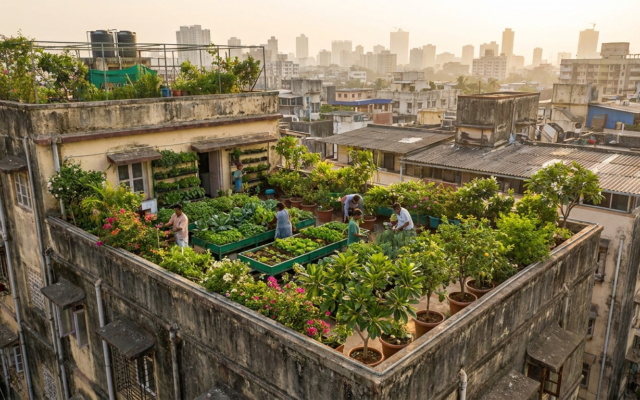
We are seeing innovative solutions emerge, from smart city projects aiming to integrate technology for better urban management to initiatives promoting sustainable urban planning. However, the scale of the challenge means that these efforts need to be accelerated and expanded. The pressure on urban land is immense, and creative approaches to land use, vertical development, and public-private partnerships are becoming essential for managing this urban surge effectively. We must also consider the development of tier-2 and tier-3 cities to decongest the major metros.
A Shifting Age Structure: Implications for Healthcare and Social Security
While India is often characterized as a young nation, the demographic shifts in 2026 are also leading to a gradual increase in the proportion of the elderly. As life expectancy rises due to improvements in healthcare and living conditions, the segment of our population aged 60 and above is steadily growing. This is a positive indicator of development, but it brings with it a new set of societal responsibilities.
The implications for healthcare are significant. An aging population requires more specialized medical care, particularly for chronic diseases such as cardiovascular conditions, diabetes, and dementia. Healthcare systems need to adapt to cater to these needs, with a greater emphasis on geriatric care, preventive health, and accessible medical facilities in both urban and rural areas. The demand for elder care services, including assisted living and home healthcare, is also set to rise.
Equally important are the considerations for social security and pension systems. As the dependency ratio shifts, with fewer young workers supporting a growing number of retirees, the sustainability of current social security frameworks comes under scrutiny. We need robust policies that ensure financial security for our senior citizens, encouraging a dignified and comfortable retirement. This might involve exploring new models of pension schemes and public-private partnerships for elder welfare. The surprising fact here is that by 2026, the number of Indians aged over 60 will be greater than the entire population of Canada. This underscores the scale of the demographic shift we are experiencing.
Economic Ripples: Consumption, Labour, and Innovation
India’s population dynamics in 2026 have profound implications for its economy. The sheer size of our consumer base continues to make India a highly attractive market for domestic and international businesses. A growing middle class, fueled by the demographic dividend, signifies increasing purchasing power and demand for a wider range of goods and services, from consumer electronics and automobiles to financial services and tourism.
However, the economic landscape is also shaped by the dynamics of the labor market. While the large youth population offers a potential workforce, the challenge of generating sufficient quality employment remains critical. The nature of work is evolving, with a growing emphasis on technology and specialized skills. Bridging the gap between the skills possessed by the workforce and the demands of the modern economy is a constant imperative. This requires continuous reskilling and upskilling initiatives.
Furthermore, the demographic dividend is a powerful catalyst for innovation. A large, educated, and ambitious young population is often at the forefront of technological advancements and entrepreneurial ventures. Fostering an environment that encourages research, development, and risk-taking is essential to harness this innovative potential. India’s ability to leverage its demographic strengths will be a key determinant of its economic trajectory in the coming decades. We are witnessing a surge in digital natives who are not just consumers but also creators of new technologies and business models.
Frequently Asked Questions
What is India’s projected population in 2026?
India’s population is projected to reach approximately 1.44 billion by the end of 2026, making it the most populous country globally.
How are regional population growth rates different in India?
Southern states generally have lower fertility rates and slower growth, while northern states continue to experience higher growth rates due to demographic factors.
What is the “demographic dividend” in India?
The demographic dividend refers to the economic growth potential that can result from a large working-age population relative to the dependent population.
What are the main challenges of rapid urbanization in India?
Key challenges include strain on infrastructure, housing shortages, traffic congestion, water scarcity, and waste management, requiring significant urban planning and investment.
How does India’s aging population impact its future?
An aging population increases demand for healthcare, social security, and elder care services, necessitating adjustments in public policy and financial planning.