Key Takeaways
- Embrace Kerala’s monsoon charm with a focus on lesser-known, yet deeply rewarding destinations in 2026.
- Discover serene backwater routes beyond Alleppey and unique cultural experiences in villages like Marayoor.
- Experience the therapeutic benefits of Ayurvedic treatments and the vibrant local life during the monsoons.
- Plan your trip considering the unique advantages of the season, from lush landscapes to fewer crowds and better prices.
The Allure of the Emerald Monsoon: Why Kerala in 2026 is a Must
The monsoon season in Kerala is not just a meteorological event; it’s an experience that transforms the landscape into an artist’s dream. Imagine emerald green hills shrouded in mist, the air alive with the scent of petrichor, and the gentle rhythm of rain washing over palm-fringed shores. For travellers seeking an escape that nourishes the soul and delights the senses, Kerala during the monsoons offers unparalleled magic.
This year, 2026, presents a perfect opportunity to explore the state beyond its usual tourist trails. While the familiar allure of Munnar’s tea gardens and Alleppey’s backwaters is undeniable, we’re diving deeper to uncover the hidden gems that truly shine when the clouds open up. These are the places where you can connect with nature, immerse yourself in local culture, and find a profound sense of peace, away from the usual hustle.
We’ll guide you through destinations that promise not just scenic beauty but also authentic experiences, making your 2026 monsoon getaway truly unforgettable. Prepare to be enchanted by a side of Kerala that many miss, a side that embraces the rain with open arms and reveals its most vibrant hues.
Beyond Alleppey: Serene Backwaters and Village Life
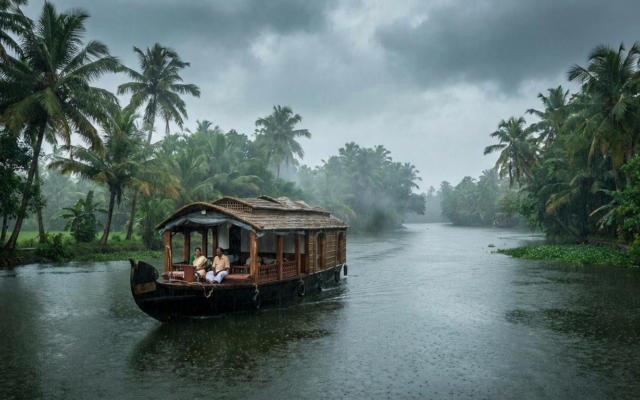
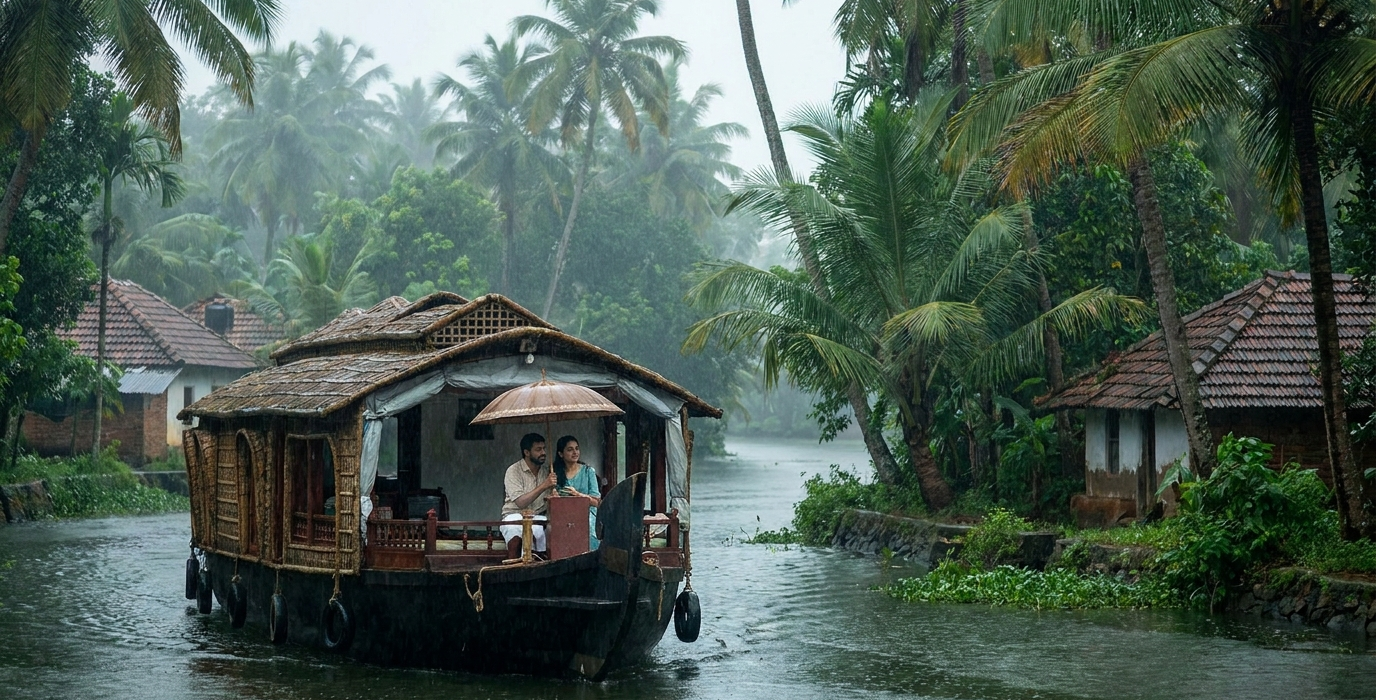
While Alleppey remains the undisputed queen of Kerala’s backwaters, the 2026 monsoon season invites you to explore its quieter, more authentic cousins. Imagine gliding through narrower canals, lined with traditional Kerala homes and vibrant paddy fields, where the only sounds are the gentle lapping of water and the calls of exotic birds. The Kumarakom backwaters, for instance, offer a more tranquil experience, with its bird sanctuary becoming a haven for migratory species during this time.
For an even more intimate glimpse into backwater life, consider the Valiyaparamba backwaters in Kasaragod district. This is one of the largest and most beautiful backwater stretches in Kerala, yet it receives far fewer tourists than its southern counterparts. Here, you can arrange for houseboat stays on smaller, more traditional vessels, allowing you to navigate through villages and interact with local communities. The pace of life is slower, and the connection to nature feels immediate and profound. You can witness fishermen casting their nets in the traditional way and enjoy freshly caught seafood prepared right on the boat.
A surprising fact about these less-travelled backwaters is their ecological richness. The intricate network of canals and lakes supports a diverse array of aquatic life, and the surrounding vegetation plays a crucial role in the local ecosystem. During the monsoon, this biodiversity is at its peak, creating a truly immersive natural spectacle. Exploring these areas in 2026 offers a chance to support sustainable tourism and experience the true heart of rural Kerala.
Marayoor: The Land of Sandalwood and Ancient Dolmens
Venture inland from the coast, and you’ll discover Marayoor, a captivating destination in the Idukki district that truly comes alive during the monsoon. Nestled on the eastern slopes of the Western Ghats, Marayoor is renowned for its natural sandalwood forests, an aroma that permeates the very air. The rain revitalizes these ancient trees, making the forests an even more enchanting place to explore in 2026. Guided walks through these forests offer a chance to learn about the unique flora and fauna, and the sustainable practices used to protect the sandalwood trees.
Marayoor is also a treasure trove of history, dotted with prehistoric dolmens and megalithic burial sites. These ancient structures, some dating back thousands of years, add an element of mystery and intrigue to the landscape. Imagine standing amidst these stone monuments, with the mist rolling in and the sound of rain as your companion. It’s a profound connection to the past, set against the backdrop of Kerala’s stunning natural beauty.
Beyond its natural and historical significance, Marayoor is also known for its unique sugarcane cultivation and jaggery production. The monsoon rains are crucial for the growth of sugarcane, and you can visit local farms to witness the traditional methods of jaggery making. Tasting this freshly made, organic jaggery, with its rich, earthy flavour, is a culinary experience you won’t soon forget. A surprising fact: Marayoor is the only place in Kerala where natural sandalwood trees grow, and the government strictly controls their harvesting, making any encounter with these majestic trees even more special.
The Ayurvedic Revival: Healing Amidst the Rains
The monsoon season in Kerala is traditionally considered the most auspicious time for Ayurvedic treatments. This period, known as ‘Varsha Ritu’, is believed to be ideal for rejuvenation and detoxification therapies. The atmosphere is cooler and more tranquil, and the humidity helps in opening up the pores of the body, making it more receptive to herbal oils and treatments. For 2026, consider incorporating a wellness retreat into your monsoon itinerary for a truly revitalizing experience.
Ayurvedic centres across Kerala, from the serene backwaters to the mist-clad hills, offer specialized monsoon packages. These often include Abhyanga (oil massage), Shirodhara (a stream of warm oil poured on the forehead), and various Panchakarma therapies designed to purify the body and mind. Imagine undergoing these age-old healing practices while the rain patters gently outside your treatment room. It’s an experience that combines deep relaxation with holistic well-being.
Many resorts and dedicated wellness centres offer these treatments. You can find options ranging from luxury resorts in Kovalam to more secluded, traditional centres in places like Palakkad. The key is to choose an authentic centre with qualified practitioners. A surprising insight: the ‘monsoon detox’ is not just about physical cleansing; it’s also deeply psychological, as the change in weather and the focus on self-care can lead to significant mental and emotional rejuvenation. This makes the monsoon an ideal time to invest in your overall health.
Beyond the Usual Hills: Exploring the Western Ghats’ Lesser-Known Peaks
While Munnar and Wayanad are popular hill stations, the Western Ghats of Kerala offer a multitude of other enchanting destinations that are particularly captivating during the monsoon of 2026. Consider the charming hill town of Vagamon, known for its verdant meadows, pine forests, and striking rock formations. The misty landscape here during the rains creates an ethereal beauty, perfect for leisurely walks and quiet contemplation. You can explore the famous Thangal Hill, Pine Forest, and the vast meadows that seem to stretch endlessly.
Another gem is the Nelliyampathi hill station in Palakkad district. This is a series of hills offering breathtaking views, sprawling tea and coffee plantations, and a rich biodiversity. The journey to Nelliyampathi itself is scenic, with winding roads offering glimpses of waterfalls and lush valleys. During the monsoon, the waterfalls are at their most spectacular, and the entire region is cloaked in a vibrant green hue. You can visit the Seethakundam waterfalls or take a trek to the orange farms that dot the hillsides.
For the adventurous, the Agasthyarkoodam peak, though often challenging, offers a unique experience during the monsoon for those who are prepared. The trek is usually restricted during heavy rains, but with proper guidance and permits, it can be a rewarding journey through pristine forests teeming with life. A surprising fact about these lesser-known hill stations is their role as crucial biodiversity hotspots. The increased rainfall during the monsoon season revitalizes the flora and fauna, making them even more vital for conservation efforts and offering unique opportunities for nature enthusiasts in 2026.
Cultural Immersion: Festivals and Flavours of the Monsoon
The monsoon season in Kerala is not just about natural beauty; it’s also a time of vibrant cultural celebrations and unique culinary experiences. While the famous Thrissur Pooram might be before the peak rains, many local festivals and temple celebrations take place during the monsoon months. These events offer a fascinating glimpse into the traditions and faith of Kerala’s people. Participating in or witnessing these local gatherings provides an authentic connection to the region’s soul.
The culinary landscape also undergoes a delightful transformation. The fresh rains bring forth an abundance of local produce, including a variety of mushrooms, tubers, and leafy vegetables that are unique to the season. Many traditional dishes are best enjoyed during the monsoons, such as ‘Pazham Pori’ (fried banana fritters) and ‘Unni Appam’ (sweet rice fritters), often enjoyed with a hot cup of tea. The rains also make the seafood, particularly fish from the backwaters and coast, exceptionally flavourful.
Consider visiting during the Onam festival, which often falls in late August or early September, marking the harvest season. Even though it’s post-monsoon, the lingering freshness in the air and the vibrant spirit of the festival, with its flower carpets (Pookalam) and elaborate feasts (Sadya), make it a truly magical time. A surprising cultural aspect is the tradition of ‘Karkidaka Kanji’ or monsoon porridge, a medicinal rice gruel believed to boost immunity and prepare the body for the changing season. Experiencing these local customs in 2026 will enrich your journey immeasurably.
Frequently Asked Questions
What is the best time to visit Kerala during the monsoon in 2026?
The monsoon season in Kerala typically runs from June to September. The heaviest rainfall is usually in July and August. For those seeking lush greenery and full waterfalls, this period is ideal. If you prefer slightly less rain but still enjoy the monsoon’s charm, late September can be a good compromise.
Are there any specific health precautions for travelling to Kerala during the monsoon?
Yes, it’s advisable to carry mosquito repellent, as stagnant water can attract them. Drink only bottled or purified water. Ensure you have rain gear like umbrellas and waterproof footwear. If you plan on Ayurvedic treatments, consult your doctor beforehand, especially if you have pre-existing conditions.
Can I still enjoy houseboat rides during the monsoon?
Absolutely! Houseboat rides are a wonderful experience during the monsoon. The backwaters are fuller, and the surrounding landscape is incredibly vibrant. Many houseboats are well-equipped to handle the rain, offering covered decks for you to enjoy the views without getting wet. It’s often a more serene experience with fewer crowds.
What kind of clothing should I pack for a Kerala monsoon trip in 2026?
Pack light, quick-drying fabrics like cotton and linen. Include a waterproof jacket or poncho, and comfortable waterproof footwear. Carry an umbrella. Since it’s humid, avoid heavy materials. Pack swimwear if your accommodation has a pool, but be mindful of the weather.