Key Takeaways
- Proactive checks are crucial: Inspecting roofs, gutters, and drainage systems before the monsoon strikes can prevent significant water damage and costly repairs.
- Invest in smart waterproofing: Modern waterproofing solutions are more effective and longer-lasting, offering peace of mind during heavy downpours.
- Electrical safety is paramount: Understand the risks of water ingress in electrical systems and take necessary precautions to avoid hazards.
- Emergency preparedness is key: Having an emergency kit and a plan in place ensures you and your family are safe and comfortable if the worst happens.
The Looming Monsoon: Your 2026 Home Defence Strategy
The monsoon clouds are gathering, and as we head into the heart of the 2026 rainy season, it’s time to shift our focus from sunny skies to potential downpours. For millions across India, the annual deluge brings not just relief from the heat but also the perennial threat of water damage to our homes. This year, let’s approach the monsoon with a proactive strategy, turning potential chaos into manageable preparedness. We’ll walk you through the essential steps to safeguard your property, from the rooftop to the foundation, ensuring your home remains a sanctuary, not a source of stress.
Ignoring the early signs of wear and tear can lead to catastrophic failures when the heavens open. A little foresight now can save you immense heartache and expense later. We’re talking about preventing leaky ceilings in your living room during the Mumbai rains, or a flooded basement in Delhi when the Yamuna swells. This guide is designed to equip you with practical, actionable advice, drawing on insights from seasoned home repair experts and meteorological forecasts for the upcoming season.
Roof and Gutter: Your First Line of Defence
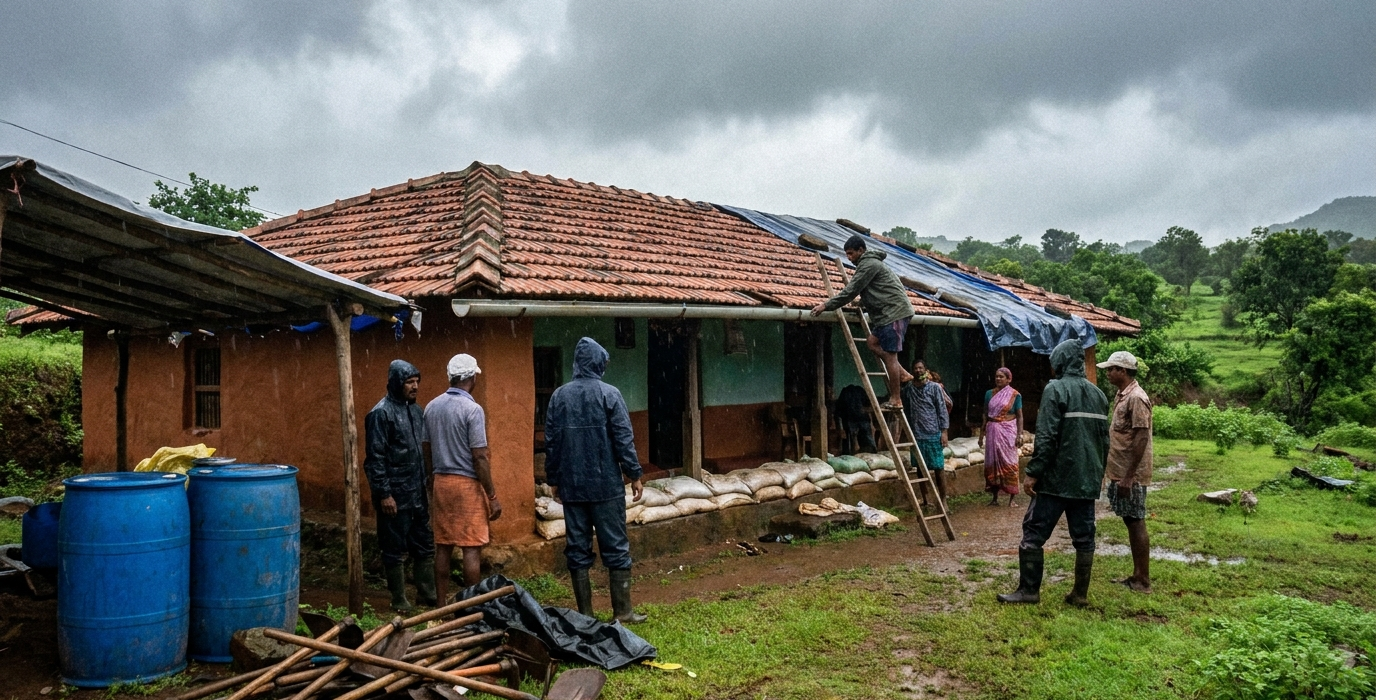
Your roof and gutters are the frontline soldiers against the monsoon. Neglecting them is akin to leaving your fort’s walls unguarded. Start with a thorough visual inspection. Look for any missing or damaged shingles, tiles, or flashing. Pay close attention to the areas around chimneys, vents, and skylights, as these are common entry points for water. If you spot any vulnerabilities, however small, it’s time to call in a professional roofer. Don’t wait for a small leak to become a cascading problem.
Gutters and downspouts are equally critical. They are designed to channel rainwater away from your home’s foundation. Blocked gutters, choked with leaves, debris, or even bird nests, can cause water to overflow. This overflow can then seep into your walls, attics, and basements, leading to dampness, mould, and structural damage. We recommend cleaning your gutters at least twice a year, ideally before the monsoon begins and again in the autumn. Ensure downspouts are clear and directing water at least a few feet away from your house’s foundation.
A surprising fact: Many homeowners overlook the importance of the downspout extensions. These simple plastic or metal tubes can be crucial in ensuring water is directed far enough away. If yours are missing or damaged, consider investing in sturdy ones that can withstand strong winds and heavy rain. For those in areas prone to extreme rainfall, like parts of Kerala or the Northeast, ensure your downspouts are adequately sized and free-flowing.
Waterproofing: The Invisible Shield
Beyond the visible, lies the invisible defence: waterproofing. Modern waterproofing technologies offer robust protection against water ingress, and this is an area where investing now will pay dividends. For balconies, bathrooms, and basements, consider professional waterproofing treatments. These can include liquid-applied membranes, cementitious coatings, or even crystalline waterproofing that penetrates concrete to form a barrier. These are particularly vital for homes in flood-prone cities like Chennai, where waterlogging can be a significant issue.
The foundation of your home is its bedrock, and protecting it from water is non-negotiable. If you notice any cracks in your foundation walls, or damp patches in your basement, it’s a red flag. Cracks can widen over time due to water pressure and freeze-thaw cycles, compromising structural integrity. Seal these cracks promptly using appropriate sealants or epoxy injection techniques. For older homes, especially those with traditional brick or stone foundations, regular inspection and maintenance of the external rendering can prevent moisture absorption.
The cost of professional waterproofing might seem significant upfront, but it pales in comparison to the expenses incurred from repairing water damage, mould remediation, and potential structural repairs. Many companies now offer warranties on their waterproofing services, giving you added peace of mind. Remember to inquire about the specific materials used and their suitability for your region’s climate. A well-waterproofed home is not just safer; it’s also healthier, reducing the risk of mould and mildew growth which can impact respiratory health.
Electrical Safety: Taming the Current
As monsoon rains intensify, so does the risk associated with electrical systems. Water and electricity are a dangerous combination, and it’s imperative to take stringent precautions. Begin by inspecting all external electrical outlets, light fixtures, and wiring. Ensure they are properly sealed and protected from direct water exposure. If you have outdoor appliances or lighting, consider installing waterproof covers or ensuring they are rated for outdoor use in wet conditions.
Inside your home, pay special attention to areas prone to dampness, such as bathrooms and kitchens. Ensure exhaust fans are functioning correctly to reduce humidity. If you have any exposed wiring or sockets that appear damaged or corroded, switch off the power to that circuit immediately and have them repaired by a qualified electrician. Don’t attempt DIY electrical repairs unless you are fully trained, as the risks are too high.
For those living in areas with a history of flooding, consider installing a Residual Current Device (RCD) or Ground Fault Circuit Interrupter (GFCI). These devices can quickly shut off power if they detect an imbalance in the electrical current, which can happen when electricity flows through water. This is a vital safety feature that can prevent electrocution. A surprising fact: Many older homes in India still rely on outdated electrical systems that are not designed to withstand heavy monsoons. Upgrading to modern, safer wiring and protective devices is a wise investment for any homeowner.
Windows and Doors: Sealing the Gaps
Windows and doors, while essential for light and ventilation, can become vulnerable points during heavy rains if not properly sealed. Check the seals and weatherstripping around all your windows and doors. Over time, these can degrade, crack, or become loose, allowing water to seep in. Replacing worn-out weatherstripping is a simple, inexpensive task that can make a significant difference. You can find suitable materials at most hardware stores, and the installation is usually straightforward.
Inspect the frames of your windows and doors for any signs of rot or damage, especially if they are made of wood. Water entering these areas can lead to rot, warping, and a compromised seal. For wooden frames, use a wood filler or sealant to repair minor damage. If the damage is extensive, you may need to consider replacing the entire window or door. This is particularly important for ground-floor windows and any that face prevailing winds during the monsoon.
For sliding doors and large windows, ensure the drainage channels at the bottom are clear. These channels are designed to collect and direct any water that might get past the seals, preventing it from pooling inside. A clogged channel can negate the effectiveness of even the best seals. Regularly clearing these channels of debris will ensure they function as intended. Consider adding a sealant to the bottom track of sliding doors for an extra layer of protection, especially in regions like Goa where humidity is high year-round.
Emergency Preparedness: Beyond the Basics
Even with the best preparations, extreme weather events can sometimes overwhelm defenses. Therefore, having a well-thought-out emergency preparedness plan is crucial. This includes creating an emergency kit. Your kit should contain essentials like non-perishable food items, a first-aid kit, a flashlight with extra batteries, a portable radio, clean water, and any necessary medications. For families with young children or elderly members, specific needs should also be considered.
Familiarize yourself with your local emergency services and evacuation routes. Know who to contact in case of a power outage, flooding, or other monsoon-related emergencies. Keep important documents, such as insurance policies and identification, in a waterproof container or accessible digital format. This can be incredibly helpful if you need to file claims or prove ownership after an event.
Moreover, securing outdoor furniture and other loose items that could be blown around in strong winds is essential. This not only protects your property but also prevents damage to your neighbours’ homes. A surprising fact: In many parts of India, community resilience plays a vital role. Establishing contact with neighbours and having a plan to check on each other during severe weather can significantly enhance collective safety and support. Sharing resources and information can be as important as individual preparations.
Frequently Asked Questions
What is the most common type of monsoon-related home damage in India?
The most common types of damage are water seepage through roofs and walls, leading to dampness and mould, and waterlogging in basements or lower floors due to clogged drainage systems. This is particularly prevalent in densely populated urban areas with inadequate drainage infrastructure.
How often should I inspect my roof and gutters?
We recommend a thorough inspection at least twice a year: once before the monsoon season begins (typically in April or May) and again in the post-monsoon period (September or October). This ensures any emerging issues are addressed promptly.
Are there affordable waterproofing solutions for older homes?
Yes, there are several cost-effective options. Simple measures like ensuring proper drainage away from the foundation, sealing visible cracks with appropriate sealants, and re-applying water-repellent coatings to external walls can offer significant protection without breaking the bank. Professional advice can help tailor solutions to your specific needs.
What should I do if my home experiences flooding?
First and foremost, ensure your safety. If the water is rising rapidly, evacuate to higher ground. If it’s safe to do so, turn off the main electricity supply to prevent electrocution. Document the damage with photographs and videos for insurance purposes, and contact your insurance provider as soon as possible. Avoid re-entering your home until it has been declared safe by authorities.