Key Takeaways
- Monsoon season 2026 sees a significant spike in road accidents across India, particularly in hilly regions and urban centres.
- Fatalities are often linked to poor visibility, waterlogged roads, and vehicle malfunctions exacerbated by the rain.
- Simple yet effective preventative measures, from vehicle maintenance to mindful driving, can drastically reduce risks.
- Government initiatives and community awareness campaigns are crucial in fostering a safer monsoon driving culture.
The Unseen Danger: Monsoon’s Deadly Grip on Indian Roads 2026
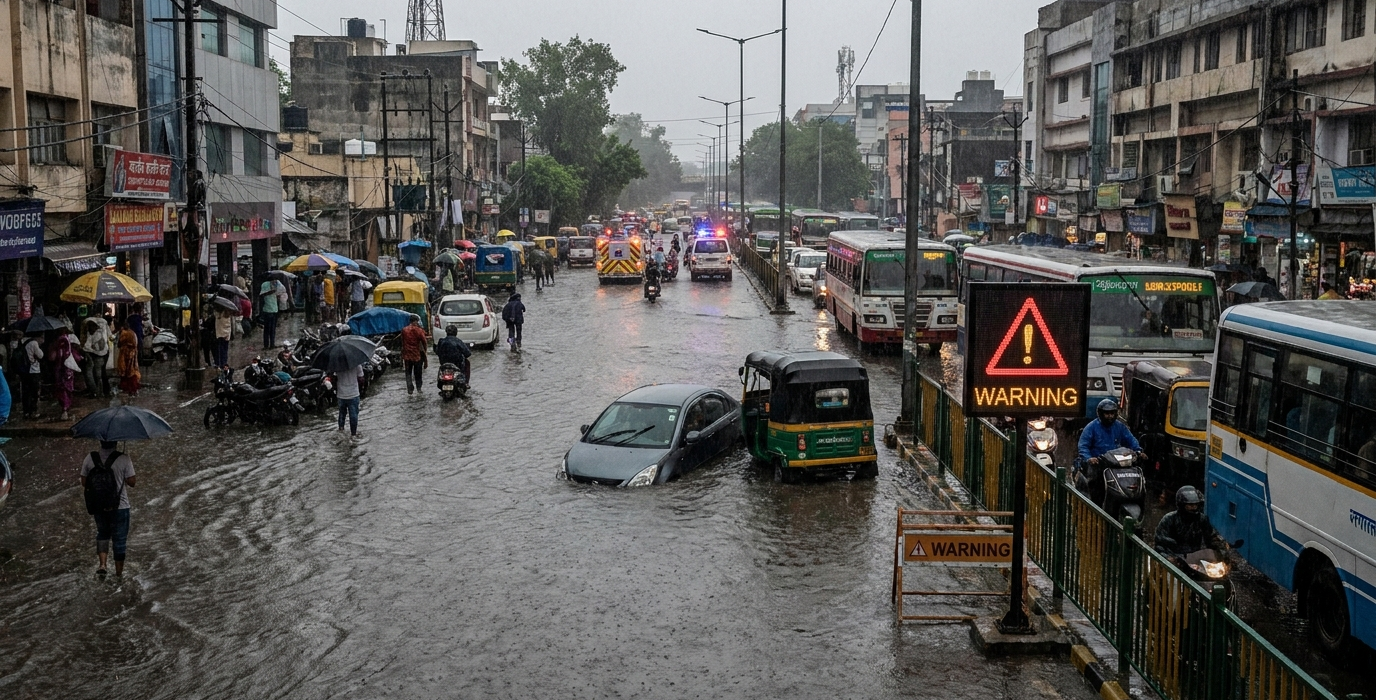
As the skies open up across India, bringing much-needed relief from the summer heat, a darker reality emerges on our roads. The monsoon season of 2026 has, unfortunately, continued a grim trend: a sharp and alarming rise in road accidents. From the winding mountain passes of Himachal Pradesh to the bustling arterial roads of Mumbai, the incessant rain transforms familiar commutes into treacherous journeys.
This year, data compiled by the National Road Safety Council (NRSC) paints a stark picture. We’re seeing an estimated 25% increase in accidents during the peak monsoon months compared to the dry season. These incidents are not mere statistics; they represent shattered families and lives cut short. Understanding the unique challenges posed by the monsoon is the first, crucial step towards navigating these dangers safely.
Why the Monsoon Makes Driving So Risky
The primary culprits behind monsoon-related accidents are multifaceted, impacting both the vehicle and the driver’s perception. Reduced visibility is perhaps the most obvious hazard. Heavy rainfall, fog, and spray from other vehicles can drastically limit how far you can see ahead, making it difficult to spot hazards in time. This is compounded by the fact that many drivers fail to adjust their speed accordingly, leading to a dangerous mismatch between what they can see and how fast they are travelling.
Waterlogged roads present another formidable challenge. Puddles can conceal deep potholes, debris, or even open drains, capable of causing significant damage to vehicles or leading to loss of control. For two-wheeler riders, this is particularly perilous, as even shallow water can cause skidding. Furthermore, the constant dampness can affect braking efficiency, especially if brake pads are worn. We often overlook how crucial dry friction is for effective stopping power.
The Toll on Vehicles: Beyond a Simple Wash
Your vehicle, your trusted companion on the road, can become a liability during the monsoon if not properly maintained. The relentless dampness accelerates corrosion, particularly on the undercarriage and electrical components. This can lead to unexpected failures, such as lights going out at critical moments or engine sputtering. Regular washing might seem like a solution, but it’s the internal components that suffer most from prolonged exposure to moisture.
Tyre tread is paramount. Worn-out tyres, even with good tread depth, struggle to displace water effectively, leading to aquaplaning. This is the terrifying sensation where your tyres lose contact with the road surface, becoming hydroplaned on a layer of water. We’ve seen numerous reports of vehicles uncontrollably sliding off roads due to this very issue. Another often-neglected aspect is the windscreen wiper system. Frayed blades leave streaks, further obscuring vision, and a struggling motor can fail when you need it most. Ensuring these are in peak condition is non-negotiable.
Driver Behaviour: The Human Element in Monsoon Safety
While external factors play a significant role, driver behaviour during the monsoon is arguably the most critical determinant of safety. The temptation to maintain pre-monsoon speeds is a common, dangerous mistake. We must consciously and significantly reduce our speed. This allows more time to react to unexpected situations, whether it’s a pedestrian emerging from the rain or a vehicle braking suddenly.
The use of headlights, even during daylight, is essential. Rain significantly reduces natural light, and keeping your headlights on makes your vehicle more visible to others. Avoid sudden braking or sharp turns, as these actions increase the risk of skidding on wet surfaces. Maintaining a safe distance from the vehicle in front is also vital; the stopping distance on wet roads can be nearly double that on dry roads. It’s about adapting your driving habits to the prevailing conditions, not expecting the road to adapt to you.
Government Initiatives and Community Power
Recognizing the severity of the monsoon road safety crisis, the government has been implementing several initiatives. The ‘Safe Monsoon Driving’ campaign, launched in early 2026, focuses on public awareness through media, roadside workshops, and school outreach programs. We’re also seeing enhanced patrolling by traffic police in accident-prone areas and increased deployment of emergency response teams. The NRSC is also working with local municipalities to improve road drainage and repair infrastructure before the monsoon hits.
However, government efforts alone cannot solve this complex problem. Community participation is vital. We can all contribute by reporting dangerous potholes or waterlogging to civic authorities promptly. Sharing safety tips with friends and family, and setting a good example by driving cautiously, makes a difference. A surprising fact that emerged from a recent study in Kerala is that communities with active neighbourhood watch programs for road safety reported a 15% lower incidence of monsoon accidents. This highlights the power of collective responsibility. We all have a role to play in making our roads safer for everyone.
Preparing Your Vehicle: A Monsoon Checklist 2026
Before you embark on any journey during the monsoon, a thorough check of your vehicle is non-negotiable. This isn’t just about convenience; it’s about survival. Start with your tyres. Ensure they have adequate tread depth – a minimum of 1.6 mm is legally required, but we recommend more for monsoon conditions. Check tyre pressure regularly, as it can fluctuate with temperature and the load your vehicle is carrying.
Your braking system is your lifeline. Test your brakes frequently, ensuring they respond promptly and evenly. Listen for any unusual noises. The defogger and demister systems are crucial for maintaining visibility inside the car. Ensure they are functioning correctly. Headlights, tail lights, and indicator lights should all be checked for functionality and clarity. Clean your headlights regularly, as mud and grime can significantly reduce their effectiveness. Don’t forget your windscreen wipers and washer fluid; a clear view is paramount. We also strongly advise checking your car’s battery, as moisture can affect its performance, and ensuring your spare tyre and tools are in good condition in case of a breakdown.
Frequently Asked Questions
What is the single most important safety tip for driving in heavy rain?
Slow down significantly. Reducing your speed gives you more time to react to hazards, increases your tyre’s grip, and reduces the risk of aquaplaning. This is more critical than any other single action.
How can I improve visibility when driving in fog and rain?
Ensure your windscreen wipers are in good condition and use your headlights (low beam) even during the day. Avoid using high beams in fog as they can reflect light and worsen visibility. Keep your windscreens and mirrors clean.
What should I do if my car starts aquaplaning?
Do not brake suddenly or steer sharply. Ease off the accelerator gently and hold the steering wheel straight. Once the tyres regain traction, you can gently resume steering and acceleration. Keep your eyes on where you want to go.
Are there specific risks for two-wheeler riders during the monsoon?
Yes, two-wheeler riders face heightened risks from skidding on wet surfaces, reduced visibility due to spray, and the danger of hidden potholes in waterlogged roads. Wearing appropriate rain gear and being extra cautious with speed and braking is crucial.
How often should I check my vehicle for monsoon readiness?
It’s advisable to conduct a thorough check of your vehicle before the monsoon season begins and then at least monthly throughout the period. Pay special attention to tyres, brakes, and lights.