Key Takeaways
- Bengaluru witnessed an unprecedented 150% surplus rainfall in the 2026 monsoon season, shattering previous records and impacting city infrastructure.
- The excessive rain has led to significant waterlogging, traffic disruptions, and increased risks of waterborne diseases, necessitating urgent public health advisories.
- While immediate challenges are severe, the long-term implications include improved groundwater recharge but also potential agricultural damage and strain on urban drainage systems.
- Citizens can take proactive steps like securing property, monitoring health, and engaging with local authorities for community-led mitigation efforts.
Bengaluru Drenched: A Monsoon Unlike Any Other in 2026
The skies over Bengaluru have opened up with a ferocity rarely seen, marking the 2026 monsoon season as one for the history books. We’re not just talking about a few extra showers; we’re witnessing an unprecedented deluge. Initial data from the India Meteorological Department (IMD) indicates a staggering 150% surplus in rainfall compared to the long-period average, a figure that has sent shockwaves through meteorological circles and, more importantly, through the lives of every Bengalurean.
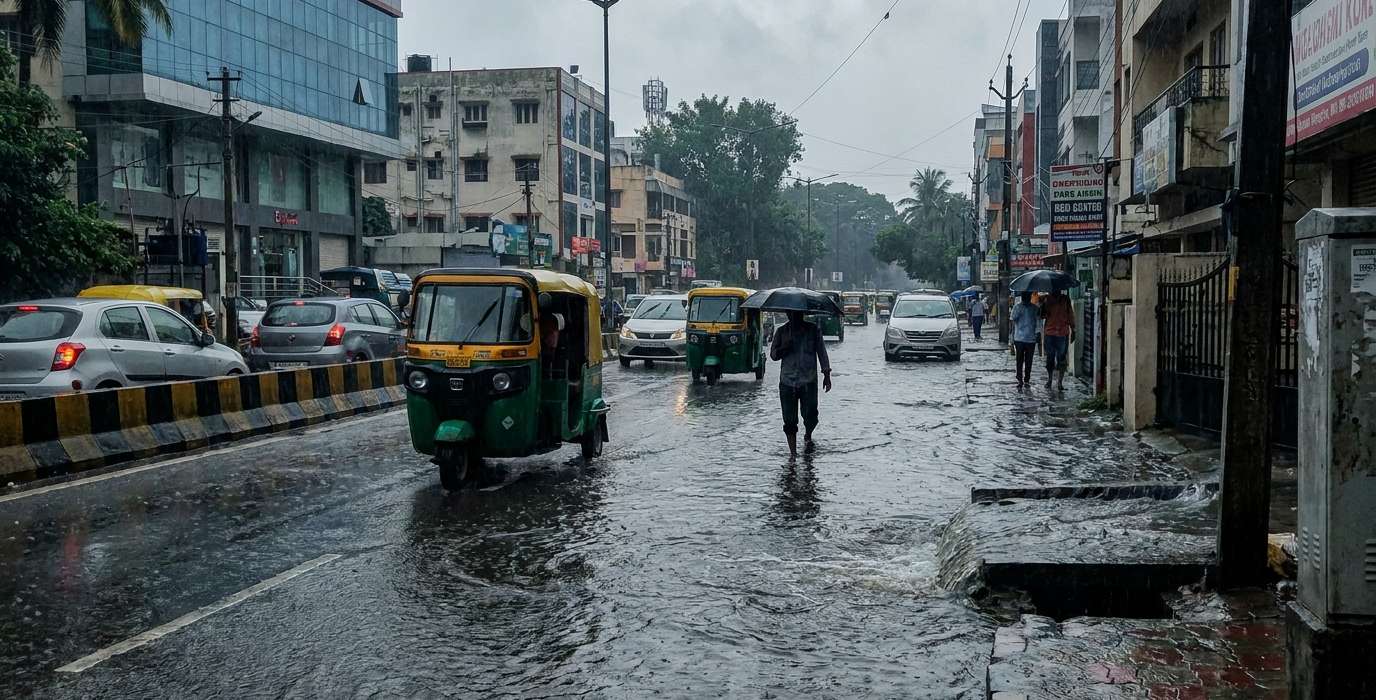
This isn’t merely a statistic; it’s a lived reality. Areas like Koramangala and Marathahalli, typically prone to waterlogging, have transformed into temporary lakes. The iconic Ulsoor Lake has swelled to its banks, a beautiful but concerning sight. The sheer volume of water has overwhelmed the city’s drainage systems, built to handle far less extreme conditions. We’ve seen cars submerged and daily commutes turn into perilous aquatic adventures. The city, once lauded for its IT prowess, is now grappling with the fundamental challenge of managing excess water.
The implications extend far beyond mere inconvenience. This sustained, intense rainfall is a stark reminder of our planet’s changing climate and its direct impact on our urban centers. While a surplus can be beneficial for groundwater, the scale of this event poses immediate and significant threats that we, as residents and as a city, must confront head-on. Understanding the nuances of this extraordinary monsoon is crucial for navigating the coming weeks and months.
The Immediate Fallout: Infrastructure Under Siege
The most visible consequence of Bengaluru’s 2026 monsoon has been the crippling impact on urban infrastructure. Roads have become impassable, turning familiar cityscapes into frustrating obstacle courses. The daily grind for commuters has intensified, with longer travel times and increased risk of accidents. The sheer volume of water has tested the resilience of our roads, bridges, and underpasses, leading to reports of damage and structural concerns in several older areas of the city.
Beyond the visible, there are deeper, more insidious impacts. The prolonged waterlogging creates a breeding ground for mosquitoes and other disease vectors. Public health officials are issuing urgent advisories about the heightened risk of waterborne illnesses such as dengue, malaria, and leptospirosis. We’re seeing an uptick in reported cases, particularly in low-lying areas where water has stagnated for extended periods. Access to clean drinking water is also becoming a concern for many, as groundwater sources get contaminated and municipal supply lines are compromised.
The economic repercussions are also significant. Businesses in low-lying areas have suffered losses due to flooding and disruption of supply chains. The informal economy, which relies heavily on daily movement and trade, is particularly vulnerable. Farmers on the outskirts of the city, while benefiting from soil moisture, are also facing challenges with crop damage from excessive rain and potential waterlogging of fields. This extreme event is a multi-faceted crisis, demanding a coordinated response from all stakeholders.
Beyond the Deluge: Long-Term Implications for Bengaluru
While the immediate crisis demands our attention, the long-term implications of this record-breaking monsoon are equally profound. On the positive side, the unprecedented rainfall offers a significant boost to groundwater recharge. After years of water scarcity and concerns over depleting aquifers, this deluge could replenish underground reserves, a vital resource for a city like Bengaluru that relies heavily on borewells. This could potentially alleviate some of the long-term water stress the city has been facing.
However, this benefit comes with a caveat. The sheer volume of water and the speed at which it inundates the city suggest that our existing infrastructure is woefully inadequate. The strain on the drainage system is immense, and unless there are significant upgrades and a paradigm shift in urban planning, such extreme events will continue to paralyze the city. We need to move beyond reactive measures and invest in smart, sustainable drainage solutions that can handle these climatic extremes.
Furthermore, the agricultural belt surrounding Bengaluru, while receiving much-needed water, could also face adverse effects. Excessive moisture can damage crops, lead to fungal diseases, and make harvesting difficult. This could impact food security and the livelihoods of farmers. The interconnectedness of urban and rural environments means that challenges in one sphere inevitably spill over into the other. This monsoon is a wake-up call for us to build a more resilient city and a more sustainable relationship with our natural environment.
Navigating the Storm: What You Can Do
As residents of Bengaluru, facing this extraordinary monsoon requires a proactive and informed approach. First and foremost, prioritize your safety and that of your family. Stay indoors during heavy downpours, avoid unnecessary travel, and be aware of potential hazards like fallen trees and power lines. If you live in a low-lying area, take precautions to protect your property from water damage. Sandbags, temporary barriers, and securing valuables can make a significant difference.
Staying informed is also paramount. Monitor weather alerts and advisories from official sources like the IMD and the local authorities. Pay close attention to public health advisories regarding water safety and disease prevention. Ensure your drinking water is purified and that you practice good hygiene to minimize the risk of waterborne illnesses. Keeping your surroundings clean and free of stagnant water is a crucial community effort.
Engage with your local community and resident welfare associations. Sharing information and resources can help amplify efforts and ensure that vulnerable populations receive the support they need. Many NGOs and community groups are already stepping up to provide assistance. Your participation, whether through volunteering or raising awareness, can have a tangible impact. This is a time for collective action and mutual support.
The Role of Technology and Future Preparedness
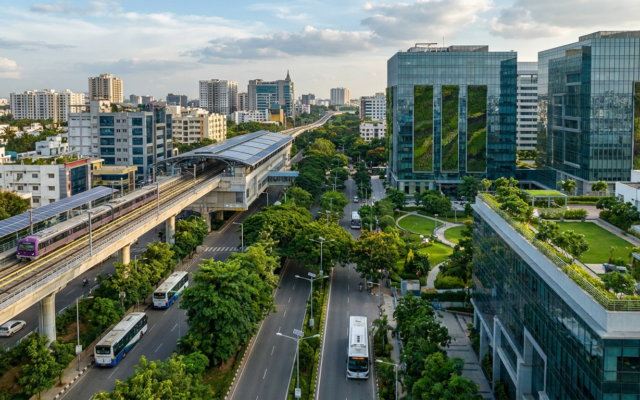
Bengaluru, the Silicon Valley of India, is uniquely positioned to leverage technology for monsoon management. This year’s deluge has highlighted the urgent need for smarter urban planning and infrastructure adaptation. We are already seeing discussions around implementing advanced sensor networks to monitor water levels in real-time, predict flooding hotspots, and optimize drainage operations. This data-driven approach can revolutionize our response mechanisms.
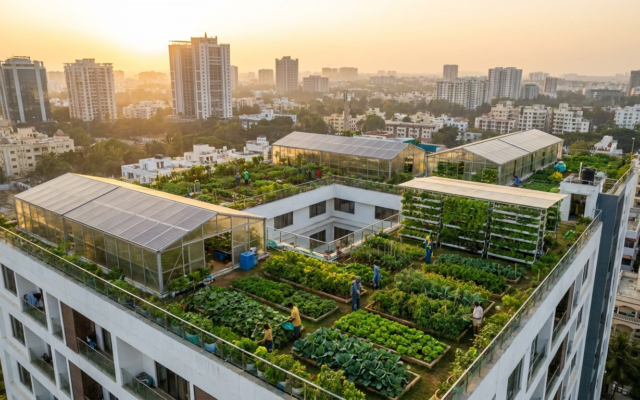
Furthermore, the city administration is exploring innovative solutions for water management. This includes promoting rainwater harvesting on a larger scale, not just in individual buildings but through community-level projects. The concept of “sponge cities” – urban areas designed to absorb, clean, and reuse rainwater – is gaining traction. Integrating green infrastructure, such as permeable pavements and urban forests, can significantly enhance the city’s capacity to manage excess water.
The lessons from the 2026 monsoon must translate into long-term policy and investment. This means a commitment to upgrading our aging drainage systems, enforcing stricter building regulations to prevent construction in flood-prone areas, and investing in early warning systems. We need a comprehensive, forward-looking strategy that anticipates future climatic challenges, rather than merely reacting to them. The future resilience of Bengaluru depends on the choices we make today.
A Surprising Ecological Silver Lining?
Amidst the disruption, there’s a fascinating, albeit often overlooked, ecological aspect to this extreme rainfall. The prolonged saturation of soil, particularly in the buffer zones and green spaces around Bengaluru, is providing a much-needed respite for the region’s flora and fauna. Experts are noting a significant increase in the vibrancy of vegetation, with many plant species experiencing a growth spurt. This is a direct consequence of the ample water availability, which has been scarce in many areas during previous dry spells.
Even more surprisingly, the heightened water levels in tanks and lakes are attracting a greater diversity of migratory birds to the city’s outskirts and lakes, including some species not commonly sighted in recent years. Ornithologists report observations of waders and waterfowl, indicating that the replenished water bodies are becoming attractive stopover points. This ecological boom, though temporary, underscores the delicate balance of our environment and how even extreme weather can, in some aspects, restore natural cycles.
“This monsoon has been a harsh teacher, reminding us that our urban growth must be in harmony with nature, not in defiance of it. The challenge now is to translate this lesson into lasting change.”
However, we must temper this ecological optimism with caution. The long-term health of these ecosystems depends on sustainable water management. If the excess water leads to pollution or soil erosion, the benefits will be short-lived. The key is to channel this abundance of water effectively, ensuring it nourishes the environment rather than damaging it. This unprecedented event offers a unique opportunity to reassess our relationship with the natural world and integrate ecological preservation into our urban development plans.
Frequently Asked Questions
What are the main health risks associated with this monsoon?
The primary health risks include waterborne diseases like dengue, malaria, typhoid, and leptospirosis due to contaminated water and increased mosquito breeding. Public health advisories urge residents to drink purified water and maintain hygiene.
How can I protect my property from flooding?
If you are in a flood-prone area, use sandbags or temporary barriers to prevent water from entering your home. Ensure your drainage systems are clear and consider elevating valuable items. Stay updated on local advisories for evacuation if necessary.
Will this heavy rainfall solve Bengaluru’s long-term water scarcity issues?
While the surplus rain will significantly recharge groundwater aquifers, it is not a permanent solution. Sustainable water management practices, including rainwater harvesting and reducing wastage, are still crucial for long-term water security.
What is the government doing to address the monsoon crisis?
Authorities are focused on rescue and relief operations, clearing waterlogged areas, and providing medical aid. Long-term measures include upgrading drainage infrastructure, implementing smart city technologies for water management, and promoting rainwater harvesting.
How will this monsoon affect traffic in Bengaluru?
The monsoon has caused severe traffic disruptions due to waterlogging and road damage. Commutes are significantly longer, and many routes may be impassable during heavy rainfall. It is advisable to check real-time traffic updates before traveling.