Key Takeaways
- Mumbai’s food scene in 2026 is a vibrant fusion of global influences and deep-rooted Indian traditions.
- Expect a rise in sustainable dining, with a focus on locally sourced, seasonal ingredients and plant-forward menus.
- Interactive dining experiences are gaining traction, blurring the lines between diner and chef.
- Look out for novel flavour pairings, especially the adventurous use of Indian spices in unexpected contexts.
- Ghost kitchens and curated meal kits are transforming home dining, offering convenience without compromising quality.
The ‘New Local’ Movement: From Farm to Fork, Reimagined
Mumbai’s culinary landscape in 2026 is buzzing with a profound commitment to the ‘new local’ movement. This isn’t just about sourcing ingredients from nearby farms; it’s a holistic approach that redefines our relationship with food. Chefs are forging direct ties with farmers in districts like Palghar and Raigad, ensuring peak freshness and supporting local economies. You’ll find menus that change weekly, even daily, dictated by what’s in season. This focus on seasonality translates to brighter, more vibrant flavours, a far cry from the often-homogenised tastes of mass-produced ingredients.
The ‘new local’ also extends to rediscovering forgotten indigenous ingredients. Think ancient grains like Kodo millet and Barnyard millet, once staples, are now making a sophisticated comeback in artisanal breads and delicate desserts. We’re also seeing a resurgence of heritage vegetables and fruits, celebrated for their unique textures and nutritional profiles. This movement is driven by a growing awareness among Mumbaikars about the environmental impact of food miles and a desire for transparency in their food’s journey. Restaurants are proudly displaying maps of their partner farms, inviting diners to connect with the source of their meals. This conscious consumption is becoming not just a trend, but a core value.
Farm-to-Table with a Tech Twist
Surprisingly, this hyperlocal trend is being amplified by technology. Blockchain is being piloted in some high-end establishments to trace ingredients from farm to plate, offering diners unparalleled assurance of provenance and ethical sourcing. Apps are emerging that connect diners directly with farmers’ markets, enabling pre-orders of produce that would otherwise be unavailable in city markets. This digital bridge fosters a deeper connection between the urban consumer and the agricultural backbone of Maharashtra, making the ‘new local’ a dynamic and accessible reality for more people.
The Plant-Forward Palate: Beyond Veganism
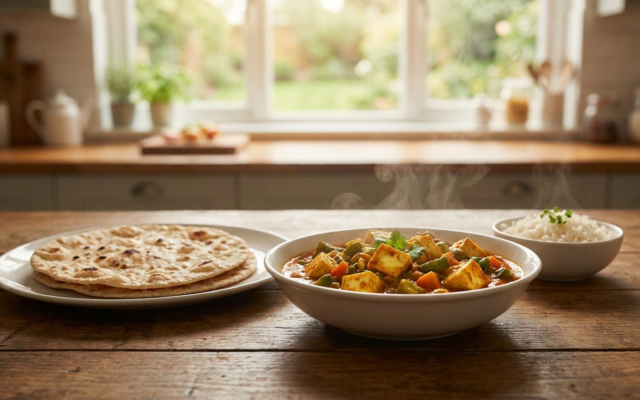
The biggest shift we’re witnessing in 2026 is the mainstreaming of plant-forward dining. This isn’t just about catering to vegans and vegetarians; it’s an invitation for everyone to explore the incredible versatility and flavour potential of vegetables, fruits, grains, and legumes. Menus across Mumbai now feature innovative dishes where plants are the undisputed stars, with meat and seafood playing supporting roles, if present at all. Chefs are employing techniques traditionally reserved for proteins, like fermentation, smoking, and slow-cooking, to bring out the deepest flavours from plant-based ingredients.
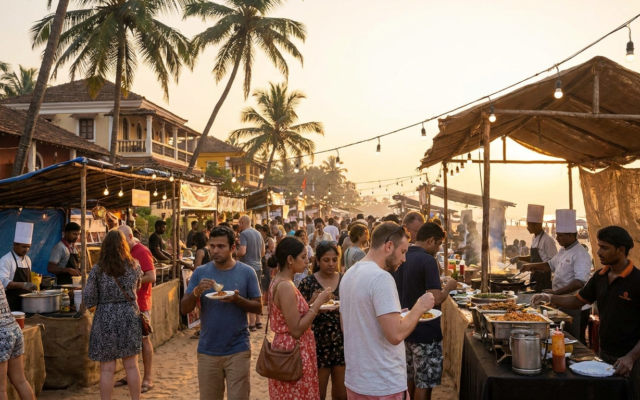
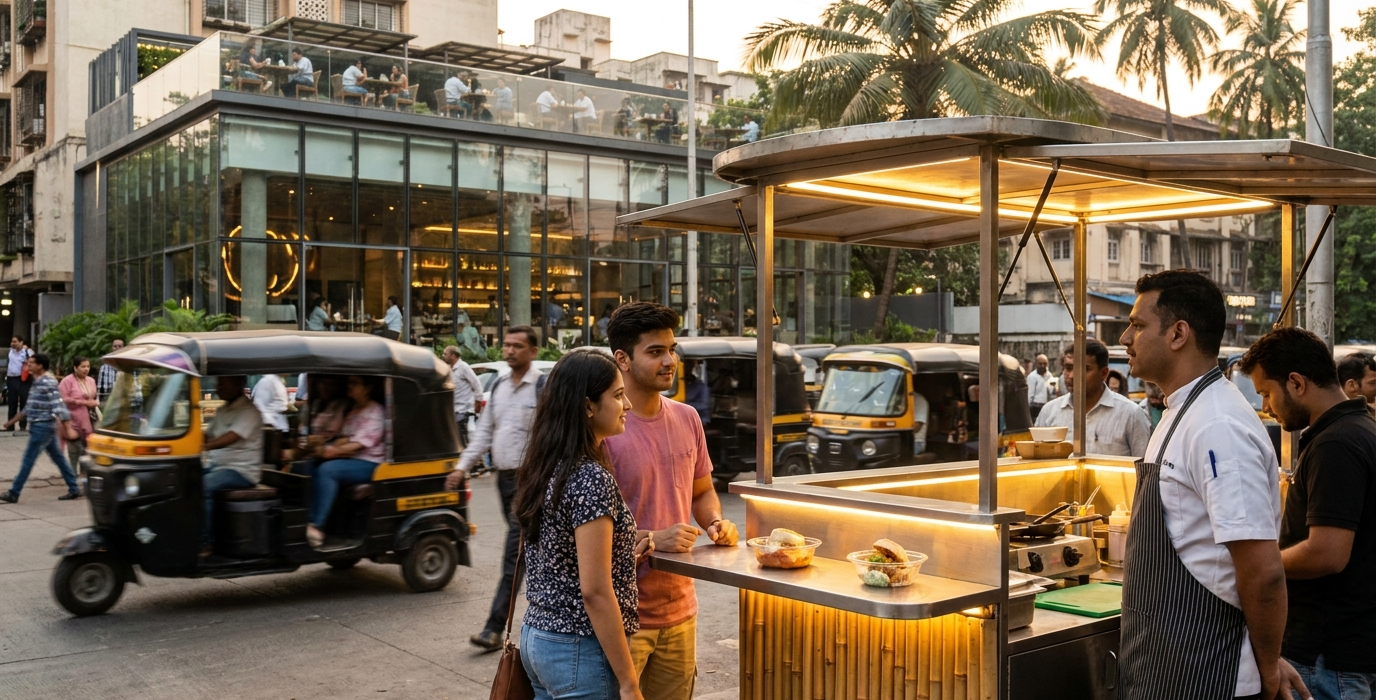
Expect to see jackfruit pulled like pork, cauliflower steaks marinated and grilled to perfection, and creamy sauces made from cashews and sunflower seeds. The focus is on creating deeply satisfying, complex dishes that appeal to all palates. This trend is fuelled by a growing understanding of the health benefits of a predominantly plant-based diet, alongside environmental concerns. It’s also about culinary creativity – chefs are pushing boundaries, proving that plant-based food can be indulgent, exciting, and utterly delicious. From bustling street-side stalls offering creative vegetable chaat to Michelin-aspirational restaurants presenting multi-course plant-focused tasting menus, the plant-forward palate is everywhere.
The Rise of ‘Mushroom Magic’
One particularly exciting development is the elevation of fungi. Mushrooms, in all their diverse glory, are becoming a hero ingredient. Beyond the common button mushrooms, we’re seeing exotic varieties like Oyster, Shiitake, and Enoki showcased in innovative ways. They’re being used to create umami-rich broths, meaty burger patties, and delicate garnishes. Mumbai’s humid climate, surprisingly, is conducive to local mushroom cultivation, and chefs are capitalising on this, offering freshly harvested varieties that are rarely found in supermarkets. This elevates the humble mushroom to a gourmet experience.
Global Flavours, Indian Soul: Fusion Reimagined
Mumbai has always been a melting pot, and its culinary scene in 2026 is a testament to this, but with a new level of sophistication in fusion. It’s no longer just about slapping a sauce from one cuisine onto a dish from another. Instead, we’re seeing thoughtful integration, where techniques and flavour profiles from around the world are artfully married with the soul of Indian cooking. This results in dishes that are both familiar and thrillingly new. Think Korean gochujang finding its way into a rich Maharashtrian curry, or Peruvian ceviche reimagined with kokum and local herbs.
This trend is driven by a generation of chefs who have travelled extensively, trained globally, and returned home with a deep appreciation for their roots. They understand the nuances of Indian spices and cooking methods, allowing them to weave foreign elements in seamlessly. The result is a dining experience that is globally inspired yet uniquely Indian. You’ll find Japanese ramen broth infused with the warmth of garam masala, or Italian pasta served with a spicy Chettinad ragu. It’s a celebration of diversity, creating a truly cosmopolitan palate for Mumbaikars and visitors alike.
The Unexpected Spice Symphony
A particularly fascinating aspect of this fusion trend is the adventurous use of Indian spices in non-Indian contexts. We’re seeing cardamom in cocktails, fenugreek in artisanal ice cream, and black pepper as a finishing spice on delicate European pastries. Chefs are deconstructing traditional spice blends and applying individual spices with precision to highlight specific notes in global dishes. This meticulous approach elevates the humble spice rack into a complex palette for global flavour creation. It’s a testament to the versatility of Indian ingredients, proving they can enhance, not just dominate, any culinary creation.
Interactive Dining: The Chef’s Table Comes to You
The year 2026 is a landmark for interactive dining experiences in Mumbai. The traditional chef’s table has evolved, moving beyond the exclusive confines of a few fine-dining establishments. We’re now seeing more accessible and varied formats that bring the kitchen to the diner, fostering a sense of engagement and culinary education. This can range from a live sushi-rolling station at a pan-Asian restaurant to a build-your-own chaat counter where diners assemble their favourite combinations under the guidance of a chef. The goal is to demystify the cooking process and create a memorable, participatory meal.
This trend is driven by a desire for authenticity and a deeper connection with the food we eat. Diners want to understand where their food comes from and how it’s prepared. Interactive elements allow for immediate feedback and customisation, catering to individual preferences in real-time. Imagine a pasta-making class that culminates in enjoying the dish you’ve created, or a tandoor demonstration where you can watch your naan being expertly baked. These experiences are not just about eating; they’re about learning, creating, and sharing.
DIY Desserts and Custom Concoctions
A particularly popular iteration of this trend is in the dessert space. Many cafes and restaurants now offer “build-your-own” dessert bars, where you can select your base (like brownies or pancakes), your sauces, toppings, and even ice cream flavours. This DIY approach extends to beverage stations, with custom mocktail and cocktail bars becoming a staple at events and some restaurants. Diners are actively involved in crafting their sweet or savoury finales, making each meal a personalised masterpiece. This is more than just a trend; it’s a fundamental shift in how we perceive and enjoy our meals.
The Ghost Kitchen Revolution: Elevated Home Dining
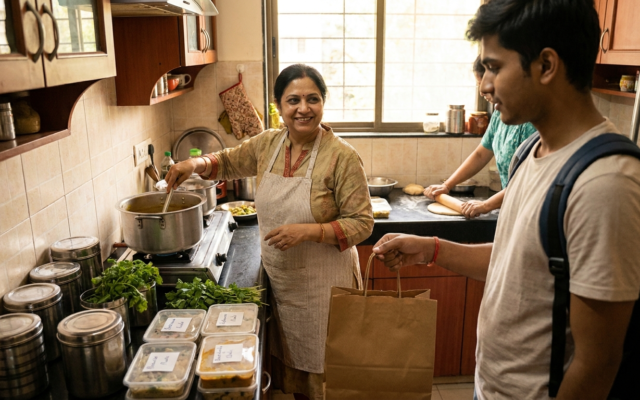
The ghost kitchen phenomenon, which gained significant momentum in recent years, has matured into a sophisticated model in 2026, revolutionising home dining in Mumbai. These delivery-only kitchens operate without a physical storefront, focusing solely on preparing high-quality meals for home delivery. This model allows for greater specialisation and efficiency, leading to consistently excellent food that travels well. You’re no longer limited to the geographical reach of your favourite restaurant; a truly exceptional meal from a kitchen across the city is now just a few taps away.
What’s truly remarkable is the quality and diversity offered by these ghost kitchens. They are not just about quick bites; many are helmed by talented chefs who are experimenting with new concepts and cuisines that might not sustain a traditional brick-and-mortar restaurant. We’re seeing niche offerings like authentic regional South Indian thalis, artisanal sourdough pizzas, and gourmet Korean fried chicken that are all expertly packaged and delivered. This democratisation of high-quality food means that a special meal at home is now more accessible and varied than ever before.
Curated Meal Kits for the Home Chef
Complementing the ghost kitchen surge are curated meal kits. These kits provide pre-portioned ingredients and easy-to-follow recipes, allowing you to recreate restaurant-quality dishes in your own kitchen. Think of it as a guided culinary adventure. Many kits are designed around specific cuisines or dietary preferences, making them incredibly convenient for busy professionals or aspiring home cooks. Some even include specialised spices or sauces sourced directly from the restaurant’s kitchen, ensuring an authentic flavour profile. This offers a hands-on experience without the shopping and prep work, bridging the gap between ordering in and cooking from scratch.
Sustainable Gastronomy: Consciousness on a Plate
Sustainability is no longer a niche concern in Mumbai’s food scene; it’s a fundamental pillar of gastronomy in 2026. Restaurants are embracing eco-friendly practices across their operations, from sourcing and waste management to energy consumption and packaging. The focus is on minimising environmental impact while maximising flavour and ethical integrity. This translates to menus that prominently feature locally sourced, seasonal produce, reducing food miles and supporting regenerative agriculture. You’ll often find restaurants proudly detailing their waste reduction strategies, such as composting food scraps and using biodegradable packaging.
This commitment goes beyond ingredients. Many establishments are investing in energy-efficient kitchen equipment and water conservation systems. We’re also seeing a rise in circular economy principles, where by-products from one process are used as inputs for another. For example, coffee grounds might be used to fertilise restaurant gardens, or vegetable peels might be dehydrated and powdered for spice blends. This holistic approach demonstrates a deep respect for resources and a commitment to long-term environmental health. It’s about conscious consumption, where every choice, from the food on your plate to the water you drink, is made with the planet in mind.
The Return of Fermented Foods and Preserves
A significant aspect of sustainable gastronomy is the resurgence of traditional preservation techniques like fermentation and pickling. This aligns perfectly with the ‘new local’ movement, allowing chefs to extend the life of seasonal produce and reduce food waste. You’ll find artisanal pickles made with local vegetables like okra and drumsticks, alongside fermented condiments that add complex, tangy flavours to dishes. These methods not only preserve food but also enhance its nutritional value and create unique flavour profiles. It’s a beautiful synergy of ancient wisdom and modern culinary innovation, offering delicious and responsible food choices.
Frequently Asked Questions
What are the most popular global cuisines being fused with Indian food in 2026?
In 2026, you’ll find popular fusions with Japanese, Korean, and Latin American cuisines. Think sushi rolls with a hint of Indian spice, kimchi incorporated into Indian curries, or taco fillings inspired by Indian street food flavours. The emphasis is on thoughtful integration rather than superficial mixing.
Are there specific areas in Mumbai leading these food trends?
While these trends are city-wide, you’ll often find hubs of innovation in areas like Bandra, Lower Parel, and Colaba, which are known for their vibrant restaurant scenes and early adoption of new concepts. However, the ghost kitchen model means incredible food can now be accessed from almost anywhere.
How can I find restaurants focused on sustainable practices?
Look for restaurants that highlight their sourcing on their menus or websites. Many also display certifications or participate in local sustainability initiatives. Dining apps are increasingly featuring filters for eco-friendly or locally sourced options, making it easier to discover these establishments.
What’s the difference between a ghost kitchen and a cloud kitchen?
While often used interchangeably, a ghost kitchen typically refers to a delivery-only operation by an existing restaurant looking to expand its reach. A cloud kitchen is a more general term for a kitchen facility that houses multiple brands or ghost kitchens, often focusing on shared infrastructure for efficiency.