Key Takeaways
- Explore lesser-known forts near Pune for a historical and scenic monsoon retreat.
- Discover the unique charm of homestays in the Western Ghats for an immersive cultural experience.
- Uncover the therapeutic benefits of Ayurvedic retreats in Kerala during the monsoon season.
- Experience the vibrant spectacle of the monsoon festivals in Goa and other coastal regions.
- Find practical tips for navigating travel during the 2026 monsoon, including essential packing and booking advice.
Embrace the Emerald Embrace: Your 2026 Monsoon Adventure Awaits
The monsoon season in India is not merely a meteorological event; it’s a cultural phenomenon, a time when the landscape transforms into a vibrant tapestry of greens and blues. As the first clouds gather, a sense of anticipation fills the air, beckoning us to seek refuge and adventure. This year, 2026, promises a monsoon that’s as enchanting as ever, offering a unique opportunity to reconnect with nature and ourselves. Forget the usual crowded tourist spots; we’re diving deep into experiences that capture the true spirit of the rains across India.
From the mist-kissed hills of the Western Ghats to the rain-drenched beaches of the Konkan coast, India’s monsoon offerings are as diverse as its people. We’ve scoured the country to bring you a curated list of escapes that offer not just respite from the downpour, but also a chance to witness the land in its most revitalized state. Whether you’re a history buff yearning for ancient forts shrouded in mist, a nature lover seeking pristine waterfalls, or a soul in search of tranquility, this guide is your passport to an unforgettable 2026 monsoon.
We’ll be looking at destinations that offer more than just picturesque views. We’re talking about immersive experiences that connect you with local culture, tantalize your taste buds with seasonal delicacies, and offer a unique perspective on India’s relationship with its most revered season. So, pack your waterproofs, grab your sense of adventure, and let’s embark on a journey to discover the magic of the 2026 monsoon.
Forts and Fog: Maharashtra’s Mystical Mountain Escapes
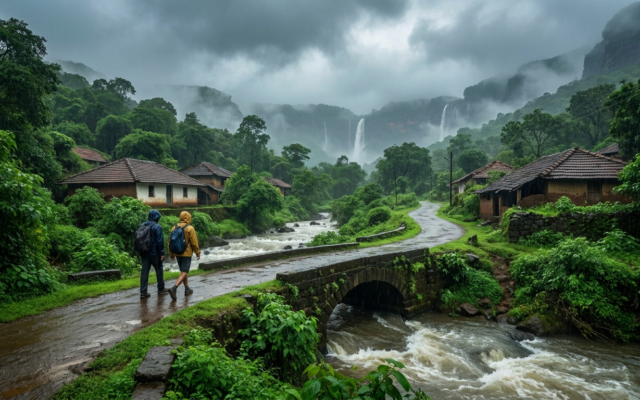
Maharashtra, especially its Sahyadri mountain range, transforms into a breathtaking spectacle during the monsoons. The parched brown hills erupt in a riot of green, dotted with cascading waterfalls and shrouded in ethereal mist. For 2026, we’re steering you away from the overly commercialized Lonavala and Khandala and towards the lesser-explored, yet equally captivating, forts near Pune. These ancient sentinels, many of which played pivotal roles in Maratha history, offer not only stunning panoramic views but also a deep dive into India’s rich past.
Imagine trekking through misty trails, the air alive with the chirping of unseen birds and the earthy scent of wet soil, to reach the imposing ramparts of Sinhagad fort. This iconic fort, meaning ‘Lion’s Fort’, witnessed fierce battles and offers sweeping vistas of the surrounding landscape, particularly dramatic when veiled in monsoon clouds. Another gem is Lohagad fort, which translates to ‘Iron Fort’, known for its impressive fortifications and the scenic Pawna Lake visible from its heights. The journey to these forts is an adventure in itself, often involving moderate treks that reward you with unparalleled beauty.
For a truly immersive experience, consider staying at a rustic homestay near these forts. Many local families have opened their doors, offering simple yet comfortable accommodation, delicious home-cooked Maharashtrian meals – think hot *pithla bhakri* – and invaluable insights into the local way of life. Waking up to the sight of fog rolling through the valleys, with a warm cup of *masala chai* in hand, is an experience that rejuvenates the soul. These homestays provide a welcome respite from city life, allowing you to truly connect with the serene beauty of the Ghats during this magical season.
The Konkan Coast: Beaches, Backwaters, and Coastal Charms
While Goa often hogs the monsoon spotlight, the rest of the Konkan coast offers equally enchanting, and often more tranquil, experiences in 2026. This long stretch of coastline, from Maharashtra down to Karnataka, comes alive with vibrant greenery, swollen rivers, and a dramatic, yet beautiful, sea. The monsoon here is a time for introspection, for enjoying the raw power of nature, and for savouring the freshest seafood.
Consider a visit to Ganpatipule in Maharashtra, famous for its Swayambhu (self-created) Ganesh temple situated right on the coast. The drive to Ganpatipule itself is a visual treat, winding through coastal villages and dense coconut groves. The beach here, while not ideal for swimming during the heavy rains, offers a spectacular view of the crashing waves against the rocky outcrops. You can spend hours simply watching the sea, feeling the spray on your face, and breathing in the salty air.
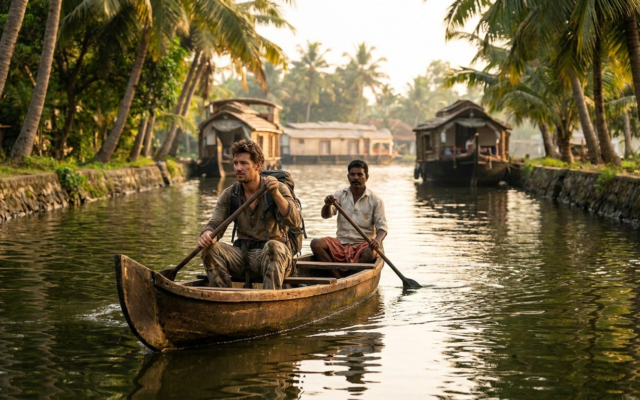
Further south, in Karnataka, the beaches around Udupi and Mangaluru offer a more laid-back vibe. Places like Maravanthe, where the highway runs between the Arabian Sea and the Suparnika River, provide a unique geographical spectacle. The monsoon transforms these areas into lush green paradises. We recommend exploring the backwaters of the region by boat, a serene experience as you glide through calm waters surrounded by verdant foliage. Many small fishing villages come alive with the catch of the season, offering you a chance to taste authentic coastal cuisine prepared with ingredients that are literally just off the boat.
A surprising fact about the Konkan coast during monsoon: the cultivation of the famous Alphonso mangoes often concludes before the heavy rains, but the post-monsoon season leads to an abundance of other delicious fruits like cashew apples and kokum, which are used to make refreshing drinks perfect for the humid climate. This region truly embodies the spirit of the Indian monsoon, offering a blend of natural beauty, cultural richness, and culinary delights.
Ghats of Serenity: Homestays and Heritage in the Western Ghats
The Western Ghats, a UNESCO World Heritage Site, are arguably at their most beautiful during the monsoon. The sheer volume of rainfall nourishes the biodiversity of this ancient mountain range, creating a landscape of unparalleled lushness. For 2026, we urge you to look beyond the popular hill stations and explore the numerous charming homestays that have sprung up in the more remote corners of the Ghats, particularly in regions of Karnataka and Kerala.
These homestays offer an unparalleled opportunity to immerse yourself in the local culture. Imagine waking up to the aroma of freshly brewed filter coffee, served by hosts whose families have lived in these hills for generations. Many are situated amidst coffee, tea, or spice plantations, allowing you to take guided walks through the estates, learning about the cultivation of these valuable crops. The monsoon rains transform these plantations into emerald carpets, with mist often clinging to the leaves, creating a truly magical atmosphere.
Consider areas like Coorg (Kodagu) in Karnataka, known for its rolling hills and fragrant coffee plantations. While popular, opting for a homestay away from the main towns can offer a more authentic experience. Similarly, in Kerala, the backwaters of Alleppey and Kumarakom are stunning in the monsoon, but venturing into the hills of Munnar or Wayanad, and finding a hidden homestay, will provide you with a different, equally captivating perspective. These regions are also renowned for their waterfalls, which swell to their full glory during the rains, offering spectacular sights and sounds.
A truly unique experience we discovered for 2026: some homestays in these regions offer traditional cooking classes. You can learn to prepare local delicacies using fresh, seasonal ingredients, many of which you might have seen growing around the property. This hands-on approach to cultural immersion, combined with the serene beauty of the monsoon-drenched Ghats, makes for an unforgettable escape. You’ll leave with not just memories, but also new skills and a deeper appreciation for this incredible ecosystem.
Ayurveda’s Embrace: Healing and Rejuvenation in Kerala
Kerala, often dubbed ‘God’s Own Country’, is particularly magical during the monsoon months. The rains are believed to be the ideal time for Ayurvedic treatments, as the atmosphere becomes more conducive to detoxification and rejuvenation. For 2026, we’re highlighting the therapeutic benefits of embracing the monsoon in Kerala through the ancient practice of Ayurveda. The cooler, humid climate aids in opening up the pores, making the body more receptive to herbal oils and therapies.
Numerous Ayurvedic resorts and centres across Kerala offer specialized monsoon packages. These are not just about relaxation; they are holistic wellness programs designed to balance your *doshas* (body energies) and enhance your overall well-being. Imagine undergoing a *Panchakarma* treatment, a series of detoxification procedures, while the rain patters gently on the roof of your serene villa. The focus is on nourishing your body with sattvic (pure) food, engaging in gentle yoga and meditation, and experiencing personalized massages and therapies.
Many of these resorts are nestled amidst lush greenery, often near the backwaters or in the hills, providing a tranquil environment that complements the healing process. The sounds of the rain, the scent of medicinal herbs, and the gentle rhythm of the therapies create a deeply calming experience. We highly recommend looking for centres that are certified and have experienced practitioners. Many offer programs ranging from a few days to a couple of weeks, allowing you to tailor your rejuvenation journey to your needs.
The surprising advantage of visiting Kerala for Ayurveda during the monsoon: it’s generally less crowded and more affordable compared to the peak tourist season. You can experience the same high-quality treatments and serene environment without the usual hustle and bustle. This makes 2026 a particularly opportune year to consider an Ayurvedic retreat in Kerala for a truly restorative monsoon experience. You’ll return feeling not just refreshed, but fundamentally healthier and more balanced.
Festivals and Flavours: Celebrating the Rains Across India
The monsoon in India is not just about nature’s grandeur; it’s also a time for vibrant cultural celebrations. Across the country, the arrival of the rains is marked by festivals that reflect the deep connection between people and the life-giving water. For 2026, we encourage you to seek out these joyous occasions, which offer a unique glimpse into local traditions and a chance to revel in the spirit of the season.
In Goa, while the beaches might be less about sunbathing and more about dramatic waves, the interiors come alive. The *Sao Joao* festival, celebrated around June 24th, is a particularly unique affair. Locals, especially in villages, don intricate crowns made of leaves and flowers and jump into wells, rivers, and ponds to the sound of singing and music, honouring St. John the Baptist. It’s a sight filled with exuberance and a deeply ingrained connection to water.
Further inland, in Rajasthan, the arrival of the monsoon is met with great anticipation, breaking the intense summer heat. Festivals like *Teej* celebrate the monsoon and the joy it brings, especially for women. You’ll see women dressed in vibrant colours, swinging on decorated swings (*peeng*), singing folk songs, and enjoying special *malpua* and *ghevar* sweets. The arid landscape turning green is a cause for immense celebration.
In Tamil Nadu, the harvest festival of *Aadi Perukku*, usually celebrated in mid-July, honours water and the fertility of the land. Special prayers are offered at riverbanks, and feasts are prepared. This festival highlights the crucial role of rivers and rainfall in sustaining life. Exploring these festivals offers a flavour of India’s diverse cultural tapestry, showcasing how different communities welcome and celebrate the life-giving monsoon. It’s a chance to witness the true spirit of India, where nature and culture are inextricably intertwined.
Navigating the Downpour: Your 2026 Monsoon Travel Toolkit
Traveling during the monsoon season in India, especially in 2026, requires a bit more planning but offers unparalleled rewards. The key to a successful and enjoyable trip lies in being prepared. We’ve put together a practical guide to help you navigate the rains with ease and make the most of your monsoon adventure.
First and foremost, pack wisely. Essential items include a good quality waterproof jacket or poncho, quick-drying clothes, and waterproof footwear like sturdy sandals or waterproof boots. Don’t forget a waterproof bag cover for your backpack or luggage. Carrying an umbrella is a given, but ensure it’s a robust one that can withstand strong winds. For your electronics, waterproof pouches or dry bags are a lifesaver.
Transportation can be a concern, with potential delays due to heavy rainfall, especially in hilly or coastal areas. Book flights and train tickets in advance, and be prepared for potential last-minute changes. Check weather forecasts and travel advisories regularly before and during your trip. For intercity travel, opt for trains where possible, as they are often less affected by road closures than buses. If you’re driving, be cautious of waterlogged roads, reduced visibility, and potential landslides in certain regions.
Accommodation choices can also be impacted. While many hotels and resorts remain open, some smaller establishments in remote areas might have limited services or be temporarily closed. It’s advisable to book your stays in advance and confirm their operational status, especially if you’re heading to less-travelled paths. Look for accommodations that offer good indoor amenities and perhaps a view of the rain from a comfortable vantage point.
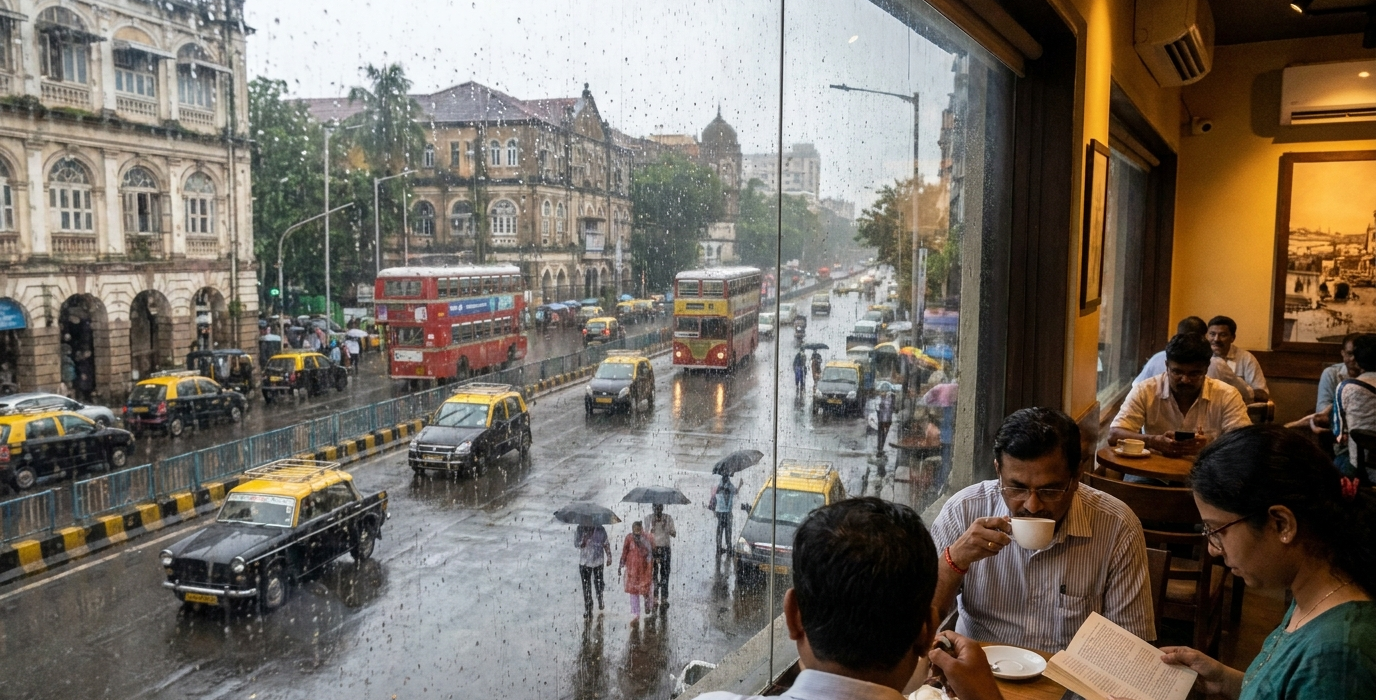
Finally, stay flexible and embrace the unpredictability. The monsoon is a force of nature, and sometimes the best experiences come from adapting to its moods. A sudden downpour might mean an impromptu session of enjoying hot *pakoras* and *chai* at a local eatery, or discovering a hidden temple you wouldn’t have otherwise found. The key is to maintain a positive attitude and see the rain not as an obstacle, but as an integral part of the journey.
Frequently Asked Questions
What are the best regions in India for monsoon travel in 2026?
For 2026, the Western Ghats (Maharashtra, Karnataka, Kerala) offer lush greenery and waterfalls, while the Konkan coast provides dramatic sea views and charming villages. Rajasthan offers a welcome break from heat with its unique desert landscape turning green, and Goa is vibrant with specific monsoon festivals.
Is it safe to travel to Kerala for Ayurvedic treatments during the monsoon?
Yes, it is considered not only safe but also highly beneficial for Ayurvedic treatments. The humid climate enhances the efficacy of therapies, and it’s generally less crowded and more affordable.
What are the essential items to pack for a 2026 monsoon trip to India?
Pack a waterproof jacket/poncho, quick-drying clothes, waterproof footwear, an umbrella, and waterproof pouches for electronics. Insect repellent and a basic first-aid kit are also advisable.
Are road conditions typically good for travel during the Indian monsoon?
Road conditions can vary significantly. Major highways are usually maintained, but internal or rural roads can become waterlogged or prone to landslides. It’s crucial to check local advisories and drive cautiously, especially in hilly and coastal areas.
What are some unique monsoon festivals to experience in India in 2026?
Consider the Sao Joao festival in Goa (jumping into water), Teej festival in Rajasthan (celebrating the rains with swings and sweets), and Aadi Perukku in Tamil Nadu (honouring rivers and fertility).