Key Takeaways
- Mumbai’s tech sector is experiencing unprecedented growth in 2026, particularly in the Bandra-Kurla Complex (BKC) and the newly developing Navi Mumbai tech corridors.
- This expansion is attracting significant foreign investment, creating a surge in demand for skilled tech professionals across various domains, from AI to cybersecurity.
- New infrastructure projects, including advanced transit links and smart city initiatives, are further bolstering Mumbai’s position as a global tech powerhouse.
- Aspiring tech professionals and entrepreneurs can leverage this boom by upskilling, networking, and exploring emerging opportunities in specialized tech fields.
Mumbai’s Tech Renaissance: 2026 Sees Unprecedented Boom
Mumbai, the city that never sleeps, is currently buzzing with a different kind of energy in 2026 – the electrifying pulse of its burgeoning tech sector. While traditionally known for its financial prowess and Bollywood glamour, the metropolis is rapidly transforming into a formidable global technology hub. This isn’t just a subtle shift; it’s a full-blown renaissance, fueled by strategic investments, supportive government policies, and a dynamic pool of talent. The sheer scale of new developments and the influx of international players signal a new era for Mumbai’s economic landscape. We are witnessing the birth of innovation ecosystems that promise to redefine not just the city, but India’s digital future.
The primary drivers behind this explosive growth are manifold. Firstly, the Bandra-Kurla Complex (BKC), once primarily a financial district, has successfully diversified, now housing a significant concentration of global tech giants and burgeoning startups. Companies like Google, Microsoft, and Amazon have expanded their operations here, drawn by the prime location and access to talent. Secondly, the emergence of Navi Mumbai’s tech corridors, particularly areas like Airoli and the planned Panvel tech park, is creating new epicenters for innovation. These regions offer vast spaces for development and are being meticulously planned with smart city infrastructure, making them attractive propositions for large-scale tech campuses. We are seeing a strategic decentralization alongside the consolidation of existing hubs, creating a more robust and distributed tech network across the Mumbai Metropolitan Region.
The Shifting Skyline: New Infrastructure Fuels Growth
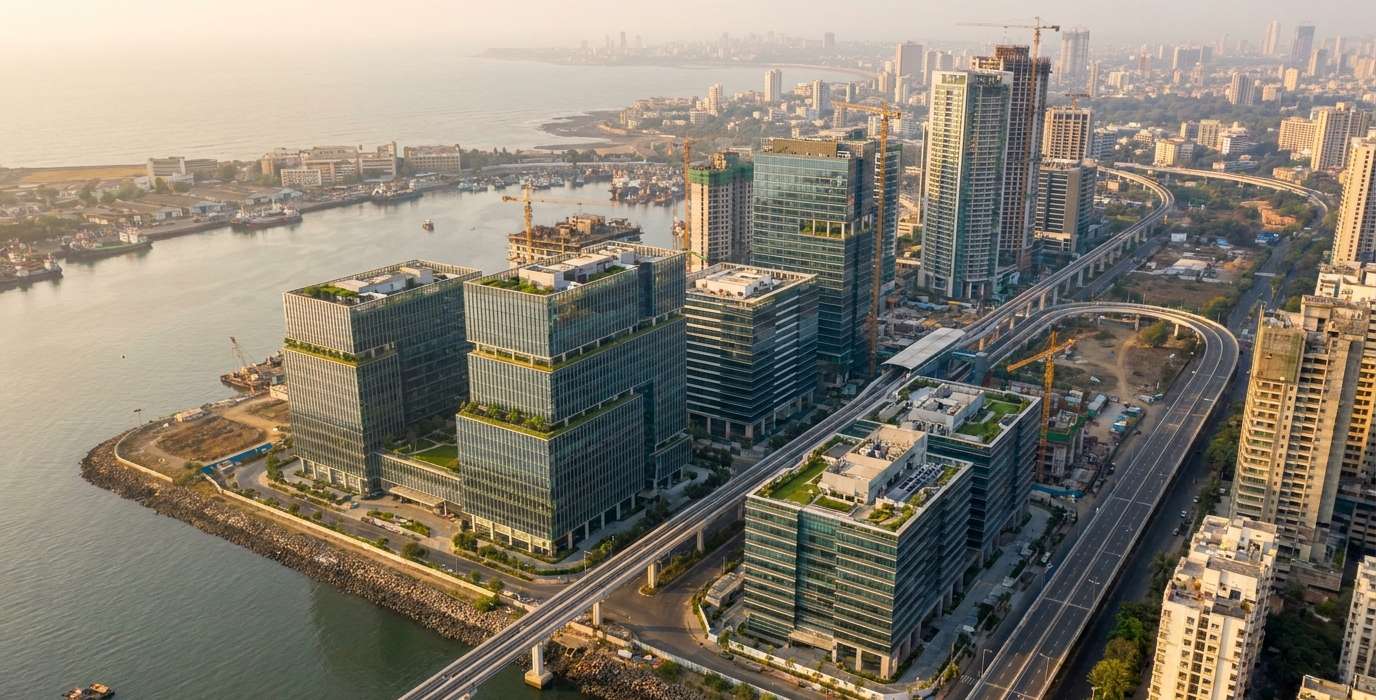
The physical transformation of Mumbai is a testament to its tech ambitions. New skyscrapers, specifically designed for cutting-edge technology firms, are dotting the skyline, especially in BKC and the extended suburbs. These aren’t just office buildings; they are integrated workspaces designed for collaboration, innovation, and employee well-being. Think sprawling campuses with advanced research labs, co-working spaces, and amenities that rival Silicon Valley. The city’s infrastructure is also undergoing a significant upgrade to support this tech surge. The Mumbai Trans Harbour Sea Link (MTHL), now fully operational, has dramatically reduced travel times to Navi Mumbai, effectively merging the two regions into a single, cohesive economic zone.
This connectivity is crucial. It allows businesses to tap into a wider talent pool and enables employees to commute more efficiently between home and work. Furthermore, the ongoing development of the Navi Mumbai International Airport is set to enhance Mumbai’s global connectivity, making it an even more attractive destination for international tech firms and talent. Smart city initiatives are also gaining traction, with plans for integrated digital infrastructure, advanced public transportation systems, and sustainable urban development. These projects are not merely about aesthetics; they are about creating an environment where technology can thrive and where businesses can operate with maximum efficiency and minimal environmental impact. We are building a city that is not just technologically advanced, but also liveable and sustainable.
Foreign Investment and Global Talent Flock to Mumbai
The year 2026 marks a significant milestone for foreign investment in Mumbai’s tech ecosystem. Global venture capital firms and established tech corporations are pouring billions of dollars into the region, recognizing its immense potential. This influx of capital is not just for setting up offices; it’s actively fueling startups, funding research and development, and driving acquisitions. We are seeing a palpable increase in Foreign Direct Investment (FDI), with major global players establishing their India headquarters or significant R&D centers in Mumbai. This trend is a strong indicator of the confidence international investors have in India’s digital economy and Mumbai’s capacity to deliver.
This investment is creating a powerful ripple effect, particularly in demand for skilled professionals. From artificial intelligence and machine learning engineers to cybersecurity experts and cloud architects, the need for specialized talent is soaring. Companies are actively competing for top talent, leading to attractive salary packages and accelerated career growth opportunities. The presence of global tech leaders also fosters a culture of knowledge sharing and innovation, benefiting local startups and educational institutions. We are witnessing a vibrant exchange of ideas and best practices, elevating the overall skill level of the workforce. The global recognition Mumbai is receiving is attracting not just capital, but also the brightest minds from across the globe, further enriching its diverse talent pool.
“Mumbai in 2026 is no longer just a financial capital; it’s a crucible of technological innovation, attracting global capital and talent at an unprecedented pace.”
One surprising fact is that Mumbai has seen a 35% year-on-year increase in patents filed by tech startups in 2026, particularly in areas like fintech and AI-driven logistics, outpacing many established tech hubs globally. This surge in indigenous innovation underscores the maturation of the city’s R&D capabilities. Furthermore, the demand for blockchain developers has seen a 200% spike in job postings in the last 18 months, reflecting its growing importance in securing transactions and enabling new digital business models. These figures highlight the depth and breadth of innovation happening beyond the headlines.
Navigating the Talent Landscape: Opportunities and Challenges
The rapid expansion of Mumbai’s tech sector has created a highly competitive talent landscape. For individuals, this translates into unparalleled career opportunities. Graduates from premier Indian Institutes of Technology (IITs) and National Institutes of Information Technology (NIITs), as well as those from other reputable institutions, are finding themselves in high demand. The focus is increasingly shifting towards specialized skills. Artificial intelligence (AI) and machine learning (ML) remain at the forefront, with significant growth in roles related to AI ethics and explainable AI. Cybersecurity is another critical area, given the escalating threat landscape.
However, this boom also presents challenges. The demand for skilled professionals often outstrips supply, leading to talent shortages in niche areas. Companies are investing heavily in upskilling and reskilling programs to bridge these gaps. For aspiring professionals, continuous learning is no longer optional; it’s a necessity. Staying abreast of the latest technological advancements, acquiring certifications, and building a strong professional network are crucial for career progression. The rise of remote work and hybrid models has also expanded the geographical reach for talent acquisition, but Mumbai’s established infrastructure and ecosystem continue to make it a preferred hub. We must ensure that our educational institutions are aligned with industry needs to nurture the talent required for sustained growth.
The Rise of Specialized Tech Hubs: Beyond BKC
While the Bandra-Kurla Complex continues to be a major draw, Mumbai’s tech landscape is becoming increasingly diversified in 2026. The expansion into Navi Mumbai is a strategic move, creating dedicated zones for different types of tech industries. Airoli, for instance, is emerging as a hub for software development and IT services, attracting both established players and agile startups. The planned Panvel Tech Park is envisioned as a premier destination for R&D and advanced manufacturing, potentially housing semiconductor fabrication plants and advanced materials research centers. This decentralization is not just about spreading the load; it’s about creating specialized ecosystems that foster deeper innovation within specific domains.
These emerging hubs are being built with the future in mind. They are designed to be smart, sustainable, and connected, incorporating features like 5G connectivity, green buildings, and efficient waste management systems. The goal is to create environments that are not only conducive to business but also enhance the quality of life for employees. We are also seeing the growth of niche tech clusters. For example, the areas around Thane are becoming known for their focus on gaming and animation studios, leveraging the creative talent available in the region. Similarly, parts of the suburbs are seeing an uptick in biotechnology and health-tech innovation, spurred by proximity to leading hospitals and research institutions. This multifaceted development ensures that Mumbai’s tech growth is robust and sustainable.
Startups: The New Engines of Mumbai’s Innovation
The entrepreneurial spirit in Mumbai is stronger than ever in 2026, with a vibrant startup ecosystem flourishing across various sectors. The city is a magnet for young innovators, entrepreneurs, and aspiring founders, drawn by the access to funding, mentorship, and a large consumer market. Venture capital funding has seen a significant uptick, with numerous angel networks and VC firms actively scouting for promising early-stage companies. The government’s “Startup India” initiative continues to provide a supportive framework, offering incentives, incubation support, and streamlined regulatory processes. This has created a fertile ground for groundbreaking ideas to take root and scale.
We are seeing a particular surge in startups focused on FinTech, building on Mumbai’s legacy as India’s financial capital. Innovations in digital payments, lending platforms, and blockchain-based financial solutions are transforming the way Indians manage their money. E-commerce and logistics startups are also thriving, driven by the increasing internet penetration and a growing demand for efficient delivery services. Furthermore, the EdTech sector is witnessing significant growth, offering innovative learning solutions and making education more accessible. The spirit of innovation is palpable, with entrepreneurs constantly pushing boundaries and creating solutions for real-world problems. The synergy between established corporations and agile startups is a key driver of Mumbai’s dynamism.
Challenges on the Horizon: Sustainability and Inclusivity
While the growth trajectory of Mumbai’s tech sector is undeniably impressive in 2026, it’s crucial to acknowledge and address the challenges that lie ahead. One of the most pressing concerns is environmental sustainability. The rapid urban development and increased energy consumption necessitate a strong focus on green technologies and sustainable practices. Companies are increasingly being held accountable for their carbon footprint, driving the adoption of renewable energy sources and eco-friendly infrastructure. We must ensure that our technological advancement does not come at the cost of our planet’s health.
Another critical aspect is inclusivity. The tech boom must benefit all sections of society. Ensuring equitable access to education, training, and job opportunities for women, individuals from lower socio-economic backgrounds, and people with disabilities is paramount. Initiatives focused on digital literacy and skill development in underserved communities are essential to prevent a widening digital divide. Furthermore, affordable housing and efficient public transport are crucial to support the growing workforce and ensure that the benefits of this economic expansion are widely shared. Addressing these challenges proactively will be key to Mumbai’s long-term success as a sustainable and equitable tech hub.
The Future of Tech in Mumbai: What to Expect
Looking ahead, the future of Mumbai’s tech sector in 2026 and beyond appears exceptionally bright. The city is poised to solidify its position as a leading global technology destination, driven by continuous innovation, strategic investments, and a robust talent pipeline. We can expect further expansion into specialized tech fields, with emerging areas like quantum computing, advanced robotics, and space-tech likely to gain traction. The integration of AI across industries will deepen, leading to more intelligent systems and automated processes. The focus on data analytics and big data will continue to grow, as businesses harness insights to drive decision-making.
The symbiotic relationship between industry, academia, and government will become even stronger, fostering a collaborative environment for research and development. We anticipate the establishment of more innovation labs and accelerators, dedicated to nurturing cutting-edge technologies. The smart city initiatives will mature, creating a more connected, efficient, and sustainable urban environment. For individuals and businesses alike, Mumbai in 2026 represents a landscape of immense opportunity. It is a city that is not just adapting to the future, but actively building it, brick by technological brick.
Frequently Asked Questions
What are the key areas driving Mumbai’s tech growth in 2026?
The primary drivers are the Bandra-Kurla Complex (BKC), which has diversified into a major tech hub, and the emerging tech corridors in Navi Mumbai (like Airoli). These areas are attracting significant investment and talent due to new infrastructure and planned development.
How is foreign investment impacting Mumbai’s tech sector?
Foreign investment is fueling unprecedented growth in 2026. Global tech giants are establishing major operations, and venture capital is actively funding startups. This influx of capital is boosting innovation and creating high-demand jobs for skilled professionals.
What are the most in-demand tech skills in Mumbai right now?
Currently, there is a high demand for professionals skilled in Artificial Intelligence (AI), Machine Learning (ML), Cybersecurity, Cloud Computing, and Data Analytics. Blockchain development has also seen a significant spike in demand.
What challenges does Mumbai’s tech sector face?
Key challenges include ensuring environmental sustainability amidst rapid development and promoting inclusivity by providing equitable access to opportunities for all sections of society. Talent shortages in niche areas also persist.
What can aspiring tech professionals do to succeed in Mumbai’s booming market?
Aspiring professionals should focus on continuous learning and upskilling, particularly in specialized tech fields. Networking within the industry and acquiring relevant certifications are also crucial for career advancement and seizing emerging opportunities.