Key Takeaways
- Mumbai’s startup ecosystem is showing remarkable resilience and growth in 2026, attracting significant venture capital despite global economic uncertainties.
- Key sectors like fintech, healthtech, and B2B SaaS are leading the investment surge, with a growing focus on sustainability and AI integration.
- Diversification of funding sources, including early-stage angel networks and Series B/C rounds from international VCs, indicates a maturing market.
- Startups leveraging India’s vast digital infrastructure and addressing specific local challenges are proving particularly attractive to investors.
Mumbai’s Startup Scene: A Resilient Powerhouse in 2026
As we navigate mid-2026, Mumbai’s startup landscape continues to defy global economic headwinds, showcasing an impressive surge in venture capital funding. This isn’t just a fleeting trend; it’s a testament to the city’s robust entrepreneurial spirit and its strategic position as India’s financial capital. We’re seeing a dynamic ecosystem where innovation meets opportunity, attracting both domestic and international investors eager to tap into the subcontinent’s burgeoning digital economy.
For founders and investors alike, understanding the nuances of this funding frenzy is crucial. It’s about more than just the sheer volume of capital; it’s about identifying the sectors that are truly gaining traction and the strategies that are proving most effective in securing investment. Mumbai is no longer just a hub; it’s a global contender, drawing talent and capital from around the world. We’ll delve into the specific sectors, investor profiles, and the underlying economic drivers that are fueling this remarkable growth.
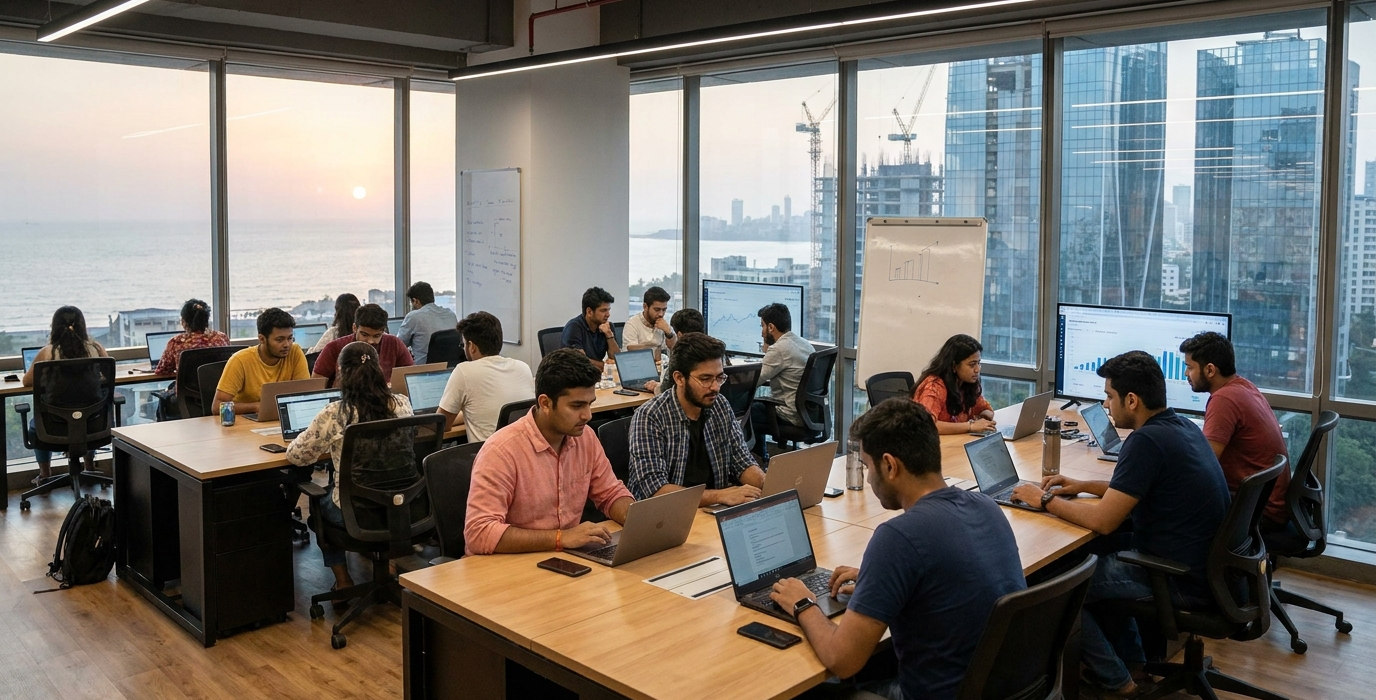
The sheer dynamism of Mumbai’s startup ecosystem is palpable. From the bustling co-working spaces in Bandra Kurla Complex (BKC) to the incubator hubs in Powai, there’s an energy that’s infectious. This year, we’ve observed a distinct shift towards startups that not only have strong business models but also a clear societal impact. Investors are increasingly looking for companies that can scale rapidly while addressing pressing issues like financial inclusion, healthcare access, and sustainable development. This dual focus on profit and purpose is a defining characteristic of the current investment climate.
We’re witnessing a significant inflow of capital into Series A and Series B rounds, indicating that early-stage ventures are successfully navigating the initial hurdles and demonstrating strong growth potential. This is a positive sign for the ecosystem, suggesting a healthy pipeline of future market leaders. The increased investor confidence is palpable, and the competition for promising deals is becoming fiercer, pushing valuations upwards in some segments. Understanding these dynamics is key for anyone looking to participate in or benefit from Mumbai’s vibrant startup economy.
Fintech and B2B SaaS: The Pillars of Investment Growth
Within Mumbai’s vibrant startup ecosystem, the financial technology (fintech) and business-to-business (B2B) Software-as-a-Service (SaaS) sectors continue to dominate the investment landscape in 2026. These sectors are not new darlings of venture capital, but their continued dominance speaks to their fundamental role in India’s digital transformation. Fintech companies are revolutionizing payments, lending, and wealth management, making financial services more accessible to a wider population.
B2B SaaS providers, on the other hand, are empowering Indian businesses of all sizes to become more efficient, agile, and competitive. From cloud-based ERP solutions tailored for the Indian manufacturing sector to AI-powered customer relationship management (CRM) tools for rapidly growing e-commerce players, the demand for robust, scalable software is insatiable. We’re seeing a particular surge in demand for solutions that address compliance needs, supply chain optimization, and data analytics. These are mission-critical applications that directly impact a company’s bottom line.
Fintech’s Persistent Appeal
Mumbai, as India’s financial nerve center, naturally attracts a disproportionate share of fintech innovation. This year, the focus has broadened beyond just digital payments. We’re seeing significant investment in embedded finance solutions, where financial services are integrated seamlessly into non-financial platforms. Think of point-of-sale lending integrated directly into e-commerce checkout or insurance offered at the point of purchase for goods. The rise of open banking initiatives in India is also fueling a new wave of innovation, allowing startups to leverage existing banking infrastructure to build novel financial products.
Furthermore, regulatory technology (regtech) is emerging as a hot sub-sector. As compliance becomes more complex for financial institutions and businesses alike, startups offering automated compliance solutions are attracting substantial capital. The potential for these solutions to reduce risk and operational costs is immense. Another area of keen interest is insurtech, with companies focusing on creating more personalized and accessible insurance products, particularly for the gig economy and small businesses, which have been historically underserved.
B2B SaaS: Driving Business Efficiency
The digital adoption accelerated by the pandemic has cemented the importance of B2B SaaS for businesses across India. Mumbai-based startups are leading the charge in developing solutions that cater to the unique challenges faced by Indian enterprises. This includes software for managing complex GST compliance, tools for optimizing logistics in a country with diverse transportation networks, and platforms that enable remote collaboration and management for distributed workforces. The Indian market’s sheer scale and diversity provide fertile ground for specialized SaaS solutions.
We’re also observing a strong trend towards AI-driven SaaS products. Companies are leveraging artificial intelligence and machine learning to offer predictive analytics, automated customer support, and personalized marketing insights. For instance, a Mumbai-based SaaS startup might offer an AI-powered sales forecasting tool that learns from a company’s historical data and market trends to provide highly accurate predictions, enabling better inventory management and resource allocation. The ability of these tools to drive tangible ROI is a major draw for investors.
Healthtech and Deep Tech: Innovations for a Healthier Future
Beyond the established titans of fintech and B2B SaaS, the healthtech and deep tech sectors are emerging as significant investment magnets in Mumbai’s 2026 startup landscape. Healthtech is rapidly evolving, moving beyond basic telemedicine to encompass a much broader spectrum of digital health solutions aimed at improving patient outcomes, streamlining healthcare delivery, and increasing accessibility. This is particularly relevant given India’s vast population and varying levels of healthcare infrastructure across different regions.
Deep tech, a category often characterized by groundbreaking scientific or engineering innovation, is also starting to secure substantial funding. These are the companies building the next generation of technologies, often with longer development cycles but potentially massive disruptive power. We’re seeing a growing recognition among investors of the long-term value and global potential embedded within these sophisticated ventures. The combination of societal impact and technological advancement makes these sectors incredibly compelling for the future.
Healthtech’s Growing Momentum
The push towards accessible and affordable healthcare in India has never been stronger, and healthtech startups are at the forefront of this movement. In 2026, we’re seeing a significant uptick in funding for platforms that offer remote patient monitoring, AI-powered diagnostics, and personalized wellness programs. Companies are developing solutions that can detect early signs of chronic diseases like diabetes and cardiovascular conditions, allowing for timely intervention and reducing the burden on the healthcare system.
We’re also observing a strong focus on mental wellness platforms and digital therapeutics. The destigmatization of mental health issues, coupled with the convenience of digital access, is driving demand for online counseling services, mindfulness apps, and AI-driven therapeutic interventions. Furthermore, startups leveraging data analytics to optimize hospital operations, manage electronic health records (EHRs), and improve drug discovery processes are attracting significant investor interest. The potential to improve efficiency and reduce costs within the complex healthcare supply chain is a major driver.
A surprising trend within healthtech is the growth of platforms focused on traditional Indian medicine, like Ayurveda and Siddha, integrating them with modern digital platforms. These startups are creating evidence-based digital tools and personalized wellness plans rooted in ancient practices, finding a receptive audience both domestically and globally. This blend of heritage and technology is proving to be a unique differentiator.
Deep Tech’s Promising Horizon
Deep tech ventures, while often requiring more patience and capital, are beginning to capture the attention of forward-thinking investors. These include companies working on advancements in areas like artificial intelligence and machine learning beyond basic applications, advanced materials science, quantum computing, and biotechnology. Mumbai, with its strong academic institutions and a growing pool of research talent, is becoming a fertile ground for such innovations.
We’re seeing early-stage funding rounds for startups developing novel AI algorithms for specific industrial applications, such as optimizing energy grids or creating more efficient manufacturing processes. In materials science, companies focusing on sustainable and high-performance materials for sectors like aerospace or renewable energy are gaining traction. The long-term vision and potential for global impact are key factors that draw investors to these ambitious deep tech projects.
One particularly exciting area within deep tech is the development of specialized AI chips. Companies are working on creating custom hardware designed for specific AI tasks, aiming to offer superior performance and energy efficiency compared to general-purpose processors. This has the potential to revolutionize AI deployment across various industries.
The Evolving Investor Landscape: Diversification and Global Reach
The narrative surrounding venture capital in Mumbai in 2026 is not just about the startups themselves but also about the evolving nature of the investors. While traditional venture capital firms remain active, we are witnessing a significant diversification in the sources of funding. This broadening of the investor base is a hallmark of a maturing ecosystem, indicating increased confidence and a wider array of investment strategies at play.
Angel investor networks are becoming more sophisticated, providing crucial early-stage capital and mentorship. Furthermore, a growing number of domestic and international institutional investors, including pension funds and sovereign wealth funds, are actively looking to allocate capital to the Indian startup scene. This influx of diverse capital sources is not only increasing the total funding available but also bringing valuable strategic expertise and global networks to the table.
The Rise of Angel Networks and Seed Funds
Mumbai has always had a strong presence of high-net-worth individuals and seasoned entrepreneurs willing to invest in early-stage ventures. However, in 2026, these efforts have coalesced into more organized and impactful angel networks and seed funds. These entities are crucial for providing the initial “seed” capital that helps startups validate their ideas, build prototypes, and acquire their first customers. Their ability to move quickly and take on higher risk makes them indispensable.
These networks often provide more than just financial backing; they offer invaluable mentorship, industry connections, and strategic guidance. For founders, partnering with a well-connected angel investor can open doors to future funding rounds and provide critical insights into market dynamics. The increasing professionalism of these early-stage investors is a key reason why more startups are successfully transitioning from ideation to scalable businesses.
Institutional Investors and Global Capital
The presence of larger institutional investors, both domestic and international, signifies a significant shift in the Mumbai startup ecosystem. These players typically invest in later-stage funding rounds (Series B, C, and beyond) but their increased activity indicates a strong belief in the long-term growth potential of Indian startups. They bring substantial capital, rigorous due diligence processes, and a global perspective that can help Indian companies scale internationally.
We’re seeing a growing number of international venture capital firms establishing a presence or significantly increasing their deal flow in Mumbai. They are drawn by India’s large consumer market, its rapidly growing digital infrastructure, and a burgeoning talent pool. This global interest not only provides much-needed capital but also exposes Indian startups to best practices and global market trends, fostering a more competitive and innovative environment. The ability of Mumbai startups to attract this level of global attention is a testament to their increasing maturity and potential.
Navigating Funding Rounds: Strategies for Success in 2026
Securing funding in Mumbai’s competitive startup landscape in 2026 requires more than just a good idea; it demands a strategic approach to fundraising. Founders need to understand the different stages of funding, the expectations of various investor types, and how to effectively articulate their company’s value proposition. The economic climate, while generally positive for well-positioned startups, still necessitates careful planning and execution in every funding round.
This section aims to equip you with the knowledge to navigate these critical stages. Whether you are preparing for your first angel investment or aiming for a significant Series C round, understanding the nuances of valuation, due diligence, and investor relations is paramount. We’ll explore the key elements that make a startup attractive to investors and the common pitfalls to avoid. Making informed decisions at each step can significantly increase your chances of success and set your company on a trajectory for sustainable growth.
Seed and Series A: Building the Foundation
The initial funding stages, typically seed and Series A, are crucial for validating your business model and achieving product-market fit. For seed rounds, investors are often betting on the team and the market opportunity. You need to present a clear vision, a scalable business plan, and evidence of early traction, even if it’s just a handful of pilot customers or strong user engagement metrics. Demonstrating a deep understanding of the problem you are solving and your unique solution is key.
For Series A, investors will expect to see more robust data. This includes consistent revenue growth, a clear customer acquisition strategy, and a well-defined path to profitability. You should be able to articulate your unit economics and demonstrate a scalable go-to-market strategy. Building a strong narrative around your company’s growth potential and its competitive advantage is essential. Transparency during the due diligence process is vital; be prepared to share detailed financials, customer data, and operational metrics.
Series B and Beyond: Scaling for Growth
Once you have achieved significant scale and demonstrated a repeatable business model, you’ll be looking at Series B and subsequent funding rounds. These rounds are typically led by larger venture capital firms and institutional investors who are looking for companies that are poised for rapid expansion, both domestically and potentially internationally. Your focus here shifts from validation to aggressive growth and market leadership.
Investors at this stage will scrutinize your market share, your ability to defend against competitors, and your long-term strategic vision. You need to clearly articulate how the new capital will be used to accelerate growth – whether through expanding into new markets, developing new product lines, or acquiring complementary businesses. Demonstrating strong financial discipline and a clear path to a profitable exit (IPO or acquisition) will be critical. Building a strong relationship with your existing investors and maintaining clear communication throughout the process is also highly valued.
Key Sectors to Watch in Mumbai’s Startup Ecosystem
As we look ahead, certain sectors within Mumbai’s startup ecosystem are poised for continued explosive growth and innovation. While fintech and B2B SaaS remain strong, several other areas are rapidly gaining prominence, attracting significant investor attention and offering exciting opportunities for entrepreneurs and job seekers alike. Understanding these emerging trends can provide valuable insights for investment decisions and career paths.
The convergence of technology with traditional industries is creating entirely new market segments. Furthermore, a growing awareness of sustainability and social impact is shaping investment priorities. We’ll highlight some of the most promising sectors that are not only attracting capital but also demonstrating the potential to redefine industries and improve lives. These are the areas where the next generation of Indian unicorns might emerge.
Sustainability and Climate Tech
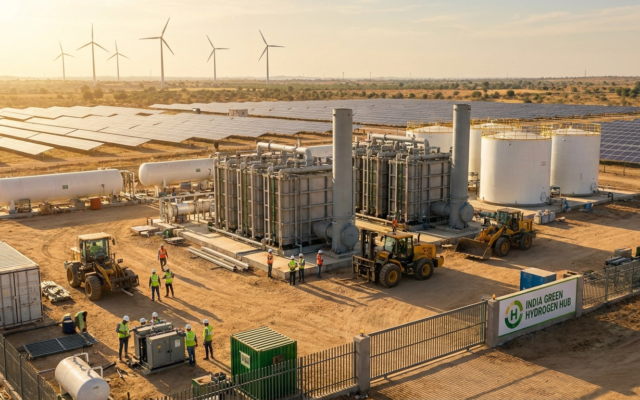
There’s a palpable and growing momentum behind sustainability and climate tech startups in Mumbai. As India grapples with the challenges of climate change and the need for greener industrial practices, innovative solutions are in high demand. We’re seeing significant investment in renewable energy solutions, waste management technologies, sustainable agriculture, and carbon capture technologies. The government’s push towards net-zero emissions and renewable energy targets is a major catalyst.
Startups are developing everything from advanced solar panel technologies and energy storage solutions to platforms that help businesses track and reduce their carbon footprint. The circular economy is also gaining traction, with companies creating innovative ways to recycle and repurpose materials. Investors are increasingly recognizing the dual benefit of these ventures: strong financial returns coupled with a positive environmental impact. This sector is not just about doing good; it’s about building a more resilient and sustainable future for all.
A surprising aspect of this growth is the development of micro-grid solutions for rural and semi-urban areas, often powered by a combination of solar and wind energy. These solutions are crucial for providing reliable electricity access where traditional grid infrastructure is weak or non-existent, empowering local communities and businesses.
EdTech and Future of Work
The education technology (EdTech) sector continues to be a dynamic area, evolving to meet the demands of a rapidly changing job market. While the initial boom was driven by K-12 and test preparation, 2026 sees EdTech platforms increasingly focusing on upskilling and reskilling the workforce for the future of work. This includes platforms offering courses in emerging technologies, data science, AI, and digital marketing.
We’re also seeing EdTech startups leverage AI for personalized learning experiences, adaptive assessments, and intelligent tutoring systems. The goal is to make learning more engaging, effective, and accessible to individuals at all stages of their careers. The “future of work” also extends to tools that facilitate remote collaboration, project management, and talent management, often powered by AI and advanced analytics. The demand for continuous learning and adaptable skill sets makes this a consistently high-growth area.
A particularly innovative trend is the emergence of platforms that gamify learning for corporate training, turning complex skill acquisition into engaging challenges. This approach has shown remarkable success in improving knowledge retention and employee engagement.
Frequently Asked Questions
What are the most popular sectors for startup funding in Mumbai in 2026?
The most popular sectors attracting significant venture capital funding in Mumbai in 2026 are consistently fintech and B2B SaaS. These are closely followed by rapidly growing areas like healthtech and deep tech, with a notable increase in investment in sustainability and climate tech initiatives.
How has the investor landscape changed in Mumbai’s startup ecosystem?
The investor landscape has diversified significantly. Alongside traditional VCs, we are seeing a stronger presence of organized angel investor networks and seed funds providing crucial early-stage capital. Furthermore, domestic and international institutional investors, including pension funds and sovereign wealth funds, are actively increasing their allocations, bringing substantial capital and global expertise.
What strategies should startups employ to secure funding in 2026?
Startups need a strategic approach focusing on clear articulation of value proposition, understanding different funding stages (seed, Series A, B+), and demonstrating robust data and traction. For early stages, focus on team and market opportunity, while later stages require demonstrating scalable growth, market leadership, and a clear path to profitability or exit.
Are there any surprising investment trends in Mumbai’s startup scene?
Yes, two surprising trends include the growth of healthtech platforms integrating traditional Indian medicine (like Ayurveda) with digital tools, and the emergence of micro-grid solutions powered by renewables for rural areas. Additionally, the development of specialized AI chips is a significant deep tech innovation attracting attention.