Key Takeaways
- India’s startup ecosystem is experiencing a robust surge, with venture capital flowing into promising ventures, particularly in Bengaluru.
- The “unicorn hunt” is intensifying as investors eye high-growth potential across sectors like AI, fintech, and SaaS.
- Navigating this dynamic landscape requires strategic planning for founders, focusing on sustainable growth and market differentiation.
- For investors, understanding emerging trends and due diligence is paramount to identifying the next generation of Indian market leaders.
The Bengaluru Boom: Where Innovation Meets Investment
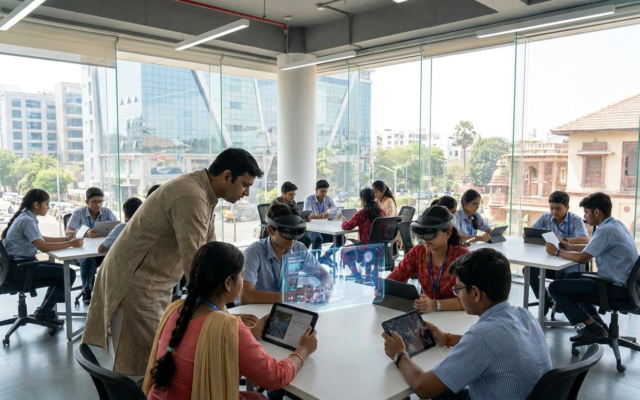
Bengaluru, often hailed as India’s Silicon Valley, is once again at the epicentre of a burgeoning startup revolution. As of August 2026, the city is buzzing with an unprecedented level of entrepreneurial energy, fueled by a relentless inflow of venture capital. We’re seeing established venture capital firms, alongside a growing cadre of angel investors and even international funds, actively scouting for the next big thing. This isn’t just about incremental improvements; founders are presenting bold visions, tackling complex problems, and aiming for global scale right from their Indian base.
The sheer volume of pitches and deal-making happening across Bengaluru’s co-working spaces and tech parks is staggering. It’s a testament to India’s rapidly digitizing economy and its growing pool of skilled talent. From the early-stage seed rounds to significant Series C and D infusions, capital is readily available for startups demonstrating strong traction and a clear path to profitability. This environment fosters rapid experimentation and iteration, allowing companies to pivot and adapt quickly in response to market feedback.
What’s truly remarkable is the diversification of sectors attracting this investment. While fintech and e-commerce continue to be strongholds, we’re witnessing a significant uptick in interest for deep tech, artificial intelligence (AI) applications, SaaS platforms tailored for Indian businesses, and innovative solutions in the sustainable energy and healthcare spaces. The ambition is palpable – founders aren’t just aiming to serve the Indian market, but to leverage it as a launchpad for international expansion.
The Unicorn Mirage: More Than Just a Valuation
The term “unicorn” – a startup valued at over $1 billion – has become a common metric in the Indian startup narrative. While the pursuit of this valuation is a significant driver, the current landscape suggests a more nuanced approach is taking hold. Investors are increasingly scrutinizing business models for sustainable growth and profitability, rather than solely focusing on topline valuation. This shift is a healthy sign, indicating a maturing ecosystem that prioritizes long-term viability over speculative hype.
Bengaluru is not just producing unicorns; it’s cultivating a generation of companies with strong fundamentals. We’re seeing founders build robust teams, focus on customer acquisition costs, and develop clear strategies for customer retention. The pressure to achieve unicorn status hasn’t diminished, but the *how* is becoming more important than the *if*. This means a greater emphasis on product-market fit, operational efficiency, and a deep understanding of customer needs, especially within the diverse Indian consumer base.
A surprising fact that emerges from recent analyses is the increasing number of “debt-unicorn” contenders. These are companies that have achieved significant scale and valuation, but have also managed their growth through a judicious mix of equity and debt financing, often from non-dilutive sources. This strategy allows them to retain more ownership and control, a significant advantage as they scale. Bengaluru’s startup scene is a vibrant example of this evolving investor and founder dynamic, where value creation is increasingly about building resilient, profitable businesses.
Fintech’s Fierce Momentum: From Payments to Wealth Management
Fintech continues to be a powerhouse within the Indian startup ecosystem, and Bengaluru is a major hub for these innovators. The recent surge in digital payments, accelerated by policy initiatives and consumer adoption, has created fertile ground for new solutions. We’re seeing startups not only simplifying transactions but also building comprehensive financial ecosystems, integrating services from lending and insurance to wealth management and investment platforms.
The focus is shifting from basic transaction processing to value-added financial services. Companies are leveraging AI and data analytics to offer personalized financial advice, micro-insurance products tailored to specific demographics, and simplified investment tools for the masses. This democratization of finance is a key theme, aiming to bring financial inclusion to millions who were previously underserved by traditional banking institutions. The sheer scale of India’s unbanked and underbanked population presents an enormous opportunity.
One particularly interesting development is the rise of “embedded finance” solutions. This involves integrating financial services directly into non-financial platforms. For instance, e-commerce sites offering instant point-of-sale loans, or ride-sharing apps providing driver insurance at the point of booking. Bengaluru’s tech talent is adept at building these seamless integrations, making financial services accessible and convenient. The regulatory landscape, while evolving, is also becoming more supportive of innovation, encouraging this rapid growth.
The AI Awakening: Beyond Automation to Intelligence
Artificial Intelligence (AI) is no longer a futuristic concept; it’s a foundational technology driving innovation across virtually every sector in India, with Bengaluru leading the charge. Startups are moving beyond simple automation to develop truly intelligent solutions that can understand, learn, and adapt. We’re seeing AI being applied to everything from predictive maintenance in manufacturing to personalized learning platforms in education.
The demand for AI talent in Bengaluru is soaring, leading to intense competition for skilled engineers and data scientists. Companies are investing heavily in R&D, collaborating with academic institutions, and even acquiring smaller AI-focused startups to bolster their capabilities. The focus is on creating AI-powered products and services that offer a competitive edge, improve efficiency, and unlock new revenue streams for their clients.
A surprising insight from recent industry reports indicates a significant push towards “Explainable AI” (XAI). As AI systems become more complex and their decisions have greater impact, there’s a growing need for transparency and understanding of *why* an AI made a particular decision. Startups focusing on XAI are gaining traction, especially in regulated industries like healthcare and finance, where trust and accountability are paramount. This move towards more interpretable AI is crucial for widespread adoption and ethical deployment.
SaaS for Scale: Tailoring Solutions for India and Beyond
Software as a Service (SaaS) has emerged as a dominant model for Indian startups, and Bengaluru is a fertile ground for these ventures. The appeal is clear: recurring revenue streams, scalability, and the ability to serve a global customer base from a cost-effective location. We’re seeing a significant trend towards vertical SaaS solutions, meaning platforms built to address the specific needs of particular industries, rather than generic software.
This specialization allows startups to develop deep expertise and offer highly tailored functionalities that resonate with their target audience. Whether it’s CRM software for the burgeoning MSME sector, inventory management for the retail industry, or compliance tools for specific regulatory environments, these niche solutions are finding strong market demand. The ability to quickly adapt and incorporate feedback from a dedicated user base is a key advantage.
Furthermore, Indian SaaS companies are increasingly looking beyond domestic shores. Many are building products designed for global markets from the outset, leveraging the strong English-speaking talent pool and competitive development costs. The success of Indian SaaS giants in the past has paved the way, demonstrating that high-quality, innovative software can indeed be built and scaled from India. A fascinating observation is the rise of “low-code/no-code” SaaS platforms developed in India, empowering even non-technical users to build custom applications, further democratizing digital transformation.
Navigating the Investment Landscape: Strategies for Founders and Investors
For founders in Bengaluru’s dynamic startup scene, navigating the investment landscape requires strategic foresight and a robust business plan. It’s not just about securing funding, but about finding the *right* partners who align with your long-term vision. Due diligence is a two-way street. Founders should thoroughly research potential investors, understanding their investment thesis, track record, and how they support their portfolio companies beyond just capital.
Building strong relationships with investors, even before actively seeking funding, can be invaluable. Networking events, industry conferences, and even direct outreach can help establish connections. When pitching, focus on demonstrating a clear understanding of market needs, a scalable business model, and a strong, capable team. Highlight your competitive advantage and how you plan to achieve sustainable growth. Don’t shy away from discussing potential challenges and how you intend to overcome them; transparency builds trust.
For investors, the “unicorn hunt” in Bengaluru demands a keen eye for disruptive potential and a commitment to long-term value creation. The sheer number of opportunities can be overwhelming, making rigorous sector-specific analysis and thorough financial modeling essential. Beyond the valuation metrics, delve into the operational efficiency, customer acquisition strategies, and the competitive moat that the startup has built. Understanding the nuances of the Indian market, including regulatory frameworks and consumer behaviour, is also critical.
| Investment Stage | Typical Ticket Size (INR Cr) | Key Investor Focus | Bengaluru Startup Examples (Illustrative) |
|---|---|---|---|
| Pre-Seed/Seed | 0.5 – 5 | Team, idea validation, early traction, market potential | Early-stage AI product, niche SaaS platform |
| Series A | 15 – 75 | Product-market fit, scalable customer acquisition, strong unit economics | Fintech for MSMEs, AI-driven healthtech |
| Series B | 75 – 300 | Market leadership, revenue growth, operational expansion | Established SaaS provider, expanding e-commerce logistics |
| Series C/D+ | 300+ | Profitability, global expansion, M&A strategy, market dominance | Leading fintech player, multi-sector AI platform |
“The current wave of investment in Bengaluru isn’t just about chasing valuations; it’s about building resilient businesses with a global outlook. Founders who focus on genuine customer value and sustainable profitability will be the ones to define India’s next economic chapter.”
The Future is Now: Bengaluru’s Continued Global Impact
Bengaluru’s startup ecosystem is not just a local phenomenon; it’s increasingly shaping global technological and business trends. The innovation pipeline emerging from the city is diverse, ambitious, and capable of tackling some of the world’s most pressing challenges. We’re seeing Indian startups not only compete on the global stage but often set new benchmarks for efficiency, affordability, and impact.
The continued influx of venture capital, coupled with a supportive government framework and a deep talent pool, positions Bengaluru for sustained growth. The focus on deep tech, AI, and sustainable solutions indicates a forward-looking approach, anticipating the needs of the future economy. This proactive stance is crucial for maintaining momentum and ensuring that India remains at the forefront of technological advancement.
What’s particularly exciting is the potential for “leapfrogging” innovation. In many sectors, India has the opportunity to bypass older, less efficient technologies and adopt cutting-edge solutions directly. This is evident in the rapid adoption of digital payments, renewable energy technologies, and advanced telecommunications. Bengaluru is the crucible where many of these transformative ideas are forged and scaled. As we look ahead, the city’s influence on the global startup landscape is only set to grow, making it a critical region to watch for investors, entrepreneurs, and technologists worldwide.
Frequently Asked Questions
What are the most promising sectors for Indian startups in 2026?
Beyond the perennial leaders like fintech and e-commerce, look towards AI and machine learning applications across all industries, SaaS platforms with specialized functionalities, and companies focused on sustainable energy and green technologies. Healthtech and edtech also continue to show strong potential.
How can founders in Bengaluru stand out to investors?
Focus on building a strong, defensible business model with clear unit economics. Demonstrate deep market understanding and a well-defined customer acquisition strategy. Highlight your team’s expertise and execution capability. Transparency about challenges and a realistic growth plan are also highly valued.
Is venture capital funding still readily available in India?
Yes, venture capital funding remains robust in India, especially for startups demonstrating strong traction and scalable business models. While the “unicorn chase” might be more nuanced, investors are actively seeking high-potential companies across various stages, particularly in Bengaluru.
What are the key considerations for international investors looking at the Indian startup scene?
Understanding India’s diverse regulatory environment, local market nuances, and consumer behaviour is crucial. Building a strong local network for due diligence and partnership is essential. Investors should also consider the long-term growth potential and the increasing sophistication of Indian startups.