Key Takeaways
- India’s digital journey is accelerating, with AI and IoT poised to reshape industries from agriculture to healthcare by 2026.
- Expect a surge in personalized digital services, driven by advanced data analytics and a focus on user experience across Bharat.
- The next wave of digital adoption will bridge urban-rural divides, powered by affordable connectivity and localized tech solutions.
- Cybersecurity and data privacy are paramount, with new regulations and technologies emerging to protect digital citizens.
The Dawn of Hyper-Personalised Digital India: An Exclusive Look at 2026
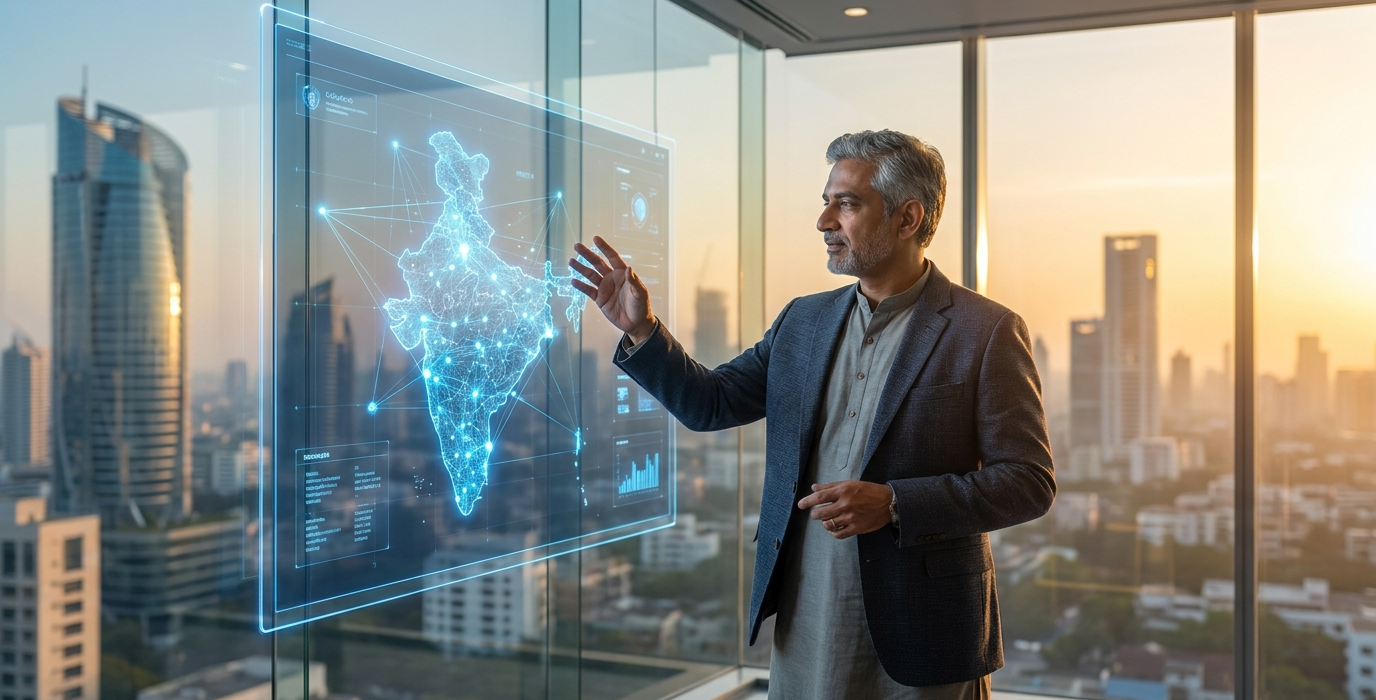
The year is 2026, and India’s digital transformation is no longer a future promise; it’s a present reality that’s weaving itself into the fabric of everyday life. We sat down with Anya Sharma, the visionary CEO of Innovatech Solutions, a company at the forefront of India’s technological revolution, to understand what lies ahead. Sharma, whose insights have guided numerous national digital initiatives, paints a vivid picture of a nation increasingly empowered by intelligent machines and seamless connectivity. “We’re moving beyond basic digitization,” Sharma explains, “into an era of hyper-personalization, where technology anticipates your needs and adapts to your unique context.” This isn’t just about faster internet; it’s about technology that understands the nuances of rural India just as well as the bustling metropolises of Mumbai and Delhi.
Sharma’s optimism is grounded in tangible progress. The rapid expansion of 5G infrastructure, coupled with the widespread availability of affordable smartphones, has created an unprecedented digital backbone. This infrastructure is now the fertile ground for innovation, allowing complex AI algorithms to process vast amounts of data and deliver tailored experiences. Think of a farmer in Punjab receiving AI-driven soil analysis and weather forecasts directly on their phone, or a student in a remote village in Odisha accessing personalized learning modules that adapt to their pace. The days of one-size-fits-all digital solutions are rapidly fading.
The sheer scale of India’s population presents a unique challenge and opportunity. Innovatech, under Sharma’s leadership, is focusing on developing solutions that are not only cutting-edge but also deeply rooted in local needs and languages. This means AI that understands regional dialects, interfaces that are intuitive for first-time internet users, and services that address specific socio-economic challenges. As we step further into 2026, the digital divide is shrinking, not just through access, but through relevance and utility.
AI and IoT: The Twin Engines of India’s Industrial Renaissance
Artificial Intelligence (AI) and the Internet of Things (IoT) are no longer buzzwords; they are the dual engines driving India’s industrial renaissance in 2026. Anya Sharma of Innovatech Solutions highlights how these technologies are fundamentally reshaping sectors that form the backbone of the Indian economy. From the fields of agriculture to the intricacies of healthcare, the impact is profound and far-reaching. “AI provides the intelligence, and IoT provides the eyes and ears,” Sharma explains, “creating a feedback loop that optimizes processes and unlocks unprecedented efficiencies.”
In agriculture, IoT sensors embedded in the soil can monitor moisture levels, nutrient content, and pest infestations in real-time. This data, analyzed by AI algorithms, allows farmers in states like Karnataka or Gujarat to make precise decisions about irrigation and fertilization, leading to increased yields and reduced waste. Sharma shares a fascinating detail: “We’re seeing AI models being trained on historical data from over 20,000 distinct microclimates across India, enabling hyper-localised crop advisory services that were unimaginable even a few years ago.” This is transforming farming from a gamble against nature to a data-driven science.
The healthcare sector is another area witnessing a dramatic overhaul. Wearable IoT devices can continuously monitor vital signs of patients, sending alerts to doctors in case of anomalies. AI-powered diagnostic tools are assisting medical professionals in identifying diseases with greater accuracy and speed, particularly in underserved rural areas. Imagine a remote clinic in Bihar being able to leverage AI to interpret X-rays or MRIs, bridging the gap in specialist expertise. This is making quality healthcare more accessible and affordable for millions.
Beyond these sectors, AI and IoT are streamlining logistics, optimizing energy grids, and enhancing manufacturing processes. The interconnectedness of devices, coupled with intelligent decision-making capabilities, is creating a more resilient, efficient, and responsive industrial landscape. As 2026 unfolds, the synergy between AI and IoT is proving to be the key to India’s sustained economic growth and global competitiveness.
Bridging the Digital Divide: Connectivity and Inclusion in Rural Bharat
The narrative of digital India in 2026 is incomplete without a deep dive into how technology is finally reaching and empowering the vast rural populace of Bharat. Anya Sharma emphasizes that true digital inclusion means more than just providing internet access; it’s about delivering relevant, accessible, and affordable digital services that address the unique challenges and aspirations of rural communities. This year, we are witnessing a significant shift in strategy, moving beyond mere connectivity to fostering genuine digital literacy and adoption.
The government’s BharatNet initiative, now in its advanced stages, has laid a robust fiber optic network across most of the country’s gram panchayats. This foundational infrastructure, combined with the proliferation of low-cost smartphones and community digital centers, is creating new avenues for rural citizens to access information and services. However, Sharma points out a critical insight: “The challenge was never just about laying cables; it was about creating an ecosystem where rural users feel comfortable and empowered to use these digital tools.”
Innovatech is actively involved in developing vernacular language interfaces and voice-activated applications, making technology accessible to those who may not be fluent in English or comfortable with complex keyboards. Consider the success of digital payment platforms that now support over 20 Indian languages, facilitating seamless transactions for farmers selling their produce or small businesses in Tier 2 and Tier 3 cities. This localization is a game-changer for financial inclusion.
Furthermore, digital platforms are being leveraged to provide access to government schemes, agricultural advisories, and even telemedicine services. For instance, a woman in a remote village in Rajasthan can now consult with a doctor in Jaipur via video call, saving her the arduous journey to the nearest town. This is not just convenience; it’s about equitable access to essential services. A surprising fact Sharma shared is that by early 2026, the number of active mobile internet users in rural India has surpassed those in urban areas for the first time, a testament to the success of these targeted inclusion efforts.
The Rise of the Digital Citizen: Personalised Services and Data Empowerment
As India strides into 2026, the concept of the “digital citizen” has become profoundly more meaningful. Anya Sharma explains that this evolution is characterized by an increasing demand for highly personalized digital services and a growing awareness of data rights and empowerment. Gone are the days of generic online experiences; citizens now expect platforms to understand their individual preferences, habits, and needs. This shift is fueled by sophisticated data analytics and a commitment to user-centric design.
Personalization is no longer limited to e-commerce recommendations. In 2026, we see it permeating every aspect of digital life. Educational platforms are tailoring learning paths to individual student paces and styles, as seen with platforms like ‘VidyaAI’ which adapts its curriculum based on a student’s performance in real-time assessments. Healthcare providers are offering personalized wellness plans based on wearable device data and medical history, moving towards proactive rather than reactive care.
The underlying technology powering this personalization is advanced AI that analyzes vast datasets. This data, when handled responsibly, can unlock immense value for the individual. However, this also brings the critical issue of data privacy and security to the forefront. Sharma states, “We are witnessing a paradigm shift where users are not just consumers of digital services but active participants in managing their digital identity and data.” This newfound empowerment is leading to greater demand for transparency and control over personal information.
India has been proactive in establishing a robust data protection framework, with regulations like the Digital Personal Data Protection Act of 2026 taking effect. This legislation ensures that companies are accountable for how they collect, process, and store user data. For the digital citizen, this means greater confidence in engaging with online services. A remarkable development we’ve observed is the emergence of personal data vaults, allowing individuals to securely store and selectively share their data with service providers, a concept gaining significant traction in cities like Hyderabad and Bengaluru.
Navigating the Digital Frontier: Cybersecurity and Trust in 2026
In the rapidly evolving digital landscape of 2026, robust cybersecurity measures and the cultivation of user trust are not merely optional; they are foundational pillars for continued digital growth. Anya Sharma emphasizes that as India embraces hyper-connectivity and data-driven services, the threat landscape also expands, making vigilance and proactive defense paramount. The success of digital initiatives hinges on the ability to protect citizens and their data from malicious actors.
The sophistication of cyber threats has escalated, ranging from advanced phishing attacks and ransomware to more complex state-sponsored cyber warfare. Innovatech Solutions, like many leading tech firms, is investing heavily in cutting-edge security technologies. This includes AI-powered threat detection systems that can identify and neutralize threats in real-time, often before they can impact users. Biometric authentication, multi-factor authentication, and end-to-end encryption are becoming standard across most platforms, providing layered security for sensitive data.
Furthermore, there’s a growing emphasis on creating a secure digital identity for every citizen. This is crucial for verifying users across various government and private services, preventing fraud and ensuring that services reach the intended recipients. Initiatives like the National Digital Identity framework are being strengthened with advanced cryptographic techniques to safeguard personal information.
Trust, however, is built not just on impenetrable defenses but also on transparency and accountability. Sharma notes, “When a data breach does occur, how an organization responds is as critical as its preventative measures. Swift communication, clear remediation steps, and a commitment to learning from incidents are vital for maintaining user confidence.” India’s regulatory bodies are also playing a key role, imposing stricter penalties for non-compliance and promoting best practices in cybersecurity. A surprising, yet crucial, aspect gaining prominence in 2026 is the rise of “ethical hacking” competitions and bug bounty programs, incentivizing white-hat hackers to find vulnerabilities and report them responsibly, thus strengthening the overall digital ecosystem.
The Future is Now: Innovations Shaping India’s Digital Tomorrow
As we look beyond 2026, the trajectory of India’s digital journey is being shaped by innovations that are both ambitious and deeply practical. Anya Sharma points to several emerging trends that will define the next phase of India’s digital evolution, moving from adoption to true mastery. These advancements promise to further integrate technology into the very fabric of society, creating new opportunities and addressing persistent challenges.
One of the most exciting frontiers is the continued development of edge computing. Instead of relying solely on centralized cloud servers, processing power is being moved closer to the data source, such as IoT devices or smartphones. This dramatically reduces latency, enabling real-time applications like autonomous vehicles, sophisticated industrial automation, and even augmented reality experiences that are seamless and responsive, even in areas with less robust network infrastructure. Imagine smart traffic management systems in Pune that can react instantaneously to changing conditions.
Another area poised for significant growth is the application of generative AI beyond text and images. We are seeing early explorations into AI that can design new materials, optimize complex supply chains with predictive modeling, and even assist in the development of new medicines. This represents a leap towards AI as a true co-creator and problem-solver, impacting scientific research and industrial innovation on an unprecedented scale. Sharma shared that early trials in pharmaceutical research in Hyderabad using generative AI have shown a potential reduction in drug discovery timelines by up to 30%.
Furthermore, the push for sustainable technology is gaining momentum. This includes developing energy-efficient hardware, optimizing digital infrastructure to reduce its carbon footprint, and leveraging AI for environmental monitoring and conservation efforts. As India champions its climate goals, the digital sector is expected to play a crucial role in achieving them. The future of digital India in 2026 and beyond is not just about being connected; it’s about being intelligently, securely, and sustainably connected.
Frequently Asked Questions
What are the most significant technological advancements expected in India by the end of 2026?
By the end of 2026, expect significant advancements in AI-driven personalized services across sectors like healthcare and education, alongside widespread adoption of IoT devices for industrial efficiency and smart city development. Enhanced 5G connectivity will underpin these changes, making digital services more accessible and responsive across the country.
How is India addressing the digital divide in its rural areas?
India is actively bridging the digital divide through initiatives like BharatNet, expanding fiber optic connectivity to rural areas. Coupled with the proliferation of affordable smartphones and the development of vernacular language digital interfaces, these efforts aim to make digital services relevant and accessible to rural populations.
What are the key concerns regarding cybersecurity and data privacy in India’s digital ecosystem?
The primary concerns revolve around protecting citizens from sophisticated cyber threats like ransomware and phishing, and ensuring the responsible handling of personal data. India’s Digital Personal Data Protection Act of 2026 aims to address these by mandating transparency, accountability, and robust security measures from data collectors and processors.
How is AI being used to enhance citizen services in India in 2026?
AI is being deployed to create hyper-personalized services, from tailored educational content and predictive healthcare diagnostics to intelligent customer support. It also plays a crucial role in optimizing public services, enhancing traffic management in cities, and improving agricultural advisories for farmers.