Key Takeaways
- India’s sustainable fashion market is rapidly expanding, driven by consumer awareness and innovative brands.
- Key trends include the use of organic materials, recycled fabrics, and traditional artisanal techniques.
- Consumers can now find a wider range of eco-friendly options, from everyday wear to high-end designer collections.
- Transparency in supply chains and ethical labour practices are becoming non-negotiable for many brands.
The Greening of Indian Wardrobes: A Revolution You Can Wear
The vibrant tapestry of Indian fashion is undergoing a profound transformation, one thread at a time. We’re not just talking about shifting aesthetics or fleeting trends; this is a fundamental redefinition of how clothes are made, consumed, and valued. In 2026, the sustainable fashion movement in India is no longer a niche concern for a select few. It has blossomed into a full-fledged revolution, weaving itself into the fabric of everyday life and influencing purchasing decisions across the country and beyond.
Consumers are increasingly asking critical questions: Where do my clothes come from? Who made them? What impact did their production have on the planet? This growing consciousness, coupled with the innovative spirit of Indian designers and entrepreneurs, is fuelling an unprecedented boom in eco-friendly apparel. From the bustling metropolises of Mumbai and Delhi to the serene villages of Rajasthan and Kerala, a new generation of brands is emerging, championing ethical production, natural materials, and a deep respect for our planet. You can now build an entire wardrobe that aligns with your values, without compromising on style or quality.
From Cotton Fields to Catwalks: The Rise of Organic and Regenerative Materials
The foundation of sustainable fashion lies in the materials used. For decades, conventional cotton farming has relied heavily on pesticides and excessive water consumption, leaving a significant environmental footprint. However, a growing number of Indian brands are actively shifting towards organic cotton, grown without harmful chemicals and often using less water. This not only benefits the environment but also supports the health of farmers and surrounding communities.
Beyond organic cotton, we’re seeing a surge in the use of recycled fabrics. Think old plastic bottles finding new life as stylish jackets, or discarded textiles being transformed into unique apparels. Brands like Noida-based ReCycle Right are leading the charge, demonstrating how innovation can turn waste into wonder. Furthermore, the embrace of regenerative agriculture is gaining traction. This approach focuses on farming practices that actively improve soil health, biodiversity, and water cycles, creating a truly circular system. We’re also witnessing a resurgence of natural dyes, derived from plants like indigo, turmeric, and madder root, replacing synthetic dyes that can pollute waterways. Brands are rediscovering ancient dyeing techniques, adding a unique, earthy charm to their collections. This meticulous attention to raw materials is what sets truly sustainable fashion apart.
Reviving Heritage Crafts: Artisanal Excellence Meets Modern Design
India’s rich legacy of handicrafts and artisanal skills is at the heart of its sustainable fashion renaissance. For generations, artisans across the country have mastered intricate techniques like weaving, embroidery, block printing, and natural dyeing. For too long, these invaluable skills were undervalued, often facing competition from mass-produced factory goods. Today, however, these traditions are being celebrated and revitalised by conscious brands.
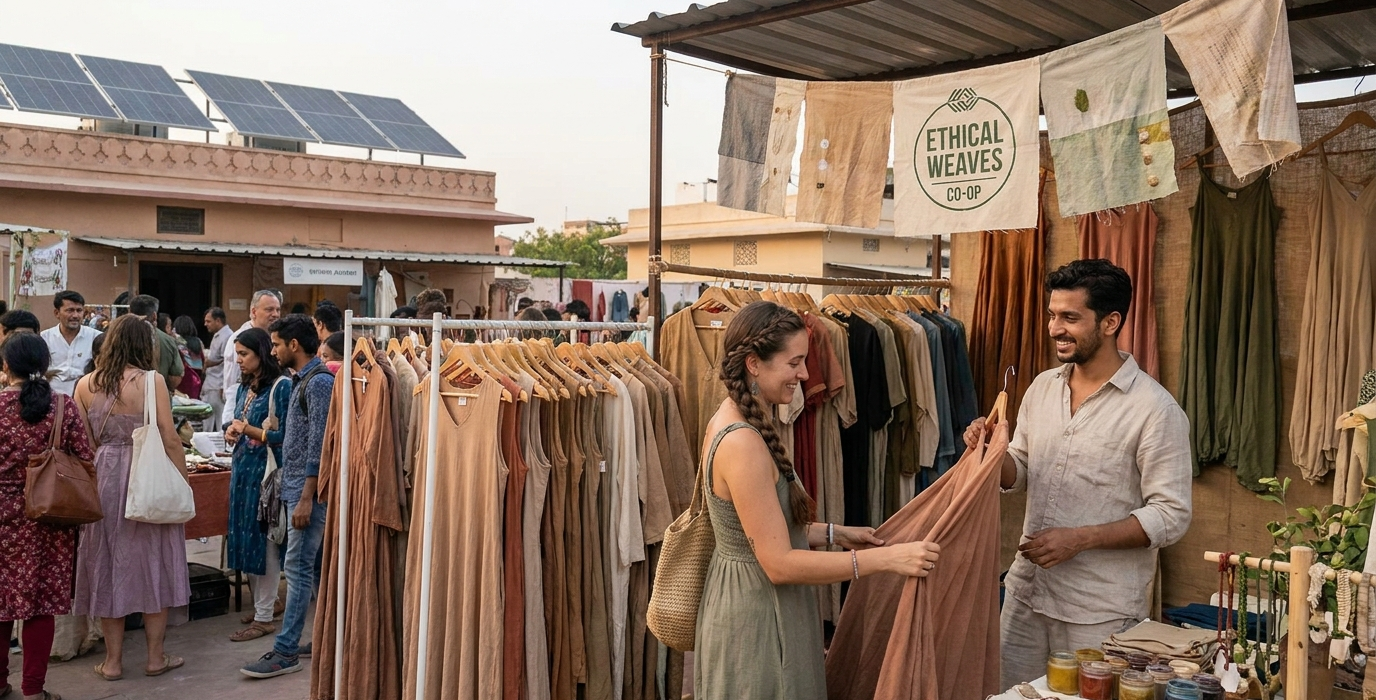
Take, for instance, the exquisite Ikat weaving from Pochampally in Telangana, or the intricate Kantha embroidery from West Bengal. Brands are partnering directly with artisan clusters, ensuring fair wages, preserving cultural heritage, and providing sustainable livelihoods. This isn’t just about creating beautiful clothes; it’s about empowering communities and safeguarding ancestral knowledge. We see designers in Mumbai and Bangalore collaborating with weavers in rural Gujarat to create contemporary silhouettes using handwoven khadi. These collaborations result in garments that are not only aesthetically pleasing but also carry a story of craftsmanship and cultural pride. This intersection of tradition and modernity is a powerful driver of ethical fashion, offering consumers a tangible connection to the people and processes behind their clothing.
The Transparency Imperative: Knowing Your Clothes, Inside and Out
In the world of fashion, opacity has often been the norm. But in 2026, transparency is no longer a buzzword; it’s a fundamental expectation. Consumers are demanding to know the full lifecycle of their garments, from the origin of the raw materials to the conditions of the workers who stitch them together. Ethical brands are responding by openly sharing information about their supply chains.
This means you’ll find detailed information on labels and websites about where fabrics were sourced, where the garments were manufactured, and under what labour conditions. Brands are increasingly adopting certifications like GOTS (Global Organic Textile Standard) or Fair Trade, providing independent assurance of their ethical and environmental practices. Some pioneering brands are even using blockchain technology to create immutable records of their supply chain, offering an unprecedented level of traceability. You can scan a QR code on a garment and learn about the farmer who grew the cotton, the artisan who wove the fabric, and the factory where it was sewn. This commitment to honesty builds trust and allows you to make informed choices, knowing your purchase supports responsible practices.
Beyond the Hype: Debunking Myths and Making Informed Choices
As sustainable fashion gains momentum, it’s important to cut through the noise and understand what truly constitutes ethical and eco-friendly clothing. Not all “green” claims are created equal. Greenwashing, where brands make misleading environmental claims, is a challenge we must navigate. It’s crucial to look for specific details and certifications rather than vague statements.
For example, a claim of “eco-friendly fabric” is less meaningful than specifying “made from 100% GOTS-certified organic cotton.” Similarly, “ethical production” should be backed by details about fair wages and safe working conditions, ideally with third-party verification. We also need to consider the entire lifecycle of a garment, including its durability and end-of-life disposal. Fast fashion, even if made with some sustainable materials, can still be problematic due to its disposable nature and the constant demand for new items. Investing in high-quality, timeless pieces that you’ll wear for years is a far more sustainable approach. Understanding these nuances empowers you to be a more conscious consumer and make choices that genuinely contribute to a healthier planet and fairer industry.
The Future of Fashion is Circular: Embracing Reuse, Repair, and Recycling
The ultimate goal for sustainable fashion is to move away from the linear “take-make-dispose” model towards a circular economy. This means designing products that can be used, repaired, and recycled indefinitely, minimising waste and resource depletion. In India, we’re seeing exciting initiatives pushing this agenda forward.
Many brands are now offering repair services, encouraging customers to mend their clothes rather than discarding them. Others are implementing take-back programs, where you can return old garments for recycling or upcycling. Imagine sending back your worn-out jeans to be transformed into new denim products – this is the future we’re building. Rental services for occasion wear are also gaining popularity, offering a sustainable alternative to buying single-use outfits. Furthermore, innovations in textile recycling technology are making it increasingly feasible to break down old fabrics into new fibres. Companies are exploring ways to recycle blended fabrics, which have historically been difficult to process. This shift towards circularity is not just about environmental responsibility; it’s about creating a more resilient and innovative fashion ecosystem for years to come.
Frequently Asked Questions
What is the biggest challenge for sustainable fashion in India in 2026?
The primary challenge remains scaling up production while maintaining ethical and environmental standards. Ensuring consistent quality and fair practices across a vast and diverse supply chain, especially when working with small-scale artisans, requires significant effort and investment. Educating consumers about the true cost of sustainable fashion is also an ongoing task.
Are sustainable fashion brands more expensive in India?
Often, yes, especially initially. The use of organic materials, fair labour wages, and smaller production runs can lead to higher costs compared to mass-produced fast fashion. However, the increased durability and timeless design of sustainable pieces mean they can offer better value over time. We are also seeing more affordable sustainable options emerging as the market matures.
Where can I find reliable sustainable fashion brands in India?
Look for brands that are transparent about their supply chains, materials, and labour practices. Websites like Good On You, or Indian platforms dedicated to ethical fashion, can be good starting points. Researching brands that have certifications like GOTS, Fair Trade, or B Corp is also a reliable method. Increasingly, you’ll find them highlighted at ethical fashion expos and curated online marketplaces.
How can I make my existing wardrobe more sustainable?
Focus on caring for your clothes properly to extend their lifespan. Learn basic mending skills to repair minor damages. Before buying new, consider swapping with friends, buying secondhand, or exploring rental options for special occasions. When you do buy new, prioritise quality and timeless design over fleeting trends, and choose brands with demonstrable sustainable practices.
What role does government policy play in promoting sustainable fashion in India?
Government policies are crucial for creating a supportive ecosystem. Initiatives that promote organic farming subsidies, offer incentives for eco-friendly manufacturing, and enforce stricter environmental regulations on textile industries can significantly drive the sector. Consumer awareness campaigns and support for traditional crafts also play a vital role in shaping a more sustainable fashion landscape.