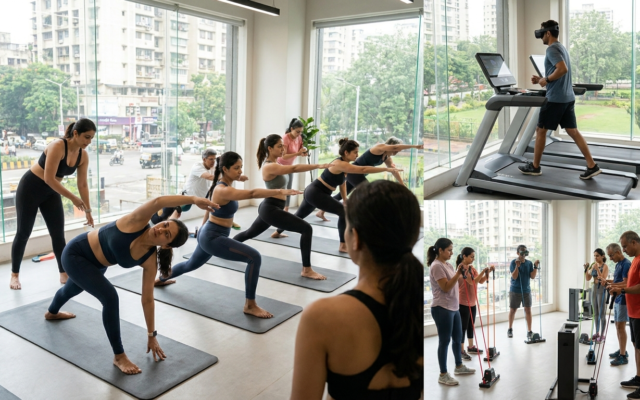
If you are tired of chasing quick-fix trends, it is time to turn toward the ancient, evidence-backed discipline of yoga to shed stubborn abdominal weight in 2026. Consistent practice, rather than intensity alone, remains the gold standard for long-term health and core strength.
Key Takeaways
- Consistency over intensity: Targeting the deep transverse abdominis muscles through yoga requires daily practice rather than sporadic, high-intensity workouts.
- Hormonal regulation: Specific yoga poses help manage cortisol levels, a primary driver of visceral fat accumulation around the midsection.
- Evidence-based approach: The poses listed focus on structural stability, improving metabolic rate and digestive health simultaneously.
- Integrated lifestyle: Yoga is most effective when paired with a balanced diet and adequate sleep as recommended by national health guidelines.
The Science of Core Activation and Metabolic Health
When we talk about reducing belly fat through yoga, we are not suggesting you can spot-reduce fat from one specific area. Instead, yoga acts as a holistic tool that targets visceral fat—the dangerous fat stored deep within the abdominal cavity. By engaging the core, you increase the metabolic demands on your body, effectively turning your midsection into a furnace for energy expenditure.
According to the Ministry of Ayush, yoga is a comprehensive health system that influences both the endocrine and digestive systems. Many of the poses we practice are designed to stimulate the digestive fire, or Agni, which is crucial for efficient metabolism. When your digestion improves, your body becomes much better at processing nutrients and eliminating waste, which prevents the bloating often mistaken for excess fat.
Furthermore, yoga manages the stress hormone cortisol, which is scientifically linked to increased fat storage in the abdominal region. By lowering your resting heart rate and calming the nervous system through breath-focused movement, you prevent the body from holding onto unnecessary weight. You should focus on controlled, deliberate breathing during every pose to maximize this effect.
1. Boat Pose (Navasana): The Foundation of Core Strength
Navasana is perhaps the most effective pose for isolating the abdominal muscles. To perform this, sit on your mat in a comfortable position, then lean back slightly while lifting your legs off the ground. Your body should form a V-shape, with your arms extended forward parallel to the floor.
This pose forces the transverse abdominis—the deepest layer of your abdominal wall—to fire continuously to maintain your balance. If you are a beginner, do not be discouraged if your legs shake; this is simply your muscles waking up to the demand. You can modify this by keeping your knees bent at a 90-degree angle, a variation often recommended for those building foundational strength.
Focus on keeping your spine straight and your chest lifted. If you hunch your back, you shift the tension away from your core and onto your lower back, which is counterproductive. Aim to hold this pose for 30 seconds initially, gradually working your way up to one minute. This specific engagement is a key driver for toning the midsection and improving posture, which instantly makes you appear slimmer.
2. Plank Pose (Phalakasana): Total Body Integration
While the plank is a staple in many fitness routines, it remains the undisputed king of core stabilization in yoga. Starting from a push-up position, ensure your wrists are directly under your shoulders and your body forms a straight line from your head to your heels. The secret to making this effective for belly fat is active engagement.
Do not just hang out in the pose; pull your belly button toward your spine and squeeze your glutes. This isometric contraction forces the entire core to stabilize the body, burning more calories than you might expect from a stationary position. Research indicates that maintaining a static plank builds endurance in the core muscles, which protects the spine and improves overall functional strength.
Many practitioners make the mistake of dropping their hips, which puts unnecessary pressure on the lumbar spine. If you feel your form failing, it is better to rest and reset than to continue with poor alignment. Incorporating a side plank variation can also target the obliques, helping to shape the waistline more effectively than standard crunches ever could.
3. Cobra Pose (Bhujangasana): Stimulating Digestion
Often overlooked in the pursuit of “abs,” the Cobra pose is essential for abdominal health. By lying on your stomach and lifting your chest while keeping your hips grounded, you create a deep stretch across the entire abdominal wall. This stretching action stimulates the internal organs, including the liver and kidneys, which are vital for metabolic detoxification.
In the Indian tradition, this pose is said to kindle the internal fire. From a modern physiological perspective, it helps relieve digestive discomfort and constipation, both of which can leave the abdomen feeling distended and heavy. It is a fantastic counter-pose to the intense compression of Boat Pose or Plank, ensuring your practice remains balanced and sustainable.
Ensure your elbows remain slightly bent if you have sensitive shoulders, and keep your gaze soft. The goal is not to force a deep backbend, but to feel the lengthening of the abdominal muscles. When you combine this with deep belly breathing, you are effectively massaging your digestive tract, which helps in reducing the physical manifestation of stubborn belly bloat.
| Pose | Primary Benefit | Difficulty Level |
|---|---|---|
| Boat Pose | Deep Core Activation | Intermediate |
| Plank Pose | Full Core Stability | Beginner |
| Cobra Pose | Digestion & Metabolism | Beginner |
| Bridge Pose | Glute & Core Strength | Beginner |
| Wind-Relieving Pose | Bloat Reduction | Beginner |
4. Bridge Pose (Setu Bandhasana): Sculpting and Stability
Bridge pose is an excellent way to bridge the gap between building core strength and improving overall body composition. By lying on your back with knees bent and lifting your hips toward the ceiling, you engage the posterior chain while simultaneously requiring the core to stabilize the lift. This pose is particularly beneficial for those who sit for long hours, as it opens the hip flexors.
When the hips are tight, the pelvis tilts forward, pushing the stomach out and making belly fat appear more prominent. By opening these muscles and strengthening the glutes and core, you naturally pull your stomach back into its correct anatomical position. It is a subtle but powerful shift that changes how you carry your body throughout the day.
For an added challenge, place a block between your knees and squeeze it as you lift. This forces the adductor muscles to engage, which creates a more holistic calorie-burning environment. Remember to keep your neck relaxed and your chest moving toward your chin, rather than the other way around.
5. Wind-Relieving Pose (Pawanmuktasana)
If you feel like you are struggling with a “food baby” or chronic bloating, this is your go-to pose. By lying on your back and pulling your knees into your chest, you apply gentle pressure to the abdominal area. This compression is not just about comfort; it is a physical way to aid peristalsis, the movement that pushes food through your digestive tract.
In 2026, many of us struggle with sedentary habits that slow down our gut health. According to the Food Safety and Standards Authority of India, lifestyle factors play a significant role in digestive wellness, which is intrinsically tied to how our waistline looks and feels. Practicing this pose after a meal or before bed can significantly reduce the amount of gas trapped in the intestines.
Yoga is not about touching your toes; it is about what you learn on the way down. When you target the abdomen, you are learning to control your internal state, which is the ultimate key to sustainable weight management.
It is important to perform this movement slowly. Breathe in as you extend your legs, and breathe out as you draw your knees in toward your chest. This rhythmic movement is a form of active recovery that keeps your core engaged without over-stressing your muscles, making it the perfect final move for your daily routine.
Frequently Asked Questions
How long does it take to see results in belly fat reduction?
While every individual is different, most consistent practitioners begin to notice a difference in core tone and digestive comfort within four to six weeks. Remember that visible fat loss depends on a combination of your yoga practice, a balanced diet, and your overall activity level throughout the day.
Can I do these poses every day?
Yes, these poses are designed to be safe for daily practice. However, listen to your body; if you feel sharp pain in your lower back or joints, take a rest day or modify the pose. Consistency is far more effective than high-intensity, sporadic sessions that lead to burnout.
Do I need special equipment to start?
Not at all. You only need a non-slip yoga mat and a quiet space. While yoga blocks and straps can be helpful for beginners to maintain proper alignment, they are not strictly necessary if you are just beginning your journey toward a stronger, healthier core.
Should I practice on an empty stomach?
It is highly recommended to practice yoga on an empty stomach, ideally at least two to three hours after your last meal. This allows you to perform deep abdominal contractions and twists without the discomfort of a full stomach, maximizing the effectiveness of your poses.