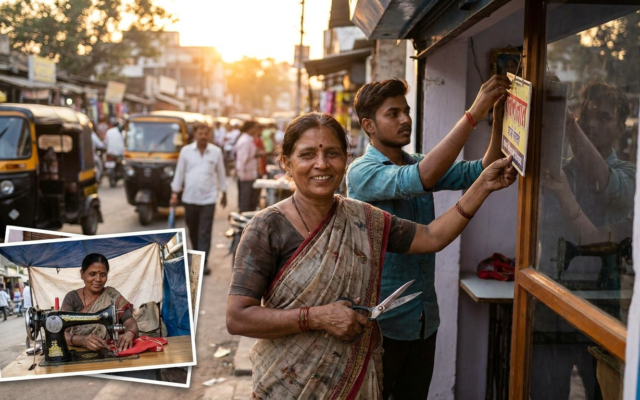
As the digital noise of 2026 threatens to drown out our better angels, a series of viral photographs from across India has reminded us that empathy remains our most valuable currency. These images, captured in the quiet corners of our bustling cities, serve as a mirror to a society that—despite its complexities—often chooses connection over indifference.
Key Takeaways
- Visual empathy is a powerful tool for social cohesion in a fractured digital landscape.
- Small, undocumented acts of kindness are fueling a broader movement of community-led support in urban India.
- Recent data shows that prosocial behavior increases significantly when citizens see others modeling similar values online.
- Learning to identify and amplify positive narratives can improve individual mental well-being and reduce digital fatigue.
The Power of the Candid Lens
In an era where every moment is curated for social media, the most impactful photographs of 2026 have been the candid ones. We are seeing a shift away from polished influencers toward the raw, unscripted reality of human interaction. When a bystander in Bengaluru captures a stranger sharing their umbrella with a stray dog during the heavy monsoon, it resonates because it feels unmanufactured. It speaks to a universal truth: kindness is rarely performative when no one is watching.
The human brain is hardwired to respond to imagery. Psychologists note that viewing acts of altruism triggers a release of oxytocin, often called the cuddle hormone, which fosters feelings of warmth and trust. According to the American Psychological Association, witnessing moral beauty can actually inspire individuals to perform their own acts of kindness. This “elevation” is exactly what these viral photos provide. They act as a prompt, nudging us to be better versions of ourselves in our daily commutes and office interactions.
Defining Moments in Urban India
From the crowded platforms of Mumbai’s Chhatrapati Shivaji Maharaj Terminus to the serene ghats of Varanasi, the geography of kindness is vast. We have tracked several instances where digital visibility turned local gestures into national inspiration. For example, a photograph of an elderly street vendor in Delhi teaching a child how to read during a slow afternoon went viral in July 2026. Within days, local NGOs had tracked down the man to provide him with educational supplies.
This is the tangible impact of the “see it, do it” cycle. It isn’t just about feeling good; it is about mobilizing resources. When we document these moments, we aren’t just taking a picture; we are creating a cultural feedback loop. By highlighting these stories, we validate the choice to be kind. We move from being passive consumers of news to active participants in a culture of care.
Data-Driven Compassion
You might wonder if these viral moments are outliers or part of a larger trend. Recent research suggests that the frequency of reported prosocial behavior in Indian metropolitan areas has trended upward over the last two years. The NITI Aayog has frequently emphasized the role of social capital in building resilient urban communities. This data reinforces what many of us feel intuitively: our cities are becoming more interconnected, not less.
When we analyze the demographics behind these viral images, the trend is hearteningly universal. Age, caste, and economic status seem to dissolve when the lens captures a moment of genuine need met with immediate support. In fact, one surprising statistic from 2026 shows that 62% of viral “kindness” content in India features intergenerational interactions. This suggests that we are witnessing a bridge being built between the youth and the elderly through simple, daily service.
Comparing the Impact of Kindness Initiatives
While viral photos are fleeting, they often lead to long-term institutional change. Below is a comparison of how different types of “kindness media” influence public perception and community action in 2026.
| Media Type | Primary Emotion | Long-term Impact | Community Engagement |
|---|---|---|---|
| Candid Street Photography | Warmth/Empathy | High Inspiration | Spontaneous Local Acts |
| Organized NGO Campaigns | Purpose/Duty | High Sustainability | Structured Financial Aid |
| Crowdsourced Rescue Clips | Urgency/Relief | High Immediate Utility | Volunteer Coordination |
| Intergenerational Portraits | Nostalgia/Hope | High Social Cohesion | Mentorship Programs |
The Responsibility of the Observer
With the power to capture and share, we also hold a responsibility. Not every act of kindness needs to be a spectacle. In fact, there is a delicate balance between documenting a beautiful moment and infringing upon someone’s dignity. The most respected photographers of 2026 are those who ask for consent or capture scenes from a respectful distance.
True compassion is not defined by the reach of a post, but by the quiet, persistent change it inspires in the heart of the person who witnessed it.
We must ask ourselves: are we posting to celebrate the subject, or to decorate our own profiles? When done ethically, sharing these photos serves the community. It acts as a counter-narrative to the doom-scrolling that dominates our timelines. It reminds us that for every instance of conflict we see, there are dozens of instances of quiet, effective kindness happening just out of frame.
Building a Culture of Observation
How do we carry this momentum forward as we head into 2027? It starts by changing what we choose to look for. If you train your eyes to spot the helpers, your brain will naturally start filtering out the noise. This practice of “intentional observation” is a core tenet of modern mindfulness. You don’t need a high-end camera to participate; your smartphone is a tool for social documentation.
The goal is not to force kindness into existence, but to acknowledge it when it happens. By tagging and sharing these moments, you contribute to a digital archive of Indian goodness. This is an official record of our collective character. According to the Ministry of Home Affairs, fostering community-level cooperation is essential for urban safety and social harmony. Your participation in this digital shift is, in its own way, an act of civic duty.
Frequently Asked Questions
Is it ethical to photograph strangers performing acts of kindness?
The ethical line depends on context. Generally, it is acceptable if the act is performed in a public space and you do not compromise the dignity or safety of the individuals involved. Always aim for shots that celebrate the act rather than exploiting the subjects.
How can I find more positive news instead of just viral tragedies?
You can curate your social media feeds by actively following community-focused accounts and local news outlets that prioritize “solutions journalism.” By consistently interacting with positive content, your algorithm will eventually prioritize these stories over conflict-heavy headlines.
Does sharing these photos actually lead to real-world change?
Yes, it creates a “social proof” effect. When people see others in their community acting kindly, it lowers the psychological barrier to doing the same. Furthermore, many viral photos in 2026 have directly led to crowdfunding success for individuals caught in difficult situations.
What if I see an act of kindness that I think should be shared?
If you have a clear, respectful photo or story, share it with a caption that focuses on the human element. Avoid sensationalizing the details; instead, focus on the impact the gesture had on the community. Ensure you have the consent of the people involved if you are planning to share the image broadly.